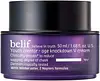
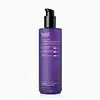
Belif Youth Creator - Age Knockdown V Cream Versus Belif Youth Creator Age Knockdown Barrier Emulsion
This anti-aging moisturizer is formulated around Squalane and Panthenol to soften the look of wrinkles and strengthen the skin barrier.
This barrier-repair emulsion is formulated around Squalane and Niacinamide to strengthen the skin barrier and soften the look of wrinkles.

What's inside
What's inside
 Key Ingredients
Benefits
Concerns
Ingredients Side-by-side
Water
Skin ConditioningGlycerin
Humectant


Butylene Glycol
Humectant
Squalane
Emollient
Isostearyl Isostearate
Emollient




Caprylic/Capric Triglyceride
Masking
Dimethicone
Emollient
1,2-Hexanediol
Skin Conditioning
Glyceryl Stearate
Emollient
Butyrospermum Parkii Butter
Skin Conditioning
Cetearyl Alcohol
Emollient
Panthenol
Skin Conditioning

Trehalose
Humectant
Cetearyl Glucoside
Emulsifying
Sucrose Polystearate
EmollientPEG-100 Stearate
Surfactant
Avena Sativa Kernel Extract
Abrasive

Calendula Officinalis Flower Extract
Masking
Nepeta Cataria Extract
TonicRubus Idaeus Leaf Extract
Skin ConditioningBaptisia Tinctoria Root Extract
Skin ConditioningStellaria Media Extract
Skin ConditioningAchillea Millefolium Flower Extract
Antioxidant
Euphrasia Officinalis Extract
AntimicrobialGlycyrrhiza Glabra Root Extract
Bleaching

Aesculus Hippocastanum Leaf Extract
Skin ConditioningEquisetum Arvense Leaf Extract
AstringentRhodiola Rosea Root Extract
EmollientVaccinium Myrtillus Fruit Extract
Skin ConditioningMyristica Fragrans Extract
MaskingCentella Asiatica Leaf Extract
Skin Conditioning
Chrysanthemum Indicum Flower Extract
Skin Conditioning
Calluna Vulgaris Extract
Skin ConditioningDipsacus Sylvestris Extract
Skin ConditioningChrysanthemum Parthenium Extract
Skin ConditioningCetyl Alcohol
Emollient
Stearyl Alcohol
Emollient
Phytosteryl/Octyldodecyl Lauroyl Glutamate
Skin ConditioningSerine
Masking
C14-22 Alcohols
Emulsion Stabilising
Hydrogenated Lecithin
Emulsifying
Cedrol
EmollientAmmonium Acryloyldimethyltaurate/Vp Copolymer
Dextrin Palmitate
Emulsifying
Polyacrylate-13
Ceramide NP
Skin Conditioning
Macadamia Ternifolia Seed Oil
Emollient
Triethylhexanoin
MaskingTocopherol
Antioxidant
Arginine
Masking
Cetyl Palmitate
Emollient
Arachidyl Glucoside
EmulsifyingPolyisobutene
Sucrose Stearate
EmollientStearic Acid
Cleansing
Sodium Hyaluronate
Humectant
Xanthan Gum
EmulsifyingPalmitic Acid
Emollient
Cholesterol
Emollient
Polysorbate 20
Emulsifying
Sorbitan Isostearate
Emulsifying
Glycosphingolipids
EmollientGlycine Soja Oil
Emollient
Carbomer
Emulsion StabilisingCI 77891
Cosmetic ColorantMica
Cosmetic ColorantCI 77491
Cosmetic ColorantTromethamine
BufferingTrisodium EDTA
ChelatingCitrus Aurantium Dulcis Peel Oil
Masking
Citrus Aurantifolia Oil
Cleansing

Pelargonium Graveolens Flower Oil
Masking
Rosmarinus Officinalis Leaf Oil
Masking
Citral
Perfuming
Citronellol
Perfuming
Limonene
Perfuming
Geraniol
Perfuming
Linalool
Perfuming
Water, Glycerin, Butylene Glycol, Squalane, Isostearyl Isostearate, Caprylic/Capric Triglyceride, Dimethicone, 1,2-Hexanediol, Glyceryl Stearate, Butyrospermum Parkii Butter, Cetearyl Alcohol, Panthenol, Trehalose, Cetearyl Glucoside, Sucrose Polystearate, PEG-100 Stearate, Avena Sativa Kernel Extract, Calendula Officinalis Flower Extract, Nepeta Cataria Extract, Rubus Idaeus Leaf Extract, Baptisia Tinctoria Root Extract, Stellaria Media Extract, Achillea Millefolium Flower Extract, Euphrasia Officinalis Extract, Glycyrrhiza Glabra Root Extract, Aesculus Hippocastanum Leaf Extract, Equisetum Arvense Leaf Extract, Rhodiola Rosea Root Extract, Vaccinium Myrtillus Fruit Extract, Myristica Fragrans Extract, Centella Asiatica Leaf Extract, Chrysanthemum Indicum Flower Extract, Calluna Vulgaris Extract, Dipsacus Sylvestris Extract, Chrysanthemum Parthenium Extract, Cetyl Alcohol, Stearyl Alcohol, Phytosteryl/Octyldodecyl Lauroyl Glutamate, Serine, C14-22 Alcohols, Hydrogenated Lecithin, Cedrol, Ammonium Acryloyldimethyltaurate/Vp Copolymer, Dextrin Palmitate, Polyacrylate-13, Ceramide NP, Macadamia Ternifolia Seed Oil, Triethylhexanoin, Tocopherol, Arginine, Cetyl Palmitate, Arachidyl Glucoside, Polyisobutene, Sucrose Stearate, Stearic Acid, Sodium Hyaluronate, Xanthan Gum, Palmitic Acid, Cholesterol, Polysorbate 20, Sorbitan Isostearate, Glycosphingolipids, Glycine Soja Oil, Carbomer, CI 77891, Mica, CI 77491, Tromethamine, Trisodium EDTA, Citrus Aurantium Dulcis Peel Oil, Citrus Aurantifolia Oil, Pelargonium Graveolens Flower Oil, Rosmarinus Officinalis Leaf Oil, Citral, Citronellol, Limonene, Geraniol, Linalool
Water
Skin ConditioningPropanediol
Solvent
Squalane
Emollient
Glycerin
Humectant
Macadamia Ternifolia Seed Oil
Emollient
1,2-Hexanediol
Skin Conditioning
Diglycerin
Humectant
Niacinamide
Smoothing




Coco-Caprylate/Caprate
Emollient
2,3-Butanediol
HumectantSorbitol
Humectant
Butyrospermum Parkii Butter
Skin Conditioning
Ammonium Acryloyldimethyltaurate/Vp Copolymer
Sarcosine
Skin Conditioning
Acrylates/C10-30 Alkyl Acrylate Crosspolymer
Emulsion StabilisingTromethamine
BufferingAmmonium Polyacryloyldimethyl Taurate
Emulsion StabilisingMicrocrystalline Cellulose
AbsorbentSphingomonas Ferment Extract
Skin Conditioning
Cellulose Gum
Emulsion StabilisingBetaine
Humectant
Serine
Masking
Adenosine
Skin Conditioning
CI 77891
Cosmetic ColorantTocopherol
Antioxidant
Mica
Cosmetic ColorantButylene Glycol
Humectant
Pentylene Glycol
Skin Conditioning
Trisodium EDTA
ChelatingGlycine Soja Oil
Emollient
Melissa Officinalis Flower/Leaf/Stem Water
Skin ConditioningRosmarinus Officinalis Leaf Water
MaskingCI 77491
Cosmetic ColorantHydroxyphenyl Propamidobenzoic Acid
Skin ConditioningSodium Gluconate
ChelatingDisodium Adenosine Triphosphate
Skin ConditioningEucalyptus Globulus Leaf Extract
Perfuming
Mentha Rotundifolia Leaf Extract
TonicRosa Canina Fruit Extract
Astringent
Bakuchiol
Antimicrobial
Ascorbyl Palmitate
Antioxidant
Thymus Vulgaris Leaf Extract
Skin ProtectingGlycyrrhiza Glabra Root Extract
Bleaching
Withania Somnifera Root Extract
Skin Conditioning
Citrus Aurantium Dulcis Peel Oil
Masking
Citrus Aurantifolia Oil
Cleansing
Pelargonium Graveolens Flower Oil
Masking
Rosmarinus Officinalis Leaf Oil
Masking
Limonene
Perfuming
Citronellol
Perfuming
Geraniol
Perfuming
Citral
Perfuming
Linalool
Perfuming
Water, Propanediol, Squalane, Glycerin, Macadamia Ternifolia Seed Oil, 1,2-Hexanediol, Diglycerin, Niacinamide, Coco-Caprylate/Caprate, 2,3-Butanediol, Sorbitol, Butyrospermum Parkii Butter, Ammonium Acryloyldimethyltaurate/Vp Copolymer, Sarcosine, Acrylates/C10-30 Alkyl Acrylate Crosspolymer, Tromethamine, Ammonium Polyacryloyldimethyl Taurate, Microcrystalline Cellulose, Sphingomonas Ferment Extract, Cellulose Gum, Betaine, Serine, Adenosine, CI 77891, Tocopherol, Mica, Butylene Glycol, Pentylene Glycol, Trisodium EDTA, Glycine Soja Oil, Melissa Officinalis Flower/Leaf/Stem Water, Rosmarinus Officinalis Leaf Water, CI 77491, Hydroxyphenyl Propamidobenzoic Acid, Sodium Gluconate, Disodium Adenosine Triphosphate, Eucalyptus Globulus Leaf Extract, Mentha Rotundifolia Leaf Extract, Rosa Canina Fruit Extract, Bakuchiol, Ascorbyl Palmitate, Thymus Vulgaris Leaf Extract, Glycyrrhiza Glabra Root Extract, Withania Somnifera Root Extract, Citrus Aurantium Dulcis Peel Oil, Citrus Aurantifolia Oil, Pelargonium Graveolens Flower Oil, Rosmarinus Officinalis Leaf Oil, Limonene, Citronellol, Geraniol, Citral, Linalool
Reviews
Ingredients Explained
These ingredients are found in both products.
Ingredients higher up in an ingredient list are typically present in a larger amount.
1,2-Hexanediol is a synthetic liquid and another multi-functional powerhouse.
It is a:
- Humectant, drawing moisture into the skin
- Emollient, helping to soften skin
- Solvent, dispersing and stabilizing formulas
- Preservative booster, enhancing the antimicrobial activity of other preservatives
Ammonium Acryloyldimethyltaurate/Vp Copolymer is a synthetically created polymer. It's used as a film-forming agent and used to thicken the consistency of products.
Think of it as a supportive ingredient that helps your gel-creams feel silky, "cloud cream-like", and spread evenly without being greasy.
The Cosmetic Ingredient Review (CIR) Expert Panel evaluated it (along with 22 other acryloyldimethyltaurate polymers) and concluded it's:
Due to its large molecular size, it sits on the surface of skin rather than penetrating it.
Learn more about Ammonium Acryloyldimethyltaurate/Vp CopolymerButylene Glycol (or BG) is used within cosmetic products for a few different reasons:
Overall, Butylene Glycol is a safe and well-rounded ingredient that works well with other ingredients.
Though this ingredient works well with most skin types, some people with sensitive skin may experience a reaction such as allergic rashes, closed comedones, or itchiness.
Learn more about Butylene GlycolThis ingredient is also known as shea butter. It is a plant-derived extract from the nuts of the Africa shea tree and one of the most well-studied emollients.
Because it has a high concentration of fatty acids (primarily oleic, stearic, and linoleic) it is able to form a protective barrier on the skin's surface. This helps seal in moisture and prevents transepidermal water loss (TEWL).
In vitro research found an increase in skin hydration by 58% and a decrease in TEWL by 37.8% after 24 hours of applying this ingredient (pretty impressive for a single ingredient!).
Besides hydration, shea butter also contains triterpenes that have anti-inflammatory potential. In particule, lupeol cinnamate has shown the highest anti-inflammatory activity in vivo.
Shea butter also contains vitamins A and E which may contribute to antioxidant activity.
While Shea Butter has an SPF rating of about 3-4, it is not a sunscreen replacement.
This ingredient may not be fungal acne safe because its fatty acids fall within the C11-C24 range that the Malassezia yeast can metabolize.
This ingredient shows up on a lot of "pore-clogging" lists but there's no real evidence behind that. It doesn't even have a comedogenic rating from an actual study; the numbers you'll find online come from blogs citing other blogs.
Ratings for other ingredients mostly come from a 1980s rabbit ear test. This test doesn't translate well to human skin or to real products because the ingredient sits at a much lower percentage.
Some people still find it breaks them out. So if that's you, definitely trust your skin. Just know this one's based on experience and not evidence.
Learn more about Butyrospermum Parkii ButterCi 77491 is also hydrated iron III oxide. It's sole purpose is to give a red/pink hue to products.
Iron III oxides are classified as inorganic chemicals for coloring.
Synthetically created Ci 77491 is considered safer than those naturally found. This is because the synthetically created version may contain less impurities. Iron oxides are generally non-toxic and non-allergenic.
Learn more about CI 77491Ci 77891 is a white pigment from Titanium dioxide. It is naturally found in minerals such as rutile and ilmenite.
It's main function is to add a white color to cosmetics. It can also be mixed with other colors to create different shades.
Ci 77891 is commonly found in sunscreens due to its ability to block UV rays.
Learn more about CI 77891Citral is the molecule responsible for the fresh lemon scent in lemon, lime, and lemongrass. It is a fragrance ingredient that can be created from plant essential oils or synthetically.
Though Citral has documented antimicrobial activity against acne bacteria (which is where the marketing claims about it being good for acne-prone skin originate), real formulas use it at fragrance-level concentrations under 1% so there's likely no skin benefit.
You should know this ingredient is a known EU fragrance allergen.
Animal studies classifies this ingredient as a weak-to-moderate skin sensitizer and clinical patch testing on eczema patients confirmed it to be both a contact allergen and irritant.
The term 'citral' is a collective term for two geometric isomers: geranial/Citral A and neral/Citral B.
The term 'fragrance' is not regulated in many countries. In many cases, it is up to the brand to define this term. For instance, many brands choose to label themselves as "fragrance-free" because they are not using synthetic fragrances. However, their products may still contain ingredients such as essential oils that are considered a fragrance.
Learn more about CitralCitronellol is used to add fragrance/parfum to a product. It is often derived from plants such as roses. In fact, it can be found in many essential oils including geranium, lavender, neroli, and more. The scent of Citronellol is often described as "fresh, grassy, and citrus-like".
Since the Citronellol molecule is already unstable, Citronellol becomes irritating on the skin when exposed to air.
Citronellol is a modified terpene. Terpenes are unsaturated hydrocarbons found in plants. They make up the primary part of essential oils.
Citronellol is not able to be absorbed into deeper layers of the skin. It has low permeability,
Citronellol is also a natural insect repellent.
Learn more about CitronellolThis ingredient is also known as lime essential oil or key lime essential oil.
Like other citrus extracts and oils, this ingredient contains furanocoumarins that can cause phototoxicity.
Citrus Aurantium Dulcis Peel Oil is oil from the peel of an orange fruit.
Limonene and linalool make up the majority of oils from citrus peels. Limonene has a "citrus" fragrance. Citrus peels also contain flavonoids, which have anti-inflammatory properties.
Citrus peel is also a rich source of flavonoids. Flavonoids are natural antioxidants and help protect your skin against damage. Flavonoids are a group of compounds naturally found in vegetables and fruits.
The term 'fragrance' is not regulated in many countries. In many cases, it is up to the brand to define this term. For instance, many brands choose to label themselves as "fragrance-free" because they are not using synthetic fragrances. However, their products may still contain ingredients such as essential oils that are considered a fragrance.
Learn more about Citrus Aurantium Dulcis Peel OilGeraniol is used to add fragrance/parfum to a product. It is the main component of citronellol. It is a monoterpenoid and an alcohol.
Monoterpenes are naturally found in many parts of different plants.
Geraniol can be found in many essential oils including Rose Oil and Citronella Oil. The scent of Geraniol is often described as "rose-like". Many foods also contain Geraniol for fruit flavoring.
Geraniol can irritate the skin when exposed to air. However, irritation depends on the ability of geraniol to penetrate into the skin. In general, geraniol is not able to penetrate skin easily.
Geraniol is colorless and has low water-solubility. However, it is soluble in common organic solvents.
Like citronellol, it is a natural insect repellent.
2,6-Octadien-1-ol, 3,7-dimethyl-, (2E)-
Learn more about GeraniolGlycerin (or glycerol) is a compound naturally found in your skin. It's a powerhouse humectant that pulls water into the stratum corneum.
Topically, glycerin does several things at once:
Your skin makes glycerin on its own (mostly from sebaceous oil breakdown) and shuttles it to your outermost layer of skin, or your epidermis, via aquaporin-3.
Aquaporin-3 is a transporter that is essential for normal skin hydration, elasticity, and repair. Interestingly, mice lacking in AQP3 have dry and less elastic skin that can be fully corrected with glycerin.
This ingredient is non-irritating, plays well with almost every ingredient, and works across all skin types. Typical use is anywhere between 3-10% but can go up to 79% in some leave-on products.
Just know very high concentrations (>40%) can feel tacky in low humidity.
Glycerin is the name for this ingredient in American English. British English uses Glycerol/Glycerine.
Learn more about GlycerinGlycine Soja Oil is a plant-derived oil from soybean seeds. Like other oils, it is rich in essential fatty acids (mostly linoleic and oleic) that support skin hydration and barrier function.
The fatty acids are able to integrate into the lipid matrix of the stratum corneum to help soften skin and reduce water loss.
On top of that, soybean oil is rich in vitamins like vitamin E, a potent antioxidant.
Research on soybean's active components also point to anti-inflammatory, collagen-stimulating, antioxidant activity, and protection against UV-induced oxidative damage.
Most of this research applies to the broader soybean plant and not just the oil fraction alone.
This ingredient does carry a comedogenic rating of 3 from the old rabbit-ear assay. Just remember testing finished products in humans showed that formulas built with "comedogenic" ingredients are not necessarily comedogenic themselves. It's worth patch testing if you're breakout prone, and always listen to your skin.
Because this ingredient is a saturated triglyceride, it may not be fungal acne safe. This is because Malassezia breaks down sebum triglycerides into fatty acids it can consume, making this ingredient a possible source for the yeast.
Learn more about Glycine Soja OilGlycyrrhiza Glabra Root Extract is an extract of the roots of Licorice. It has been found to have several benefits such as skin hydrating, conditioning, and soothing.
One component, glabridin, has extra potent antioxidant and soothing properties. It has also been found to block pigmentation from UVB rays in guinea pigs.
Licorice Root also contains a flavonoid. Flavonoids are a natural substance from in plants. Flavonoids also have antioxidant properties.
Another component, glycyrrhizin, has been found to have anti-inflammatory and antimicrobial benefits. This may make licorice root extract effective at treating acne. However, more research is needed to support this.
Liquiritin is one of the flavone compounds found in licorice. It has been found to help lighten skin by preventing tyrosinase from reacting with tyrosine. When the two react, protein is converted to melanin. Melanin is the substance in your body that gives your features pigmentation.
Learn more about Glycyrrhiza Glabra Root ExtractLimonene is the compound that gives citrus peel its smell.
In skincare, it shows up as a standalone fragrance ingredient or as a natural compound of citrus and other essential oils.
You'll typically see this ingredient used in very small amounts; anything above 0.001% in a leave-on product or 0.01% in a rinse-off has to be named on the label in the EU. The citrus oils that carry it sit around 0.5-1% in a finished formula.
Fresh limonene is a weak allergen; the real issue is that it slowly reacts with air and then breaks down from oxidation to create hydroperoxides (which are strong sensitizers). This is why suppliers are required to keep the peroxide value below 20 mmol.
Positive reactions in people being investigated for eczema vary:
It's worth skipping if you have a known fragrance allergy or a compromised barrier, but the risk is low for most people.
Older or long-opened products are also more likely to bother you than fresh ones due to oxidation.
Learn more about LimoneneLinalool is a small, naturally occurring scent molecule found in plants like lavender, coriander, bergamot, and more.
It is one of the two most-used fragrance ingredients in cosmetics and added purely for smell. Since it's not used for a skin benefit, there's no "effective dose". Concentration depends on the fragrance load of the product.
The EU requires it to be named on the label above 0.001% in leave-on and 0.01% in rinse-off products.
Fresh linalool is a weak sensitizer but air exposure turns some of it into hydroperoxides, which are strong sensitizers. Those oxidation products are the actual allergy concern.
Patch-test clinics see positive reactions to linalool hydroperoxides in about 4% to 12% of dermatitis patients depending on country and test concentration.
Resassuringly, one analytical study found hydroperoxide levels in real fragranced products to be orders of magnitude below what induced sensitization in animal studies with no evidence of oxidation building up during normal storage.
The practical takeaway is that linalool is fine for most people but worth avoiding if you have a confirmed fragrance contact allergy or a badly compromised barrier.
Products stored a long time after opening are also the high-risk scenario since that is when oxidation happens.
The scent of linalool is described as floral, spicy tropical, and citrus-like.
Learn more about LinaloolThis ingredient is also known as Macadamia Seed Oil. It's an emollient with a fatty acid profile that closely mirrors the skin's own lipid makeup.
The palmitoleic acid content is especially notable as it's somewhat rare in plant oils. Palmitoleic acid is something your skin already makes naturally. It helps keep cell membranes structured and plays a role in fighting off harmful microbes.
This palmitoleic content is also part of why macademia seed oil absorbs quickly and doesn't leave much of a greasy residue.
It also contains oleic acid, linoleic acid, and phytosterols that can help reduce redness.
In vitro research has shown the oil to have meaningful antioxidant activity, protect fats in the skin from oxidative damage, and slow down the enzyme that breaks down hyaluronic acid.
A 2024 clinical study found it effective at improving skin hydratino and reducing wrinkle appearance when formulated into nanoemulsions.
Because it carries oleic acid (C18) and palmitic acid (C16), this ingredient may not be fungal acne safe. This is because the Malassezia yeast metabolizes in the C11-24 chain length range.
You'll also see this ingredient listed as: Macadamia Integrifolia Seed Oil .
These two oils are identical in composition and M. ternifolia is an older INCI naming convention for the edible macadamia nut while M. integrifolia is the species actually cultivated for oil production. Both names refer to the same oil.
Learn more about Macadamia Ternifolia Seed OilMica is a naturally occurring mineral used to add shimmer and color in cosmetics. It can also help improve the texture of a product or give it an opaque, white/silver color.
Serecite is the name for very fine but ragged grains of mica.
This ingredient is often coated with metal oxides like titanium dioxide. Trace amounts of heavy metals may be found in mica, but these metals are not harmful in our personal products.
Mica has been used since prehistoric times throughout the world. Ancient Egyptian, Indian, Greek, Roman, Aztec, and Chinese civilizations have used mica.
Learn more about MicaPelargonium Graveolens Flower Oil is the pressed oil of the Rose Geranium plant. It is volatile, meaning it evaporates off the skin.
Fragrant components of Rose Geranium include citronellol and geraniol. These may cause allergies and skin-sensitivity. We recommend speaking with a professional if you have any concerns.
The scent of Rose Geranium closely resembles traditional roses.
Learn more about Pelargonium Graveolens Flower OilRosmarinus Officinalis Leaf Oil is an essential oil also known as rosemary essential oil. In skincare, it is a skin conditioning agent and also acts as a natural fragrance that gives products a fresh/herby smell.
The oil is a mix of over 100 volatile compounds with 1,8-cineole, α-pinene, camphor, and verbenone usually leading the pack.
Lab studies credit this oil with antioxidant, anti-inflammatory, and antimicrobial activity. Some research even show rosemary compounds calming acne-related inflammation.
The Cosmetic Ingredient Review (CIR) has concluded rosemary-derived ingredients to be safe when formulated to be nonsensitizing.
Since this is a fragrant essential oil, the main concern is for fragrance-sensitive folks.
Learn more about Rosmarinus Officinalis Leaf OilSerine is a non-essential amino acid (your body makes it on its own!). It is a major player in your skin's natural moisturizing factor (NMF), or the water-loving molecules in your outermost layer of skin (stratum corneum) that keeps everything hydrated and happy.
Serine is one of your NMF's most abundant components that works as a skin-identical humectant. Its hydroxyl group grabs onto water molecules to boost hydration without any heaviness or occlusion.
Research on a hydrogel with serine confirmed this serine got delivered to your stratum corneum and demonstrated enhanced skin moisturization.
Interestingly serine also helps your skin produce filaggrin, a protein that keeps your skin barrier strong and used to create collagen.
Learn more about SerineSqualane is the hydrogenated and shelf-stable form of squalene (a lipid that naturally occurs in human sebum).
It is an emollient and skin conditioning agent that is able to integrate seamlessly into the skin's lipid barrier without clogging pores.
This is due to how structurally similar it is to what your skin already produces.
Though it is mostly an emollient that helps soften and hydrate skin, it also has some humectant and occlusive action. Humectants help the skin retain moisture while occlusives seal it in, making squalane a triple-threat moisturizer.
Research shows it has antioxidant capabilities that help protect against stressors like UV exposure, specifically UVA induced oxidative stress. This study also found that it supports collagen biosynthesis in human dermal fibroblasts.
No clinical study has reported significant adverse effects and irritation reactions are very rare from this ingredient (even at 100% concentration).
Overall, it's a fantastic ingredient for hydration and is suitable for all skin types.
This depends on the source. Squalane can be derived from both plants and animals. Most squalane used in skincare comes from plants.
Please note: the source of squalane is only known if disclosed by the brand. We recommend reaching out to the brand if you have any questions about their squalane.
Read more about squalene with an "e".
Though squalane is often called an oil, it’s technically not one. It is a hydrocarbon, meaning it is only made of carbon and hydrogen. True oils are triglycerides and made of fatty acids and glycerol.
The term “oil-free” isn’t regulated so companies can define it however they want. Some exclude all oils, while others just avoid mineral oil or comedogenic oils.
Squalane has a comedogenic rating of 1 from the original 1972 study that tested raw ingredients under occlusion on rabbit ears. This system is not standardized or peer-reviewed, and using the raw ingredients is very different from how diluted cosmetic formulations are used on human skin.
A comedogenic rating of 1 means it is "unlikely to clog pores" according to the original rating system.
The overall formula of a product matters more than the individual ingredients on whether or not it will cause clogged pores.
Learn more about SqualaneTocopherol is a fat-soluble antioxidant known as Vitamin E.
You'll find this ingredient in the vast majority of skincare (for good reason). It works to neutralize free radicals, or unstable molecules generated by UV exposure, pollution, and other environmental stressors, before they can cause oxidative damage to your skin cells.
Topically applied tocopherol has been shown to protect against UV damage by ramping up the skin's own natural defense enzymes.
It also acts as a skin conditioning agent; some studies show that regular topical use can improve the skin's water-binding capacity over 2-4 weeks.
This ingredient is especially loved for being a team player. When combined with Vitamin C, the photoprotective effect of both ingredients roughly doubles and the combo also helps reduce UV-induced DNA damage.
This ingredient has some brightening potential but it's more of a prevention ingredient than spot-fader. Cell studies show it can slow down melanin production but it's worth noting that it's not the most powerful brightener out there.
In formulations, it also serves as a stabilizer that helps protect other oxidation-prone ingredients from degrading.
Concentrations usually range from 0.1-1% in most leave-on products.
Learn more about TocopherolTrisodium EDTA is one of those quietly essential helper ingredients that most people have never heard of. You'll most likely spot it near the end of ingredient lists in almost every category of skincare.
So what does it actually do?
Its main job is chelation; this is a fancy word to say it grabs onto metal ions and neutralizes them. This is because even purified water in cosmetics contains trace amounts of metals that can cause big problems in a formula.
These trace metals can break down actives faster, cause discoloration, promote rancidity in oils, and make preservatives less effective. Trisodium EDTA binds to these metals and takes them out of the equation so your products can stay stable and effective for longer.
There's also an added bonus: by neutralizing the metals ions that bacteria need to thrive, this ingredient also acts as a preservative booster.
The Cosmetic Ingredient Review has concluded this ingredient to be safe as used in cosmetic formulations. It is not considered an irritant, sensitizer, and is barely absorbed through the skin.
Learn more about Trisodium EDTATromethamine (aka THAM) is a synthetic amino acid that shows up in skincare as a helper ingredient.
It functions as a pH adjuster to help neutralize acidic ingredients and set a formula's pH to the right spot.
This matters a lot because a lot of actives (like vitamin C) needs a specific pH to work well and feel comfortable on skin.
Concentration use ranges from 0.1-1.0% depending on the formula.
Learn more about TromethamineWater. It's the most common cosmetic ingredient of all. You'll usually see it at the top of ingredient lists, meaning that it makes up the largest part of the product.
So why is it so popular? Water most often acts as a solvent - this means that it helps dissolve other ingredients into the formulation.
You'll also recognize water as that liquid we all need to stay alive. If you see this, drink a glass of water. Remember to stay hydrated!
Learn more about Water

