

What's inside
What's inside
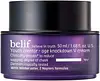 Key Ingredients
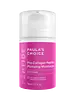
Benefits
Concerns
Ingredients Side-by-side
Water
Skin ConditioningGlycerin
Humectant


Butylene Glycol
Humectant
Squalane
Emollient
Isostearyl Isostearate
Emollient




Caprylic/Capric Triglyceride
Masking
Dimethicone
Emollient
1,2-Hexanediol
Skin Conditioning
Glyceryl Stearate
Emollient
Butyrospermum Parkii Butter
Skin Conditioning
Cetearyl Alcohol
Emollient
Panthenol
Skin Conditioning

Trehalose
Humectant
Cetearyl Glucoside
Emulsifying
Sucrose Polystearate
EmollientPEG-100 Stearate
Surfactant
Avena Sativa Kernel Extract
Abrasive

Calendula Officinalis Flower Extract
Masking
Nepeta Cataria Extract
TonicRubus Idaeus Leaf Extract
Skin ConditioningBaptisia Tinctoria Root Extract
Skin ConditioningStellaria Media Extract
Skin ConditioningAchillea Millefolium Flower Extract
Antioxidant
Euphrasia Officinalis Extract
AntimicrobialGlycyrrhiza Glabra Root Extract
Bleaching

Aesculus Hippocastanum Leaf Extract
Skin ConditioningEquisetum Arvense Leaf Extract
AstringentRhodiola Rosea Root Extract
EmollientVaccinium Myrtillus Fruit Extract
Skin ConditioningMyristica Fragrans Extract
MaskingCentella Asiatica Leaf Extract
Skin Conditioning
Chrysanthemum Indicum Flower Extract
Skin Conditioning
Calluna Vulgaris Extract
Skin ConditioningDipsacus Sylvestris Extract
Skin ConditioningChrysanthemum Parthenium Extract
Skin ConditioningCetyl Alcohol
Emollient
Stearyl Alcohol
Emollient
Phytosteryl/Octyldodecyl Lauroyl Glutamate
Skin ConditioningSerine
Masking
C14-22 Alcohols
Emulsion Stabilising
Hydrogenated Lecithin
Emulsifying
Cedrol
EmollientAmmonium Acryloyldimethyltaurate/Vp Copolymer
Dextrin Palmitate
Emulsifying
Polyacrylate-13
Ceramide NP
Skin Conditioning
Macadamia Ternifolia Seed Oil
Emollient
Triethylhexanoin
MaskingTocopherol
Antioxidant
Arginine
Masking
Cetyl Palmitate
Emollient
Arachidyl Glucoside
EmulsifyingPolyisobutene
Sucrose Stearate
EmollientStearic Acid
Cleansing
Sodium Hyaluronate
Humectant
Xanthan Gum
EmulsifyingPalmitic Acid
Emollient
Cholesterol
Emollient
Polysorbate 20
Emulsifying
Sorbitan Isostearate
Emulsifying
Glycosphingolipids
EmollientGlycine Soja Oil
Emollient
Carbomer
Emulsion StabilisingCI 77891
Cosmetic ColorantMica
Cosmetic ColorantCI 77491
Cosmetic ColorantTromethamine
BufferingTrisodium EDTA
ChelatingCitrus Aurantium Dulcis Peel Oil
Masking
Citrus Aurantifolia Oil
Cleansing

Pelargonium Graveolens Flower Oil
Masking
Rosmarinus Officinalis Leaf Oil
Masking
Citral
Perfuming
Citronellol
Perfuming
Limonene
Perfuming
Geraniol
Perfuming
Linalool
Perfuming
Water, Glycerin, Butylene Glycol, Squalane, Isostearyl Isostearate, Caprylic/Capric Triglyceride, Dimethicone, 1,2-Hexanediol, Glyceryl Stearate, Butyrospermum Parkii Butter, Cetearyl Alcohol, Panthenol, Trehalose, Cetearyl Glucoside, Sucrose Polystearate, PEG-100 Stearate, Avena Sativa Kernel Extract, Calendula Officinalis Flower Extract, Nepeta Cataria Extract, Rubus Idaeus Leaf Extract, Baptisia Tinctoria Root Extract, Stellaria Media Extract, Achillea Millefolium Flower Extract, Euphrasia Officinalis Extract, Glycyrrhiza Glabra Root Extract, Aesculus Hippocastanum Leaf Extract, Equisetum Arvense Leaf Extract, Rhodiola Rosea Root Extract, Vaccinium Myrtillus Fruit Extract, Myristica Fragrans Extract, Centella Asiatica Leaf Extract, Chrysanthemum Indicum Flower Extract, Calluna Vulgaris Extract, Dipsacus Sylvestris Extract, Chrysanthemum Parthenium Extract, Cetyl Alcohol, Stearyl Alcohol, Phytosteryl/Octyldodecyl Lauroyl Glutamate, Serine, C14-22 Alcohols, Hydrogenated Lecithin, Cedrol, Ammonium Acryloyldimethyltaurate/Vp Copolymer, Dextrin Palmitate, Polyacrylate-13, Ceramide NP, Macadamia Ternifolia Seed Oil, Triethylhexanoin, Tocopherol, Arginine, Cetyl Palmitate, Arachidyl Glucoside, Polyisobutene, Sucrose Stearate, Stearic Acid, Sodium Hyaluronate, Xanthan Gum, Palmitic Acid, Cholesterol, Polysorbate 20, Sorbitan Isostearate, Glycosphingolipids, Glycine Soja Oil, Carbomer, CI 77891, Mica, CI 77491, Tromethamine, Trisodium EDTA, Citrus Aurantium Dulcis Peel Oil, Citrus Aurantifolia Oil, Pelargonium Graveolens Flower Oil, Rosmarinus Officinalis Leaf Oil, Citral, Citronellol, Limonene, Geraniol, Linalool
Water
Skin ConditioningDimethicone
Emollient
Squalane
Emollient
Glycerin
Humectant
Pyrus Malus Fruit Extract
Skin Conditioning
Pentylene Glycol
Skin Conditioning
1,2-Hexanediol
Skin Conditioning
Ammonium Acryloyldimethyltaurate/Vp Copolymer
Butylene Glycol
Humectant
Hydroxyacetophenone
Antioxidant
Sodium Acrylates Copolymer
Acrylates/C10-30 Alkyl Acrylate Crosspolymer
Emulsion StabilisingGigartina Stellata Extract
Skin Protecting
Acetyl Sh-Hexapeptide-5 Amide Acetate
Skin Conditioning
Tridecapeptide-1
Skin Conditioning
Oligopeptide-1
Skin Conditioning
Sodium Phytate
ChelatingPropanediol
Solvent
Lecithin
Emollient
Hydroxypropyltrimonium Hyaluronate
Cyanocobalamin
Skin ConditioningPhenoxyethanol
Preservative
Water, Dimethicone, Squalane, Glycerin, Pyrus Malus Fruit Extract, Pentylene Glycol, 1,2-Hexanediol, Ammonium Acryloyldimethyltaurate/Vp Copolymer, Butylene Glycol, Hydroxyacetophenone, Sodium Acrylates Copolymer, Acrylates/C10-30 Alkyl Acrylate Crosspolymer, Gigartina Stellata Extract, Acetyl Sh-Hexapeptide-5 Amide Acetate, Tridecapeptide-1, Oligopeptide-1, Sodium Phytate, Propanediol, Lecithin, Hydroxypropyltrimonium Hyaluronate, Cyanocobalamin, Phenoxyethanol
Reviews
Ingredients Explained
These ingredients are found in both products.
Ingredients higher up in an ingredient list are typically present in a larger amount.
1,2-Hexanediol is a synthetic liquid and another multi-functional powerhouse.
It is a:
- Humectant, drawing moisture into the skin
- Emollient, helping to soften skin
- Solvent, dispersing and stabilizing formulas
- Preservative booster, enhancing the antimicrobial activity of other preservatives
Ammonium Acryloyldimethyltaurate/Vp Copolymer is a synthetically created polymer. It's used as a film-forming agent and used to thicken the consistency of products.
Think of it as a supportive ingredient that helps your gel-creams feel silky, "cloud cream-like", and spread evenly without being greasy.
The Cosmetic Ingredient Review (CIR) Expert Panel evaluated it (along with 22 other acryloyldimethyltaurate polymers) and concluded it's:
Due to its large molecular size, it sits on the surface of skin rather than penetrating it.
Learn more about Ammonium Acryloyldimethyltaurate/Vp CopolymerButylene Glycol (or BG) is used within cosmetic products for a few different reasons:
Overall, Butylene Glycol is a safe and well-rounded ingredient that works well with other ingredients.
Though this ingredient works well with most skin types, some people with sensitive skin may experience a reaction such as allergic rashes, closed comedones, or itchiness.
Learn more about Butylene GlycolDimethicone is a type of synthetic silicone created from natural materials such as quartz. It is also known as polydimethylsiloxane.
What it does:
Dimethicone comes in different viscosities:
Depending on the viscosity, dimethicone has different properties.
Ingredients lists don't always show which type is used, so we recommend reaching out to the brand if you have questions about the viscosity.
This ingredient is unlikely to cause irritation because it does not get absorbed into skin. However, people with silicone allergies should be careful about using this ingredient.
Note: Dimethicone may contribute to pilling. This is because it is not oil or water soluble, so pilling may occur when layered with products. When mixed with heavy oils in a formula, the outcome is also quite greasy.
Learn more about DimethiconeGlycerin (or glycerol) is a compound naturally found in your skin. It's a powerhouse humectant that pulls water into the stratum corneum.
Topically, glycerin does several things at once:
Your skin makes glycerin on its own (mostly from sebaceous oil breakdown) and shuttles it to your outermost layer of skin, or your epidermis, via aquaporin-3.
Aquaporin-3 is a transporter that is essential for normal skin hydration, elasticity, and repair. Interestingly, mice lacking in AQP3 have dry and less elastic skin that can be fully corrected with glycerin.
This ingredient is non-irritating, plays well with almost every ingredient, and works across all skin types. Typical use is anywhere between 3-10% but can go up to 79% in some leave-on products.
Just know very high concentrations (>40%) can feel tacky in low humidity.
Glycerin is the name for this ingredient in American English. British English uses Glycerol/Glycerine.
Learn more about GlycerinSqualane is the hydrogenated and shelf-stable form of squalene (a lipid that naturally occurs in human sebum).
It is an emollient and skin conditioning agent that is able to integrate seamlessly into the skin's lipid barrier without clogging pores.
This is due to how structurally similar it is to what your skin already produces.
Though it is mostly an emollient that helps soften and hydrate skin, it also has some humectant and occlusive action. Humectants help the skin retain moisture while occlusives seal it in, making squalane a triple-threat moisturizer.
Research shows it has antioxidant capabilities that help protect against stressors like UV exposure, specifically UVA induced oxidative stress. This study also found that it supports collagen biosynthesis in human dermal fibroblasts.
No clinical study has reported significant adverse effects and irritation reactions are very rare from this ingredient (even at 100% concentration).
Overall, it's a fantastic ingredient for hydration and is suitable for all skin types.
This depends on the source. Squalane can be derived from both plants and animals. Most squalane used in skincare comes from plants.
Please note: the source of squalane is only known if disclosed by the brand. We recommend reaching out to the brand if you have any questions about their squalane.
Read more about squalene with an "e".
Though squalane is often called an oil, it’s technically not one. It is a hydrocarbon, meaning it is only made of carbon and hydrogen. True oils are triglycerides and made of fatty acids and glycerol.
The term “oil-free” isn’t regulated so companies can define it however they want. Some exclude all oils, while others just avoid mineral oil or comedogenic oils.
Squalane has a comedogenic rating of 1 from the original 1972 study that tested raw ingredients under occlusion on rabbit ears. This system is not standardized or peer-reviewed, and using the raw ingredients is very different from how diluted cosmetic formulations are used on human skin.
A comedogenic rating of 1 means it is "unlikely to clog pores" according to the original rating system.
The overall formula of a product matters more than the individual ingredients on whether or not it will cause clogged pores.
Learn more about SqualaneWater. It's the most common cosmetic ingredient of all. You'll usually see it at the top of ingredient lists, meaning that it makes up the largest part of the product.
So why is it so popular? Water most often acts as a solvent - this means that it helps dissolve other ingredients into the formulation.
You'll also recognize water as that liquid we all need to stay alive. If you see this, drink a glass of water. Remember to stay hydrated!
Learn more about Water

