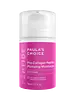
This anti-aging moisturizer is formulated around Squalane to soften the look of wrinkles and hydrate skin.
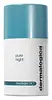
This brightening night moisturizer is formulated around Magnesium Ascorbyl Phosphate and Niacinamide to brighten dull-looking skin and fade the look of dark spots.

What's inside
What's inside
 Key Ingredients
Benefits
Concerns
Ingredients Side-by-side
Water
Skin ConditioningDimethicone
Emollient

Squalane
Emollient


Glycerin
Humectant
Pyrus Malus Fruit Extract
Skin Conditioning
Pentylene Glycol
Skin Conditioning
1,2-Hexanediol
Skin Conditioning
Ammonium Acryloyldimethyltaurate/Vp Copolymer
Butylene Glycol
Humectant
Hydroxyacetophenone
Antioxidant
Sodium Acrylates Copolymer
Acrylates/C10-30 Alkyl Acrylate Crosspolymer
Emulsion StabilisingGigartina Stellata Extract
Skin Protecting

Acetyl Sh-Hexapeptide-5 Amide Acetate
Skin Conditioning
Tridecapeptide-1
Skin Conditioning
Oligopeptide-1
Skin Conditioning

Sodium Phytate
ChelatingPropanediol
Solvent
Lecithin
Emollient
Hydroxypropyltrimonium Hyaluronate
Cyanocobalamin
Skin ConditioningPhenoxyethanol
Preservative
Water, Dimethicone, Squalane, Glycerin, Pyrus Malus Fruit Extract, Pentylene Glycol, 1,2-Hexanediol, Ammonium Acryloyldimethyltaurate/Vp Copolymer, Butylene Glycol, Hydroxyacetophenone, Sodium Acrylates Copolymer, Acrylates/C10-30 Alkyl Acrylate Crosspolymer, Gigartina Stellata Extract, Acetyl Sh-Hexapeptide-5 Amide Acetate, Tridecapeptide-1, Oligopeptide-1, Sodium Phytate, Propanediol, Lecithin, Hydroxypropyltrimonium Hyaluronate, Cyanocobalamin, Phenoxyethanol
Water
Skin ConditioningCyclopentasiloxane
Emollient
Methylheptyl Isostearate
Skin ConditioningButylene Glycol
Humectant
Dimethicone
Emollient
Cetyl Alcohol
Emollient



Isohexadecane
EmollientCetearyl Alcohol
Emollient
Glyceryl Stearate Citrate
Emollient
Cetearyl Ethylhexanoate
Emollient
Cetyl Caprylate
EmollientRubus Idaeus Seed Oil
Emollient
Vaccinium Macrocarpon Seed Oil
Skin Conditioning
Vigna Aconitifolia Seed Extract
Skin ConditioningStrelitzia Nicolai Seed Aril Extract
Skin ConditioningOligopeptide-34
Skin Conditioning
Lactobacillus/Pumpkin Fruit Ferment Filtrate
Skin ConditioningMagnesium Ascorbyl Phosphate
Antioxidant



Niacinamide
Smoothing



Cananga Odorata Flower Oil
Masking



Tocopherol
Antioxidant
Beta-Sitosterol
Emulsion Stabilising
Zinc Glycinate
BufferingDecyl Glucoside
Cleansing
Polysilicone-11
Sodium Cocoyl Glutamate
Cleansing
Dipotassium Glycyrrhizate
Humectant
Hydrogenated Phosphatidylcholine
Emulsifying
Potassium Cetyl Phosphate
EmulsifyingGlyceryl Caprylate
EmollientDimethicone Crosspolymer
Emulsion Stabilising
Dimethiconol
Emollient
Acrylates/C10-30 Alkyl Acrylate Crosspolymer
Emulsion StabilisingAminomethyl Propanol
BufferingDisodium EDTA
ChelatingEthylhexylglycerin
Skin ConditioningPhenoxyethanol
Preservative
Water, Cyclopentasiloxane, Methylheptyl Isostearate, Butylene Glycol, Dimethicone, Cetyl Alcohol, Isohexadecane, Cetearyl Alcohol, Glyceryl Stearate Citrate, Cetearyl Ethylhexanoate, Cetyl Caprylate, Rubus Idaeus Seed Oil, Vaccinium Macrocarpon Seed Oil, Vigna Aconitifolia Seed Extract, Strelitzia Nicolai Seed Aril Extract, Oligopeptide-34, Lactobacillus/Pumpkin Fruit Ferment Filtrate, Magnesium Ascorbyl Phosphate, Niacinamide, Cananga Odorata Flower Oil, Tocopherol, Beta-Sitosterol, Zinc Glycinate, Decyl Glucoside, Polysilicone-11, Sodium Cocoyl Glutamate, Dipotassium Glycyrrhizate, Hydrogenated Phosphatidylcholine, Potassium Cetyl Phosphate, Glyceryl Caprylate, Dimethicone Crosspolymer, Dimethiconol, Acrylates/C10-30 Alkyl Acrylate Crosspolymer, Aminomethyl Propanol, Disodium EDTA, Ethylhexylglycerin, Phenoxyethanol
Reviews
Ingredients Explained
These ingredients are found in both products.
Ingredients higher up in an ingredient list are typically present in a larger amount.
Acrylates/C10-30 Alkyl Acrylate Crosspolymer is a synthetic polymer. It is used to thicken, emulsify, and improve the texture of products.
As an emulsifier, it helps stabilize oil-in-water emulsions to give products an elegant feel when applied.
It can also form a thin protective film on skin. One study found that a formula using this polymer helped slow down how quickly other ingredients (like DEET) were absorbed through skin.
A 2024 study of over 1,300 patients confirmed that sensitization to this ingredient is rare. It is also non-mutagenic and has a clean track record.
Learn more about Acrylates/C10-30 Alkyl Acrylate CrosspolymerButylene Glycol (or BG) is used within cosmetic products for a few different reasons:
Overall, Butylene Glycol is a safe and well-rounded ingredient that works well with other ingredients.
Though this ingredient works well with most skin types, some people with sensitive skin may experience a reaction such as allergic rashes, closed comedones, or itchiness.
Learn more about Butylene GlycolDimethicone is a type of synthetic silicone created from natural materials such as quartz. It is also known as polydimethylsiloxane.
What it does:
Dimethicone comes in different viscosities:
Depending on the viscosity, dimethicone has different properties.
Ingredients lists don't always show which type is used, so we recommend reaching out to the brand if you have questions about the viscosity.
This ingredient is unlikely to cause irritation because it does not get absorbed into skin. However, people with silicone allergies should be careful about using this ingredient.
Note: Dimethicone may contribute to pilling. This is because it is not oil or water soluble, so pilling may occur when layered with products. When mixed with heavy oils in a formula, the outcome is also quite greasy.
Learn more about DimethiconePhenoxyethanol is one of the most widely used preservatives in skincare (and for good reason!).
It has a large spectrum of antimicrobial activity and especially effective bacteria, yeast, and mold while only having a weak effect on your skin's natural microbiome.
On a cellular level, it disrupts the cell membranes of microbes by poking holes that make the cell leak. This shuts down the chemical reactions the microbe needs to make energy so it can no longer survive.
Another perk of this ingredient is that it stays functional across a wide pH range (3-10).
You'll often see it paired with boosters like Ethylhexylglycerin; one study showed that a 1:9 ratio of Ethylhexylglycerin to Phenoxyethanol damages bacterial membranes as effectively as doubling the Phenoxyethanol concentration on its own.
Typical use concentrations range from 0.3-1% depending on the formula, and this ingredient is capped at 1% int the EU.
Safety-wise, the fear mongering does not hold up to the evidence. The EU's Scientific Committee on Consumer Safety and FDA consider it safe as a preservative at up to 1%, including for children of all ages.
Adverse systemic effects only showed up in animal studies at exposures roughly 200x higher than what people get from cosmetics. And despite its very widespread use, this ingredient is a rare sensitizer and allergic reactions are uncommon.
Learn more about PhenoxyethanolWater. It's the most common cosmetic ingredient of all. You'll usually see it at the top of ingredient lists, meaning that it makes up the largest part of the product.
So why is it so popular? Water most often acts as a solvent - this means that it helps dissolve other ingredients into the formulation.
You'll also recognize water as that liquid we all need to stay alive. If you see this, drink a glass of water. Remember to stay hydrated!
Learn more about Water

