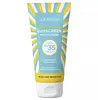
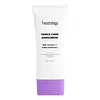
Azarine Cicamide Barrier Sunscreen Moisturiser SPF 35 PA+++ Versus Facetology Triple Care Sunscreen SPF 40 PA+++

What's inside
What's inside
 Key Ingredients
Benefits
Concerns
Ingredients Side-by-side
Water
Skin ConditioningGlycerin
Humectant



Ethylhexyl Methoxycinnamate
UV Absorber


Butyl Methoxydibenzoylmethane
UV Absorber
Ceteareth-25
CleansingCentella Asiatica Extract
Cleansing


Acrylates Crosspolymer
AbsorbentInulin Lauryl Carbamate
Emulsion StabilisingCetyl Alcohol
Emollient

Behenic Acid
Cleansing
Ethylhexyl Triazone
UV Absorber
Chlorphenesin
Antimicrobial
Squalane
Emollient
Cholesterol
Emollient
Sodium Hyaluronate
Humectant
Ceramide NP
Skin Conditioning
Ceramide Ns
Skin Conditioning
Ceramide Eos
Skin Conditioning
Ceramide EOP
Skin Conditioning
Ceramide AP
Skin Conditioning
Ectoin
Skin Conditioning
Phenoxyethanol
Preservative
Caprooyl Phytosphingosine
Skin Conditioning
Caprooyl Sphingosine
Skin ConditioningOctocrylene
UV Absorber
Sodium Surfactin
CleansingWater, Glycerin, Ethylhexyl Methoxycinnamate, Butyl Methoxydibenzoylmethane, Ceteareth-25, Centella Asiatica Extract, Acrylates Crosspolymer, Inulin Lauryl Carbamate, Cetyl Alcohol, Behenic Acid, Ethylhexyl Triazone, Chlorphenesin, Squalane, Cholesterol, Sodium Hyaluronate, Ceramide NP, Ceramide Ns, Ceramide Eos, Ceramide EOP, Ceramide AP, Ectoin, Phenoxyethanol, Caprooyl Phytosphingosine, Caprooyl Sphingosine, Octocrylene, Sodium Surfactin
Water
Skin ConditioningEthylhexyl Methoxycinnamate
UV Absorber
Methylene Bis-Benzotriazolyl Tetramethylbutylphenol
UV Filter
Butylene Glycol
Humectant
Niacinamide
Smoothing




Diethylamino Hydroxybenzoyl Hexyl Benzoate
UV Filter
Centella Asiatica Extract
Cleansing
Cetearyl Alcohol
Emollient

Bis-Ethylhexyloxyphenol Methoxyphenyl Triazine
Skin Conditioning
C12-15 Alkyl Benzoate
AntimicrobialEthylhexyl Triazone
UV Absorber
Titanium Dioxide
Cosmetic Colorant
Ethylhexyl Salicylate
UV Absorber
Madecassoside
Antioxidant
Artemisia Vulgaris Extract
Skin Conditioning
Camellia Japonica Flower Extract
EmollientMorus Alba Bark Extract
Skin ConditioningBroussonetia Papyrifera Bark Extract
Skin ConditioningCamellia Sinensis Leaf Extract
Antimicrobial
Rhus Semialata Extract
Skin ConditioningPyrus Malus Fruit Extract
Skin Conditioning
Tricholoma Matsutake Extract
Skin ConditioningPhragmites Communis Extract
Skin ConditioningPoria Cocos Extract
Skin ConditioningTranexamic Acid
Astringent
Salicylic Acid
Masking

Aloe Barbadensis Leaf Extract
Emollient
Propylene Glycol
Humectant
Triethoxycaprylylsilane

Acetyl Glucosamine
Skin ConditioningCitric Acid
Buffering

Aluminum Hydroxide
EmollientCaprylhydroxamic Acid
Decyl Glucoside
CleansingPEG-40 Hydrogenated Castor Oil
Emulsifying
Xanthan Gum
Emulsifying1,2-Hexanediol
Skin Conditioning
Cocamidopropyl Dimethylamine
EmulsifyingPentylene Glycol
Skin ConditioningEthylhexylglycerin
Skin ConditioningAcrylates/C10-30 Alkyl Acrylate Crosspolymer
Emulsion StabilisingCeteareth-20
Cleansing
Disodium EDTA
Glycerin
Humectant
Glyceryl Stearate
Emollient
Hydroxyethyl Acrylate/Sodium Acryloyldimethyl Taurate Copolymer
Emulsion StabilisingPEG-40 Stearate
Emulsifying
Polysorbate 60
Emulsifying
Sorbitan Isostearate
Emulsifying
Triethanolamine
BufferingPotassium Sorbate
Preservative
Sodium Benzoate
Masking
Phenoxyethanol
Preservative
Water, Ethylhexyl Methoxycinnamate, Methylene Bis-Benzotriazolyl Tetramethylbutylphenol, Butylene Glycol, Niacinamide, Diethylamino Hydroxybenzoyl Hexyl Benzoate, Centella Asiatica Extract, Cetearyl Alcohol, Bis-Ethylhexyloxyphenol Methoxyphenyl Triazine, C12-15 Alkyl Benzoate, Ethylhexyl Triazone, Titanium Dioxide, Ethylhexyl Salicylate, Madecassoside, Artemisia Vulgaris Extract, Camellia Japonica Flower Extract, Morus Alba Bark Extract, Broussonetia Papyrifera Bark Extract, Camellia Sinensis Leaf Extract, Rhus Semialata Extract, Pyrus Malus Fruit Extract, Tricholoma Matsutake Extract, Phragmites Communis Extract, Poria Cocos Extract, Tranexamic Acid, Salicylic Acid, Aloe Barbadensis Leaf Extract, Propylene Glycol, Triethoxycaprylylsilane, Acetyl Glucosamine, Citric Acid, Aluminum Hydroxide, Caprylhydroxamic Acid, Decyl Glucoside, PEG-40 Hydrogenated Castor Oil, Xanthan Gum, 1,2-Hexanediol, Cocamidopropyl Dimethylamine, Pentylene Glycol, Ethylhexylglycerin, Acrylates/C10-30 Alkyl Acrylate Crosspolymer, Ceteareth-20, Disodium EDTA, Glycerin, Glyceryl Stearate, Hydroxyethyl Acrylate/Sodium Acryloyldimethyl Taurate Copolymer, PEG-40 Stearate, Polysorbate 60, Sorbitan Isostearate, Triethanolamine, Potassium Sorbate, Sodium Benzoate, Phenoxyethanol
Ingredients Explained
These ingredients are found in both products.
Ingredients higher up in an ingredient list are typically present in a larger amount.
Centella Asiatica Extract (Centella) is derived from an herb native to Southeast Asia. It is famous for its anti-inflammatory and soothing properties.
Centella is rich in antioxidants and amino acids, such as Madecassic Acid and Asiaticoside.
Studies show the compounds in centella help with:
The combination of all these properties makes centella effective at soothing, hydrating, and protecting the skin.
Other great components of centella include Vitamin A, vitamin C, several B vitamins, and Asiatic Acid.
Fun fact: Centella has been used as a medicine and in food for many centuries. As a medicine, it is used to treat burns, scratches, and wounds.
Learn more about Centella Asiatica ExtractEthylhexyl Methoxycinnamate is an organic compound that provides UVB protection. It often goes by the more common name of octinoxate. It is created from methoxycinnamic acid and 2-ethylhexanol.
Ethylhexyl Methoxycinnamate absorbs UVB rays with wavelengths between 280-320 nm. UV absorbers protect your skin by using chemical reactions to convert UV rays into heat and energy.
UVB (290-320 nm) rays emit more energy than UVA rays. They are capable of damaging DNA, causing sunburns and are thought to be linked to skin cancer.
The state of Hawaii has banned sunscreens containing octinoxate due to its potential impact on coral reefs. More research is needed to bridge gaps in this research. The European Union allows higher levels of octinoxate in sunscreens than the US and Australia.
Ethylhexyl Methoxycinnamate is oil soluble. It is not stable and may lose efficacy when exposed to sunlight.
Learn more about Ethylhexyl MethoxycinnamateEthylhexyl Triazone is a modern chemical sunscreen that protects from UV-B radiation.
It is the most effective of existing UV-B filters, as it provides the highest level of photo-stable absorption. It protects from the entire UV-B range (280 to 320nm), with it's highest level of protection at 314nm.
Ethylhexyl Triazone is oil soluble, oderless and colorless, which mean it is able to be incorporated into a variety of different formulations.
It is not currently available within the United States due to slow changing FDA regulations. Outside of the US, it is used in formulations at concentrations up to 5%.
Learn more about Ethylhexyl TriazoneGlycerin is already naturally found in your skin. It helps moisturize and protect your skin.
A study from 2016 found glycerin to be more effective as a humectant than AHAs and hyaluronic acid.
As a humectant, it helps the skin stay hydrated by pulling moisture to your skin. The low molecular weight of glycerin allows it to pull moisture into the deeper layers of your skin.
Hydrated skin improves your skin barrier; Your skin barrier helps protect against irritants and bacteria.
Glycerin has also been found to have antimicrobial and antiviral properties. Due to these properties, glycerin is often used in wound and burn treatments.
In cosmetics, glycerin is usually derived from plants such as soybean or palm. However, it can also be sourced from animals, such as tallow or animal fat.
This ingredient is organic, colorless, odorless, and non-toxic.
Glycerin is the name for this ingredient in American English. British English uses Glycerol/Glycerine.
Learn more about GlycerinPhenoxyethanol is a preservative that has germicide, antimicrobial, and aromatic properties. Studies show that phenoxyethanol can prevent microbial growth. By itself, it has a scent that is similar to that of a rose.
It's often used in formulations along with Caprylyl Glycol to preserve the shelf life of products.
Water. It's the most common cosmetic ingredient of all. You'll usually see it at the top of ingredient lists, meaning that it makes up the largest part of the product.
So why is it so popular? Water most often acts as a solvent - this means that it helps dissolve other ingredients into the formulation.
You'll also recognize water as that liquid we all need to stay alive. If you see this, drink a glass of water. Stay hydrated!
Learn more about Water
