Anastasia Beverly Hills Hydra Prime SPF 50 Versus Dr. Dennis Gross Skincare DermInfusions™ Fill + Repair Serum
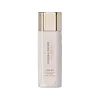
This sunscreen offers SPF 50 protection with a matte finish that helps control shine.
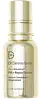
This barrier-repair serum is formulated around Niacinamide and Ectoin to strengthen the skin barrier and soften the look of wrinkles.

What's inside
What's inside
 Key Ingredients
Benefits
Concerns
Ingredients Side-by-side
Water
Skin ConditioningIsododecane
EmollientButyloctyl Salicylate
Skin Conditioning

Polymethylsilsesquioxane

Glycerin
Humectant


Butylene Glycol
Humectant
C12-15 Alkyl Benzoate
AntimicrobialNiacinamide
Smoothing









Fructooligosaccharides
Humectant
Beta Vulgaris Root Extract
Skin ConditioningSodium Polyacryloyldimethyl Taurate
Emulsion StabilisingGluconolactone
Chelating
Argania Spinosa Kernel Oil
Emollient


Acetyl Zingerone
Antioxidant
Parfum
Masking



Tocopherol
Antioxidant
Tocopheryl Acetate
Antioxidant
Acetyl Glucosamine
Skin Conditioning
Ectoin
Skin Conditioning
Acrylates/C10-30 Alkyl Acrylate Crosspolymer
Emulsion StabilisingBisabolol
Antioxidant
Sodium Benzoate
Masking
Potassium Hydroxide
BufferingPotassium Lactate
BufferingSodium Dilauramidoglutamide Lysine
HumectantLactic Acid
Buffering
Calcium Gluconate
HumectantGeraniol
Perfuming
Linalool
Perfuming
Water, Isododecane, Butyloctyl Salicylate, Polymethylsilsesquioxane, Glycerin, Butylene Glycol, C12-15 Alkyl Benzoate, Niacinamide, Fructooligosaccharides, Beta Vulgaris Root Extract, Sodium Polyacryloyldimethyl Taurate, Gluconolactone, Argania Spinosa Kernel Oil, Acetyl Zingerone, Parfum, Tocopherol, Tocopheryl Acetate, Acetyl Glucosamine, Ectoin, Acrylates/C10-30 Alkyl Acrylate Crosspolymer, Bisabolol, Sodium Benzoate, Potassium Hydroxide, Potassium Lactate, Sodium Dilauramidoglutamide Lysine, Lactic Acid, Calcium Gluconate, Geraniol, Linalool
Water
Skin ConditioningGlycerin
Humectant
Niacinamide
Smoothing
Butylene Glycol
Humectant
Ectoin
Skin Conditioning
Sodium Hyaluronate
Humectant
Hydrolyzed Sodium Hyaluronate
Skin Conditioning
Sodium Acetylated Hyaluronate
Humectant
Sodium Hyaluronate Crosspolymer
Humectant
Acetyl Hexapeptide-8
Humectant
Palmitoyl Tripeptide-1
Skin Conditioning
Palmitoyl Tetrapeptide-7
Skin Conditioning
Oligopeptide-2
Skin Conditioning
Saccharide Isomerate
Humectant
Camellia Sinensis Leaf Extract
Antimicrobial
Centella Asiatica Extract
Cleansing
Vitis Vinifera Seed Extract
Antimicrobial
Sodium Carboxymethyl Beta-Glucan
CleansingBakuchiol
Antimicrobial
Inonotus Obliquus Extract
Skin ConditioningTetrahydrocurcumin
Antioxidant
Ceramide NP
Skin Conditioning
Ceramide AP
Skin Conditioning
Ceramide EOP
Skin Conditioning
Phospholipids
Skin Conditioning
Sphingolipids
Emollient
Phytosphingosine
Skin Conditioning
Colloidal Oatmeal
Absorbent
Bisabolol
Antioxidant
Superoxide Dismutase
Antioxidant
Terminalia Ferdinandiana Fruit Extract
Antioxidant
Sodium PCA
Humectant
Glutathione
Squalane
Emollient
Caffeine
Skin Conditioning
Panthenol
Skin Conditioning
Butyrospermum Parkii Butter
Skin Conditioning

Aloe Barbadensis Leaf Juice
Skin Conditioning
Arnica Montana Flower Extract
Masking
Acetyl Glutamine
Skin ConditioningBifida Ferment Lysate
Skin Conditioning
Chamomilla Recutita Flower Extract
Masking
Withania Somnifera Root Extract
Skin Conditioning
Glycolic Acid
Buffering
Mandelic Acid
Antimicrobial
Lactobionic Acid
Buffering
Ethylhexylglycerin
Skin ConditioningCoco-Glucoside
Cleansing
Lauryl Glucoside
CleansingDecyl Glucoside
Cleansing
Polyglyceryl-10 Laurate
Skin Conditioning
Diheptyl Succinate
EmollientDimethicone
Emollient
Pentylene Glycol
Skin Conditioning
Sodium Lauroyl Lactylate
EmulsifyingPvm/Ma Decadiene Crosspolymer
Vp/Va Copolymer
Xanthan Gum
EmulsifyingPotassium Hydroxide
BufferingPolysorbate 20
Emulsifying
Dimethicone Crosspolymer
Emulsion Stabilising
Carbomer
Emulsion StabilisingCholesterol
Emollient
Capryloyl Glycerin/Sebacic Acid Copolymer
Skin ConditioningLeuconostoc/Radish Root Ferment Filtrate
Antimicrobial
Sodium Citrate
BufferingCitric Acid
Buffering
Sodium Metasilicate
BufferingGluconolactone
Chelating
Tetrasodium Glutamate Diacetate
ChelatingCaprylic/Capric Triglyceride
Masking
Jasminum Officinale Flower/Leaf Extract
Masking
Vitis Vinifera Fruit Extract
Skin ConditioningEugenia Caryophyllus Flower Extract
AstringentLavandula Angustifolia Flower/Leaf/Stem Extract
Masking
Raspberry Ketone
Masking
Phenoxyethanol
Preservative
Potassium Sorbate
Preservative
Water, Glycerin, Niacinamide, Butylene Glycol, Ectoin, Sodium Hyaluronate, Hydrolyzed Sodium Hyaluronate, Sodium Acetylated Hyaluronate, Sodium Hyaluronate Crosspolymer, Acetyl Hexapeptide-8, Palmitoyl Tripeptide-1, Palmitoyl Tetrapeptide-7, Oligopeptide-2, Saccharide Isomerate, Camellia Sinensis Leaf Extract, Centella Asiatica Extract, Vitis Vinifera Seed Extract, Sodium Carboxymethyl Beta-Glucan, Bakuchiol, Inonotus Obliquus Extract, Tetrahydrocurcumin, Ceramide NP, Ceramide AP, Ceramide EOP, Phospholipids, Sphingolipids, Phytosphingosine, Colloidal Oatmeal, Bisabolol, Superoxide Dismutase, Terminalia Ferdinandiana Fruit Extract, Sodium PCA, Glutathione, Squalane, Caffeine, Panthenol, Butyrospermum Parkii Butter, Aloe Barbadensis Leaf Juice, Arnica Montana Flower Extract, Acetyl Glutamine, Bifida Ferment Lysate, Chamomilla Recutita Flower Extract, Withania Somnifera Root Extract, Glycolic Acid, Mandelic Acid, Lactobionic Acid, Ethylhexylglycerin, Coco-Glucoside, Lauryl Glucoside, Decyl Glucoside, Polyglyceryl-10 Laurate, Diheptyl Succinate, Dimethicone, Pentylene Glycol, Sodium Lauroyl Lactylate, Pvm/Ma Decadiene Crosspolymer, Vp/Va Copolymer, Xanthan Gum, Potassium Hydroxide, Polysorbate 20, Dimethicone Crosspolymer, Carbomer, Cholesterol, Capryloyl Glycerin/Sebacic Acid Copolymer, Leuconostoc/Radish Root Ferment Filtrate, Sodium Citrate, Citric Acid, Sodium Metasilicate, Gluconolactone, Tetrasodium Glutamate Diacetate, Caprylic/Capric Triglyceride, Jasminum Officinale Flower/Leaf Extract, Vitis Vinifera Fruit Extract, Eugenia Caryophyllus Flower Extract, Lavandula Angustifolia Flower/Leaf/Stem Extract, Raspberry Ketone, Phenoxyethanol, Potassium Sorbate
Reviews
Ingredients Explained
These ingredients are found in both products.
Ingredients higher up in an ingredient list are typically present in a larger amount.
Bisabolol is a gentle skin conditioner, antioxidant, and soothing ingredient.
It's primary claim to fame is soothing and research shows topically applied bisabolol can quiet the chemical messengers that cause your skin to become inflamed, helping to sooth any irritation.
A clinical study found that applying 0.5% bisabolol daily for 8 weeks produced an average 9% decrease in skin pigmentation. Researchers found it can also suppress the process that leads to excess melanin production in skin.
In vitro studies found that bisabolol combined with propylene glycol significantly increased skin permeability by increasing lipid fluidity in the stratum corneum.
You'll likely see use concentrations quite low, usually 0.1-0.2%.
Overall, this is a well-tolerated ingredient that works well in formulas designed for sensitive, reactive, or post-procedure skin.
Learn more about BisabololButylene Glycol (or BG) is used within cosmetic products for a few different reasons:
Overall, Butylene Glycol is a safe and well-rounded ingredient that works well with other ingredients.
Though this ingredient works well with most skin types, some people with sensitive skin may experience a reaction such as allergic rashes, closed comedones, or itchiness.
Learn more about Butylene GlycolEctoin is a compound found naturally in some species of bacteria. It can be synthetically created for skincare use.
This ingredient is an osmolyte; Osmolytes help organisms survive osmotic shock (it protects them from extreme conditions). It does this by influencing the properties of biological fluids within cells.
When applied to the skin, ectoin helps bind water molecules to protect our skin. The water forms a sort of armor for the parts of our skin cells, enzymes, proteins, and more.
Besides this, ectoin has many uses in skincare:
A study from 2004 found ectoin to counteract the damage from UV-A exposure at different cell levels. It has also been shown to protect skin against both UV-A, UV-B rays, infrared light, and visible light.
Studies show ectoin to have dual-action pollution protection: first, it protects our skin from further pollution damage. Second, it helps repair damage from pollution.
In fact, ectoin has been shown to help with:
Fun fact: In the EU, ectoin is used in inhalation medication as an anti-pollution ingredient.
Ectoin is a highly stable ingredient. It has a wide pH range of 1-9. Light, oxygen, and temperature do not affect this ingredient.
The chemical name for this ingredient is Tetrahydromethylpyrimidine Carboxylic Acid.
Learn more about EctoinGluconolactone is a PHA. PHAs are a great gentle alternative to traditional AHAs.
When applied, Gluconolactone has the same affect on skin as AHAs such as lactic acid. It helps dissolve the dead skin cells in the top layer of your skin. This improves texture and brightens the skin.
PHAs are more gentle than AHAs due to their larger structure. They do not penetrate as deeply as AHAs and take a longer time to dissolve dead cells. Studies show PHAs do not cause as much irritation.
Gluconolactone has some interesting properties:
In a 2004 study, Gluconolactone was found to prevent UV damage in mouse skin cells and has not been found to increase sun sensitivity. However, we still recommend wearing SPF daily.
This ingredient is is an created by reacting gluconic acid with an alcohol.
Learn more about GluconolactoneGlycerin (or glycerol) is a compound naturally found in your skin. It's a powerhouse humectant that pulls water into the stratum corneum.
Topically, glycerin does several things at once:
Your skin makes glycerin on its own (mostly from sebaceous oil breakdown) and shuttles it to your outermost layer of skin, or your epidermis, via aquaporin-3.
Aquaporin-3 is a transporter that is essential for normal skin hydration, elasticity, and repair. Interestingly, mice lacking in AQP3 have dry and less elastic skin that can be fully corrected with glycerin.
This ingredient is non-irritating, plays well with almost every ingredient, and works across all skin types. Typical use is anywhere between 3-10% but can go up to 79% in some leave-on products.
Just know very high concentrations (>40%) can feel tacky in low humidity.
Glycerin is the name for this ingredient in American English. British English uses Glycerol/Glycerine.
Learn more about GlycerinNiacinamide is a multitasking form of vitamin B3 that strengthens the skin barrier, reduces pores and dark spots, regulates oil, and improves signs of aging.
And the best part? It's gentle and well-tolerated by most skin types, including sensitive and reactive skin.
You might have heard of "niacin flush", or the reddening of skin that causes itchiness. Niacinamide has not been found to cause this.
In very rare cases, some individuals may not be able to tolerate niacinamide at all or experience an allergic reaction to it.
If you are experiencing flaking, irritation, and dryness with this ingredient, be sure to double check all your products as this ingredient can be found in all categories of skincare.
When incorporating niacinamide into your routine, look out for concentration amounts. Typically, 5% niacinamide provides benefits such as fading dark spots. However, if you have sensitive skin, it is better to begin with a smaller concentration.
When you apply niacinamide to your skin, your body converts it into nicotinamide adenine dinucleotide (NAD). NAD is an essential coenzyme that is already found in your cells as "fuel" and powers countless biological processes.
In your skin, NAD helps repair cell damage, produce new healthy cells, support collagen production, strengthen the skin barrier, and fight environmental stressors (like UV and pollution).
Our natural NAD levels start to decline with age, leading to slower skin repair, visible aging, and a weaker skin barrier. By providing your skin niacinamide, you're recharging your skin's NAD levels. This leads to stronger, healthier, and younger looking skin.
Another name for vitamin B3 is nicotinamide. This vitamin is water-soluble and our bodies don't store it. We obtain Vitamin B3 from either food or skincare. Meat, fish, wheat, yeast, and leafy greens contain vitamin B3.
The type of niacinamide used in skincare is synthetically created.
Learn more about NiacinamidePotassium Hydroxide (also known as potash) is a strong alkaline ingredient that does one job: it nudges a product's pH up so the whole formula lands in a skin-friendly range.
It's also the base that turns oils into liquid soap during the soap making process.
An expert safety panel reviewed it and found it safe when formulations are made to be non-irritating.
As a pH adjuster, it's typically used well under 1% though regulatory caps go much higher: 5% in nail cuticle removers and 2-4.5% in hair straighteners.
Though there is some concern for irritation from raw or high pH material, a well-balanced formula will be a non-issue for the vast majority of people.
Learn more about Potassium HydroxideWater. It's the most common cosmetic ingredient of all. You'll usually see it at the top of ingredient lists, meaning that it makes up the largest part of the product.
So why is it so popular? Water most often acts as a solvent - this means that it helps dissolve other ingredients into the formulation.
You'll also recognize water as that liquid we all need to stay alive. If you see this, drink a glass of water. Remember to stay hydrated!
Learn more about Water

