
What's inside
What's inside
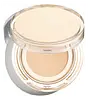 Key Ingredients
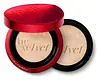
Benefits
Concerns
Ingredients Side-by-side
Betula Platyphylla Japonica Juice
Skin Conditioning
Dibutyl Adipate
EmollientTitanium Dioxide
Cosmetic Colorant

Propanediol
Solvent
Water
Skin ConditioningEthylhexyl Salicylate
UV Absorber
Alcohol Denat.
Antimicrobial




Homosalate
Skin Conditioning
Ethylhexyl Triazone
UV Absorber
Butyloctyl Salicylate
Skin Conditioning
Niacinamide
Smoothing










Diethylamino Hydroxybenzoyl Hexyl Benzoate
UV Filter
Coco-Caprylate/Caprate
Emollient
1,2-Hexanediol
Skin Conditioning
Caprylic/Capric Triglyceride
Masking
Panthenol
Skin Conditioning
Hydrogenated Lecithin
Emulsifying
Sodium Hyaluronate
Humectant
Pentylene Glycol
Skin Conditioning
Polyhydroxystearic Acid
Emulsifying
Sorbitan Sesquioleate
Emulsifying
Behenyl Alcohol
Emollient
Isononyl Isononanoate
EmollientAmmonium Acryloyldimethyltaurate/Vp Copolymer
Sodium Acrylate/Sodium Acryloyldimethyl Taurate Copolymer
Emulsion StabilisingTriethoxycaprylylsilane

Butylene Glycol
Humectant
Aluminum Hydroxide
EmollientHydroxypropyl Methylcellulose Stearoxy Ether
Polyacrylate Crosspolymer-6
Emulsion StabilisingPolyisobutene
Sodium Stearoyl Glutamate
CleansingEthylhexylglycerin
Skin ConditioningPEG-240/Hdi Copolymer Bis-Decyltetradeceth-20 Ether
StabilisingAlumina
Abrasive
Stearic Acid
Cleansing
Adenosine
Skin Conditioning
Sorbitan Oleate
Emulsifying
Caprylyl/Capryl Glucoside
CleansingT-Butyl Alcohol
Perfuming
Tocopherol
Antioxidant

Potassium Laurate
EmulsifyingGlycerin
Humectant
Polyglyceryl-10 Stearate
Skin Conditioning
Sodium Ascorbyl Phosphate
Antioxidant
Ascorbic Acid
Antioxidant
Tocopheryl Acetate
Antioxidant
Dimethylsilanol Hyaluronate
HumectantRetinyl Palmitate
Skin Conditioning
Biotin
AntiseborrhoeicCyanocobalamin
Skin ConditioningSodium Acetylated Hyaluronate
Humectant
Sodium Hyaluronate Dimethylsilanol
HumectantSodium Hyaluronate Crosspolymer
Humectant
Thiamine Hcl
MaskingPotassium Hyaluronate
Skin ConditioningFolic Acid
Skin ConditioningPyridoxine
Skin ConditioningHydroxypropyltrimonium Hyaluronate
Hydrolyzed Sodium Hyaluronate
Skin Conditioning
Hydrolyzed Hyaluronic Acid
Humectant
Hyaluronic Acid
Humectant
Parfum
Masking
CI 77492
Cosmetic ColorantCI 77491
Cosmetic ColorantCI 77499
Cosmetic ColorantBetula Platyphylla Japonica Juice, Dibutyl Adipate, Titanium Dioxide, Propanediol, Water, Ethylhexyl Salicylate, Alcohol Denat., Homosalate, Ethylhexyl Triazone, Butyloctyl Salicylate, Niacinamide, Diethylamino Hydroxybenzoyl Hexyl Benzoate, Coco-Caprylate/Caprate, 1,2-Hexanediol, Caprylic/Capric Triglyceride, Panthenol, Hydrogenated Lecithin, Sodium Hyaluronate, Pentylene Glycol, Polyhydroxystearic Acid, Sorbitan Sesquioleate, Behenyl Alcohol, Isononyl Isononanoate, Ammonium Acryloyldimethyltaurate/Vp Copolymer, Sodium Acrylate/Sodium Acryloyldimethyl Taurate Copolymer, Triethoxycaprylylsilane, Butylene Glycol, Aluminum Hydroxide, Hydroxypropyl Methylcellulose Stearoxy Ether, Polyacrylate Crosspolymer-6, Polyisobutene, Sodium Stearoyl Glutamate, Ethylhexylglycerin, PEG-240/Hdi Copolymer Bis-Decyltetradeceth-20 Ether, Alumina, Stearic Acid, Adenosine, Sorbitan Oleate, Caprylyl/Capryl Glucoside, T-Butyl Alcohol, Tocopherol, Potassium Laurate, Glycerin, Polyglyceryl-10 Stearate, Sodium Ascorbyl Phosphate, Ascorbic Acid, Tocopheryl Acetate, Dimethylsilanol Hyaluronate, Retinyl Palmitate, Biotin, Cyanocobalamin, Sodium Acetylated Hyaluronate, Sodium Hyaluronate Dimethylsilanol, Sodium Hyaluronate Crosspolymer, Thiamine Hcl, Potassium Hyaluronate, Folic Acid, Pyridoxine, Hydroxypropyltrimonium Hyaluronate, Hydrolyzed Sodium Hyaluronate, Hydrolyzed Hyaluronic Acid, Hyaluronic Acid, Parfum, CI 77492, CI 77491, CI 77499
Water
Skin ConditioningCyclopentasiloxane
Emollient
CI 77891
Cosmetic ColorantEthylhexyl Methoxycinnamate
UV Absorber
Dimethicone
Emollient
Propanediol
Solvent
Polymethyl Methacrylate
Alcohol Denat.
Antimicrobial
Diisopropyl Sebacate
EmollientPEG/PPG-18/18 Dimethicone
Emulsifying
Zinc Oxide
Cosmetic Colorant
Titanium Dioxide
Cosmetic Colorant
Disteardimonium Hectorite
StabilisingIsododecane
EmollientGlycerin
Humectant
Sodium Chloride
MaskingAlumina
Abrasive
Vinyl Dimethicone/Methicone Silsesquioxane Crosspolymer
Acrylates/Ethylhexyl Acrylate/Dimethicone Methacrylate Copolymer
Skin Conditioning
Acrylates/Polytrimethylsiloxymethacrylate Copolymer
Skin ConditioningCI 77492
Cosmetic ColorantAcrylates/Dimethicone Copolymer
Skin Conditioning
PEG-10 Dimethicone
Skin Conditioning
1,2-Hexanediol
Skin Conditioning
Nylon-6/12
AbsorbentAluminum Hydroxide
EmollientTriethoxycaprylylsilane
Parfum
Masking
Caprylyl Glycol
Emollient
Stearic Acid
Cleansing
Polysilicone-11
CI 77491
Cosmetic ColorantGlyceryl Caprylate
EmollientOryza Sativa Bran Wax
Skin Conditioning
Disodium EDTA
CI 77499
Cosmetic ColorantButylene Glycol
Humectant
Panthenol
Skin Conditioning
Gluconolactone
Skin Conditioning
BHT
Antioxidant
Water, Cyclopentasiloxane, CI 77891, Ethylhexyl Methoxycinnamate, Dimethicone, Propanediol, Polymethyl Methacrylate, Alcohol Denat., Diisopropyl Sebacate, PEG/PPG-18/18 Dimethicone, Zinc Oxide, Titanium Dioxide, Disteardimonium Hectorite, Isododecane, Glycerin, Sodium Chloride, Alumina, Vinyl Dimethicone/Methicone Silsesquioxane Crosspolymer, Acrylates/Ethylhexyl Acrylate/Dimethicone Methacrylate Copolymer, Acrylates/Polytrimethylsiloxymethacrylate Copolymer, CI 77492, Acrylates/Dimethicone Copolymer, PEG-10 Dimethicone, 1,2-Hexanediol, Nylon-6/12, Aluminum Hydroxide, Triethoxycaprylylsilane, Parfum, Caprylyl Glycol, Stearic Acid, Polysilicone-11, CI 77491, Glyceryl Caprylate, Oryza Sativa Bran Wax, Disodium EDTA, CI 77499, Butylene Glycol, Panthenol, Gluconolactone, BHT
Reviews
Ingredients Explained
These ingredients are found in both products.
Ingredients higher up in an ingredient list are typically present in a larger amount.
1,2-Hexanediol is a synthetic liquid and another multi-functional powerhouse.
It is a:
- Humectant, drawing moisture into the skin
- Emollient, helping to soften skin
- Solvent, dispersing and stabilizing formulas
- Preservative booster, enhancing the antimicrobial activity of other preservatives
Alcohol Denat. is an alcohol with a denaturant property. It is created by mixing ethanol with other additives.
The "denat" part just means "denatured"; common denaturants include Denatonium Benzoate, t-butyl alcohol, and Diethyl Phthalate. This step makes the alcohol undrinkable (and lets brand skip taxes related to beverage alcohol).
This ingredient gets a bad rep because it is irritating and drying due to its astringent property. Astringents draw out natural oils in tissue to constrict pores and dry out your skin.
However, alcohol denat. is not all that bad.
Due to its low molecular weight, alcohol denat. tends to evaporate quickly. One study on pig skin found half of applied alcohol evaporated in 10 seconds and less than 3% stayed on skin.
This also helps other ingredients become better absorbed upon application.
Studies are conflicted about whether this ingredient causes skin dehydration. One study from 2005 found adding emollients to propanol-based sanitizer decreased skin dryness and irritation. Another study found irritation only occurs if your skin is already damaged.
Small amounts of alcohol are generally tolerated by oily skin or people who live in humid environments.
The rule of thumb is this ingredient will probably not affect your skin much if it is near the end of an ingredients list.
One thing to note:
People with ALDH2 (aldehyde dehydrogenase 2) deficiency may experience skin irritation from continued alcohol use. About 8% of the world's population have this deficiency.
The Cosmetic Ingredient Review Expert Panel has determined denatured alcohols to be safe for use in concentrations between 0.05% and 12% (depending on which denaturant is used).
Also...
This ingredient has antimicrobial and solvent properties.
The antimicrobial property helps preserve products and increase their shelf life. As a solvent, it helps dissolve other ingredients.
Look for formulas that contain glycerin, hyaluronic acid, or panthenol if you want to offset any drying effect.
This ingredient will trip away your skin's natural oils/lipids that help it lock in moisture. This can worsen dryness, trigger eczema flare-ups, and aggravate rosacea.
Be sure to patch test any product with this ingredient if you have dry or sensitive skin, eczema, or rosacea.
Learn more about Alcohol Denat.Alumina is another name for the compound aluminum oxide. It is a white powder used as a thickener, absorbent, and abrasive.
As an absorbent, alumina can give a mattifying effect. It is used in mineral sunscreens to help coat nano-sized filters, such as titanium dioxide. By increasing the size of the UV filters, these ingredients stay on the skin for a longer time. By coating small sized ingredients, alumina helps thicken a product.
Alumina may be used as an abrasive, or exfoliant.
Alumina is naturally occurring in the mineral corundum. Certain varieties of corundum create rubies and sapphires. Corundum is also the crystalline form of alumina.
Learn more about AluminaAluminum Hydroxide is a form of aluminum. It can be naturally found in nature as the mineral gibbsite. In cosmetics, Aluminum Hydroxide is used as a colorant, pH adjuster, and absorbent.
As a colorant, Aluminum Hydroxide may add opacity, or reduce the transparency. Aluminum hydroxide is contains both basic and acidic properties.
According to manufacturers, this ingredient is an emollient and humectant. This means it helps hydrate the skin.
In medicine, this ingredient is used to help relieve heartburn and help heal ulcers.
There is currently no credible scientific evidence linking aluminum hydroxide in cosmetics to increased cancer risk.
Major health organizations allow the use of aluminum hydroxide in personal care products and have not flagged it as a carcinogenic risk at typical usage levels.
Learn more about Aluminum HydroxideButylene Glycol (or BG) is used within cosmetic products for a few different reasons:
Overall, Butylene Glycol is a safe and well-rounded ingredient that works well with other ingredients.
Though this ingredient works well with most skin types, some people with sensitive skin may experience a reaction such as allergic rashes, closed comedones, or itchiness.
Learn more about Butylene GlycolCi 77491 is also hydrated iron III oxide. It's sole purpose is to give a red/pink hue to products.
Iron III oxides are classified as inorganic chemicals for coloring.
Synthetically created Ci 77491 is considered safer than those naturally found. This is because the synthetically created version may contain less impurities. Iron oxides are generally non-toxic and non-allergenic.
Learn more about CI 77491CI 77492 is also hydrated iron III oxide. It's sole purpose is to give a yellow hue to products.
Iron III oxides are classified as inorganic chemicals for coloring.
Synthetically created CI 77492 is considered safer than those naturally found. This is because the synthetically created version may contain less impurities. Iron oxides are generally non-toxic and non-allergenic.
Learn more about CI 77492Ci 77499 is also hydrated iron III oxide. It is created from mixing red and black iron oxides. This helps give shades of darkness to a product.
Iron III oxides are classified as inorganic chemicals for coloring.
Glycerin (or glycerol) is a compound naturally found in your skin. It's a powerhouse humectant that pulls water into the stratum corneum.
Topically, glycerin does several things at once:
Your skin makes glycerin on its own (mostly from sebaceous oil breakdown) and shuttles it to your outermost layer of skin, or your epidermis, via aquaporin-3.
Aquaporin-3 is a transporter that is essential for normal skin hydration, elasticity, and repair. Interestingly, mice lacking in AQP3 have dry and less elastic skin that can be fully corrected with glycerin.
This ingredient is non-irritating, plays well with almost every ingredient, and works across all skin types. Typical use is anywhere between 3-10% but can go up to 79% in some leave-on products.
Just know very high concentrations (>40%) can feel tacky in low humidity.
Glycerin is the name for this ingredient in American English. British English uses Glycerol/Glycerine.
Learn more about GlycerinPanthenol is a common ingredient that helps hydrate and soothe the skin. It is found naturally in our skin and hair.
There are two forms of panthenol: D and L.
D-panthenol is also known as dexpanthenol. Most cosmetics use dexpanthenol or a mixture of D and L-panthenol.
Panthenol is famous due to its ability to go deeper into the skin's layers. Using this ingredient has numerous pros (and no cons):
Like hyaluronic acid, panthenol is a humectant. Humectants are able to bind and hold large amounts of water to keep skin hydrated.
This ingredient works well for wound healing. It works by increasing tissue in the wound and helps close open wounds.
Once oxidized, panthenol converts to pantothenic acid. Panthothenic acid is found in all living cells.
This ingredient is also referred to as pro-vitamin B5.
Learn more about PanthenolParfum is a catch-all term for an ingredient or more that is used to give a scent to products.
Also called "fragrance", this ingredient can be a blend of hundreds of chemicals or plant oils. This means every product with "fragrance" or "parfum" in the ingredients list is a different mixture.
For instance, Habanolide is a proprietary trade name for a specific aroma chemical. When used as a fragrance ingredient in cosmetics, most aroma chemicals fall under the broad labeling category of “FRAGRANCE” or “PARFUM” according to EU and US regulations.
The term 'parfum' or 'fragrance' is not regulated in many countries. In many cases, it is up to the brand to define this term.
For instance, many brands choose to label themselves as "fragrance-free" because they are not using synthetic fragrances. However, their products may still contain ingredients such as essential oils that are considered a fragrance by INCI standards.
One example is Calendula flower extract. Calendula is an essential oil that still imparts a scent or 'fragrance'.
Depending on the blend, the ingredients in the mixture can cause allergies and sensitivities on the skin. Some ingredients that are known EU allergens include linalool and citronellol.
Parfum can also be used to mask or cover an unpleasant scent.
The bottom line is: not all fragrances/parfum/ingredients are created equally. If you are worried about fragrances, we recommend taking a closer look at an ingredient. And of course, we always recommend speaking with a professional.
Learn more about ParfumPropanediol is an all-star ingredient. It softens, hydrates, and smooths the skin.
It’s often used to:
Propanediol is not likely to cause sensitivity and considered safe to use. It is derived from corn or petroleum with a clear color and no scent.
Learn more about PropanediolStearic Acid is a fatty acid that is already found in your skin. It's one of the free fatty acids that works alongside ceramides and cholesterols to maintain your barrier.
In cosmetics, it is a multitasker:
Safety-wise, the CIR Expert Panel has concluded it to be safe in cosmetics when formulated to be non-irritating and non-sensitizing.
Free stearic acid is a C18 fatty acid that the Malassezia yeast can substrate, so this ingredient may not be fungal acne safe.
Learn more about Stearic AcidTitanium dioxide is a mineral UV filter widely used in sunscreens and cosmetics.
It is one of only two UV filters officially classified as “mineral” by regulatory agencies, the other being zinc oxide.
Titanium dioxide provides broad-spectrum protection mostly in the UVB and UVAII range, with some protection in the UVAI range.
While its UVA protection isn’t as strong as zinc oxide’s, the difference is minor.
A common myth is that mineral UV filters reflect UV light. However, modern research shows titanium dioxide absorbs UV radiation like chemical filters (~95% absorption & 5% reflection).
Thanks to its non-irritating nature, titanium dioxide is suitable for sensitive, acne-prone, or redness-prone skin. It is unlikely to cause "eye sting" like other sunscreen ingredients.
A major drawback of this ingredient is its white cast and thick texture. This is why mineral sunscreens often leave a white cast and are less cosmetically elegant than chemical/hybrid sunscreens.
To improve white cast and spreadability, micronized or nano-sized titanium dioxide is often used.
There are ongoing concerns surrounding nano-titanium oxide's impact on marine ecosystems.
There is no conclusive evidence that any form of titanium oxide (or any other sunscreen ingredients) will cause harm to marine ecosystems or coral reefs. The science is still developing but many consumers are keeping a close eye on this issue.
Please note, many destinations have reef-safety sunscreen rules. For instance, the U.S. Virgin Islands advises all visitors to use non-nano mineral sunscreens.
Nano mineral sunscreens once raised safety concerns about absorption into skin.
Extensive research has shown that they do not penetrate healthy or damaged skin; they remain safely on the surface and the top layer of dead skin (stratum corneum).
You'll likely find titanium dioxide bundled with alumina, silica, or dimethicone. These ingredients help make titanium dioxide highly photostable; this prevents it from interacting with other formula components under UV light.
Learn more about Titanium DioxideTriethoxycaprylylsilane is a silicon-based surface modifier that makes sunscreens feel silky and makeup stay put.
Its main job is to coat mineral particles like titanium dioxide, zinc oxide, and color pigments in a thin, oily layer so they spread smoothly, don't clump, and stick to skin better.
This ingredient is typically used at low levels (up to 2.5% in eyeshadow and 1% in lipstick).
Learn more about TriethoxycaprylylsilaneWater. It's the most common cosmetic ingredient of all. You'll usually see it at the top of ingredient lists, meaning that it makes up the largest part of the product.
So why is it so popular? Water most often acts as a solvent - this means that it helps dissolve other ingredients into the formulation.
You'll also recognize water as that liquid we all need to stay alive. If you see this, drink a glass of water. Remember to stay hydrated!
Learn more about Water
