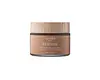
This calming moisturizer is formulated around Propolis Extract and Niacinamide to calm redness and strengthen the skin barrier.
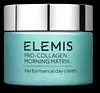
This anti-aging day moisturizer is formulated around Squalane to soften the look of wrinkles and hydrate skin.


What's inside
What's inside
 Key Ingredients
Benefits
Concerns
Ingredients Side-by-side
Hippophae Rhamnoides Water
Masking
Glycerin
Humectant


Propolis Extract
Skin Conditioning



Niacinamide
Smoothing






Butylene Glycol
Humectant
Coptis Chinensis Root Extract
Antioxidant
1,2-Hexanediol
Skin Conditioning
Bifida Ferment Filtrate
Skin Conditioning
Paeonia Albiflora Root Extract
Skin ConditioningCurcuma Longa Leaf Extract
Skin ConditioningCamellia Sinensis Leaf Extract
Antimicrobial
Houttuynia Cordata Extract
Skin Conditioning
Hippophae Rhamnoides Fruit Extract
Skin Conditioning
Honey
Humectant
Carbomer
Emulsion StabilisingPolysorbate 80
Emulsifying

Hydrolyzed Collagen
Emollient
Glycyrrhiza Uralensis Root Extract
Skin Conditioning
Acer Mono Sap
Skin ConditioningSophora Flavescens Root Extract
Antioxidant
Chaenomeles Sinensis Fruit Extract
Antioxidant
Magnolia Kobus Flower Extract
Antioxidant
Centella Asiatica Extract
Cleansing
Morus Alba Bark Extract
Skin ConditioningAloe Barbadensis Leaf Extract
Emollient
Salicornia Herbacea Extract
Skin ConditioningScutellaria Baicalensis Root Extract
Astringent
Potassium Hydroxide
BufferingCarrageenan



Glyceryl Caprylate
EmollientAllantoin
Skin Conditioning
Trehalose
Humectant
Parfum
Masking

Citrus Limon Peel Oil
Masking



Dipotassium Glycyrrhizate
Humectant
Citrus Aurantifolia Oil
Cleansing
Sodium Hyaluronate
Humectant
Myristic Acid
Cleansing
Cetyl Alcohol
Emollient

Arginine
Masking
Ethylhexylglycerin
Skin ConditioningHydrogenated Lecithin
Emulsifying
Hippophae Rhamnoides Water, Glycerin, Propolis Extract, Niacinamide, Butylene Glycol, Coptis Chinensis Root Extract, 1,2-Hexanediol, Bifida Ferment Filtrate, Paeonia Albiflora Root Extract, Curcuma Longa Leaf Extract, Camellia Sinensis Leaf Extract, Houttuynia Cordata Extract, Hippophae Rhamnoides Fruit Extract, Honey, Carbomer, Polysorbate 80, Hydrolyzed Collagen, Glycyrrhiza Uralensis Root Extract, Acer Mono Sap, Sophora Flavescens Root Extract, Chaenomeles Sinensis Fruit Extract, Magnolia Kobus Flower Extract, Centella Asiatica Extract, Morus Alba Bark Extract, Aloe Barbadensis Leaf Extract, Salicornia Herbacea Extract, Scutellaria Baicalensis Root Extract, Potassium Hydroxide, Carrageenan, Glyceryl Caprylate, Allantoin, Trehalose, Parfum, Citrus Limon Peel Oil, Dipotassium Glycyrrhizate, Citrus Aurantifolia Oil, Sodium Hyaluronate, Myristic Acid, Cetyl Alcohol, Arginine, Ethylhexylglycerin, Hydrogenated Lecithin
Water
Skin ConditioningGlycerin
Humectant
Vegetable Oil
Skin Conditioning
Propanediol
Solvent
Behenyl Alcohol
Emollient
Squalane
Emollient
Octyldodecanol
Emollient
Butylene Glycol
Humectant
Dicaprylyl Carbonate
EmollientHelianthus Annuus Seed Oil
Emollient
Phenoxyethanol
Preservative
Acrylates/C10-30 Alkyl Acrylate Crosspolymer
Emulsion StabilisingBeheneth-25
CleansingGlyceryl Acrylate/Acrylic Acid Copolymer
HumectantSodium Hydroxide
BufferingBenzoic Acid
Masking
Lavandula Angustifolia Oil
Masking
Disodium EDTA
ChelatingDunaliella Salina Extract
Skin ConditioningRhizobian Gum
Sodium Hyaluronate
Humectant
Dehydroacetic Acid
Preservative
Lavandula Hybrida Oil
Emollient
Pelargonium Graveolens Flower Oil
Masking
Padina Pavonica Thallus Extract
Skin ConditioningEucalyptus Globulus Leaf Oil
Perfuming
Chlorphenesin
Antimicrobial
Plankton Extract
Skin ConditioningAnthemis Nobilis Flower Oil
Masking
Potassium Sorbate
Preservative
Sodium Benzoate
Masking
Caramel
Cosmetic ColorantMentha Arvensis Leaf Oil
Masking
Tocopherol
Antioxidant
Xanthan Gum
EmulsifyingCollagen Amino Acids
Moisturising
Caprylyl Glycol
Emollient
Citrus Aurantium Dulcis Oil
Masking
Parfum
Masking
Tephrosia Purpurea Seed Extract
Skin ConditioningVitis Vinifera Seed Oil
Emollient
Leuconostoc/Radish Root Ferment Filtrate
Antimicrobial
Menthol
Masking
Eugenia Caryophyllus Leaf Oil
Masking
Glyceryl Caprylate
EmollientLactic Acid/Glycolic Acid Copolymer
Skin ConditioningPhenylpropanol
Masking
Polyvinyl Alcohol
Hydroxyproline
Skin ConditioningProline
Skin Conditioning
Alanine
Masking
Lysine
Skin ConditioningSerine
Masking
Threonine
Linalool
Perfuming
Geraniol
Perfuming
Limonene
Perfuming
Water, Glycerin, Vegetable Oil, Propanediol, Behenyl Alcohol, Squalane, Octyldodecanol, Butylene Glycol, Dicaprylyl Carbonate, Helianthus Annuus Seed Oil, Phenoxyethanol, Acrylates/C10-30 Alkyl Acrylate Crosspolymer, Beheneth-25, Glyceryl Acrylate/Acrylic Acid Copolymer, Sodium Hydroxide, Benzoic Acid, Lavandula Angustifolia Oil, Disodium EDTA, Dunaliella Salina Extract, Rhizobian Gum, Sodium Hyaluronate, Dehydroacetic Acid, Lavandula Hybrida Oil, Pelargonium Graveolens Flower Oil, Padina Pavonica Thallus Extract, Eucalyptus Globulus Leaf Oil, Chlorphenesin, Plankton Extract, Anthemis Nobilis Flower Oil, Potassium Sorbate, Sodium Benzoate, Caramel, Mentha Arvensis Leaf Oil, Tocopherol, Xanthan Gum, Collagen Amino Acids, Caprylyl Glycol, Citrus Aurantium Dulcis Oil, Parfum, Tephrosia Purpurea Seed Extract, Vitis Vinifera Seed Oil, Leuconostoc/Radish Root Ferment Filtrate, Menthol, Eugenia Caryophyllus Leaf Oil, Glyceryl Caprylate, Lactic Acid/Glycolic Acid Copolymer, Phenylpropanol, Polyvinyl Alcohol, Hydroxyproline, Proline, Alanine, Lysine, Serine, Threonine, Linalool, Geraniol, Limonene
Ingredients Explained
These ingredients are found in both products.
Ingredients higher up in an ingredient list are typically present in a larger amount.
Butylene Glycol (or BG) is used within cosmetic products for a few different reasons:
Overall, Butylene Glycol is a safe and well-rounded ingredient that works well with other ingredients.
Though this ingredient works well with most skin types, some people with sensitive skin may experience a reaction such as allergic rashes, closed comedones, or itchiness.
Learn more about Butylene GlycolGlycerin (or glycerol) is a compound naturally found in your skin. It's a powerhouse humectant that pulls water into the stratum corneum.
Topically, glycerin does several things at once:
Your skin makes glycerin on its own (mostly from sebaceous oil breakdown) and shuttles it to your outermost layer of skin, or your epidermis, via aquaporin-3.
Aquaporin-3 is a transporter that is essential for normal skin hydration, elasticity, and repair. Interestingly, mice lacking in AQP3 have dry and less elastic skin that can be fully corrected with glycerin.
This ingredient is non-irritating, plays well with almost every ingredient, and works across all skin types. Typical use is anywhere between 3-10% but can go up to 79% in some leave-on products.
Just know very high concentrations (>40%) can feel tacky in low humidity.
Glycerin is the name for this ingredient in American English. British English uses Glycerol/Glycerine.
Learn more about GlycerinGlyceryl Caprylate comes from glycerin and caprylic acid. It is an emollient, co-emulsifier, and preservative booster.
Its short C8 fatty acid chain makes it behave differently from its longer-chain emollient cousins like Glyceryl Stearate. It feels more lightweight, fast-absorbing, and silky instead of rich and waxy.
As a co-emulsifier, its "head" and "tail" sit at the oil-water interface. But overall, the short C8 tail and not being water soluble means it doesn't really have the muscle to emulsify a formula on its own. That's why you'll often see it paired with a primary emulsifier like Cetearyl Glucoside.
Interestingly, Glyceryl Caprylate acts as a preservative booster. This is because its fatty-acid backbone disrupts microbial lipid membranes. It shows excellent activity against bacteria and yeast but is weaker against mold.
Typical concentrations range from 0.5-1% and this ingredient is generally non-irritating.
Because this ingredient has a C8 fatty acid chain, it is outside the range that the Malassezia yeast metabolizes (making it fungal acne safe).
Learn more about Glyceryl CaprylateParfum is a catch-all term for an ingredient or more that is used to give a scent to products.
Also called "fragrance", this ingredient can be a blend of hundreds of chemicals or plant oils. This means every product with "fragrance" or "parfum" in the ingredients list is a different mixture.
For instance, Habanolide is a proprietary trade name for a specific aroma chemical. When used as a fragrance ingredient in cosmetics, most aroma chemicals fall under the broad labeling category of “FRAGRANCE” or “PARFUM” according to EU and US regulations.
The term 'parfum' or 'fragrance' is not regulated in many countries. In many cases, it is up to the brand to define this term.
For instance, many brands choose to label themselves as "fragrance-free" because they are not using synthetic fragrances. However, their products may still contain ingredients such as essential oils that are considered a fragrance by INCI standards.
One example is Calendula flower extract. Calendula is an essential oil that still imparts a scent or 'fragrance'.
Depending on the blend, the ingredients in the mixture can cause allergies and sensitivities on the skin. Some ingredients that are known EU allergens include linalool and citronellol.
Parfum can also be used to mask or cover an unpleasant scent.
The bottom line is: not all fragrances/parfum/ingredients are created equally. If you are worried about fragrances, we recommend taking a closer look at an ingredient. And of course, we always recommend speaking with a professional.
Learn more about ParfumSodium Hyaluronate is the salt form of hyaluronic acid. It is a long sugar chain that is naturally found in your skin, joints, and connective tissue that maintains hydration and elasticity.
In skincare, it works as a humectant. It pulls water from the environment and deeper layers of skin and binds it to the surface.
Interestingly, the size of the molecule affects its behavior:
Some clinical evidence links low molecular weight versions to improved wrinkle depth, elasticity, anti-inflammatory effects, and barrier repair.
Many serums use a blend of both weights so you can get surface hydration plus longer-lasting and deeper effects.
You'll typically see concentrations between 0.1-2% for this ingredient.
Learn more about Sodium Hyaluronate

