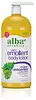
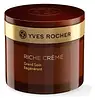
Alba Botanica Unscented Alba Very Emollient Body Lotion Versus Yves Rocher Riche Creme Intensive Regenerating Care
This barrier-repair moisturizer is formulated around Carthamus Tinctorius Seed Oil and Butyrospermum Parkii Butter to strengthen the skin barrier and hydrate skin.
This barrier-repair moisturizer is formulated around Cocos Nucifera Oil and Simmondsia Chinensis Seed Oil to strengthen the skin barrier and hydrate skin.


What's inside
What's inside
 Key Ingredients
Benefits
Concerns
Ingredients Side-by-side
Water
Skin ConditioningGlycerin
Humectant


Glyceryl Stearate Se
Emulsifying




Carthamus Tinctorius Seed Oil
Masking
Sesamum Indicum Seed Oil
Emollient
Cetyl Alcohol
Emollient

Dimethicone
Emollient
Ethylhexyl Stearate
Emollient
Cetearyl Alcohol
Emollient
Butyrospermum Parkii Butter
Skin Conditioning
Persea Gratissima Oil
Skin Conditioning
Simmondsia Chinensis Seed Oil
Emollient
Vitis Vinifera Seed Oil
Emollient
Aloe Barbadensis Leaf Juice
Skin Conditioning
Camellia Sinensis Leaf Extract
Antimicrobial




Chamomilla Recutita Flower Extract
Masking
Cucumis Sativus Fruit Extract
Emollient
Echinacea Angustifolia Extract
MoisturisingLavandula Angustifolia Extract
Skin Conditioning

Allantoin
Skin Conditioning
Panthenol
Skin Conditioning
Tocopheryl Acetate
Antioxidant
Lecithin
Emollient
Polysorbate 60
Emulsifying
Potassium Hydroxide
BufferingXanthan Gum
EmulsifyingAlcohol
Antimicrobial

Benzoic Acid
Masking
Dehydroacetic Acid
Preservative
Phenoxyethanol
Preservative
Water, Glycerin, Glyceryl Stearate Se, Carthamus Tinctorius Seed Oil, Sesamum Indicum Seed Oil, Cetyl Alcohol, Dimethicone, Ethylhexyl Stearate, Cetearyl Alcohol, Butyrospermum Parkii Butter, Persea Gratissima Oil, Simmondsia Chinensis Seed Oil, Vitis Vinifera Seed Oil, Aloe Barbadensis Leaf Juice, Camellia Sinensis Leaf Extract, Chamomilla Recutita Flower Extract, Cucumis Sativus Fruit Extract, Echinacea Angustifolia Extract, Lavandula Angustifolia Extract, Allantoin, Panthenol, Tocopheryl Acetate, Lecithin, Polysorbate 60, Potassium Hydroxide, Xanthan Gum, Alcohol, Benzoic Acid, Dehydroacetic Acid, Phenoxyethanol
Water
Skin ConditioningGlycerin
Humectant
Methylpropanediol
SolventEthylhexyl Stearate
Emollient
Cocos Nucifera Oil
Masking
Dimethicone
Emollient
Brassica Campestris Seed Oil
Skin Conditioning
Steareth-2
EmulsifyingHelianthus Annuus Seed Oil
Emollient
Macadamia Ternifolia Seed Oil
Emollient
Glyceryl Stearate
Emollient
Steareth-21
CleansingHydrogenated Coconut Oil
Emollient
Coco-Caprylate/Caprate
Emollient
Stearyl Alcohol
Emollient
Simmondsia Chinensis Seed Oil
Emollient
Centaurea Cyanus Flower Water
Skin Conditioning
Butyrospermum Parkii Butter
Skin Conditioning
Euphorbia Cerifera Cera
Astringent
Aphloia Theiformis Leaf Extract
AstringentSesamum Indicum Seed Oil
Emollient
Phenoxyethanol
Preservative
Parfum
Masking
Xanthan Gum
EmulsifyingOlea Europaea Fruit Oil
Masking
Ethyl Linoleate
Emollient
Zea Mays Germ Oil
Emollient
Ricinus Communis Seed Oil
Masking
Prunus Amygdalus Dulcis Oil
Skin Conditioning
Corylus Avellana Seed Oil
Emollient
Carthamus Tinctorius Seed Oil
Masking
Retinyl Palmitate
Skin Conditioning

Glycine Soja Sterols
Emollient
Lecithin
Emollient
Tocopheryl Acetate
Antioxidant
Sorbic Acid
Preservative
Prunus Persica Kernel Oil
Emollient
Prunus Armeniaca Kernel Oil
Masking
Pistacia Vera Seed Oil
Skin Conditioning
Persea Gratissima Oil
Skin Conditioning
Oryza Sativa Germ Oil
Emollient
Orbignya Oleifera Seed Oil
Emollient
Mangifera Indica Seed Oil
Emollient
Juglans Regia Seed Oil
Skin Conditioning
Gossypium Herbaceum Seed Oil
Skin Conditioning
Camellia Oleifera Seed Oil
Skin Conditioning
BHT
Antioxidant
Silybum Marianum Seed Oil
Skin Conditioning
Rosa Canina Fruit Oil
Emollient
Oenothera Biennis Seed Extract
Skin ConditioningLimnanthes Alba Seed Oil
Skin Conditioning
Carapa Guaianensis Seed Oil
Skin Conditioning
Camelina Sativa Seed Oil
Skin Conditioning
Argania Spinosa Kernel Oil
Emollient
Tetrasodium EDTA
ChelatingSodium Hydroxide
BufferingRosa Damascena Extract
MaskingSodium Benzoate
Masking
Tocopherol
Antioxidant
Potassium Sorbate
Preservative
Citric Acid
Buffering
Citronellol
Perfuming
Alcohol
Antimicrobial
Propyl Gallate
Antioxidant
Water, Glycerin, Methylpropanediol, Ethylhexyl Stearate, Cocos Nucifera Oil, Dimethicone, Brassica Campestris Seed Oil, Steareth-2, Helianthus Annuus Seed Oil, Macadamia Ternifolia Seed Oil, Glyceryl Stearate, Steareth-21, Hydrogenated Coconut Oil, Coco-Caprylate/Caprate, Stearyl Alcohol, Simmondsia Chinensis Seed Oil, Centaurea Cyanus Flower Water, Butyrospermum Parkii Butter, Euphorbia Cerifera Cera, Aphloia Theiformis Leaf Extract, Sesamum Indicum Seed Oil, Phenoxyethanol, Parfum, Xanthan Gum, Olea Europaea Fruit Oil, Ethyl Linoleate, Zea Mays Germ Oil, Ricinus Communis Seed Oil, Prunus Amygdalus Dulcis Oil, Corylus Avellana Seed Oil, Carthamus Tinctorius Seed Oil, Retinyl Palmitate, Glycine Soja Sterols, Lecithin, Tocopheryl Acetate, Sorbic Acid, Prunus Persica Kernel Oil, Prunus Armeniaca Kernel Oil, Pistacia Vera Seed Oil, Persea Gratissima Oil, Oryza Sativa Germ Oil, Orbignya Oleifera Seed Oil, Mangifera Indica Seed Oil, Juglans Regia Seed Oil, Gossypium Herbaceum Seed Oil, Camellia Oleifera Seed Oil, BHT, Silybum Marianum Seed Oil, Rosa Canina Fruit Oil, Oenothera Biennis Seed Extract, Limnanthes Alba Seed Oil, Carapa Guaianensis Seed Oil, Camelina Sativa Seed Oil, Argania Spinosa Kernel Oil, Tetrasodium EDTA, Sodium Hydroxide, Rosa Damascena Extract, Sodium Benzoate, Tocopherol, Potassium Sorbate, Citric Acid, Citronellol, Alcohol, Propyl Gallate
Reviews
Ingredients Explained
These ingredients are found in both products.
Ingredients higher up in an ingredient list are typically present in a larger amount.
This ingredient is also called ethanol or ethyl alcohol. It is denatured, meaning made undrinkable for cosmetic use.
In formulas, it:
Is it bad for your skin?
The answer comes down to concentration. Patch and wash studies have found highly concentrated alcohol-based hand rubs (60-100%) cause less barrier disruption than washing with a basic detergent like SLS. The only measurable effect in these studies was a temporary dip in skin hydration.
Concentrations below 12-15% in leave-on cosmetics is generally well-tolerated. Concentrations above start to see increased transepidermal water loss (TEWL) and reduced hydration.
In concentrations about 58%, it creates temporary channels in your skin's lipid layers to become more permeable and allow other ingredients to slip through easily.
This ingredient can be up to 80% of the formula in alcohol-based perfumes.
Overall, this ingredient is probably harmless if found lower down an ingredients list but worth side-eyeing if it's high up (especially if your barrier is already struggling).
Alcohol can worsen dry skin, eczema, and oily skin, especially at higher concentrations. This is because it can increase transepidermal water loss and decrease hydration to disrupt the skin barrier.
According to the National Rosacea Society based in the US, you should be mindful of products with these alcohols in the top half of ingredients.
True allergic contact dermatitis to ethanol is uncommon, but be sure to patch test if you have dry or sensitive skin.
Learn more about AlcoholThis ingredient is also known as shea butter. It is a plant-derived extract from the nuts of the Africa shea tree and one of the most well-studied emollients.
Because it has a high concentration of fatty acids (primarily oleic, stearic, and linoleic) it is able to form a protective barrier on the skin's surface. This helps seal in moisture and prevents transepidermal water loss (TEWL).
In vitro research found an increase in skin hydration by 58% and a decrease in TEWL by 37.8% after 24 hours of applying this ingredient (pretty impressive for a single ingredient!).
Besides hydration, shea butter also contains triterpenes that have anti-inflammatory potential. In particule, lupeol cinnamate has shown the highest anti-inflammatory activity in vivo.
Shea butter also contains vitamins A and E which may contribute to antioxidant activity.
While Shea Butter has an SPF rating of about 3-4, it is not a sunscreen replacement.
This ingredient may not be fungal acne safe because its fatty acids fall within the C11-C24 range that the Malassezia yeast can metabolize.
This ingredient shows up on a lot of "pore-clogging" lists but there's no real evidence behind that. It doesn't even have a comedogenic rating from an actual study; the numbers you'll find online come from blogs citing other blogs.
Ratings for other ingredients mostly come from a 1980s rabbit ear test. This test doesn't translate well to human skin or to real products because the ingredient sits at a much lower percentage.
Some people still find it breaks them out. So if that's you, definitely trust your skin. Just know this one's based on experience and not evidence.
Learn more about Butyrospermum Parkii ButterCarthamus Tinctorius Seed Oil comes from the seeds of the safflower plant. It is a skin conditioning agent that helps soften skin and keep it hydrated.
This seed oil has an unusual fatty acid profile: it is one of the highest linoleic acid plant oils out there (~55-77%). It also has low amounts of oleic acid, and this high-linoleic/low-oleic ratio gets people excited.
Linoleic acid helps maintain skin barrier integrity and is a building block for the ceramides in your stratum corneum. Notably, people with acne tend to have lower linoleic acid in their skin lipids as well (and this gets worse as acne gets more severe).
Overall, it's a lightweight, fast-absorbing oil that has a long safety track record. Lab testing has found it to be non-irritating for skin or eyes.
The Malassezia yeast can metabolize the fatty acids in this oil to grow; therefore this ingredient may not be fungal acne safe.
Learn more about Carthamus Tinctorius Seed OilDimethicone is a type of synthetic silicone created from natural materials such as quartz. It is also known as polydimethylsiloxane.
What it does:
Dimethicone comes in different viscosities:
Depending on the viscosity, dimethicone has different properties.
Ingredients lists don't always show which type is used, so we recommend reaching out to the brand if you have questions about the viscosity.
This ingredient is unlikely to cause irritation because it does not get absorbed into skin. However, people with silicone allergies should be careful about using this ingredient.
Note: Dimethicone may contribute to pilling. This is because it is not oil or water soluble, so pilling may occur when layered with products. When mixed with heavy oils in a formula, the outcome is also quite greasy.
Learn more about DimethiconeEthylhexyl Stearate is a simplease ester made fby reacting stearic acid (a fatty acid from plant or animal fats) with 2-ethylhexanol (a branched alcohol).
The result is a clear, low-viscosity, almost odorless oily liquid. Think of it as a lightweight synthetic oil that sits on the skin's surface, softens it, and slows water loss. It also works as a solvent that helps dissolve pigments and UV filters so they spread evenly.
Older ingredient lists label it as "Octyl Stearate" and it turns up the most often in makeup products.
Industry data shows usage concentration goes up to ~40% in makeup and up to 10% in moisturizer or sunscreen.
Human repeat insult patch tests with a 25.9% lip gloss and 38.8% eyebrow pencil found no sensitization. A formula with 7.6% was also not an irritant, sensitizer, and was found to be non-phototoxic across 56, 19, and 27 subjects respectively.
True contact allergy to it is rare.
This ingredient shows up on a lot of "pore-clogging" lists but there's no real evidence behind that. It doesn't even have a comedogenic rating from an actual study; the numbers you'll find online come from blogs citing other blogs.
Ratings for other ingredients mostly come from a 1980s rabbit ear test. This test doesn't translate well to human skin or to real products because the ingredient sits at a much lower percentage.
Some people still find it breaks them out. So if that's you, definitely trust your skin.
The Malassezia yeast has been found to grow in the presence of fatty acids, fatty acid esters, and fatty alcohols with chains longer than 12 carbons. Ethylhexyl Stearate releases stearic acid, an 18-carbon chain, which is right inside that range; this ingredient may not be fungal acne safe.
Learn more about Ethylhexyl StearateGlycerin (or glycerol) is a compound naturally found in your skin. It's a powerhouse humectant that pulls water into the stratum corneum.
Topically, glycerin does several things at once:
Your skin makes glycerin on its own (mostly from sebaceous oil breakdown) and shuttles it to your outermost layer of skin, or your epidermis, via aquaporin-3.
Aquaporin-3 is a transporter that is essential for normal skin hydration, elasticity, and repair. Interestingly, mice lacking in AQP3 have dry and less elastic skin that can be fully corrected with glycerin.
This ingredient is non-irritating, plays well with almost every ingredient, and works across all skin types. Typical use is anywhere between 3-10% but can go up to 79% in some leave-on products.
Just know very high concentrations (>40%) can feel tacky in low humidity.
Glycerin is the name for this ingredient in American English. British English uses Glycerol/Glycerine.
Learn more about GlycerinLecithin is a term for a group of substances found in the cell membranes of plants, animals, and humans. They are made up of phospholipids.
Thanks to its amphiphilic structure (water-loving head and oil-loving tail), it is a true multitasker:
It plays well with most ingredients and is typically used at 0.1-1%. However, concentrations up to 50% have been reported in moisturizers.
Learn more about LecithinThis ingredient is also known as Avocado oil. It's the cold-pressed oil from the flesh of the avocado fruit packed with fatty acids (mostly oleic acid).
The rich fatty acid profile allows it to function as a skin conditioning agent and emollient; it helps soften and smooth skin while reducing water loss.
Preclinical research has found that topical avocado oil increased collagen synthesis and reduced inflammation during wound healing, giving it some skin-repairing credibility.
The unsaponifiable fraction of the oil is also interesting: studies on avocado unsaponifiables showed that it helped skin produce more collagen and other structural compounds that support healing.
The CIR Expert Panel has found this ingredient to be non-irritating in formulations.
This ingredient may not be fungal acne safe. This is because the oleic acid content falls within the range that Malassezia can use as a food source.
This ingredient does have a comedogenic rating of 0-3, but this doesn't mean a formula with this ingredient will clog pores. Human testing has proved that any finished product with a comedogenic ingredient won't automatically make you break out; it really comes down to concentration, formula, and your skin.
Learn more about Persea Gratissima OilPhenoxyethanol is one of the most widely used preservatives in skincare (and for good reason!).
It has a large spectrum of antimicrobial activity and especially effective bacteria, yeast, and mold while only having a weak effect on your skin's natural microbiome.
On a cellular level, it disrupts the cell membranes of microbes by poking holes that make the cell leak. This shuts down the chemical reactions the microbe needs to make energy so it can no longer survive.
Another perk of this ingredient is that it stays functional across a wide pH range (3-10).
You'll often see it paired with boosters like Ethylhexylglycerin; one study showed that a 1:9 ratio of Ethylhexylglycerin to Phenoxyethanol damages bacterial membranes as effectively as doubling the Phenoxyethanol concentration on its own.
Typical use concentrations range from 0.3-1% depending on the formula, and this ingredient is capped at 1% int the EU.
Safety-wise, the fear mongering does not hold up to the evidence. The EU's Scientific Committee on Consumer Safety and FDA consider it safe as a preservative at up to 1%, including for children of all ages.
Adverse systemic effects only showed up in animal studies at exposures roughly 200x higher than what people get from cosmetics. And despite its very widespread use, this ingredient is a rare sensitizer and allergic reactions are uncommon.
Learn more about PhenoxyethanolSesamum Indicum Seed Oil is the cold-pressed oil from sesame seeds.
It is an emollient and skin conditioning agent made up of roughly 82-85% unsaturated fatty acids, mostly linoleic (~41%) and oleic acid (~39%).
This pairing gives it barrier-supporting and moisturizing properties. Linoleic acid, an essential omega-6 fatty acid, can be incorporated into complex skin lipids. Topical application has shown barrier repair, anti-inflammatory, and wound-healing effects in cell and animal studies.
Beyond fatty acids, sesame oil brings something more distinctive to the table:
It contains natural antioxidants sesamol, sesamolin, and gamma-tocopherol. These also give the oil notably high oxidative stability.
One of the oil's key lignans, sesamin, has also demonstrated anti-inflammatory activity in preclinical models.
A 2023 clinical study found that a single application of sesame seed oil to the forearms of 35 healthy women improved stratum corneum hydration (though it didn't outperform raspberry seed oil).
The comedogenic rating of 1-3 depends on the type of sesame oil; unrefined carries a rating of 3 while refined sesame oil drops to a 1.
Human testing has proved that any finished product with a comedogenic ingredient won't automatically make you break out; it really comes down to concentration, formula, and your skin.
This ingredient may not be safe for fungal acne as it contains fatty acids that can feed Malassezia.
Learn more about Sesamum Indicum Seed OilJojoba oil is one of the most well-studied plant-derived ingredients in cosmetics. It is an emollient with a special structure.
Because it is made up of 97-98% wax esters, it closely mirrors the linear monoesters found in human sebum. This makes it skin compatible, non-greasy, and lightweight.
Unlike other plant oils, jojoba wax doesn't easily penetrate skin. It mostly works in the uppermost layers as an emollient. This just means it forms a light barrier on the skin to help retain moisture.
Formulations with jojoba esters up to 90% reduced transepidermal water loss (TEWL) and increased barrier recovery by 81% (outperforming bisabolol at 47%).
Besides barrier support, the science also suggests jojoba to have anti-inflammatory effects and potential applications for skin infections, aging, and wound healing.
Fun fact: Indigenous cultures have used jojoba as a moisturizer and to help treat burns for centuries.
Fungal acne: The Malassezia yeast is known to metabolize fatty acids in the C11-24 range and jojoba's dominant fatty acid components fall into this range. This ingredient may not be fungal acne safe.
Learn more about Simmondsia Chinensis Seed OilTocopheryl Acetate is a stable, shelf-friendly form of vitamin E.
Formulators love it because plain vitamin E oxidizes quickly once it hits air. This acetate version stays stable and resists going off, helping to extend a product's shelf life.
It's actually inactive on its own and works like a slow-release "storage" form; the enzymes in your skin called esterases gradually convert it into active vitamin E over time.
One in vivo study showed 5% of the acetate in the living layer of the epidermis converted to vitamin E after 5 days of application. This study also found the skin gained protection against UV damage even though the conversion was slow and small.
Once converted, vitamin E acts as a skin's main fat-soluble antioxidant that fights free radicals to protect skin from damage.
Topical vitamin E generally boosts the skin's photoprotection, and it reduced UV-damage in animal models.
This ingredient has some brightening potential but it's more of a prevention ingredient than spot-fader. Cell studies show it can slow down melanin production but it's worth noting that it's not the most powerful brightener out there.
Overall, it has a pretty solid safety profile and has been found to be non-irritating and non-comedogenic. Allergic reactions may happen but stay rare due to how widely the ingredient gets used.
The concentration will vary depending on the formula; industry data shows 0.1% in baby lotions, 3% in lipsticks, and 5% in foot powders. You can also find this ingredient at 100% in a pure vitamin E oil.
Most leave-on skincare keeps it at the lower end, often between 0.5-1%.
Learn more about Tocopheryl AcetateWater. It's the most common cosmetic ingredient of all. You'll usually see it at the top of ingredient lists, meaning that it makes up the largest part of the product.
So why is it so popular? Water most often acts as a solvent - this means that it helps dissolve other ingredients into the formulation.
You'll also recognize water as that liquid we all need to stay alive. If you see this, drink a glass of water. Remember to stay hydrated!
Learn more about WaterXanthan gum is used as a stabilizer and thickener within cosmetic products. It helps give products a sticky, thick feeling - preventing them from being too runny.
On the technical side of things, xanthan gum is a polysaccharide - a combination consisting of multiple sugar molecules bonded together.
Xanthan gum is a pretty common and great ingredient. It is a natural, non-toxic, non-irritating ingredient that is also commonly used in food products.
Learn more about Xanthan Gum

