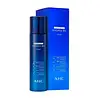
This hydrating toner is formulated around Sodium Hyaluronate and Panthenol to hydrate skin and calm redness.

What's inside
What's inside
 Key Ingredients
Benefits
Concerns
Ingredients Side-by-side
Water
Skin ConditioningButylene Glycol
Humectant

Raffinose
Skin ConditioningDioscorea Japonica Root Extract
Skin Conditioning
Arctium Lappa Root Extract
Skin Conditioning
Phellinus Linteus Extract
Skin ConditioningPiper Methysticum Leaf/Root/Stem Extract
Skin ConditioningCamellia Sinensis Leaf Extract
Antimicrobial





Juniperus Communis Fruit Extract
Perfuming
Oryza Sativa Extract
Absorbent
Salvia Hispanica Seed Extract
Emollient
Portulaca Oleracea Extract
Skin Conditioning
Pueraria Thunbergiana Root Extract
Skin ConditioningGlycyrrhiza Glabra Root Extract
Bleaching
Paeonia Lactiflora Root Extract
Skin ConditioningCnidium Officinale Root Extract
Skin ConditioningSaccharum Officinarum Extract
MoisturisingHouttuynia Cordata Extract
Skin Conditioning
Leontopodium Alpinum Extract
Skin ConditioningTilia Vulgaris Flower Extract
SoothingJasminum Officinale Extract
Masking

Chamaecyparis Obtusa Leaf Extract
Skin ConditioningLinum Usitatissimum Seed Extract
Perfuming
Aloe Barbadensis Leaf Extract
Emollient
Hibiscus Esculentus Fruit Extract
Skin ConditioningSodium Hyaluronate
Humectant
Hydrogenated Lecithin
Emulsifying
Soluble Collagen
Humectant
Betula Platyphylla Japonica Juice
Skin Conditioning
Aloe Barbadensis Leaf Juice
Skin Conditioning
Cananga Odorata Flower Oil
Masking


Glycerin
Humectant
Panthenol
Skin Conditioning
1,2-Hexanediol
Skin Conditioning
Cetyl Ethylhexanoate
EmollientCoceth-7
EmulsifyingPEG-40 Hydrogenated Castor Oil
Emulsifying

PPG-1-PEG-9 Lauryl Glycol Ether
EmulsifyingEthylhexylglycerin
Skin ConditioningCyclopentasiloxane
Emollient
Ceteth-20
CleansingSteareth-20
CleansingTriethylhexanoin
MaskingPolyquaternium-51
Skin Conditioning
Glycosyl Trehalose
Emulsion StabilisingAdenosine
Skin Conditioning
Carbomer
Emulsion StabilisingTromethamine
BufferingDisodium EDTA
ChelatingHydrogenated Starch Hydrolysate
HumectantGlyceryl Stearate
Emollient
Cetearyl Alcohol
Emollient



Biosaccharide Gum-1
Humectant
Sodium Polyacrylate
Absorbent
Pvm/Ma Copolymer
Emulsion StabilisingLecithin
Emollient
Tocopheryl Acetate
Antioxidant
Xanthan Gum
EmulsifyingFolic Acid
Skin ConditioningCeramide NP
Skin Conditioning
Cholesterol
Emollient
Palmitoyl Pentapeptide-4
Skin Conditioning

Water, Butylene Glycol, Raffinose, Dioscorea Japonica Root Extract, Arctium Lappa Root Extract, Phellinus Linteus Extract, Piper Methysticum Leaf/Root/Stem Extract, Camellia Sinensis Leaf Extract, Juniperus Communis Fruit Extract, Oryza Sativa Extract, Salvia Hispanica Seed Extract, Portulaca Oleracea Extract, Pueraria Thunbergiana Root Extract, Glycyrrhiza Glabra Root Extract, Paeonia Lactiflora Root Extract, Cnidium Officinale Root Extract, Saccharum Officinarum Extract, Houttuynia Cordata Extract, Leontopodium Alpinum Extract, Tilia Vulgaris Flower Extract, Jasminum Officinale Extract, Chamaecyparis Obtusa Leaf Extract, Linum Usitatissimum Seed Extract, Aloe Barbadensis Leaf Extract, Hibiscus Esculentus Fruit Extract, Sodium Hyaluronate, Hydrogenated Lecithin, Soluble Collagen, Betula Platyphylla Japonica Juice, Aloe Barbadensis Leaf Juice, Cananga Odorata Flower Oil, Glycerin, Panthenol, 1,2-Hexanediol, Cetyl Ethylhexanoate, Coceth-7, PEG-40 Hydrogenated Castor Oil, PPG-1-PEG-9 Lauryl Glycol Ether, Ethylhexylglycerin, Cyclopentasiloxane, Ceteth-20, Steareth-20, Triethylhexanoin, Polyquaternium-51, Glycosyl Trehalose, Adenosine, Carbomer, Tromethamine, Disodium EDTA, Hydrogenated Starch Hydrolysate, Glyceryl Stearate, Cetearyl Alcohol, Biosaccharide Gum-1, Sodium Polyacrylate, Pvm/Ma Copolymer, Lecithin, Tocopheryl Acetate, Xanthan Gum, Folic Acid, Ceramide NP, Cholesterol, Palmitoyl Pentapeptide-4
Water
Skin ConditioningMyristic Acid
Cleansing
Propylene Glycol
Humectant
Potassium Hydroxide
BufferingPalmitic Acid
Emollient
Stearic Acid
Cleansing
Lauric Acid
Cleansing
Glycerin
Humectant
Methylpropanediol
SolventPotassium Cocoyl Glycinate
Surfactant
Panthenol
Skin Conditioning
Parfum
Masking
Decyl Glucoside
Cleansing
Olive Oil Polyglyceryl-6 Esters
Emollient
Cetearyl Alcohol
Emollient
Tocopheryl Acetate
Antioxidant
Sodium Lauroyl Glutamate
SurfactantButylene Glycol
Humectant
Disodium EDTA
Chelating1,2-Hexanediol
Skin Conditioning
Sodium Hyaluronate
Humectant
Dipotassium Glycyrrhizate
Humectant
Betaine
Humectant
Allantoin
Skin Conditioning
Caprylic/Capric Triglyceride
Masking
Hydrogenated Lecithin
Emulsifying
Ficus Carica Fruit Extract
Humectant
Centella Asiatica Extract
Cleansing
Ulmus Davidiana Root Extract
Skin Conditioning
Amaranthus Caudatus Seed Extract
Skin Conditioning
Candida Bombicola/Glucose/Methyl Rapeseedate Ferment
AntimicrobialOryza Sativa Germ Oil
Emollient
Cocos Nucifera Oil
Masking
Steareth-21
CleansingCeramide NP
Skin Conditioning
Steareth-2
EmulsifyingCetyl Alcohol
Emollient
Isohexadecane
EmollientGlycolipids
Skin ConditioningOriganum Vulgare Leaf Extract
Skin ConditioningChamaecyparis Obtusa Leaf Extract
Skin ConditioningSalix Alba Bark Extract
Astringent
Alpinia Galanga Extract
Skin ConditioningPentylene Glycol
Skin Conditioning
Lactobacillus/Soybean Ferment Extract
Skin ConditioningPortulaca Oleracea Extract
Skin Conditioning
Cinnamomum Cassia Bark Extract
Masking
Scutellaria Baicalensis Root Extract
Astringent
PEG-30 Dipolyhydroxystearate
Emulsifying
Hydroxyacetophenone
Antioxidant
Niacinamide
Smoothing

Sucrose Distearate
Emollient
Ethylhexylglycerin
Skin ConditioningXanthan Gum
EmulsifyingBisabolol
Antioxidant
Cholesterol
Emollient
Tocopherol
Antioxidant
Water, Myristic Acid, Propylene Glycol, Potassium Hydroxide, Palmitic Acid, Stearic Acid, Lauric Acid, Glycerin, Methylpropanediol, Potassium Cocoyl Glycinate, Panthenol, Parfum, Decyl Glucoside, Olive Oil Polyglyceryl-6 Esters, Cetearyl Alcohol, Tocopheryl Acetate, Sodium Lauroyl Glutamate, Butylene Glycol, Disodium EDTA, 1,2-Hexanediol, Sodium Hyaluronate, Dipotassium Glycyrrhizate, Betaine, Allantoin, Caprylic/Capric Triglyceride, Hydrogenated Lecithin, Ficus Carica Fruit Extract, Centella Asiatica Extract, Ulmus Davidiana Root Extract, Amaranthus Caudatus Seed Extract, Candida Bombicola/Glucose/Methyl Rapeseedate Ferment, Oryza Sativa Germ Oil, Cocos Nucifera Oil, Steareth-21, Ceramide NP, Steareth-2, Cetyl Alcohol, Isohexadecane, Glycolipids, Origanum Vulgare Leaf Extract, Chamaecyparis Obtusa Leaf Extract, Salix Alba Bark Extract, Alpinia Galanga Extract, Pentylene Glycol, Lactobacillus/Soybean Ferment Extract, Portulaca Oleracea Extract, Cinnamomum Cassia Bark Extract, Scutellaria Baicalensis Root Extract, PEG-30 Dipolyhydroxystearate, Hydroxyacetophenone, Niacinamide, Sucrose Distearate, Ethylhexylglycerin, Xanthan Gum, Bisabolol, Cholesterol, Tocopherol
Ingredients Explained
These ingredients are found in both products.
Ingredients higher up in an ingredient list are typically present in a larger amount.
1,2-Hexanediol is a synthetic liquid and another multi-functional powerhouse.
It is a:
- Humectant, drawing moisture into the skin
- Emollient, helping to soften skin
- Solvent, dispersing and stabilizing formulas
- Preservative booster, enhancing the antimicrobial activity of other preservatives
Butylene Glycol (or BG) is used within cosmetic products for a few different reasons:
Overall, Butylene Glycol is a safe and well-rounded ingredient that works well with other ingredients.
Though this ingredient works well with most skin types, some people with sensitive skin may experience a reaction such as allergic rashes, closed comedones, or itchiness.
Learn more about Butylene GlycolCeramide NP (formerly known as Ceramide 3) is one of the skin's naturally occurring lipids.
Since ceramides are the major lipid components of the skin, they are crucial for maintaining skin barrier and hydration. Ceramide NP most closely mirrors the dominant kind in human skin amongst ceramide subtypes.
This ceramide works by slotting into gaps within the stratum corneum's lipid matrix to limit trans-epidermal water loss (TEWL) and shield the skin against external irritants.
A study with 312 patients found that using a ceramide-containing routine for 4 weeks reduced the severity of atopic dermatitis by over 61%.
Another clinical study in subjects aged 60 and older found that a ceramide body wash and moisturizer improved skin dryness and itchy skin in 15 days.
Overall, ceramides are considered non-irritating and safety tests have found little to no observable adverse effects from using this ingredient.
Ceramide NP is usually sourced from plants (like soybean or rice bran), or produced synthetically.
Learn more about Ceramide NPCetearyl alcohol is a waxy mixture of two fatty alcohols: cetyl alcohol and stearyl alcohol. It is an emollient and emulsifier.
Despite having "alcohol" in its name, it has nothing to do with drying solvent alcohols; the FDA also allows "alcohol-free" products to contain fatty alcohols like this ingredient.
It plays several roles in a formula:
Typical use levels for this ingredient sit around 1-10% and the Cosmetic Ingredient Review Expert Panel has affirmed safety at concentrations up to 25% in leave-on products.
Multiple assessments have found it to be non-irritating and non-sensitizing to most people.
However, there have been some cases of allergic contact dermatitis in patients with chronically compromised skin barriers.
Cetearyl alcohol has a comedogenic rating of 2 and irritancy rating of 1. Both of these numbers come from the 1989 study that used rabbit ears; a "2" means mildly comedogenic and a "1" means low irritancy.
Here's the catch: rabbit skin is more sensitive than human skin and throws a lot of false positives. A 1996 reappraisal found that ingredients rated 1-2 in the rabbit ear tests are generally safe for humans.
Remember comedogenic ratings are unable to assess the entire formula of a product or how it will react on your skin. Just be sure to patch test if you are unsure about certain ingredients.
This ingredient is not fungal acne safe. Cetearyl alcohol is a fatty alcohol with chain lengths that fall within the range that Malassezia can metabolize.
A 2019 study has also observed Malassezia growth in the presence of this ingredient, confirming it to be not-fungal acne safe.
Learn more about Cetearyl AlcoholThis ingredient comes from the leaves of the Japanese cypress tree that is also called Hinoki. The leaves are rich in flavonoids with quercitrin being one of its key actives.
A 2023 study tested a 70% ethanol extract on UVA-stressed, collagen-producing skin cells. Across multiple antioxidant tests, this extract protected skin from free radicals at meaningful rates.
And the coolest part? At 1000 µg/mL, it blocked two enzymes (collagenase and elastase) almost as well as vitamin C did at the same dose. Collagenase and elastase are the enzymes that break down your skin's collagen and elastin over time.
The same study found this ingredient lowered skin-breakdown enzymes and inflammation signals while bumping up collagen production in UV-stressed cells.
A 2024 follow-up tested a fermented version (fermented with mushroom) and it calmed down several key inflammation markers in irritated immune cells. So besides anti-aging, this ingredient can also help soothe skin.
Most of the data right now is still at the cell-culture stage rather than from human clinical trials. However, there's no harm in adding this ingredient to your routine.
Just be sure to patch test if you have a history of sensitivity toward botanical extracts.
Learn more about Chamaecyparis Obtusa Leaf ExtractCholesterol is a lipid that is naturally found in human skin and is one of the three key components of your skin barrier. In skincare, it is an emollient and barrier-repairing ingredient.
It works by fitting directly into the lipid layers of skin to help restore structure and reduce transepidermal water loss (TEWL).
This is a great ingredient for dry, compromised, or aging skin; our skin starts to produce less cholesterol with age.
Research shows cholesterol works best in combination with ceramides and fatty acids, the other two major components in your skin barrier.
Cholesterol is also a well-establish penetration enhancer and can help other actives absorb more effectively.
Cosmetic-grade cholesterol is usually derived from lanolin but plant and synthetic options also exist. We recommend reaching out to the brand if you have questions about their source of cholesterol.
Learn more about CholesterolDisodium EDTA is a chelating agent. It grabs onto and deactivates metal ions that sneak into your products from water, packaging, or air.
This ingredient mainly works behind the scenes and helps with:
On top of that, this ingredient can counteract the effects of hard water by binding to the minerals in it.
One thing worth knowing is that Disodium EDTA has been shown to be a mild penetration enhancer. It can help other ingredients absorb into skin more effectively which can be a double-edged sword (great for actives, but can also make the active too strong if you have sensitive skin).
Clinical patch testing showed no significant skin irritation at typical use concentrations and minimal dermal absorption.
You'll most likely see this ingredient near the end of an ingredient list. It's typically found in concentrations less than 1%.
Learn more about Disodium EDTAEthylhexylglycerin is created from glycerin. It is a multitasker ingredient that:
The CIR Expert Panel found minimal skin absorption or sensitization of any kind in a safety assessment. Though this ingredient is considered well-tolerated, a small number of cases of allergic dermatitis have been published since 2002. Just be sure to patch test if you are unsure.
Industry-reported use ranges from 8% in rinse-off products and 2% in leave-on formulations.
Learn more about EthylhexylglycerinGlycerin (or glycerol) is a compound naturally found in your skin. It's a powerhouse humectant that pulls water into the stratum corneum.
Topically, glycerin does several things at once:
Your skin makes glycerin on its own (mostly from sebaceous oil breakdown) and shuttles it to your outermost layer of skin, or your epidermis, via aquaporin-3.
Aquaporin-3 is a transporter that is essential for normal skin hydration, elasticity, and repair. Interestingly, mice lacking in AQP3 have dry and less elastic skin that can be fully corrected with glycerin.
This ingredient is non-irritating, plays well with almost every ingredient, and works across all skin types. Typical use is anywhere between 3-10% but can go up to 79% in some leave-on products.
Just know very high concentrations (>40%) can feel tacky in low humidity.
Glycerin is the name for this ingredient in American English. British English uses Glycerol/Glycerine.
Learn more about GlycerinHydrogenated Lecithin is a more stable version of lecithin.
It's made by taking lecithin (a phospholipid commonly found in soybeans and egg yolks) and hydrogenating it. This just means the unsaturated fatty acids are turned into saturated ones so they don't go bad as easily.
This ingredient is an emollient, emulsifier, and penetration enhancer. As an emollient, it helps soften and hydrate skin by trapping moisture within. As an emulsifier, it prevents oil and water ingredients from separating.
Hydrogenated Lecithin can form tiny spherical structures made of phospholipid bilayers called liposomes. These liposomes are able to capture compounds inside their structure and deliver them through the skin barrier.
Because phospholipids are a natural component of our cell membranes, this ingredient is inherently compatible with skin.
A 2021 study found lecithin-based surfactants were less harsh and more tolerable comared to Sodium Lauryl Sulfate (SLS).
Learn more about Hydrogenated LecithinPanthenol is a common ingredient that helps hydrate and soothe the skin. It is found naturally in our skin and hair.
There are two forms of panthenol: D and L.
D-panthenol is also known as dexpanthenol. Most cosmetics use dexpanthenol or a mixture of D and L-panthenol.
Panthenol is famous due to its ability to go deeper into the skin's layers. Using this ingredient has numerous pros (and no cons):
Like hyaluronic acid, panthenol is a humectant. Humectants are able to bind and hold large amounts of water to keep skin hydrated.
This ingredient works well for wound healing. It works by increasing tissue in the wound and helps close open wounds.
Once oxidized, panthenol converts to pantothenic acid. Panthothenic acid is found in all living cells.
This ingredient is also referred to as pro-vitamin B5.
Learn more about PanthenolThis extract comes from Purslane, a succulent. It has anti-inflammatory, antioxidant, and hydrating properties.
Purslane is very nutritious. It contains omega-3 fatty acids, NMFs, many vitamins, minerals, and antioxidants. The vitamins found in purslane include: Vitamin C, Vitamin A, and Vitamin E.
Fun fact: Purslane is a succulent with an extensive habitat. It is used in traditional Korean medicine to treat irritated skin.
Nowadays, purslane is becoming a superfood due to its highly nutritious content.
Learn more about Portulaca Oleracea ExtractSodium Hyaluronate is the salt form of hyaluronic acid. It is a long sugar chain that is naturally found in your skin, joints, and connective tissue that maintains hydration and elasticity.
In skincare, it works as a humectant. It pulls water from the environment and deeper layers of skin and binds it to the surface.
Interestingly, the size of the molecule affects its behavior:
Some clinical evidence links low molecular weight versions to improved wrinkle depth, elasticity, anti-inflammatory effects, and barrier repair.
Many serums use a blend of both weights so you can get surface hydration plus longer-lasting and deeper effects.
You'll typically see concentrations between 0.1-2% for this ingredient.
Learn more about Sodium HyaluronateTocopheryl Acetate is a stable, shelf-friendly form of vitamin E.
Formulators love it because plain vitamin E oxidizes quickly once it hits air. This acetate version stays stable and resists going off, helping to extend a product's shelf life.
It's actually inactive on its own and works like a slow-release "storage" form; the enzymes in your skin called esterases gradually convert it into active vitamin E over time.
One in vivo study showed 5% of the acetate in the living layer of the epidermis converted to vitamin E after 5 days of application. This study also found the skin gained protection against UV damage even though the conversion was slow and small.
Once converted, vitamin E acts as a skin's main fat-soluble antioxidant that fights free radicals to protect skin from damage.
Topical vitamin E generally boosts the skin's photoprotection, and it reduced UV-damage in animal models.
This ingredient has some brightening potential but it's more of a prevention ingredient than spot-fader. Cell studies show it can slow down melanin production but it's worth noting that it's not the most powerful brightener out there.
Overall, it has a pretty solid safety profile and has been found to be non-irritating and non-comedogenic. Allergic reactions may happen but stay rare due to how widely the ingredient gets used.
The concentration will vary depending on the formula; industry data shows 0.1% in baby lotions, 3% in lipsticks, and 5% in foot powders. You can also find this ingredient at 100% in a pure vitamin E oil.
Most leave-on skincare keeps it at the lower end, often between 0.5-1%.
Learn more about Tocopheryl AcetateWater. It's the most common cosmetic ingredient of all. You'll usually see it at the top of ingredient lists, meaning that it makes up the largest part of the product.
So why is it so popular? Water most often acts as a solvent - this means that it helps dissolve other ingredients into the formulation.
You'll also recognize water as that liquid we all need to stay alive. If you see this, drink a glass of water. Remember to stay hydrated!
Learn more about WaterXanthan gum is used as a stabilizer and thickener within cosmetic products. It helps give products a sticky, thick feeling - preventing them from being too runny.
On the technical side of things, xanthan gum is a polysaccharide - a combination consisting of multiple sugar molecules bonded together.
Xanthan gum is a pretty common and great ingredient. It is a natural, non-toxic, non-irritating ingredient that is also commonly used in food products.
Learn more about Xanthan Gum

