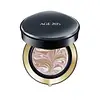
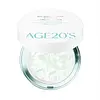
Age20's Signature Essence Cover Pact SPF 50+ Versus Age20's Sun Essence Pact Calming Long Protection SPF 50+
This hybrid sunscreen covers the full UV range and blocks ~98% of UVB at SPF 50.

What's inside
What's inside
 Key Ingredients
Benefits
Concerns
Ingredients Side-by-side
Betula Platyphylla Japonica Juice
Skin Conditioning
Titanium Dioxide
Cosmetic Colorant

Butyloctyl Salicylate
Skin Conditioning
Polysilicone-15
UV Filter
Butylene Glycol Dicaprylate/Dicaprate
EmollientButylene Glycol
Humectant
Diethylamino Hydroxybenzoyl Hexyl Benzoate
UV Filter
Octocrylene
UV Absorber

Phenyl Trimethicone
Skin Conditioning
Dipropylene Glycol
HumectantNiacinamide
Smoothing










Euphorbia Cerifera Wax


Cyclopentasiloxane
Emollient
Triethylhexanoin
MaskingHydrogenated Poly(C6-14 Olefin)
EmollientPvp
Emulsion StabilisingTriisostearin
Skin Conditioning
Cyclohexasiloxane
Emollient
Polymethylsilsesquioxane
Silica
Abrasive
Polyglyceryl-4 Diisostearate/Polyhydroxystearate/Sebacate
Emulsifying
Dimethicone
Emollient
Sodium Glutamate
MaskingVp/Hexadecene Copolymer
Aluminum Hydroxide
EmollientC30-45 Alkyl Methicone
Emollient
P-Anisic Acid
MaskingStearic Acid
Cleansing
C30-45 Olefin
Skin ConditioningLauryl Dimethicone/Polyglycerin-3 Crosspolymer
Cleansing
Glyceryl Caprylate
EmollientPentylene Glycol
Skin Conditioning
Triethoxycaprylylsilane
Caprylic/Capric Triglyceride
Masking
Alumina
Abrasive
Polyglyceryl-3 Oleate
Emulsifying
1,2-Hexanediol
Skin Conditioning
Caprylyl Glycol
Emollient
Panthenol
Skin Conditioning
Tocopheryl Acetate
Antioxidant

Diisostearoyl Polyglyceryl-3 Dimer Dilinoleate
Emollient
Water
Skin ConditioningStearyl Heptanoate
Emollient
Adenosine
Skin Conditioning
Ceramide NP
Skin Conditioning
Myristoyl/Palmitoyl Oxostearamide/Arachamide Mea
Skin ConditioningCholesterol
Emollient
Sodium Hyaluronate
Humectant
Hydrolyzed Hyaluronic Acid
Humectant
Lactic Acid
Buffering
PCA
Humectant
Glucose
Humectant
Glycine
Buffering
Nelumbo Nucifera Leaf Extract
Skin ConditioningSodium Glycerophosphate
Urea
Buffering
Serine
Masking
Glutamic Acid
Humectant
Potassium Magnesium Aspartate
BufferingPolymethyl Methacrylate
Aspartic Acid
Masking
Leucine
Skin ConditioningSodium Chloride
MaskingAlanine
Masking
Avena Sativa Peptide
Skin Conditioning
Hydrolyzed Collagen
Emollient
Polyglutamic Acid
Skin Conditioning
Lysine
Skin ConditioningArginine
Masking
Calcium Gluconate
HumectantMagnesium Gluconate
Skin ConditioningPhenylalanine
Masking
Proline
Skin Conditioning
Threonine
Tyrosine
MaskingValine
MaskingIsoleucine
Skin ConditioningCitric Acid
Buffering
Acetyl Glucosamine
Skin Conditioning
Creatine
Skin ConditioningCysteine
Antioxidant
Histidine
Humectant
Uric Acid
BufferingMethionine
Skin ConditioningCI 77492
Cosmetic ColorantCI 77491
Cosmetic ColorantCI 77499
Cosmetic ColorantCI 77007
Cosmetic ColorantBetula Platyphylla Japonica Juice, Titanium Dioxide, Butyloctyl Salicylate, Polysilicone-15, Butylene Glycol Dicaprylate/Dicaprate, Butylene Glycol, Diethylamino Hydroxybenzoyl Hexyl Benzoate, Octocrylene, Phenyl Trimethicone, Dipropylene Glycol, Niacinamide, Euphorbia Cerifera Wax, Cyclopentasiloxane, Triethylhexanoin, Hydrogenated Poly(C6-14 Olefin), Pvp, Triisostearin, Cyclohexasiloxane, Polymethylsilsesquioxane, Silica, Polyglyceryl-4 Diisostearate/Polyhydroxystearate/Sebacate, Dimethicone, Sodium Glutamate, Vp/Hexadecene Copolymer, Aluminum Hydroxide, C30-45 Alkyl Methicone, P-Anisic Acid, Stearic Acid, C30-45 Olefin, Lauryl Dimethicone/Polyglycerin-3 Crosspolymer, Glyceryl Caprylate, Pentylene Glycol, Triethoxycaprylylsilane, Caprylic/Capric Triglyceride, Alumina, Polyglyceryl-3 Oleate, 1,2-Hexanediol, Caprylyl Glycol, Panthenol, Tocopheryl Acetate, Diisostearoyl Polyglyceryl-3 Dimer Dilinoleate, Water, Stearyl Heptanoate, Adenosine, Ceramide NP, Myristoyl/Palmitoyl Oxostearamide/Arachamide Mea, Cholesterol, Sodium Hyaluronate, Hydrolyzed Hyaluronic Acid, Lactic Acid, PCA, Glucose, Glycine, Nelumbo Nucifera Leaf Extract, Sodium Glycerophosphate, Urea, Serine, Glutamic Acid, Potassium Magnesium Aspartate, Polymethyl Methacrylate, Aspartic Acid, Leucine, Sodium Chloride, Alanine, Avena Sativa Peptide, Hydrolyzed Collagen, Polyglutamic Acid, Lysine, Arginine, Calcium Gluconate, Magnesium Gluconate, Phenylalanine, Proline, Threonine, Tyrosine, Valine, Isoleucine, Citric Acid, Acetyl Glucosamine, Creatine, Cysteine, Histidine, Uric Acid, Methionine, CI 77492, CI 77491, CI 77499, CI 77007
Centella Asiatica Leaf Water
Skin Conditioning
Zinc Oxide
Cosmetic Colorant
Isononyl Isononanoate
EmollientPhenyl Trimethicone
Skin Conditioning
Butyloctyl Salicylate
Skin Conditioning
Euphorbia Cerifera Wax
Cyclopentasiloxane
Emollient
Diphenylsiloxy Phenyl Trimethicone
Skin Conditioning
Stearyl Heptanoate
Emollient
Niacinamide
Smoothing
Dicaprylyl Carbonate
EmollientLauryl Polyglyceryl-3 Polydimethylsiloxyethyl Dimethicone
Skin Conditioning
Bis-Hydroxyethoxypropyl Dimethicone
Emollient
Propanediol
Solvent
Cyclohexasiloxane
Emollient
Butylene Glycol
Humectant
C18-21 Alkane
SolventAloe Barbadensis Leaf Extract
Emollient
Propylene Glycol Dibenzoate
Skin ConditioningPolymethylsilsesquioxane
1,2-Hexanediol
Skin Conditioning
Jojoba Esters
Emollient
Triethoxycaprylylsilane
Dimethicone
Emollient
Squalane
Emollient
Polyphenylsilsesquioxane
C30-45 Alkyl Methicone
Emollient
C30-45 Olefin
Skin ConditioningP-Anisic Acid
MaskingTriethylhexanoin
MaskingJojoba Alcohol
Emollient
Glycerin
Humectant
Caprylyl Glycol
Emollient
Polyisobutene
Dipropylene Glycol
HumectantLauryl Dimethicone/Polyglycerin-3 Crosspolymer
Cleansing
Ethylhexylglycerin
Skin ConditioningHyaluronic Acid
Humectant
Dodecenyl Stearylsuccinamide
EmollientMethyl Diisopropyl Propionamide
MaskingAdenosine
Skin Conditioning
Chromium Oxide Greens
Helianthus Annuus Seed Oil
Emollient
CI 77492
Cosmetic ColorantLycium Chinense Fruit Extract
Antioxidant
Myristica Fragrans Extract
MaskingTocopherol
Antioxidant
Lavandula Hybrida Oil
Emollient
Citrus Limon Peel Oil
Masking



Pinus Pinaster Bark Extract
Antioxidant
Centella Asiatica Leaf Extract
Skin Conditioning
Asiaticoside
Antioxidant
Citrus Aurantium Dulcis Peel Oil
Masking
Salvia Sclarea Oil
Masking
Sodium Citrate
BufferingMadecassic Acid
Skin Conditioning
Asiatic Acid
Skin Conditioning
Coriandrum Sativum Fruit Oil
Masking
Pogostemon Cablin Leaf Oil
Masking
Betulin
Skin ConditioningElettaria Cardamomum Seed Oil
Masking
Citric Acid
Buffering
Centella Asiatica Leaf Water, Zinc Oxide, Isononyl Isononanoate, Phenyl Trimethicone, Butyloctyl Salicylate, Euphorbia Cerifera Wax, Cyclopentasiloxane, Diphenylsiloxy Phenyl Trimethicone, Stearyl Heptanoate, Niacinamide, Dicaprylyl Carbonate, Lauryl Polyglyceryl-3 Polydimethylsiloxyethyl Dimethicone, Bis-Hydroxyethoxypropyl Dimethicone, Propanediol, Cyclohexasiloxane, Butylene Glycol, C18-21 Alkane, Aloe Barbadensis Leaf Extract, Propylene Glycol Dibenzoate, Polymethylsilsesquioxane, 1,2-Hexanediol, Jojoba Esters, Triethoxycaprylylsilane, Dimethicone, Squalane, Polyphenylsilsesquioxane, C30-45 Alkyl Methicone, C30-45 Olefin, P-Anisic Acid, Triethylhexanoin, Jojoba Alcohol, Glycerin, Caprylyl Glycol, Polyisobutene, Dipropylene Glycol, Lauryl Dimethicone/Polyglycerin-3 Crosspolymer, Ethylhexylglycerin, Hyaluronic Acid, Dodecenyl Stearylsuccinamide, Methyl Diisopropyl Propionamide, Adenosine, Chromium Oxide Greens, Helianthus Annuus Seed Oil, CI 77492, Lycium Chinense Fruit Extract, Myristica Fragrans Extract, Tocopherol, Lavandula Hybrida Oil, Citrus Limon Peel Oil, Pinus Pinaster Bark Extract, Centella Asiatica Leaf Extract, Asiaticoside, Citrus Aurantium Dulcis Peel Oil, Salvia Sclarea Oil, Sodium Citrate, Madecassic Acid, Asiatic Acid, Coriandrum Sativum Fruit Oil, Pogostemon Cablin Leaf Oil, Betulin, Elettaria Cardamomum Seed Oil, Citric Acid
Ingredients Explained
These ingredients are found in both products.
Ingredients higher up in an ingredient list are typically present in a larger amount.
1,2-Hexanediol is a synthetic liquid and another multi-functional powerhouse.
It is a:
- Humectant, drawing moisture into the skin
- Emollient, helping to soften skin
- Solvent, dispersing and stabilizing formulas
- Preservative booster, enhancing the antimicrobial activity of other preservatives
Adenosine is a purine nucleoside that your body already makes in every cell. In skincare, it acts mainly as a skin conditioning and anti-aging agent.
The way it works is fairly well mapped out:
Your skin has cells called fibroblasts that build collagen (the stuff that keeps skin firm and smooth). Adenosine basically flips a switch on these cells that tells them to get to work making more collagen and other proteins. These cells slow down on their own as skin ages, so Adenosine helps give them a little nudge to keep going.
The clinical backing is pretty solid too.
A blind, randomized, placebo-controlled trial of 126 women aged 45-65 tested a 0.1% cream twice daily and found real improvements in crow's feet and frown lines using a precise 3D skin-mapping technique; these changes showed up by week 3 and held at 2 months.
A later study using Adenosine-loaded dissolving microneedle patches reported gains in wrinkle depth, dermal density, elasticity, and hydration.
On concentrations, South Korea's Ministry of Food and Drug Safety has set 0.04% as the approved functional anti-wrinkle level. You'll typically see this ingredient used somewhere in the 0.04-0.1% range since it works at low doses.
This ingredient has been found safe for cosmetics with the data showing no irritation or sensitization.
Overall, this is a great ingredient for any anti-aging routine and has no photosensitizing effect, so it suits both AM and PM use.
Learn more about AdenosineButylene Glycol (or BG) is used within cosmetic products for a few different reasons:
Overall, Butylene Glycol is a safe and well-rounded ingredient that works well with other ingredients.
Though this ingredient works well with most skin types, some people with sensitive skin may experience a reaction such as allergic rashes, closed comedones, or itchiness.
Learn more about Butylene GlycolButyloctyl Salicylate is a chemical UV filter structurally similar to octisalate. It is a photostabilizer, SPF booster, emollient and solvent. This ingredient helps evenly spread out ingredients.
According to a manufacturer, it is suitable for pairing with micro Titanium Dioxide, Zinc Oxide, and pigments.
Photostabilizers help stabilize UV-filters and prevents them from degrading quickly.
Learn more about Butyloctyl SalicylateC30-45 Alkyl Methicone is a type of silicone.
We don't have a description for C30-45 Olefin yet.
Caprylyl Glycol is a humectant, skin conditioner, emollient, and preservative booster derived from either caprylic acid or synthetically created.
Typical use levels vary from 0.3-1% as a preservative booster and go up to 2% to condition skin.
Because it is not a free-fatty acid, this ingredient is fungal acne safe (there's nothing for Malassezia to feed on).
Learn more about Caprylyl GlycolCI 77492 is also hydrated iron III oxide. It's sole purpose is to give a yellow hue to products.
Iron III oxides are classified as inorganic chemicals for coloring.
Synthetically created CI 77492 is considered safer than those naturally found. This is because the synthetically created version may contain less impurities. Iron oxides are generally non-toxic and non-allergenic.
Learn more about CI 77492Citric Acid is an alpha hydroxy acid (AHA) naturally found in citrus fruits like oranges, lemons, and limes.
Like other AHAs, citric acid can exfoliate skin by breaking down the bonds that hold dead skin cells together. This helps reveal smoother and brighter skin underneath.
However, this exfoliating effect only happens at high concentrations (20%) which can be hard to find in cosmetic products.
Due to this, citric acid is usually included in small amounts as a pH adjuster. This helps keep products slightly more acidic and compatible with skin's natural pH.
In skincare formulas, citric acid can:
While it can provide some skin benefits, research shows lactic acid and glycolic acid are generally more effective and less irritating exfoliants.
Most citric acid used in skincare today is made by fermenting sugars (usually from molasses). This synthetic version is identical to the natural citrus form but easier to stabilize and use in formulations.
Rosacea skin has a lower threshold for acids generally, with 62.5% of rosacea subjects in one study reacting to lactic acid in a sting test. This is why we mark citric acid as a potential rosacea trigger.
However, this ingredient shows up as a pH adjuster or chelator at roughly 0.1-1% in many products. These low levels are unlikely to be an issue for rosacea skin and becomes a potential trigger at exfoliating concentrations (20%). Because everybody's skin is unique, we recommend a patch test if you are unsure.
Learn more about Citric AcidCyclohexasiloxane is a type of silicone more commonly known as D6. It is an emollient and solvent.
Cyclohexasiloxane is used to evenly distribute ingredients throughout the product. When applied to the skin, Cyclohexasiloxane evaporates and leaves behind a silky feel.
As an emollient, it can help the skin feel soft and hydrated. It is also used to reduce frizz in hair products.
Learn more about CyclohexasiloxaneCyclopentasiloxane (D5) is a lightweight silicone that mostly acts as an emollient and solvent in cosmetics. Its the reason your products feel silky, fast-spreading, and non-greasy.
Since D5 is volatile, it does its thing and then evaporates off the skin quickly.
The safety profile of this ingredient is reassuring; the US CIR Expert Panel concluded D5 is safe as used in cosmetics and Health Canada concluded that D5 is not harmful to human health or the environment as currently used in cosmetics
There's a study that people mention about D5 in a rat study showing tumors. This study is related to long-term inhalation of high D5 levels.
Regulatory bodies have judged this study to be not applicable in topical skincare since skin absorption of D5 is very low and we're not really inhaling huge amounts of D5.
The only restriction for this ingredient is environmental. The European Chemicals Agency (ECHA) restricted D5 in wash-off cosmetics at or above 0.1% due to their persistence in water.
Learn more about CyclopentasiloxaneDimethicone is a type of synthetic silicone created from natural materials such as quartz. It is also known as polydimethylsiloxane.
What it does:
Dimethicone comes in different viscosities:
Depending on the viscosity, dimethicone has different properties.
Ingredients lists don't always show which type is used, so we recommend reaching out to the brand if you have questions about the viscosity.
This ingredient is unlikely to cause irritation because it does not get absorbed into skin. However, people with silicone allergies should be careful about using this ingredient.
Note: Dimethicone may contribute to pilling. This is because it is not oil or water soluble, so pilling may occur when layered with products. When mixed with heavy oils in a formula, the outcome is also quite greasy.
Learn more about DimethiconeDipropylene Glycol is a synthetically created humectant, stabilizer, and solvent.
This ingredient helps:
Dipropylene glycol is technically an alcohol, but it belongs to the glycol family (often considered part of the ‘good’ alcohols). This means it is hydrating and gentle on skin unlike drying solvent alcohols like denatured alcohol.
As a masking agent, Dipropylene Glycol can be used to cover the smell of other ingredients. However, it does not have a scent.
Studies show Dipropylene Glycol is considered safe to use in skincare.
Learn more about Dipropylene GlycolLauryl Dimethicone/Polyglycerin-3 Crosspolymer is a type of silicone.
Niacinamide is a multitasking form of vitamin B3 that strengthens the skin barrier, reduces pores and dark spots, regulates oil, and improves signs of aging.
And the best part? It's gentle and well-tolerated by most skin types, including sensitive and reactive skin.
You might have heard of "niacin flush", or the reddening of skin that causes itchiness. Niacinamide has not been found to cause this.
In very rare cases, some individuals may not be able to tolerate niacinamide at all or experience an allergic reaction to it.
If you are experiencing flaking, irritation, and dryness with this ingredient, be sure to double check all your products as this ingredient can be found in all categories of skincare.
When incorporating niacinamide into your routine, look out for concentration amounts. Typically, 5% niacinamide provides benefits such as fading dark spots. However, if you have sensitive skin, it is better to begin with a smaller concentration.
When you apply niacinamide to your skin, your body converts it into nicotinamide adenine dinucleotide (NAD). NAD is an essential coenzyme that is already found in your cells as "fuel" and powers countless biological processes.
In your skin, NAD helps repair cell damage, produce new healthy cells, support collagen production, strengthen the skin barrier, and fight environmental stressors (like UV and pollution).
Our natural NAD levels start to decline with age, leading to slower skin repair, visible aging, and a weaker skin barrier. By providing your skin niacinamide, you're recharging your skin's NAD levels. This leads to stronger, healthier, and younger looking skin.
Another name for vitamin B3 is nicotinamide. This vitamin is water-soluble and our bodies don't store it. We obtain Vitamin B3 from either food or skincare. Meat, fish, wheat, yeast, and leafy greens contain vitamin B3.
The type of niacinamide used in skincare is synthetically created.
Learn more about Niacinamidep-anisic acid is an aromatic compound that is naturally found in some plants. It is mainly used as a fragrance ingredient but also has preservative and antimicrobial properties.
The effectiveness of this ingredient as a preservative and antimicrobial depends on the pH (with more acidic being better). This is the reason you'll see this ingredient bundled with other preservatives.
Phenyl Trimethicone is a silicon-based polymer. It is derived from silica.
Phenyl Trimethicone is used as an emollient and prevents products from foaming.
As an emollient, it helps trap moisture in the skin. It is considered an occlusive.
Learn more about Phenyl TrimethiconePolymethylsilsesquioxane is a silicone used as a film forming agent.
When applied to the skin, this ingredient creates an invisible film on the surface. This film still allows oxygen to pass through, but prevents moisture from escaping. This can help condition and hydrate the skin. It also leaves a silky feel when applied.
Polymethylsilsesquioxane has not been shown to clog pores. It has been deemed safe to use up to 55%, but most cosmetics use much less.
If you have concerns about using this ingredient, we recommend speaking with a professional.
Learn more about PolymethylsilsesquioxaneStearyl Heptanoate is a waxy compound derived from stearyl alcohol.
As an emollient, it helps hydrate the skin by trapping moisture. In its raw form, this ingredient is a waxy solid.
In a study with participants who had acne-prone skin, using 1.5% stearyl heptanoate was not found to be comedogenic.
However, it may cause acne in higher concentrations.
Learn more about Stearyl HeptanoateTriethoxycaprylylsilane is a silicon-based surface modifier that makes sunscreens feel silky and makeup stay put.
Its main job is to coat mineral particles like titanium dioxide, zinc oxide, and color pigments in a thin, oily layer so they spread smoothly, don't clump, and stick to skin better.
This ingredient is typically used at low levels (up to 2.5% in eyeshadow and 1% in lipstick).
Learn more about TriethoxycaprylylsilaneTriethylhexanoin is created from glycerin and 2-ethylhexanoic acid. It is a solvent and emollient.
As a solvent, Triethylhexanoin helps dissolve ingredients to stable bases or help evenly distribute ingredients throughout the product.
It is also an emollient and helps condition the skin.
Learn more about TriethylhexanoinEuphorbia Cerifera Wax (aka candelilla wax) is a vegan stand-in for beeswax. It is a plant-derived wax that functions as an astringent, emulsion stabilizer, film-former, and skin conditioner.
On skin, it forms a protective barrier that helps lock in moisture while it enhances product stability, prevents separation, and helps color last longer in makeup.
This ingredient is generally safe for use in cosmetics with one nuance: some grades of candelilla wax can naturally contain benzyl alcohol at concentrations high enough to require declaration under EU labeling rules. This isn't a concern for most people but relevant for those with fragrance sensitivities.
Candelilla wax contains fatty acids (mainly C31) and wax esters that can be used by the Malassezia yeast, so this ingredient may not be fungal acne safe.
You might see Euphorbia Cerifera "Cera" instead of "wax". This is because some brands, databases, or labels use it interchangeably; they're the same ingredient.
Learn more about Euphorbia Cerifera Wax

