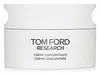
This barrier-repair moisturizer is formulated around Cholesterol and Caffeine to strengthen the skin barrier and hydrate skin.
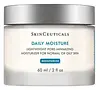
This barrier-repair moisturizer is formulated around Tocopherol and Sodium Hyaluronate to strengthen the skin barrier and hydrate skin.

What's inside
What's inside
 Key Ingredients
Benefits
Concerns
Ingredients Side-by-side
Water
Skin ConditioningDimethicone
Emollient

Petrolatum
Emollient



Butylene Glycol
Humectant
Glyceryl Distearate
Emollient

Hydrogenated Vegetable Oil
Emollient

Cholesterol
Emollient
Steareth-10
Emulsifying
Polysilicone-11

Glyceryl Stearate Se
Emulsifying
Glycerin
Humectant
Sodium Polyaspartate
HumectantCaffeine
Skin Conditioning

Isocetyl Stearoyl Stearate
Emollient
Diethylhexyl Succinate
EmollientAcetyl Glucosamine
Skin Conditioning

Theobroma Cacao Seed Extract
Antioxidant
Theobroma Cacao Seed Butter
Emollient
Butyrospermum Parkii Butter
Skin Conditioning
Astrocaryum Murumuru Seed Butter
Emollient
Chlorella Vulgaris Extract
Skin ConditioningCamellia Sinensis Leaf Extract
Antimicrobial

Resveratrol
Antioxidant
Salicylic Acid
Masking




Salicornia Herbacea Extract
Skin ConditioningMaris Sal
Skin ConditioningAlgae Extract
Emollient
Crithmum Maritimum Extract
Skin ConditioningWhey Protein
Skin ConditioningDipotassium Glycyrrhizate
Humectant
Dipalmitoyl Hydroxyproline
Skin Conditioning
Lactobacillus Ferment
Skin Conditioning
Laminaria Digitata Extract
Skin Protecting
Lactoperoxidase
StabilisingGlucose Oxidase
StabilisingUrea
Buffering
Bisabolol
Antioxidant
Alcaligenes Polysaccharides
EmollientDistearyldimonium Chloride
Retinyl Palmitate
Skin Conditioning
Trisiloxane
Skin Conditioning
Cetyl Alcohol
Emollient

Acetyl Hexapeptide-8
Humectant
Polyacrylamide
Sodium Hyaluronate
Humectant
Sucrose
Humectant
C13-14 Isoparaffin
Emollient
Hydrolyzed Algin
Glucose
Humectant
Trehalose
Humectant
Caprylic/Capric Triglyceride
Masking
Faex Extract
Skin ConditioningTocopheryl Acetate
Antioxidant
Tetrahexyldecyl Ascorbate
Antioxidant
Glycine Soja Seed Extract
Skin Conditioning
Propylene Glycol Caprylate
Skin ConditioningSodium PCA
Humectant
Citric Acid
Buffering
Polysorbate 40
Emulsifying
Laureth-7
EmulsifyingPolyquaternium-51
Skin Conditioning
Disodium EDTA
ChelatingBHT
Antioxidant
Potassium Sorbate
Preservative
Phenoxyethanol
Preservative
CI 14700
Cosmetic ColorantCI 77891
Cosmetic ColorantWater, Dimethicone, Petrolatum, Butylene Glycol, Glyceryl Distearate, Hydrogenated Vegetable Oil, Cholesterol, Steareth-10, Polysilicone-11, Glyceryl Stearate Se, Glycerin, Sodium Polyaspartate, Caffeine, Isocetyl Stearoyl Stearate, Diethylhexyl Succinate, Acetyl Glucosamine, Theobroma Cacao Seed Extract, Theobroma Cacao Seed Butter, Butyrospermum Parkii Butter, Astrocaryum Murumuru Seed Butter, Chlorella Vulgaris Extract, Camellia Sinensis Leaf Extract, Resveratrol, Salicylic Acid, Salicornia Herbacea Extract, Maris Sal, Algae Extract, Crithmum Maritimum Extract, Whey Protein, Dipotassium Glycyrrhizate, Dipalmitoyl Hydroxyproline, Lactobacillus Ferment, Laminaria Digitata Extract, Lactoperoxidase, Glucose Oxidase, Urea, Bisabolol, Alcaligenes Polysaccharides, Distearyldimonium Chloride, Retinyl Palmitate, Trisiloxane, Cetyl Alcohol, Acetyl Hexapeptide-8, Polyacrylamide, Sodium Hyaluronate, Sucrose, C13-14 Isoparaffin, Hydrolyzed Algin, Glucose, Trehalose, Caprylic/Capric Triglyceride, Faex Extract, Tocopheryl Acetate, Tetrahexyldecyl Ascorbate, Glycine Soja Seed Extract, Propylene Glycol Caprylate, Sodium PCA, Citric Acid, Polysorbate 40, Laureth-7, Polyquaternium-51, Disodium EDTA, BHT, Potassium Sorbate, Phenoxyethanol, CI 14700, CI 77891
Water
Skin ConditioningGlycerin
Humectant
Cetyl Palmitate
Emollient
Stearic Acid
Cleansing
Butylene Glycol
Humectant
Palmitic Acid
Emollient
Tocopherol
Antioxidant
Dimethicone
Emollient
Polymethylsilsesquioxane
Glyceryl Stearate
Emollient
Sorbitol
Humectant
CI 77163
Cosmetic Colorant
Phenoxyethanol
Preservative
PEG-100 Stearate
Surfactant
Sodium Hyaluronate
Humectant
Hamamelis Virginiana Water
Astringent
PEG-75 Stearate
Surfactant
Cetyl Alcohol
Emollient
Carbomer
Emulsion StabilisingEthylhexyl Hydroxystearate
Emollient
Allantoin
Skin Conditioning
Panthenol
Skin Conditioning
Ceteth-20
CleansingTriethanolamine
BufferingCaprylyl Glycol
Emollient
Xanthan Gum
EmulsifyingPropylene Glycol
Humectant
Steareth-20
CleansingDisodium EDTA
ChelatingMyristic Acid
Cleansing
Betaine
Humectant
Chlorella Vulgaris Extract
Skin ConditioningLaminaria Saccharina Extract
Skin Protecting
Glucose
Humectant
Chamomilla Recutita Flower Extract
Masking
Chamomilla Recutita Extract
Skin Conditioning
Zingiber Officinale Root Extract
Masking
Sanguisorba Officinalis Root Extract
CleansingCinnamomum Cassia Bark Extract
Masking
Thymus Vulgaris Flower/Leaf Extract
MaskingRetinyl Palmitate
Skin Conditioning
Helianthus Annuus Seed Oil
Emollient
Sodium Benzoate
Masking
Zinc Sulfate
Antimicrobial
Laminaria Ochroleuca Extract
Skin Conditioning
Glycyrrhiza Glabra Root Extract
Bleaching
Urtica Dioica Extract
AstringentEquisetum Arvense Extract
AstringentBetula Alba Leaf Extract
AstringentCitric Acid
Buffering
Potassium Sorbate
Preservative
Cinnamal
Perfuming


Pyridoxine Hcl
Skin ConditioningWater, Glycerin, Cetyl Palmitate, Stearic Acid, Butylene Glycol, Palmitic Acid, Tocopherol, Dimethicone, Polymethylsilsesquioxane, Glyceryl Stearate, Sorbitol, CI 77163, Phenoxyethanol, PEG-100 Stearate, Sodium Hyaluronate, Hamamelis Virginiana Water, PEG-75 Stearate, Cetyl Alcohol, Carbomer, Ethylhexyl Hydroxystearate, Allantoin, Panthenol, Ceteth-20, Triethanolamine, Caprylyl Glycol, Xanthan Gum, Propylene Glycol, Steareth-20, Disodium EDTA, Myristic Acid, Betaine, Chlorella Vulgaris Extract, Laminaria Saccharina Extract, Glucose, Chamomilla Recutita Flower Extract, Chamomilla Recutita Extract, Zingiber Officinale Root Extract, Sanguisorba Officinalis Root Extract, Cinnamomum Cassia Bark Extract, Thymus Vulgaris Flower/Leaf Extract, Retinyl Palmitate, Helianthus Annuus Seed Oil, Sodium Benzoate, Zinc Sulfate, Laminaria Ochroleuca Extract, Glycyrrhiza Glabra Root Extract, Urtica Dioica Extract, Equisetum Arvense Extract, Betula Alba Leaf Extract, Citric Acid, Potassium Sorbate, Cinnamal, Pyridoxine Hcl
Ingredients Explained
These ingredients are found in both products.
Ingredients higher up in an ingredient list are typically present in a larger amount.
Butylene Glycol (or BG) is used within cosmetic products for a few different reasons:
Overall, Butylene Glycol is a safe and well-rounded ingredient that works well with other ingredients.
Though this ingredient works well with most skin types, some people with sensitive skin may experience a reaction such as allergic rashes, closed comedones, or itchiness.
Learn more about Butylene GlycolCetyl Alcohol is a fatty alcohol. Fatty Alcohols are most often used as an emollient or to thicken a product.
Its main roles are:
Though it has "alcohol" in the name, it is not related to denatured alcohol or ethyl alcohol.
The FDA allows products labeled "alcohol-free" to have fatty alcohols.
This ingredient may not be fungal acne safe. It is a primary fatty alcohol with a chain length above 12 carbons. A study from 2019 show Malassezia can feed on fatty alcohols in this range, so it may trigger fungal acne in those prone to it.
Learn more about Cetyl AlcoholChlorella Vulgaris Extract comes from a single-celled green freshwater algae.
The version used in skincare is almost always a water or glycerin-based extract that is basically the algae's amino acids, peptides, sugars, and chlorophyll pigments.
It acts as a skin-conditioning agent and the research behind it at this time is mostly lab-dish rather than human trials.
Isolated Chlorella peptides inhibit collagenase and elastase (the enzymes that chew up collagen and elastin) and mop up free radicals in test-tube assays. Another study found a Chlorella gel sped up wound healing in mice. Many of the firming or dark-circle claims come from the ingredient supplier's own studies.
Suppliers suggest using 1-2% of the trade version (Water/Glycerin + Chlorella Vulgaris Extract) in a finished formula which means the actual algae solids are a fraction of a percent.
Allergy risk is low and topical reactions are rare; the 2020 anaphylaxis case came from eating Chlorella supplements and not from putting it on skin.
However, patch testing is sensible if you have reacted to algae before.
The "chlorella is high in iodine so it breaks you out" line borrows from marine seaweed. Freshwater Chlorella isn't a notable iodine source unless it's deliberately grown in iodine-enriched medium.
Just so you know, many lists give algae a comedogenic rating of 5 and that number doesn't come from anywhere; it's not in the original rabbit-ear studies that most comedogenic ratings trace back to.
The reasoning behind the reputation is that seaweed is high in iodine and iodine can trigger acne-like breakouts when eaten. This traces back to a 1976 letter in Archives of Dermatology describing two women whose breakouts cleared after they stopped taking high-dose kelp supplements orally.
And the reaction of these two women wasn't clogged pores at all: it was an iodine-triggered pustular rash. Later research found normal dietary iodine doesn't meaningfully affect acne either and nobody has shown topical algae delivers enough iodine to matter.
Learn more about Chlorella Vulgaris ExtractCitric Acid is an alpha hydroxy acid (AHA) naturally found in citrus fruits like oranges, lemons, and limes.
Like other AHAs, citric acid can exfoliate skin by breaking down the bonds that hold dead skin cells together. This helps reveal smoother and brighter skin underneath.
However, this exfoliating effect only happens at high concentrations (20%) which can be hard to find in cosmetic products.
Due to this, citric acid is usually included in small amounts as a pH adjuster. This helps keep products slightly more acidic and compatible with skin's natural pH.
In skincare formulas, citric acid can:
While it can provide some skin benefits, research shows lactic acid and glycolic acid are generally more effective and less irritating exfoliants.
Most citric acid used in skincare today is made by fermenting sugars (usually from molasses). This synthetic version is identical to the natural citrus form but easier to stabilize and use in formulations.
Rosacea skin has a lower threshold for acids generally, with 62.5% of rosacea subjects in one study reacting to lactic acid in a sting test. This is why we mark citric acid as a potential rosacea trigger.
However, this ingredient shows up as a pH adjuster or chelator at roughly 0.1-1% in many products. These low levels are unlikely to be an issue for rosacea skin and becomes a potential trigger at exfoliating concentrations (20%). Because everybody's skin is unique, we recommend a patch test if you are unsure.
Learn more about Citric AcidDimethicone is a type of synthetic silicone created from natural materials such as quartz. It is also known as polydimethylsiloxane.
What it does:
Dimethicone comes in different viscosities:
Depending on the viscosity, dimethicone has different properties.
Ingredients lists don't always show which type is used, so we recommend reaching out to the brand if you have questions about the viscosity.
This ingredient is unlikely to cause irritation because it does not get absorbed into skin. However, people with silicone allergies should be careful about using this ingredient.
Note: Dimethicone may contribute to pilling. This is because it is not oil or water soluble, so pilling may occur when layered with products. When mixed with heavy oils in a formula, the outcome is also quite greasy.
Learn more about DimethiconeDisodium EDTA is a chelating agent. It grabs onto and deactivates metal ions that sneak into your products from water, packaging, or air.
This ingredient mainly works behind the scenes and helps with:
On top of that, this ingredient can counteract the effects of hard water by binding to the minerals in it.
One thing worth knowing is that Disodium EDTA has been shown to be a mild penetration enhancer. It can help other ingredients absorb into skin more effectively which can be a double-edged sword (great for actives, but can also make the active too strong if you have sensitive skin).
Clinical patch testing showed no significant skin irritation at typical use concentrations and minimal dermal absorption.
You'll most likely see this ingredient near the end of an ingredient list. It's typically found in concentrations less than 1%.
Learn more about Disodium EDTAGlucose is a simple sugar (a monosaccharide). In skincare, it is mostly a humectant and skin conditioning agent.
Mechanistically, it has multiple hydroxyl groups that hydrogen-bond to water. This pulls moisture into the upper layers of skin to keep the surface soft and hydrated.
It's worth knowing sugars are already a natural component of the skin's NMF (natural moisturizing factor) so it's a molecule that your stratum corneum is well-acquainted with.
Just so you know, glucose is hydrophilic (water-loving) and the stratum corneum is a strong barrier to hydrophilic compounds. This just means penetration is slow and most of the action is happening on the surface.
Gram-to-gram, glucose is not as efficient as a humectant as glycerin. This is why you'll likely see glycose paired with stronger humectants for a bigger hydration payoff.
In skincare, glucose is typically derived from corn or other starch sources.
Learn more about GlucoseGlycerin (or glycerol) is a compound naturally found in your skin. It's a powerhouse humectant that pulls water into the stratum corneum.
Topically, glycerin does several things at once:
Your skin makes glycerin on its own (mostly from sebaceous oil breakdown) and shuttles it to your outermost layer of skin, or your epidermis, via aquaporin-3.
Aquaporin-3 is a transporter that is essential for normal skin hydration, elasticity, and repair. Interestingly, mice lacking in AQP3 have dry and less elastic skin that can be fully corrected with glycerin.
This ingredient is non-irritating, plays well with almost every ingredient, and works across all skin types. Typical use is anywhere between 3-10% but can go up to 79% in some leave-on products.
Just know very high concentrations (>40%) can feel tacky in low humidity.
Glycerin is the name for this ingredient in American English. British English uses Glycerol/Glycerine.
Learn more about GlycerinPhenoxyethanol is one of the most widely used preservatives in skincare (and for good reason!).
It has a large spectrum of antimicrobial activity and especially effective bacteria, yeast, and mold while only having a weak effect on your skin's natural microbiome.
On a cellular level, it disrupts the cell membranes of microbes by poking holes that make the cell leak. This shuts down the chemical reactions the microbe needs to make energy so it can no longer survive.
Another perk of this ingredient is that it stays functional across a wide pH range (3-10).
You'll often see it paired with boosters like Ethylhexylglycerin; one study showed that a 1:9 ratio of Ethylhexylglycerin to Phenoxyethanol damages bacterial membranes as effectively as doubling the Phenoxyethanol concentration on its own.
Typical use concentrations range from 0.3-1% depending on the formula, and this ingredient is capped at 1% int the EU.
Safety-wise, the fear mongering does not hold up to the evidence. The EU's Scientific Committee on Consumer Safety and FDA consider it safe as a preservative at up to 1%, including for children of all ages.
Adverse systemic effects only showed up in animal studies at exposures roughly 200x higher than what people get from cosmetics. And despite its very widespread use, this ingredient is a rare sensitizer and allergic reactions are uncommon.
Learn more about PhenoxyethanolPotassium Sorbate is a preservative used to prevent yeast and mold in products. It is commonly found in both cosmetic and food products.
This ingredient comes from potassium salt derived from sorbic acid. Sorbic acid is a natural antibiotic and effective against fungus.
Both potassium sorbate and sorbic acid can be found in baked goods, cheeses, dried meats, dried fruit, ice cream, pickles, wine, yogurt, and more.
You'll often find this ingredient used with other preservatives.
Learn more about Potassium SorbateRetinyl Palmitate is a form of retinoid. Retinoids are the superstar class of anti-aging ingredients that include Tretinoin and Retinol.
This particular ingredient has had a bumpy year with its rise and fall in popularity.
First, Retinyl Palmitate is created from Palmitic Acid and Retinol. It is a Retinol ester and considered one of the weaker forms of retinoid.
This is because all retinoids have to be converted to Tretinoin, AKA Retinoic Acid.
Retinyl Palmitate is pretty far down the line and has to go through multiple conversions before its effects are seen. Once it's on your skin, enzymes called esterases convert it into Retinol, then into Retinal, and finally into Retinoic Acid; that's three steps with a little lost at each one.
The benefits of Retinyl Palmitate are debated due to this long and ineffective conversion line.
So why use it at all?
The answer is stability. Retinol and Retinoic Acid break down fast when they hit light, heat, and air, and Retinoic Acid can be pretty irritating on top of that.
Retinyl Palmitate is much more stable and gentler, making it easier to formulate with and easier on sensitive skin (even if it's weaker gram for gram).
Studies show Retinyl Palmitate to help:
Newer research from 2023-2025 also found that Retinyl Palmitate works especially well when paired with Retinol. The two seem to cover each other's weak spots; retinol brings the potency while Retinyl Palmitate brings the stability and gentleness. Together, they repair UV damage better than either one does alone.
This ingredient used to be found in sunscreens to boost the efficacy of sunscreen filters.
The downfall of Retinyl Palmitate was due to released reports about the ingredient being correlated to sun damage and skin tumors.
Most of this traces back to a 2012 US National Toxicology Program (NTP) study where hairless mice coated in Retinyl Palmitate cream and exposed to UV light developed skin tumors faster.
Here's the nuance, though.
When the Cosmetic Ingredient Review (CIR) Expert Panel went back through that study, they found methodological flaws and decided the results couldn't be interpreted as proof of extra risk.
The EU's Scientific Committee on Consumer Safety (SCCS) said the mouse findings might point to a concern but they're hard to apply to humans since hairless mouse skin and human skin behave differently.
While there is a study showing this ingredient to cause DNA damage when exposed to UVA, there is no concrete proof of it being linked to skin cancer. It is completely safe to use when used correctly.
Both the CIR and the SCCS consider it safe at the concentrations used in cosmetics; the SCCS specifically cleared retinoids up to 0.05% in body lotions and 0.3% in face creams, hand creams, and rinse-off products.
As of 2025, the EU has written those limits into law, plus a label warning about your total Vitamin A intake from all sources.
All retinoids increase your skin's sensitivity to the sun in the first few months of usage. Be especially careful with reapplying sunscreen when using any form of retinoid.
One more note: if you're pregnant, high doses of Vitamin A can be a concern, so a lot of people skip topical retinoids (including Retinyl Palmitate) during pregnancy just to be safe. Check with your doctor if you're unsure.
Fun fact: This ingredient is often added to low-fat milk to increase the levels of Vitamin A.
Learn more about Retinyl PalmitateSodium Hyaluronate is the salt form of hyaluronic acid. It is a long sugar chain that is naturally found in your skin, joints, and connective tissue that maintains hydration and elasticity.
In skincare, it works as a humectant. It pulls water from the environment and deeper layers of skin and binds it to the surface.
Interestingly, the size of the molecule affects its behavior:
Some clinical evidence links low molecular weight versions to improved wrinkle depth, elasticity, anti-inflammatory effects, and barrier repair.
Many serums use a blend of both weights so you can get surface hydration plus longer-lasting and deeper effects.
You'll typically see concentrations between 0.1-2% for this ingredient.
Learn more about Sodium HyaluronateWater. It's the most common cosmetic ingredient of all. You'll usually see it at the top of ingredient lists, meaning that it makes up the largest part of the product.
So why is it so popular? Water most often acts as a solvent - this means that it helps dissolve other ingredients into the formulation.
You'll also recognize water as that liquid we all need to stay alive. If you see this, drink a glass of water. Remember to stay hydrated!
Learn more about Water

