

What's inside
What's inside
 Key Ingredients
Benefits
Concerns
Ingredients Side-by-side
Water
Skin ConditioningPanthenol
Skin Conditioning




Dipropylene Glycol
HumectantPropanediol
Solvent
Methylpropanediol
SolventBetaine
Humectant
Octyldodecanol
Emollient
1,2-Hexanediol
Skin Conditioning
Candida Bombicola/Glucose/Methyl Rapeseedate Ferment
AntimicrobialPalmitic Acid
Emollient

Hydroxyethyl Acrylate/Sodium Acryloyldimethyl Taurate Copolymer
Emulsion StabilisingGlycerin
Humectant
Stearic Acid
Cleansing
Beta-Sitosterol 0.5%
Emulsion Stabilising
Squalane
Emollient
Vinyldimethicone

Ammonium Acryloyldimethyltaurate/Vp Copolymer
Jojoba Esters
Emollient
Glyceryl Stearate
Emollient
Stearyl Alcohol
Emollient
Cetyl Alcohol
Emollient
Polymethylsilsesquioxane
Phytosterols
Skin Conditioning
Helianthus Annuus Seed Wax
Skin Conditioning
Sodium Stearoyl Glutamate
CleansingEthylhexylglycerin
Skin ConditioningHelianthus Annuus Seed Oil
Emollient
Hydroxyethylcellulose
Emulsion StabilisingXanthan Gum
EmulsifyingDipotassium Glycyrrhizate
Humectant
Hydrogenated Lecithin
Emulsifying
Sorbitan Isostearate
Emulsifying
Sorbitan Olivate
Emulsifying
Adenosine
Skin Conditioning
Cetearyl Olivate
Citric Acid
Buffering


Musa Sapientum Fruit Extract
Skin ConditioningRosa Damascena Flower Water
Masking
Sodium Phytate
Pyrus Communis Fruit Extract
Skin ConditioningBiosaccharide Gum-1
Humectant
Prunus Domestica Fruit Extract
MoisturisingCucumis Melo Fruit Extract
Skin ConditioningCarthamus Tinctorius Seed Oil
Masking
Butyrospermum Parkii Butter
Skin Conditioning
Polyglycerin-3
Humectant
Butylene Glycol
Humectant
Hedera Helix Leaf/Stem Extract
AntimicrobialDisodium Phosphate
BufferingSodium Phosphate
BufferingTocopherol
Antioxidant


Lactococcus Ferment Lysate
Skin Conditioning
Bifida Ferment Lysate
Skin Conditioning
Acetyl Hexapeptide-8
Humectant
Lactobacillus Ferment Lysate
Skin Conditioning
Copper Tripeptide-1
Skin Conditioning
Palmitoyl Tripeptide-5
Skin Conditioning
Palmitoyl Tripeptide-1
Skin Conditioning
Palmitoyl Pentapeptide-4
Skin Conditioning
Nonapeptide-1
Skin Conditioning
Carnosine
Skin Conditioning
Acetyl Tetrapeptide-9
Skin Conditioning
Acetyl Tetrapeptide-5
Humectant
Acetyl Tetrapeptide-2
Skin Conditioning
Acetyl Octapeptide-3
Humectant
Acetyl Tetrapeptide-3
Skin Protecting
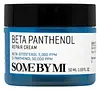
Water, Panthenol, Dipropylene Glycol, Propanediol, Methylpropanediol, Betaine, Octyldodecanol, 1,2-Hexanediol, Candida Bombicola/Glucose/Methyl Rapeseedate Ferment, Palmitic Acid, Hydroxyethyl Acrylate/Sodium Acryloyldimethyl Taurate Copolymer, Glycerin, Stearic Acid, Beta-Sitosterol 0.5%, Squalane, Vinyldimethicone, Ammonium Acryloyldimethyltaurate/Vp Copolymer, Jojoba Esters, Glyceryl Stearate, Stearyl Alcohol, Cetyl Alcohol, Polymethylsilsesquioxane, Phytosterols, Helianthus Annuus Seed Wax, Sodium Stearoyl Glutamate, Ethylhexylglycerin, Helianthus Annuus Seed Oil, Hydroxyethylcellulose, Xanthan Gum, Dipotassium Glycyrrhizate, Hydrogenated Lecithin, Sorbitan Isostearate, Sorbitan Olivate, Adenosine, Cetearyl Olivate, Citric Acid, Musa Sapientum Fruit Extract, Rosa Damascena Flower Water, Sodium Phytate, Pyrus Communis Fruit Extract, Biosaccharide Gum-1, Prunus Domestica Fruit Extract, Cucumis Melo Fruit Extract, Carthamus Tinctorius Seed Oil, Butyrospermum Parkii Butter, Polyglycerin-3, Butylene Glycol, Hedera Helix Leaf/Stem Extract, Disodium Phosphate, Sodium Phosphate, Tocopherol, Lactococcus Ferment Lysate, Bifida Ferment Lysate, Acetyl Hexapeptide-8, Lactobacillus Ferment Lysate, Copper Tripeptide-1, Palmitoyl Tripeptide-5, Palmitoyl Tripeptide-1, Palmitoyl Pentapeptide-4, Nonapeptide-1, Carnosine, Acetyl Tetrapeptide-9, Acetyl Tetrapeptide-5, Acetyl Tetrapeptide-2, Acetyl Octapeptide-3, Acetyl Tetrapeptide-3
Water
Skin ConditioningCaprylic/Capric Triglyceride
Masking
Glycerin
Humectant
Butyrospermum Parkii Butter
Skin Conditioning
Olus Oil
Emollient
Cetyl Lactate
EmollientPropanediol
Solvent
C12-16 Alcohols
EmollientCaprylyl Caprylate/Caprate
Emollient
Jojoba Oil/Macadamia Seed Oil Esters
Skin Conditioning
Glyceryl Stearate Citrate
Emollient
Palmitic Acid
Emollient
Hydrogenated Lecithin
Emulsifying
Oryza Sativa Bran Extract
Skin Conditioning
Dilinoleic Acid/Propanediol Copolymer
EmollientSqualene
Emollient
Ophiopogon Japonicus Root Extract
Skin ConditioningXanthan Gum
EmulsifyingPhytosteryl Sunflowerseedate
Skin ConditioningGlycine Soja Extract
Skin ConditioningPentylene Glycol
Skin Conditioning
Ceramide NP
Skin Conditioning
Ceramide AP
Skin Conditioning
Ceramide EOP
Skin Conditioning
Hydrolyzed Rice Protein
Skin ConditioningChondrus Crispus Extract
Skin Conditioning
Hydrogenated Vegetable Glycerides
EmollientHelianthus Annuus Extract
Emollient
Sodium Hyaluronate
Humectant
Citric Acid
Buffering
Phytosteryl Macadamiate
Skin Conditioning
Tocopherol
Antioxidant
Rosmarinus Officinalis Leaf Extract
AntimicrobialAloe Barbadensis Leaf Juice
Skin Conditioning
Trisodium Ethylenediamine Disuccinate
Phytosterols
Skin Conditioning
Sodium Lauroyl Lactylate
EmulsifyingGluconolactone
Skin Conditioning



Phenethyl Alcohol
MaskingPhytosphingosine
Skin Conditioning
Cholesterol
Emollient
Carbomer
Emulsion StabilisingPotassium Sorbate
Preservative
Ethylhexylglycerin
Skin ConditioningSodium Benzoate
Masking
Phenoxyethanol
Preservative
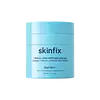
Water, Caprylic/Capric Triglyceride, Glycerin, Butyrospermum Parkii Butter, Olus Oil, Cetyl Lactate, Propanediol, C12-16 Alcohols, Caprylyl Caprylate/Caprate, Jojoba Oil/Macadamia Seed Oil Esters, Glyceryl Stearate Citrate, Palmitic Acid, Hydrogenated Lecithin, Oryza Sativa Bran Extract, Dilinoleic Acid/Propanediol Copolymer, Squalene, Ophiopogon Japonicus Root Extract, Xanthan Gum, Phytosteryl Sunflowerseedate, Glycine Soja Extract, Pentylene Glycol, Ceramide NP, Ceramide AP, Ceramide EOP, Hydrolyzed Rice Protein, Chondrus Crispus Extract, Hydrogenated Vegetable Glycerides, Helianthus Annuus Extract, Sodium Hyaluronate, Citric Acid, Phytosteryl Macadamiate, Tocopherol, Rosmarinus Officinalis Leaf Extract, Aloe Barbadensis Leaf Juice, Trisodium Ethylenediamine Disuccinate, Phytosterols, Sodium Lauroyl Lactylate, Gluconolactone, Phenethyl Alcohol, Phytosphingosine, Cholesterol, Carbomer, Potassium Sorbate, Ethylhexylglycerin, Sodium Benzoate, Phenoxyethanol
Reviews
Ingredients Explained
These ingredients are found in both products.
Ingredients higher up in an ingredient list are typically present in a larger amount.
This ingredient is also known as shea butter. It is a plant-derived extract from the nuts of the Africa shea tree and one of the most well-studied emollients.
Because it has a high concentration of fatty acids (primarily oleic, stearic, and linoleic) it is able to form a protective barrier on the skin's surface. This helps seal in moisture and prevents transepidermal water loss (TEWL).
In vitro research found an increase in skin hydration by 58% and a decrease in TEWL by 37.8% after 24 hours of applying this ingredient (pretty impressive for a single ingredient!).
Besides hydration, shea butter also contains triterpenes that have anti-inflammatory potential. In particule, lupeol cinnamate has shown the highest anti-inflammatory activity in vivo.
Shea butter also contains vitamins A and E which may contribute to antioxidant activity.
While Shea Butter has an SPF rating of about 3-4, it is not a sunscreen replacement.
This ingredient may not be fungal acne safe because its fatty acids fall within the C11-C24 range that the Malassezia yeast can metabolize.
Learn more about Butyrospermum Parkii ButterCitric Acid is an alpha hydroxy acid (AHA) naturally found in citrus fruits like oranges, lemons, and limes.
Like other AHAs, citric acid can exfoliate skin by breaking down the bonds that hold dead skin cells together. This helps reveal smoother and brighter skin underneath.
However, this exfoliating effect only happens at high concentrations (20%) which can be hard to find in cosmetic products.
Due to this, citric acid is usually included in small amounts as a pH adjuster. This helps keep products slightly more acidic and compatible with skin's natural pH.
In skincare formulas, citric acid can:
While it can provide some skin benefits, research shows lactic acid and glycolic acid are generally more effective and less irritating exfoliants.
Most citric acid used in skincare today is made by fermenting sugars (usually from molasses). This synthetic version is identical to the natural citrus form but easier to stabilize and use in formulations.
Read more about some other popular AHA's here:
Learn more about Citric AcidEthylhexylglycerin is created from glycerin. It is a multitasker ingredient that:
The CIR Expert Panel found minimal skin absorption or sensitization of any kind in a safety assessment. Though this ingredient is considered well-tolerated, a small number of cases of allergic dermatitis have been published since 2002. Just be sure to patch test if you are unsure.
Industry-reported use ranges from 8% in rinse-off products and 2% in leave-on formulations.
Learn more about EthylhexylglycerinGlycerin (or glycerol) is a compound naturally found in your skin. It's a powerhouse humectant that pulls water into the stratum corneum.
Topically, glycerin does several things at once:
Your skin makes glycerin on its own (mostly from sebaceous oil breakdown) and shuttles it to your outermost layer of skin, or your epidermis, via aquaporin-3.
Aquaporin-3 is a transporter that is essential for normal skin hydration, elasticity, and repair. Interestingly, mice lacking in AQP3 have dry and less elastic skin that can be fully corrected with glycerin.
This ingredient is non-irritating, plays well with almost every ingredient, and works across all skin types. Typical use is anywhere between 3-10% but can go up to 79% in some leave-on products.
Just know very high concentrations (>40%) can feel tacky in low humidity.
Glycerin is the name for this ingredient in American English. British English uses Glycerol/Glycerine.
Learn more about GlycerinHydrogenated Lecithin is a more stable version of lecithin.
It's made by taking lecithin (a phospholipid commonly found in soybeans and egg yolks) and hydrogenating it. This just means the unsaturated fatty acids are turned into saturated ones so they don't go bad as easily.
This ingredient is an emollient, emulsifier, and penetration enhancer. As an emollient, it helps soften and hydrate skin by trapping moisture within. As an emulsifier, it prevents oil and water ingredients from separating.
Hydrogenated Lecithin can form tiny spherical structures made of phospholipid bilayers called liposomes. These liposomes are able to capture compounds inside their structure and deliver them through the skin barrier.
Because phospholipids are a natural component of our cell membranes, this ingredient is inherently compatible with skin.
A 2021 study found lecithin-based surfactants were less harsh and more tolerable comared to Sodium Lauryl Sulfate (SLS).
Learn more about Hydrogenated LecithinPalmitic Acid is a fatty acid naturally found in our skin and in many plant and animal sources.
In cosmetics, it is usually derived from palm oil. It serves many purposes in skincare, acting as a cleanser, emollient, and emulsifier.
Interestingly, topically applied Palmitic Acid can be elongated into longer chain fatty acids and ceramides. A 2019 study found low levels of Palmitic Acid lead to slower development of cells, suggesting it plays a role in keeping your skin's renewal process on track.
The CIR (Cosmetic Ingredient Review) panel determined it safe as used in cosmetics at concentrations up to 13%. It is non-irritating and non-sensitizing in clinical studies.
The culprit behind fungal acne, the Malassezia yeast, feeds on fatty acids with carbon chain lengths between C11-C24. Palmitic Acid, at C16, falls right into that sweet spot.
In vitro studies have shown that Palmitic Acid is one of the fatty acids that induce rapid Malassezia growth in lab settings.
It's worth noting that what feeds yeast in a lab doesn't necessarily feed it on your face since formulation and your skin's chemistry play a bigger role.
Learn more about Palmitic AcidPhytosterols are plant-derived sterols (you can think of them as the plant world's version of cholesterol). In cosmetics, this ingredient is usually sourced from soybean, rice bran, shea, sunflower, and other seed oils.
The main actors in this group are β-sitosterol, campesterol, and stigmasterol (the CIR covers 27 phytosterols).
They work by fitting perfectly into your stratum corneum's lipid matrix since they're structurally similar to cholesterol. Here, they reinforce your skin's barrier.
One small in vivo human study showed topical soybean phytosterols sped up barrier recovery within three days on tape-stripped skin.
Broader research credits them with:
Formulation use typically sit under 5%.
Testing in soy-allergic subjects found no sensitization signals, but be sure to patch test if you are unsure or have existing allergies.
Learn more about PhytosterolsPropanediol is an all-star ingredient. It softens, hydrates, and smooths the skin.
It’s often used to:
Propanediol is not likely to cause sensitivity and considered safe to use. It is derived from corn or petroleum with a clear color and no scent.
Learn more about PropanediolTocopherol is a fat-soluble antioxidant known as Vitamin E.
You'll find this ingredient in the vast majority of skincare (for good reason). It works to neutralize free radicals, or unstable molecules generated by UV exposure, pollution, and other environmental stressors, before they can cause oxidative damage to your skin cells.
Topically applied tocopherol has been shown to protect against UV damage by ramping up the skin's own natural defense enzymes.
It also acts as a skin conditioning agent; some studies show that regular topical use can improve the skin's water-binding capacity over 2-4 weeks.
This ingredient is especially loved for being a team player. When combined with Vitamin C, the photoprotective effect of both ingredients roughly doubles and the combo also helps reduce UV-induced DNA damage.
This ingredient has some brightening potential but it's more of a prevention ingredient than spot-fader. Cell studies show it can slow down melanin production but it's worth noting that it's not the most powerful brightener out there.
In formulations, it also serves as a stabilizer that helps protect other oxidation-prone ingredients from degrading.
Concentrations usually range from 0.1-1% in most leave-on products.
Learn more about TocopherolWater. It's the most common cosmetic ingredient of all. You'll usually see it at the top of ingredient lists, meaning that it makes up the largest part of the product.
So why is it so popular? Water most often acts as a solvent - this means that it helps dissolve other ingredients into the formulation.
You'll also recognize water as that liquid we all need to stay alive. If you see this, drink a glass of water. Remember to stay hydrated!
Learn more about WaterXanthan gum is used as a stabilizer and thickener within cosmetic products. It helps give products a sticky, thick feeling - preventing them from being too runny.
On the technical side of things, xanthan gum is a polysaccharide - a combination consisting of multiple sugar molecules bonded together.
Xanthan gum is a pretty common and great ingredient. It is a natural, non-toxic, non-irritating ingredient that is also commonly used in food products.
Learn more about Xanthan Gum
