Sachi Skin Future Veil Firm & Repair Peptide Cream Versus Skinfix Barrier+ Triple Lipid-Peptide Cream
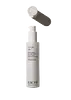
This anti-aging moisturizer is formulated around Ceramide EOP and Tripeptide-29 to soften the look of wrinkles and strengthen the skin barrier.
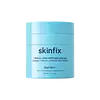
This barrier-repair moisturizer is formulated around Butyrospermum Parkii Butter and Ceramide NP to strengthen the skin barrier and hydrate skin.


What's inside
What's inside
 Key Ingredients
Benefits
Concerns
Ingredients Side-by-side
Water
Skin ConditioningGlycerin
Humectant


Squalane
Emollient
Isononyl Isononanoate
EmollientPropanediol
Solvent
1,2-Hexanediol
Skin Conditioning
Pentylene Glycol
Skin Conditioning
Arachidyl Alcohol
Emollient
Behenyl Alcohol
Emollient
Boron Nitride
Absorbent
C10-18 Triglycerides
Emollient

Mangifera Indica Seed Butter
Skin Conditioning
Punica Granatum Sterols
Skin Conditioning
Ceramide EOP
Skin Conditioning


Oligopeptide-1
Skin Conditioning


Tripeptide-29
Skin Conditioning
Bisabolol
Antioxidant
Sodium PCA
Humectant
Sodium Lactate
Buffering
Ceramide AP
Skin Conditioning
Ceramide NP
Skin Conditioning
Tephrosia Purpurea Seed Extract
Skin ConditioningGlycyrrhiza Glabra Root Extract
Bleaching
Arginine
Masking
Leuconostoc/Radish Root Ferment Filtrate
Antimicrobial
Punica Granatum Fruit Extract
Antioxidant
Boswellia Serrata Gum
Masking
Saccharomyces/Copper Ferment
Skin Conditioning
Saccharomyces/Iron Ferment
Skin Conditioning
Saccharomyces/Magnesium Ferment
Saccharomyces/Silicon Ferment
Skin Conditioning
Saccharomyces/Zinc Ferment
Skin Conditioning
PCA
Humectant
Citric Acid
Buffering
Lactobacillus Ferment
Skin Conditioning
Glycine
Buffering
Alanine
Masking
Micrococcus Lysate
Skin ConditioningHydrolyzed Gardenia Florida Extract
Antioxidant
Serine
Masking
Valine
MaskingCholesterol
Emollient
Sodium Benzoate
Masking
Isoleucine
Skin ConditioningProline
Skin Conditioning
Threonine
Potassium Sorbate
Preservative
Zingiber Officinale Root Extract
Masking
Histidine
Humectant
Phenylalanine
Masking
Behenic Acid
Cleansing
Cetearyl Alcohol
Emollient



Arachidyl Glucoside
EmulsifyingPolyacrylate Crosspolymer-6
Emulsion StabilisingGlyceryl Stearate Citrate
Emollient
Hydroxyacetophenone
Antioxidant
Hydroxyethyl Acrylate/Sodium Acryloyldimethyl Taurate Copolymer
Emulsion StabilisingIsostearyl Alcohol
Emollient
Glyceryl Polyacrylate
Butylene Glycol
Humectant
Aspartic Acid
Masking
Maltodextrin
Absorbent
Polyglyceryl-10 Stearate
Skin Conditioning
Triethyl Citrate
Masking
Polyglyceryl-6 Behenate
Emulsion Stabilising
Glyceryl Stearate
Emollient
Phytosphingosine
Skin Conditioning
Sodium Levulinate
Skin ConditioningSodium Cetearyl Sulfate
Cleansing
Water, Glycerin, Squalane, Isononyl Isononanoate, Propanediol, 1,2-Hexanediol, Pentylene Glycol, Arachidyl Alcohol, Behenyl Alcohol, Boron Nitride, C10-18 Triglycerides, Mangifera Indica Seed Butter, Punica Granatum Sterols, Ceramide EOP, Oligopeptide-1, Tripeptide-29, Bisabolol, Sodium PCA, Sodium Lactate, Ceramide AP, Ceramide NP, Tephrosia Purpurea Seed Extract, Glycyrrhiza Glabra Root Extract, Arginine, Leuconostoc/Radish Root Ferment Filtrate, Punica Granatum Fruit Extract, Boswellia Serrata Gum, Saccharomyces/Copper Ferment, Saccharomyces/Iron Ferment, Saccharomyces/Magnesium Ferment, Saccharomyces/Silicon Ferment, Saccharomyces/Zinc Ferment, PCA, Citric Acid, Lactobacillus Ferment, Glycine, Alanine, Micrococcus Lysate, Hydrolyzed Gardenia Florida Extract, Serine, Valine, Cholesterol, Sodium Benzoate, Isoleucine, Proline, Threonine, Potassium Sorbate, Zingiber Officinale Root Extract, Histidine, Phenylalanine, Behenic Acid, Cetearyl Alcohol, Arachidyl Glucoside, Polyacrylate Crosspolymer-6, Glyceryl Stearate Citrate, Hydroxyacetophenone, Hydroxyethyl Acrylate/Sodium Acryloyldimethyl Taurate Copolymer, Isostearyl Alcohol, Glyceryl Polyacrylate, Butylene Glycol, Aspartic Acid, Maltodextrin, Polyglyceryl-10 Stearate, Triethyl Citrate, Polyglyceryl-6 Behenate, Glyceryl Stearate, Phytosphingosine, Sodium Levulinate, Sodium Cetearyl Sulfate
Water
Skin ConditioningCaprylic/Capric Triglyceride
Masking
Glycerin
Humectant
Butyrospermum Parkii Butter
Skin Conditioning
Olus Oil
Emollient
Cetyl Lactate
EmollientPropanediol
Solvent
C12-16 Alcohols
EmollientCaprylyl Caprylate/Caprate
Emollient
Jojoba Oil/Macadamia Seed Oil Esters
Skin Conditioning
Glyceryl Stearate Citrate
Emollient
Palmitic Acid
Emollient
Hydrogenated Lecithin
Emulsifying
Oryza Sativa Bran Extract
Skin Conditioning
Dilinoleic Acid/Propanediol Copolymer
EmollientSqualene
Emollient
Ophiopogon Japonicus Root Extract
Skin ConditioningXanthan Gum
EmulsifyingPhytosteryl Sunflowerseedate
Skin ConditioningGlycine Soja Extract
Skin ConditioningPentylene Glycol
Skin Conditioning
Ceramide NP
Skin Conditioning
Ceramide AP
Skin Conditioning
Ceramide EOP
Skin Conditioning
Hydrolyzed Rice Protein
Skin ConditioningChondrus Crispus Extract
Skin Conditioning
Hydrogenated Vegetable Glycerides
EmollientHelianthus Annuus Extract
Emollient
Sodium Hyaluronate
Humectant
Citric Acid
Buffering
Phytosteryl Macadamiate
Skin Conditioning
Tocopherol
Antioxidant
Rosmarinus Officinalis Leaf Extract
AntimicrobialAloe Barbadensis Leaf Juice
Skin Conditioning
Trisodium Ethylenediamine Disuccinate
Phytosterols
Skin Conditioning
Sodium Lauroyl Lactylate
EmulsifyingGluconolactone
Skin Conditioning


Phenethyl Alcohol
MaskingPhytosphingosine
Skin Conditioning
Cholesterol
Emollient
Carbomer
Emulsion StabilisingPotassium Sorbate
Preservative
Ethylhexylglycerin
Skin ConditioningSodium Benzoate
Masking
Phenoxyethanol
Preservative
Water, Caprylic/Capric Triglyceride, Glycerin, Butyrospermum Parkii Butter, Olus Oil, Cetyl Lactate, Propanediol, C12-16 Alcohols, Caprylyl Caprylate/Caprate, Jojoba Oil/Macadamia Seed Oil Esters, Glyceryl Stearate Citrate, Palmitic Acid, Hydrogenated Lecithin, Oryza Sativa Bran Extract, Dilinoleic Acid/Propanediol Copolymer, Squalene, Ophiopogon Japonicus Root Extract, Xanthan Gum, Phytosteryl Sunflowerseedate, Glycine Soja Extract, Pentylene Glycol, Ceramide NP, Ceramide AP, Ceramide EOP, Hydrolyzed Rice Protein, Chondrus Crispus Extract, Hydrogenated Vegetable Glycerides, Helianthus Annuus Extract, Sodium Hyaluronate, Citric Acid, Phytosteryl Macadamiate, Tocopherol, Rosmarinus Officinalis Leaf Extract, Aloe Barbadensis Leaf Juice, Trisodium Ethylenediamine Disuccinate, Phytosterols, Sodium Lauroyl Lactylate, Gluconolactone, Phenethyl Alcohol, Phytosphingosine, Cholesterol, Carbomer, Potassium Sorbate, Ethylhexylglycerin, Sodium Benzoate, Phenoxyethanol
Reviews
Ingredients Explained
These ingredients are found in both products.
Ingredients higher up in an ingredient list are typically present in a larger amount.
Ceramide AP is is a skin-identical lipid that mimics what your skin already makes naturally. Ceramides help maintain epidermal integrity and barrier function.
You'll often see this ingredient paired with other ceramides (like ceramide NP), cholesterol, or fatty acids because this combination best mimics the natural lipid mix your skin already has.
The skin's ability to produce ceramides gets disrupted in skin conditions like eczema. This in turn weakens the skin barrier and applying ceramides topically has been shown to replenish what's been lost to restore barrier function.
Most of the studies with Ceramide AP test it as part of a multi-ceramide complex; studies reinforce ceramide AP's role in rebalancing ceramides in skin and improving skin hydration.
Learn more about Ceramide APCeramide EOP is formally known as Ceramide 1.
It is naturally found in skin and part of the intercellular "mortar" holding everything together in your outermost layer.
EOP stands for a linked Ester fatty acid, a linked Omega hydroxy fatty acid, and the Phytosphingosine base.
What makes Ceramide EOP special is its ultra-long fatty acid chain; this unique structure allows it to bridge the lipid layers in your skin barrier to prevent water loss (something no other ceramide can do).
Low levels of Ceramide EOP have been found in people with eczema and psoriasis.
Using it together with other ceramides, cholesterol, and linoleic acid have been shown to meaningfully improve hydration and reduce water loss.
In one clinical study, a regimen using Ceramide EOP, NP, and AP led to significant symptom improvements in patients with eczema, psoriasis, and dry skin in just 4 weeks.
You'll usually see concentrations between 0.1-0.5% in formulations. Overall, this is a well-tolerated and safe ingredient for cosmetic use.
Learn more about Ceramide EOPCeramide NP (formerly known as Ceramide 3) is one of the skin's naturally occurring lipids.
Since ceramides are the major lipid components of the skin, they are crucial for maintaining skin barrier and hydration. Ceramide NP most closely mirrors the dominant kind in human skin amongst ceramide subtypes.
This ceramide works by slotting into gaps within the stratum corneum's lipid matrix to limit trans-epidermal water loss (TEWL) and shield the skin against external irritants.
A study with 312 patients found that using a ceramide-containing routine for 4 weeks reduced the severity of atopic dermatitis by over 61%.
Another clinical study in subjects aged 60 and older found that a ceramide body wash and moisturizer improved skin dryness and itchy skin in 15 days.
Overall, ceramides are considered non-irritating and safety tests have found little to no observable adverse effects from using this ingredient.
Ceramide NP is usually sourced from plants (like soybean or rice bran), or produced synthetically.
Learn more about Ceramide NPCholesterol is a lipid that is naturally found in human skin and is one of the three key components of your skin barrier. In skincare, it is an emollient and barrier-repairing ingredient.
It works by fitting directly into the lipid layers of skin to help restore structure and reduce transepidermal water loss (TEWL).
This is a great ingredient for dry, compromised, or aging skin; our skin starts to produce less cholesterol with age.
Research shows cholesterol works best in combination with ceramides and fatty acids, the other two major components in your skin barrier.
Cholesterol is also a well-establish penetration enhancer and can help other actives absorb more effectively.
Cosmetic-grade cholesterol is usually derived from lanolin but plant and synthetic options also exist. We recommend reaching out to the brand if you have questions about their source of cholesterol.
Learn more about CholesterolCitric Acid is an alpha hydroxy acid (AHA) naturally found in citrus fruits like oranges, lemons, and limes.
Like other AHAs, citric acid can exfoliate skin by breaking down the bonds that hold dead skin cells together. This helps reveal smoother and brighter skin underneath.
However, this exfoliating effect only happens at high concentrations (20%) which can be hard to find in cosmetic products.
Due to this, citric acid is usually included in small amounts as a pH adjuster. This helps keep products slightly more acidic and compatible with skin's natural pH.
In skincare formulas, citric acid can:
While it can provide some skin benefits, research shows lactic acid and glycolic acid are generally more effective and less irritating exfoliants.
Most citric acid used in skincare today is made by fermenting sugars (usually from molasses). This synthetic version is identical to the natural citrus form but easier to stabilize and use in formulations.
Rosacea skin has a lower threshold for acids generally, with 62.5% of rosacea subjects in one study reacting to lactic acid in a sting test. This is why we mark citric acid as a potential rosacea trigger.
However, this ingredient shows up as a pH adjuster or chelator at roughly 0.1-1% in many products. These low levels are unlikely to be an issue for rosacea skin and becomes a potential trigger at exfoliating concentrations (20%). Because everybody's skin is unique, we recommend a patch test if you are unsure.
Learn more about Citric AcidGlycerin (or glycerol) is a compound naturally found in your skin. It's a powerhouse humectant that pulls water into the stratum corneum.
Topically, glycerin does several things at once:
Your skin makes glycerin on its own (mostly from sebaceous oil breakdown) and shuttles it to your outermost layer of skin, or your epidermis, via aquaporin-3.
Aquaporin-3 is a transporter that is essential for normal skin hydration, elasticity, and repair. Interestingly, mice lacking in AQP3 have dry and less elastic skin that can be fully corrected with glycerin.
This ingredient is non-irritating, plays well with almost every ingredient, and works across all skin types. Typical use is anywhere between 3-10% but can go up to 79% in some leave-on products.
Just know very high concentrations (>40%) can feel tacky in low humidity.
Glycerin is the name for this ingredient in American English. British English uses Glycerol/Glycerine.
Learn more about GlycerinGlyceryl Stearate Citrate is a citric acid ester of glyceryl stearate.
It is an emulsifier, emollient, and a surfactant.
Emulsifiers help stabilize a product. It does this by preventing certain ingredients from separating. Common ingredients include oils and water, which do not mix naturally. Emulsifiers have properties that help keep ingredients such as these together.
Emollients help soothe and soften the skin. They do this by creating a protective film on your skin. This barrier helps trap moisture and keeps your skin hydrated. Emollients may be effective at treating dry or itchy skin.
Surfactants help gather oils, dirt, and other pollutants from the skin. This helps them to be easily rinsed away.
Learn more about Glyceryl Stearate CitratePentylene Glycol (1,2-pentanediol) is a multitasking little diol with three main roles in a formula:
Research on alkanediols (the family pentylene glycol belongs to) show they work by disrupting microbial cell membranes. This disruption helps the primary preservative system in a product work more effectively at lower doses.
On the safety side, the Cosmetic Ingredient Review Expert Panel has concluded this ingredient to be safe as used in current cosmetic practices + concentrations.
Typical use levels in a formula run about 1-5%.
Learn more about Pentylene GlycolPhytosphingosine is a phospholipid naturally found in our skin as a building block for ceramides.. It helps moisturize, soothe, and protect skin.
Phytosphingosine contributes to your skin's natural moisturizing factor (NMF). The NMF is responsible for hydration, a strong barrier, and plasticity. Our NMF decreases with age. Increasing NMF leads to more healthy and hydrated skin.
Studies show products formulated with NMF ingredients help strengthen our skin's barrier. Having a healthy skin barrier reduces irritation and increases hydration. Our skin barrier is responsible for having plump and firm skin. It also helps protect our skin against infection, allergies, and inflammation.
Fun fact: Phytosphingosine is abundant in plants and fungi.
More ingredients that help boost collagen in skin:
Learn more about PhytosphingosinePotassium Sorbate is a preservative used to prevent yeast and mold in products. It is commonly found in both cosmetic and food products.
This ingredient comes from potassium salt derived from sorbic acid. Sorbic acid is a natural antibiotic and effective against fungus.
Both potassium sorbate and sorbic acid can be found in baked goods, cheeses, dried meats, dried fruit, ice cream, pickles, wine, yogurt, and more.
You'll often find this ingredient used with other preservatives.
Learn more about Potassium SorbatePropanediol is an all-star ingredient. It softens, hydrates, and smooths the skin.
It’s often used to:
Propanediol is not likely to cause sensitivity and considered safe to use. It is derived from corn or petroleum with a clear color and no scent.
Learn more about PropanediolSodium Benzoate is a preservative. It's used in both cosmetic and food products to inhibit the growth of mold and bacteria. It is typically produced synthetically.
Both the US FDA and EU Health Committee have approved the use of sodium benzoate. In the US, levels of 0.1% (of the total product) are allowed.
Sodium benzoate works as a preservative by inhibiting the growth of bacteria inside of cells. It prevents the cell from fermenting a type of sugar using an enzyme called phosphofructokinase.
It is the salt of benzoic acid. Foods containing sodium benzoate include soda, salad dressings, condiments, fruit juices, wines, and snack foods.
Studies for using ascorbic acid and sodium benzoate in cosmetics are lacking, especially in skincare routines with multiple steps.
We always recommend speaking with a professional, such as a dermatologist, if you have any concerns.
Learn more about Sodium BenzoateWater. It's the most common cosmetic ingredient of all. You'll usually see it at the top of ingredient lists, meaning that it makes up the largest part of the product.
So why is it so popular? Water most often acts as a solvent - this means that it helps dissolve other ingredients into the formulation.
You'll also recognize water as that liquid we all need to stay alive. If you see this, drink a glass of water. Remember to stay hydrated!
Learn more about Water

