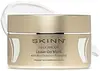
This hydrating overnight mask is formulated around Aloe Barbadensis Leaf Juice and Butyrospermum Parkii Butter to hydrate skin and strengthen the skin barrier.
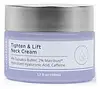
This anti-aging night moisturizer is formulated around Aloe Barbadensis Leaf Juice and Hydrolyzed Hyaluronic Acid to soften the look of wrinkles and hydrate skin.

What's inside
What's inside
 Key Ingredients
Benefits
Concerns
Ingredients Side-by-side
Aloe Barbadensis Leaf Juice
Skin Conditioning


Butyrospermum Parkii Butter
Skin Conditioning





Carthamus Tinctorius Seed Oil
Masking
Squalane
Emollient
Glycerin
Humectant
Glyceryl Stearate
Emollient
PEG-100 Stearate
Surfactant
Coconut Alkanes
Emollient
Coco-Caprylate/Caprate
Emollient
Pinus Sylvestris Cone Extract
Masking
Ribes Nigrum Bud Extract
Perfuming
Hydrolyzed Rice Protein
Skin ConditioningAlpha-Glucan Oligosaccharide
Cleansing
Polymnia Sonchifolia Root Juice
Skin ConditioningMaltodextrin
Absorbent
Lactobacillus
Skin ConditioningGlaucine
Skin ConditioningWater
Skin ConditioningMenyanthes Trifoliata Leaf Extract
Skin ConditioningCamellia Sinensis Leaf Extract
Antimicrobial



Tuber Aestivum Extract
Skin ProtectingPhospholipids
Skin Conditioning
Aesculus Hippocastanum Bark Extract
AstringentTamarindus Indica Seed Polysaccharide
Skin ConditioningSodium PCA
Humectant
Sorbitol
Humectant
Glycine
Buffering
Alanine
Masking
Proline
Skin Conditioning
Serine
Masking
Threonine
Arginine
Masking
Lysine
Skin ConditioningGlutamic Acid
Humectant
Pentylene Glycol
Skin Conditioning
Calcium Hydroxymethionine
Skin Conditioning3-Aminopropane Sulfonic Acid
SurfactantPolysorbate 20
Emulsifying
Hydroxyethylcellulose
Emulsion StabilisingHelianthus Annuus Seed Oil
Emollient
Lavandula Angustifolia Oil
Masking


Lavandula Hybrida Oil
Emollient
Pelargonium Graveolens Flower Oil
Masking
Anthemis Nobilis Flower Oil
Masking
Cananga Odorata Flower Oil
Masking
Citrus Limon Peel Oil
Masking
Citrus Aurantium Bergamia Fruit Oil
Masking
Rosa Damascena Flower Oil
Masking
Eucalyptus Globulus Leaf Oil
Perfuming
Vinyl Dimethicone/Methicone Silsesquioxane Crosspolymer

Cetearyl Alcohol
Emollient
Ceteareth-20
Cleansing
Alcohol Denat.
Antimicrobial
Disodium EDTA
ChelatingSodium Polyacrylate
Absorbent
Hydrogenated Polydecene
EmollientTrideceth-6
EmulsifyingPotassium Sorbate
Preservative
Citric Acid
Buffering
Sodium Benzoate
Masking
Phenoxyethanol
Preservative
Caprylyl Glycol
Emollient
Chlorphenesin
Antimicrobial
Aloe Barbadensis Leaf Juice, Butyrospermum Parkii Butter, Carthamus Tinctorius Seed Oil, Squalane, Glycerin, Glyceryl Stearate, PEG-100 Stearate, Coconut Alkanes, Coco-Caprylate/Caprate, Pinus Sylvestris Cone Extract, Ribes Nigrum Bud Extract, Hydrolyzed Rice Protein, Alpha-Glucan Oligosaccharide, Polymnia Sonchifolia Root Juice, Maltodextrin, Lactobacillus, Glaucine, Water, Menyanthes Trifoliata Leaf Extract, Camellia Sinensis Leaf Extract, Tuber Aestivum Extract, Phospholipids, Aesculus Hippocastanum Bark Extract, Tamarindus Indica Seed Polysaccharide, Sodium PCA, Sorbitol, Glycine, Alanine, Proline, Serine, Threonine, Arginine, Lysine, Glutamic Acid, Pentylene Glycol, Calcium Hydroxymethionine, 3-Aminopropane Sulfonic Acid, Polysorbate 20, Hydroxyethylcellulose, Helianthus Annuus Seed Oil, Lavandula Angustifolia Oil, Lavandula Hybrida Oil, Pelargonium Graveolens Flower Oil, Anthemis Nobilis Flower Oil, Cananga Odorata Flower Oil, Citrus Limon Peel Oil, Citrus Aurantium Bergamia Fruit Oil, Rosa Damascena Flower Oil, Eucalyptus Globulus Leaf Oil, Vinyl Dimethicone/Methicone Silsesquioxane Crosspolymer, Cetearyl Alcohol, Ceteareth-20, Alcohol Denat., Disodium EDTA, Sodium Polyacrylate, Hydrogenated Polydecene, Trideceth-6, Potassium Sorbate, Citric Acid, Sodium Benzoate, Phenoxyethanol, Caprylyl Glycol, Chlorphenesin
Water
Skin ConditioningAloe Barbadensis Leaf Juice
Skin Conditioning
Diisooctyl Succinate
Emollient
Theobroma Grandiflorum Seed Butter
Skin Conditioning
Diisopropyl Dimer Dilinoleate
Emollient
Propanediol
Solvent
Limnanthes Alba Seed Oil
Skin Conditioning
Hydrogenated Ethylhexyl Olivate
EmollientHydrogenated Olive Oil Unsaponifiables
Emollient
Caprylic/Capric Triglyceride
Masking
Simmondsia Chinensis Seed Oil
Emollient
Cetearyl Olivate
Sorbitan Olivate
Emulsifying
Cetearyl Alcohol
Emollient
Cetyl Palmitate
Emollient
Sorbitan Palmitate
Emulsifying
Sorbitan Oleate
Emulsifying
Hydrolyzed Hyaluronic Acid
Humectant
Piperonyl Glucoside
Skin ProtectingGlycerin
Humectant
Lecithin
Emollient
Caffeine
Skin Conditioning
Palmitoyl Carnitine
Skin ConditioningHydrolyzed Plukenetia Volubilis Seed Extract
Emulsion StabilisingGeranium Maculatum Extract
TonicEquisetum Arvense Extract
AstringentHamamelis Virginiana Bark/Leaf/Twig Extract
Skin Conditioning
Taraxacum Officinale Extract
Skin ConditioningPropolis Extract
Skin Conditioning

Camellia Sinensis Leaf Extract
Antimicrobial
Centella Asiatica Extract
Cleansing
Oryza Sativa Bran Extract
Skin Conditioning
Rosmarinus Officinalis Leaf Extract
AntimicrobialHelianthus Annuus Seed Extract
Skin Conditioning
Tocopherol
Antioxidant

Simmondsia Chinensis Seed Extract
Abrasive
Tamarindus Indica Seed Polysaccharide
Skin ConditioningLavandula Angustifolia Oil
Masking
Citric Acid
Buffering
Sclerotium Gum
Emulsion StabilisingPotassium Sorbate
Preservative
Sodium Benzoate
Masking
1,2-Hexanediol
Skin Conditioning
Caprylyl Glycol
Emollient
Lonicera Caprifolium Flower Extract
Perfuming
Lonicera Japonica Flower Extract
Skin ConditioningWater, Aloe Barbadensis Leaf Juice, Diisooctyl Succinate, Theobroma Grandiflorum Seed Butter, Diisopropyl Dimer Dilinoleate, Propanediol, Limnanthes Alba Seed Oil, Hydrogenated Ethylhexyl Olivate, Hydrogenated Olive Oil Unsaponifiables, Caprylic/Capric Triglyceride, Simmondsia Chinensis Seed Oil, Cetearyl Olivate, Sorbitan Olivate, Cetearyl Alcohol, Cetyl Palmitate, Sorbitan Palmitate, Sorbitan Oleate, Hydrolyzed Hyaluronic Acid, Piperonyl Glucoside, Glycerin, Lecithin, Caffeine, Palmitoyl Carnitine, Hydrolyzed Plukenetia Volubilis Seed Extract, Geranium Maculatum Extract, Equisetum Arvense Extract, Hamamelis Virginiana Bark/Leaf/Twig Extract, Taraxacum Officinale Extract, Propolis Extract, Camellia Sinensis Leaf Extract, Centella Asiatica Extract, Oryza Sativa Bran Extract, Rosmarinus Officinalis Leaf Extract, Helianthus Annuus Seed Extract, Tocopherol, Simmondsia Chinensis Seed Extract, Tamarindus Indica Seed Polysaccharide, Lavandula Angustifolia Oil, Citric Acid, Sclerotium Gum, Potassium Sorbate, Sodium Benzoate, 1,2-Hexanediol, Caprylyl Glycol, Lonicera Caprifolium Flower Extract, Lonicera Japonica Flower Extract
Ingredients Explained
These ingredients are found in both products.
Ingredients higher up in an ingredient list are typically present in a larger amount.
Aloe Barbadensis Leaf Juice is the filtered, stabilized liquid pressed from the inner gel of the aloe vera leaf.
In cosmetics, it shows up as either soothing active or a water-replacement base. It is roughly 98-99% water and the last 1-2% is an interesting mix of polysaccharides, amino acids, vitamins, minerals, and enzymes.
The polysaccharides do most of the work: they bind water at the skin surface for a light, non-greasy hydration boost. And one of the polysaccharides, glycomannan, is linked to fibroblast stimulation + collagen synthesis. This is also why aloe has such a long track record in wound and burn healing.
This ingredient is also calming with anti-inflammatory and mild antimicrobial activity, making it a great pick for sensitive, irritated, or post-sun skin.
Realistic expectations matter though; the solid evidence is mostly limited to hydration, soothing, and wound support. Deeper claims about anti-aging or sun protection are not well backed, and science reviews note it does not prevent radiation-induced skin injury.
Because it plays well with almost everything, it's commonly used as a base alongside other actives like niacinamide or vitamin C.
Typical usage concentrations range from 0.5% (where hydration benefits already show up) all the way to 90%+ (where it replaces water as the main base).
The safety for this ingredient is well-establish as well. Overall, this is a great supporting ingredient for those who want a boost in hydration.
Learn more about Aloe Barbadensis Leaf JuiceCamellia Sinensis Leaf Extract (tea extract) is one of the most well-researched plant extracts in skincare with an impressive resume.
Black tea, green tea, and oolong tea are all harvested from the Camellia Sinensis plant.
Studies show green tea extract and its catechins (like epigallocatechin gallate (EGCG)) help your skin cells product energy more efficiently and reducing the number of free-radicals that can damage your skin from the inside.
In lab-grown skin models, this translated to younger, healthier, and stronger skin.
There's also good sun protection data; researchers saw less DNA damage and redness on human skin when green tea was applied before UVB exposure. And the more they applied, the better the protection.
Needless to say, this ingredient shouldn't replace your sunscreen. But it is a great supportive ingredient that you can already find in many sunscreens and antioxidant serums.
A 2009 study found a 2% green tea lotion was effective for mild-to-moderate acne thanks to its anti-inflammatory and mild antimicrobial activity.
The quality of the extract matters a lot here:
Good extracts contain 50-90% catechins while lower quality ones are mostly there for marketing. We recommend reaching out to the brand if you have questions about the quality or source of their ingredients.
Human Repeated Insult Patch Testing showed no irritation or sensitization at use concentrations (0.86% in leave-on products and up to 30% as leaf water).
Learn more about Camellia Sinensis Leaf ExtractCaprylyl Glycol is a humectant, skin conditioner, emollient, and preservative booster derived from either caprylic acid or synthetically created.
Typical use levels vary from 0.3-1% as a preservative booster and go up to 2% to condition skin.
Because it is not a free-fatty acid, this ingredient is fungal acne safe (there's nothing for Malassezia to feed on).
Learn more about Caprylyl GlycolCetearyl alcohol is a waxy mixture of two fatty alcohols: cetyl alcohol and stearyl alcohol. It is an emollient and emulsifier.
Despite having "alcohol" in its name, it has nothing to do with drying solvent alcohols; the FDA also allows "alcohol-free" products to contain fatty alcohols like this ingredient.
It plays several roles in a formula:
Typical use levels for this ingredient sit around 1-10% and the Cosmetic Ingredient Review Expert Panel has affirmed safety at concentrations up to 25% in leave-on products.
Multiple assessments have found it to be non-irritating and non-sensitizing to most people.
However, there have been some cases of allergic contact dermatitis in patients with chronically compromised skin barriers.
Cetearyl alcohol has a comedogenic rating of 2 and irritancy rating of 1. Both of these numbers come from the 1989 study that used rabbit ears; a "2" means mildly comedogenic and a "1" means low irritancy.
Here's the catch: rabbit skin is more sensitive than human skin and throws a lot of false positives. A 1996 reappraisal found that ingredients rated 1-2 in the rabbit ear tests are generally safe for humans.
Remember comedogenic ratings are unable to assess the entire formula of a product or how it will react on your skin. Just be sure to patch test if you are unsure about certain ingredients.
This ingredient is not fungal acne safe. Cetearyl alcohol is a fatty alcohol with chain lengths that fall within the range that Malassezia can metabolize.
A 2019 study has also observed Malassezia growth in the presence of this ingredient, confirming it to be not-fungal acne safe.
Learn more about Cetearyl AlcoholCitric Acid is an alpha hydroxy acid (AHA) naturally found in citrus fruits like oranges, lemons, and limes.
Like other AHAs, citric acid can exfoliate skin by breaking down the bonds that hold dead skin cells together. This helps reveal smoother and brighter skin underneath.
However, this exfoliating effect only happens at high concentrations (20%) which can be hard to find in cosmetic products.
Due to this, citric acid is usually included in small amounts as a pH adjuster. This helps keep products slightly more acidic and compatible with skin's natural pH.
In skincare formulas, citric acid can:
While it can provide some skin benefits, research shows lactic acid and glycolic acid are generally more effective and less irritating exfoliants.
Most citric acid used in skincare today is made by fermenting sugars (usually from molasses). This synthetic version is identical to the natural citrus form but easier to stabilize and use in formulations.
Rosacea skin has a lower threshold for acids generally, with 62.5% of rosacea subjects in one study reacting to lactic acid in a sting test. This is why we mark citric acid as a potential rosacea trigger.
However, this ingredient shows up as a pH adjuster or chelator at roughly 0.1-1% in many products. These low levels are unlikely to be an issue for rosacea skin and becomes a potential trigger at exfoliating concentrations (20%). Because everybody's skin is unique, we recommend a patch test if you are unsure.
Learn more about Citric AcidGlycerin (or glycerol) is a compound naturally found in your skin. It's a powerhouse humectant that pulls water into the stratum corneum.
Topically, glycerin does several things at once:
Your skin makes glycerin on its own (mostly from sebaceous oil breakdown) and shuttles it to your outermost layer of skin, or your epidermis, via aquaporin-3.
Aquaporin-3 is a transporter that is essential for normal skin hydration, elasticity, and repair. Interestingly, mice lacking in AQP3 have dry and less elastic skin that can be fully corrected with glycerin.
This ingredient is non-irritating, plays well with almost every ingredient, and works across all skin types. Typical use is anywhere between 3-10% but can go up to 79% in some leave-on products.
Just know very high concentrations (>40%) can feel tacky in low humidity.
Glycerin is the name for this ingredient in American English. British English uses Glycerol/Glycerine.
Learn more about GlycerinLavandula Angustifolia Oil is more commonly known as lavender essential oil. It is considered a fragrancing ingredient.
Lavender imparts a famous scent. While the smell is lovely, this ingredient and may sensitize skin in topical products. This is because about 85% of the oil is made up of linalool and linalyl acetate.
When exposed to air, these two compounds become strong allergens. This ingredient exhibits cytotoxicity at low concentrations; amounts of 0.25% have been shown to damage skin cells.
A study from Japan found this ingredient caused lavender sensitivity after widespread exposure.
Lavender essential oil has some antimicrobial, antibacterial, and anti-inflammatory properties. However, the cons of this ingredient may outweight the pros.
More research is needed to confirm lavender essential oil's effects when used in aromatherapy.
Lavandula Angustifolia is known as the English Lavender and famous for creating purple fields in Provence, France.
Learn more about Lavandula Angustifolia OilPotassium Sorbate is a preservative used to prevent yeast and mold in products. It is commonly found in both cosmetic and food products.
This ingredient comes from potassium salt derived from sorbic acid. Sorbic acid is a natural antibiotic and effective against fungus.
Both potassium sorbate and sorbic acid can be found in baked goods, cheeses, dried meats, dried fruit, ice cream, pickles, wine, yogurt, and more.
You'll often find this ingredient used with other preservatives.
Learn more about Potassium SorbateSodium Benzoate is a preservative. It's used in both cosmetic and food products to inhibit the growth of mold and bacteria. It is typically produced synthetically.
Both the US FDA and EU Health Committee have approved the use of sodium benzoate. In the US, levels of 0.1% (of the total product) are allowed.
Sodium benzoate works as a preservative by inhibiting the growth of bacteria inside of cells. It prevents the cell from fermenting a type of sugar using an enzyme called phosphofructokinase.
It is the salt of benzoic acid. Foods containing sodium benzoate include soda, salad dressings, condiments, fruit juices, wines, and snack foods.
Studies for using ascorbic acid and sodium benzoate in cosmetics are lacking, especially in skincare routines with multiple steps.
We always recommend speaking with a professional, such as a dermatologist, if you have any concerns.
Learn more about Sodium BenzoateWe don't have a description for Tamarindus Indica Seed Polysaccharide yet.
Water. It's the most common cosmetic ingredient of all. You'll usually see it at the top of ingredient lists, meaning that it makes up the largest part of the product.
So why is it so popular? Water most often acts as a solvent - this means that it helps dissolve other ingredients into the formulation.
You'll also recognize water as that liquid we all need to stay alive. If you see this, drink a glass of water. Remember to stay hydrated!
Learn more about Water

