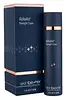
This anti-aging night moisturizer is formulated around Glycolic Acid and Niacinamide to soften the look of wrinkles and refine skin texture.
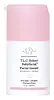
This wash off mask is formulated around Salicylic Acid to clear breakouts and unclog pores.

What's inside
What's inside
 Key Ingredients
Benefits
Concerns
Ingredients Side-by-side
Water
Skin ConditioningSodium Glycolate
BufferingGlycolic Acid
Buffering











Cetearyl Olivate

Pentylene Glycol
Skin Conditioning
Cyclopentasiloxane
Emollient
Isohexadecane
EmollientSorbitan Olivate
Emulsifying
Tetrahexyldecyl Ascorbate
Antioxidant


Glycerin
Humectant
Ceresin
Emulsion StabilisingGlycol Palmitate
Emulsifying
Butylene Glycol
Humectant
Niacinamide
Smoothing

Squalane
Emollient
Methyl Gluceth-20
Humectant
Ethyl Lactyl Retinoate
Abrasive
Palmitoyl Tripeptide-1
Skin Conditioning
Palmitoyl Tetrapeptide-7
Skin Conditioning
Ceramide NP
Skin Conditioning
Hyaluronic Acid
Humectant
Ubiquinone
Antioxidant
Tocopherol
Antioxidant
Bisabolol
Antioxidant
Tocopheryl Acetate
Antioxidant
Superoxide Dismutase
Antioxidant
Butyrospermum Parkii Butter
Skin Conditioning


Allantoin Glycyrrhetinic Acid
Skin ProtectingSodium PCA
Humectant
Panthenol
Skin Conditioning
Camellia Sinensis Leaf Extract
Antimicrobial
Portulaca Oleracea Extract
Skin Conditioning
Linoleic Acid
Cleansing
Cholesterol
Emollient
Linolenic Acid
Cleansing

Magnesium Aluminum Silicate
Absorbent
Dimethyl Isosorbide
SolventDimethicone
Emollient
Glyceryl Stearate
Emollient
PEG-100 Stearate
Surfactant
Steareth-2
EmulsifyingHydroxyethylcellulose
Emulsion StabilisingAcacia Senegal Gum
MaskingXanthan Gum
EmulsifyingHydrated Silica
Abrasive
Carbomer
Emulsion StabilisingPolysorbate 20
Emulsifying
Tromethamine
BufferingDisodium EDTA
ChelatingEthylhexylglycerin
Skin ConditioningPhenoxyethanol
Preservative
CI 77891
Cosmetic ColorantWater, Sodium Glycolate, Glycolic Acid, Cetearyl Olivate, Pentylene Glycol, Cyclopentasiloxane, Isohexadecane, Sorbitan Olivate, Tetrahexyldecyl Ascorbate, Glycerin, Ceresin, Glycol Palmitate, Butylene Glycol, Niacinamide, Squalane, Methyl Gluceth-20, Ethyl Lactyl Retinoate, Palmitoyl Tripeptide-1, Palmitoyl Tetrapeptide-7, Ceramide NP, Hyaluronic Acid, Ubiquinone, Tocopherol, Bisabolol, Tocopheryl Acetate, Superoxide Dismutase, Butyrospermum Parkii Butter, Allantoin Glycyrrhetinic Acid, Sodium PCA, Panthenol, Camellia Sinensis Leaf Extract, Portulaca Oleracea Extract, Linoleic Acid, Cholesterol, Linolenic Acid, Magnesium Aluminum Silicate, Dimethyl Isosorbide, Dimethicone, Glyceryl Stearate, PEG-100 Stearate, Steareth-2, Hydroxyethylcellulose, Acacia Senegal Gum, Xanthan Gum, Hydrated Silica, Carbomer, Polysorbate 20, Tromethamine, Disodium EDTA, Ethylhexylglycerin, Phenoxyethanol, CI 77891
Water
Skin ConditioningGlycolic Acid
Buffering
Hydroxyethyl Acrylate/Sodium Acryloyldimethyl Taurate Copolymer
Emulsion StabilisingGlycerin
Humectant
Sodium Hydroxide
BufferingSalicylic Acid
Masking

Aloe Barbadensis Leaf Extract
Emollient
Camellia Oleifera Leaf Extract
AstringentLactobacillus/Pumpkin Ferment Extract
Skin ConditioningLactobacillus/Punica Granatum Fruit Ferment Extract
Antioxidant
Opuntia Ficus-Indica Extract
Skin Conditioning
Pyrus Malus Fruit Extract
Skin Conditioning
Silybum Marianum Seed Extract
Skin ConditioningSaccharomyces Cerevisiae Extract
Skin Conditioning
Vitis Vinifera Juice Extract
Antioxidant
Camellia Sinensis Leaf Powder
Cicer Arietinum Seed Powder
Abrasive
Sclerocarya Birrea Seed Oil
Humectant
Passiflora Edulis Seed Oil
Emollient
Leuconostoc/Radish Root Ferment Filtrate
Antimicrobial
Sodium Hyaluronate Crosspolymer
Humectant
Sodium PCA
Humectant
Allantoin
Skin Conditioning
Dipotassium Glycyrrhizate
Humectant
Dextrin
AbsorbentPolydextrose
HumectantSorbitan Isostearate
Emulsifying
Amylopectin
Niacinamide
Smoothing
Phytosphingosine
Skin Conditioning
Lactic Acid
Buffering
Propanediol
Solvent
Citric Acid
Buffering
Titanium Dioxide
Cosmetic Colorant

Trisodium Ethylenediamine Disuccinate
ChelatingPolysorbate 60
Emulsifying
Caprylyl Glycol
Emollient
Chlorphenesin
Antimicrobial
Phenoxyethanol
Preservative
Water, Glycolic Acid, Hydroxyethyl Acrylate/Sodium Acryloyldimethyl Taurate Copolymer, Glycerin, Sodium Hydroxide, Salicylic Acid, Aloe Barbadensis Leaf Extract, Camellia Oleifera Leaf Extract, Lactobacillus/Pumpkin Ferment Extract, Lactobacillus/Punica Granatum Fruit Ferment Extract, Opuntia Ficus-Indica Extract, Pyrus Malus Fruit Extract, Silybum Marianum Seed Extract, Saccharomyces Cerevisiae Extract, Vitis Vinifera Juice Extract, Camellia Sinensis Leaf Powder, Cicer Arietinum Seed Powder, Sclerocarya Birrea Seed Oil, Passiflora Edulis Seed Oil, Leuconostoc/Radish Root Ferment Filtrate, Sodium Hyaluronate Crosspolymer, Sodium PCA, Allantoin, Dipotassium Glycyrrhizate, Dextrin, Polydextrose, Sorbitan Isostearate, Amylopectin, Niacinamide, Phytosphingosine, Lactic Acid, Propanediol, Citric Acid, Titanium Dioxide, Trisodium Ethylenediamine Disuccinate, Polysorbate 60, Caprylyl Glycol, Chlorphenesin, Phenoxyethanol
Reviews
Ingredients Explained
These ingredients are found in both products.
Ingredients higher up in an ingredient list are typically present in a larger amount.
Glycerin (or glycerol) is a compound naturally found in your skin. It's a powerhouse humectant that pulls water into the stratum corneum.
Topically, glycerin does several things at once:
Your skin makes glycerin on its own (mostly from sebaceous oil breakdown) and shuttles it to your outermost layer of skin, or your epidermis, via aquaporin-3.
Aquaporin-3 is a transporter that is essential for normal skin hydration, elasticity, and repair. Interestingly, mice lacking in AQP3 have dry and less elastic skin that can be fully corrected with glycerin.
This ingredient is non-irritating, plays well with almost every ingredient, and works across all skin types. Typical use is anywhere between 3-10% but can go up to 79% in some leave-on products.
Just know very high concentrations (>40%) can feel tacky in low humidity.
Glycerin is the name for this ingredient in American English. British English uses Glycerol/Glycerine.
Learn more about GlycerinGlycolic Acid is arguably the most famous alpha hydroxy acid (AHA) with tons of research backing its benefits.
It is found naturally in sugar cane but the form used in skincare is usually synthetic for purity and stability.
Glycolic acid removes the top layer of dead skin cells to allow newer and fresher ones to emerge.
AHAs work by breaking down the structural “glue” that holds old skin cells in place. When that buildup is gone, your skin can renew itself more efficiently.
Research also shows glycolic acid stimulates collagen production, helping to firm and thicken the skin over time. This is one of its biggest advantages over other AHAs.
Overall, glycolic acid helps with:
Fun fact: Glycolic acid boosts skin hydration by helping it produce molecules that increase hyaluronic acid naturally.
To work best, glycolic acid products should have a pH between 3-4 (that’s where exfoliation is most effective but still gentle on skin).
The pH and concentration of a product are key to its effectiveness:
It is normal to feel a slight stinging sensation when using glycolic acid. This usually fades as your skin adjusts.
Because glycolic acid has the smallest molecular size in the AHA family, it can penetrate deeper, which enhances its effectiveness but also makes it more likely to irritate sensitive skin.
If your skin is very sensitive or prone to rosacea, glycolic acid may be too strong; in that case, try milder options like lactic acid or a PHA instead.
Recent studies suggest glycolic acid might even help protect against UV damage. But don’t skip sunscreen! Freshly exfoliated skin is more sensitive to the sun.
Glycolic acid is a skincare superstar. It smooths, brightens, hydrates, and firms the skin. Unless you’re highly sensitive, it’s well worth adding to your routine.
Read more about some other popular AHA's here:
Learn more about Glycolic AcidNiacinamide is a multitasking form of vitamin B3 that strengthens the skin barrier, reduces pores and dark spots, regulates oil, and improves signs of aging.
And the best part? It's gentle and well-tolerated by most skin types, including sensitive and reactive skin.
You might have heard of "niacin flush", or the reddening of skin that causes itchiness. Niacinamide has not been found to cause this.
In very rare cases, some individuals may not be able to tolerate niacinamide at all or experience an allergic reaction to it.
If you are experiencing flaking, irritation, and dryness with this ingredient, be sure to double check all your products as this ingredient can be found in all categories of skincare.
When incorporating niacinamide into your routine, look out for concentration amounts. Typically, 5% niacinamide provides benefits such as fading dark spots. However, if you have sensitive skin, it is better to begin with a smaller concentration.
When you apply niacinamide to your skin, your body converts it into nicotinamide adenine dinucleotide (NAD). NAD is an essential coenzyme that is already found in your cells as "fuel" and powers countless biological processes.
In your skin, NAD helps repair cell damage, produce new healthy cells, support collagen production, strengthen the skin barrier, and fight environmental stressors (like UV and pollution).
Our natural NAD levels start to decline with age, leading to slower skin repair, visible aging, and a weaker skin barrier. By providing your skin niacinamide, you're recharging your skin's NAD levels. This leads to stronger, healthier, and younger looking skin.
Another name for vitamin B3 is nicotinamide. This vitamin is water-soluble and our bodies don't store it. We obtain Vitamin B3 from either food or skincare. Meat, fish, wheat, yeast, and leafy greens contain vitamin B3.
The type of niacinamide used in skincare is synthetically created.
Learn more about NiacinamidePhenoxyethanol is one of the most widely used preservatives in skincare (and for good reason!).
It has a large spectrum of antimicrobial activity and especially effective bacteria, yeast, and mold while only having a weak effect on your skin's natural microbiome.
On a cellular level, it disrupts the cell membranes of microbes by poking holes that make the cell leak. This shuts down the chemical reactions the microbe needs to make energy so it can no longer survive.
Another perk of this ingredient is that it stays functional across a wide pH range (3-10).
You'll often see it paired with boosters like Ethylhexylglycerin; one study showed that a 1:9 ratio of Ethylhexylglycerin to Phenoxyethanol damages bacterial membranes as effectively as doubling the Phenoxyethanol concentration on its own.
Typical use concentrations range from 0.3-1% depending on the formula, and this ingredient is capped at 1% int the EU.
Safety-wise, the fear mongering does not hold up to the evidence. The EU's Scientific Committee on Consumer Safety and FDA consider it safe as a preservative at up to 1%, including for children of all ages.
Adverse systemic effects only showed up in animal studies at exposures roughly 200x higher than what people get from cosmetics. And despite its very widespread use, this ingredient is a rare sensitizer and allergic reactions are uncommon.
Learn more about PhenoxyethanolSodium PCA (the salt of PCA) is one of the most well-established humectants in skincare.
Why is it so special? Your skin already makes it naturally; it's a natural component of your skin's Natural Moisturizing Factor (NMF), or the mix of water-binding compounds inside your skin cells that keeps things soft and hydrated.
As a cosmetic ingredient, it grabs water and holds it in the upper layers of skin to smooth roughness and ease dehydration.
There's some clinical support for the NMF approach with a study showing that a cream built to mimic the skin's NMF significantly boosted hydration.
Safety-wise, this ingredient non-irritating, non-comedogenic, and non-phototoxic in testing, with minimal skin absorption.
It also works really well with other hydrators like glycerin or hyaluronic acid, and typical usage is somewhere between 0.2-4%.
Learn more about Sodium PCAWater. It's the most common cosmetic ingredient of all. You'll usually see it at the top of ingredient lists, meaning that it makes up the largest part of the product.
So why is it so popular? Water most often acts as a solvent - this means that it helps dissolve other ingredients into the formulation.
You'll also recognize water as that liquid we all need to stay alive. If you see this, drink a glass of water. Remember to stay hydrated!
Learn more about Water

