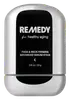
This anti-aging serum is formulated around Helianthus Annuus Seed Oil and Retinal to soften the look of wrinkles and refine skin texture.
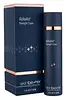
This anti-aging night moisturizer is formulated around Glycolic Acid and Niacinamide to soften the look of wrinkles and refine skin texture.

What's inside
What's inside
 Key Ingredients
Benefits
Concerns
Ingredients Side-by-side
Helianthus Annuus Seed Oil
Emollient



Dimethicone
Emollient

Euphorbia Cerifera Wax
Cetyl Ethylhexanoate
EmollientSynthetic Fluorphlogopite
Octyldodecanol
Emollient
Silica
Abrasive


C12-15 Alkyl Benzoate
AntimicrobialMicrocrystalline Wax
Emulsion StabilisingPolyglyceryl-3 Polydimethylsiloxyethyl Dimethicone
Skin Conditioning
Retinal
Skin Conditioning






Palmitoyl Tetrapeptide-7
Skin Conditioning
Palmitoyl Tripeptide-1
Skin Conditioning
Lactic Acid
Buffering

Spilanthes Acmella Flower/Leaf/Stem Extract
AntimicrobialAstragalus Membranaceus Root Extract
Emollient
C18-36 Acid Triglyceride
EmollientC18-36 Acid Glycol Ester
EmollientCarthamus Tinctorius Seed Oil
Masking
Hydroxyapatite
Abrasive
Sorbitan Laurate
Emulsifying
Tocopherol
Antioxidant


Ubiquinone
Antioxidant
Helianthus Annuus Seed Oil, Dimethicone, Euphorbia Cerifera Wax, Cetyl Ethylhexanoate, Synthetic Fluorphlogopite, Octyldodecanol, Silica, C12-15 Alkyl Benzoate, Microcrystalline Wax, Polyglyceryl-3 Polydimethylsiloxyethyl Dimethicone, Retinal, Palmitoyl Tetrapeptide-7, Palmitoyl Tripeptide-1, Lactic Acid, Spilanthes Acmella Flower/Leaf/Stem Extract, Astragalus Membranaceus Root Extract, C18-36 Acid Triglyceride, C18-36 Acid Glycol Ester, Carthamus Tinctorius Seed Oil, Hydroxyapatite, Sorbitan Laurate, Tocopherol, Ubiquinone
Water
Skin ConditioningSodium Glycolate
BufferingGlycolic Acid
Buffering
Cetearyl Olivate
Pentylene Glycol
Skin Conditioning
Cyclopentasiloxane
Emollient
Isohexadecane
EmollientSorbitan Olivate
Emulsifying
Tetrahexyldecyl Ascorbate
Antioxidant
Glycerin
Humectant
Ceresin
Emulsion StabilisingGlycol Palmitate
Emulsifying
Butylene Glycol
Humectant
Niacinamide
Smoothing

Squalane
Emollient
Methyl Gluceth-20
Humectant
Ethyl Lactyl Retinoate
Abrasive
Palmitoyl Tripeptide-1
Skin Conditioning
Palmitoyl Tetrapeptide-7
Skin Conditioning
Ceramide NP
Skin Conditioning
Hyaluronic Acid
Humectant
Ubiquinone
Antioxidant
Tocopherol
Antioxidant
Bisabolol
Antioxidant
Tocopheryl Acetate
Antioxidant
Superoxide Dismutase
Antioxidant
Butyrospermum Parkii Butter
Skin Conditioning

Allantoin Glycyrrhetinic Acid
Skin ProtectingSodium PCA
Humectant
Panthenol
Skin Conditioning
Camellia Sinensis Leaf Extract
Antimicrobial
Portulaca Oleracea Extract
Skin Conditioning
Linoleic Acid
Cleansing
Cholesterol
Emollient
Linolenic Acid
Cleansing

Magnesium Aluminum Silicate
Absorbent
Dimethyl Isosorbide
SolventDimethicone
Emollient
Glyceryl Stearate
Emollient
PEG-100 Stearate
Surfactant
Steareth-2
EmulsifyingHydroxyethylcellulose
Emulsion StabilisingAcacia Senegal Gum
MaskingXanthan Gum
EmulsifyingHydrated Silica
Abrasive
Carbomer
Emulsion StabilisingPolysorbate 20
Emulsifying
Tromethamine
BufferingDisodium EDTA
ChelatingEthylhexylglycerin
Skin ConditioningPhenoxyethanol
Preservative
CI 77891
Cosmetic ColorantWater, Sodium Glycolate, Glycolic Acid, Cetearyl Olivate, Pentylene Glycol, Cyclopentasiloxane, Isohexadecane, Sorbitan Olivate, Tetrahexyldecyl Ascorbate, Glycerin, Ceresin, Glycol Palmitate, Butylene Glycol, Niacinamide, Squalane, Methyl Gluceth-20, Ethyl Lactyl Retinoate, Palmitoyl Tripeptide-1, Palmitoyl Tetrapeptide-7, Ceramide NP, Hyaluronic Acid, Ubiquinone, Tocopherol, Bisabolol, Tocopheryl Acetate, Superoxide Dismutase, Butyrospermum Parkii Butter, Allantoin Glycyrrhetinic Acid, Sodium PCA, Panthenol, Camellia Sinensis Leaf Extract, Portulaca Oleracea Extract, Linoleic Acid, Cholesterol, Linolenic Acid, Magnesium Aluminum Silicate, Dimethyl Isosorbide, Dimethicone, Glyceryl Stearate, PEG-100 Stearate, Steareth-2, Hydroxyethylcellulose, Acacia Senegal Gum, Xanthan Gum, Hydrated Silica, Carbomer, Polysorbate 20, Tromethamine, Disodium EDTA, Ethylhexylglycerin, Phenoxyethanol, CI 77891
Reviews
Alternatives
Ingredients Explained
These ingredients are found in both products.
Ingredients higher up in an ingredient list are typically present in a larger amount.
Dimethicone is a type of synthetic silicone created from natural materials such as quartz. It is also known as polydimethylsiloxane.
What it does:
Dimethicone comes in different viscosities:
Depending on the viscosity, dimethicone has different properties.
Ingredients lists don't always show which type is used, so we recommend reaching out to the brand if you have questions about the viscosity.
This ingredient is unlikely to cause irritation because it does not get absorbed into skin. However, people with silicone allergies should be careful about using this ingredient.
Note: Dimethicone may contribute to pilling. This is because it is not oil or water soluble, so pilling may occur when layered with products. When mixed with heavy oils in a formula, the outcome is also quite greasy.
Learn more about DimethiconePalmitoyl Tetrapeptide-7 (formerly Palmitoyl Tetrapeptide-3) is a synthetic peptide. Its main job is to fight what researchers call "inflammaging".
"Inflammaging" is the slow, low-grade chronic inflammation that quietly breaks down collagen as we age.
This ingredient calms down a specific inflammation signal in your skin cells (called IL-6). When left unchecked, this signal triggers enzymes that break down collagen and elastin.
Clinical testing showed statistically significant improvements in:
Studies also found the more of this ingredient used, the more your skin produces Collagen I, fibronectin, and hyaluronic acid.
You'll likely see this ingredient paired with Palmitoyl Tripeptide-1 in the well-known Matrixyl 3000 complex for enhanced anti-aging effects.
A 3% concentration applied twice daily for two months showed meaningful skin rejuvenation results in clinical panels.
Fungal acne note:
Usually a palmitic acid component can feed Malassezia in unbound form, but here is is covalently bonded to the peptide. This means it is very difficult for Malassezia to access, and therefore very unlikely to cause fungal acne.
Palmitoyl Tripeptide-1 (aka Pal-GHK) is a synthetic signal peptide made of three amino acids attached to palmitic acid.
That fatty acid attachment is the key: it boosts the peptide's ability to penetrate the skin barrier. This puts it closer to the dermal cells where it can actually make a difference.
Once there, it acts as a matrikine, a signaling peptide that prompts fibroblasts to produce more collagen, fibronectin, and hyaluronic acid.
In vitro studies show it can boost collagen production in skin cells even when UV-damaged skin samples were treated with it at a tiny concentration (it almost fully restored dermal collagen at 5ppm). It achieved this at 100x lower concentration than retinoic acid, which needed 500 ppm to do the same thing.
Human clinical data is promising, but modest:
A study of 23 female volunteers found a small but statistically significant increase (~4%) in skin thickness after treatment at 4 ppm.
A separate small trial of 15 women showed statistically significant reductions in wrinkle length, depth, and skin roughness after applying it twice daily for four weeks.
You'll likely see Pal-GHK paired with Palmitoyl Tetrapeptide-7 as part of the Matrixyl 3000 complex.
Fungal acne note:
Usually a palmitic acid component can feed Malassezia in unbound form, but here is is covalently bonded to the peptide. This means it is very difficult for Malassezia to access, and therefore very unlikely to cause fungal acne.
Tocopherol is a fat-soluble antioxidant known as Vitamin E.
You'll find this ingredient in the vast majority of skincare (for good reason). It works to neutralize free radicals, or unstable molecules generated by UV exposure, pollution, and other environmental stressors, before they can cause oxidative damage to your skin cells.
Topically applied tocopherol has been shown to protect against UV damage by ramping up the skin's own natural defense enzymes.
It also acts as a skin conditioning agent; some studies show that regular topical use can improve the skin's water-binding capacity over 2-4 weeks.
This ingredient is especially loved for being a team player. When combined with Vitamin C, the photoprotective effect of both ingredients roughly doubles and the combo also helps reduce UV-induced DNA damage.
This ingredient has some brightening potential but it's more of a prevention ingredient than spot-fader. Cell studies show it can slow down melanin production but it's worth noting that it's not the most powerful brightener out there.
In formulations, it also serves as a stabilizer that helps protect other oxidation-prone ingredients from degrading.
Concentrations usually range from 0.1-1% in most leave-on products.
Learn more about TocopherolUbiquinone (Coenzyme Q10) is a molecule already found in our bodies. It is a potent antioxidant and skin-soothing ingredient.
Aging and environmental exposure diminishes our skin's natural ubiquinone levels. This is much like our natural collagen and elastin.
The good news is: studies show applying this ingredient topically replenishes ubiquinone levels in our skin. This also comes with a ton of skin benefits. These benefits include:
Ubiquinone is considered a large molecule and cannot be absorbed into the lower layers of skin. This is why it is believed to be such an effective antioxidant: it protects our skin in the upper layers and prevents damage in the deeper layers.
When used in sunscreen, ubiquinone is shown to increase ingredient stability, increase SPF factor, and add to infrared protection.
Fun fact: ubiquinone is fat-soluble.
Learn more about Ubiquinone

