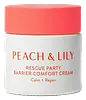
This barrier-repair moisturizer is formulated around Linoleic Acid and Colloidal Oatmeal to strengthen the skin barrier and calm redness.
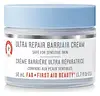
This barrier-repair moisturizer is formulated around Ceramide Ng and Linoleic Acid to strengthen the skin barrier and calm redness.


What's inside
What's inside
 Key Ingredients
Benefits
Concerns
Ingredients Side-by-side
Water
Skin ConditioningButylene Glycol
Humectant

Glycerin
Humectant
Linoleic Acid
Cleansing



1,2-Hexanediol
Skin Conditioning
Cetearyl Olivate
Cetearyl Alcohol
Emollient




Cetyl Ethylhexanoate
EmollientPropanediol
Solvent
Sorbitan Olivate
Emulsifying
Caprylic/Capric Triglyceride
Masking
Octyldodecanol
Emollient
Synthetic Beeswax
Emulsion Stabilising
Colloidal Oatmeal
Absorbent
Ceramide NP
Skin Conditioning

Ceramide Ns
Skin Conditioning
Ceramide AP
Skin Conditioning
Ceramide As
Skin Conditioning
Ceramide EOP
Skin Conditioning
Lactobacillus Ferment Lysate
Skin Conditioning
Squalane
Emollient
Hydrolyzed Hyaluronic Acid
Humectant
Calcium Chloride
AstringentArginine
Masking
Methionine
Skin ConditioningCysteine
Antioxidant
Lysine
Skin ConditioningLinolenic Acid
Cleansing

Sodium Hyaluronate
Humectant
Hyaluronic Acid
Humectant
Palmitic Acid
Emollient
Oleic Acid
Emollient
Houttuynia Cordata Extract
Skin Conditioning
Madecassoside
Antioxidant
Centella Asiatica Leaf Extract
Skin Conditioning
Hydrogenated Lecithin
Emulsifying
Artemisia Capillaris Extract
Panthenol
Skin Conditioning
Simmondsia Chinensis Seed Oil
Emollient
Pantolactone
Humectant
Hydrolyzed Malt Extract
Skin ConditioningGlyceryl Stearate
Emollient
Glutamic Acid
Humectant
Aspartic Acid
Masking
Ethylhexylglycerin
Skin ConditioningStearic Acid
Cleansing
Hydrogenated Polyisobutene
EmollientTaraxacum Officinale Leaf Extract
Skin ConditioningHydrolyzed Gardenia Florida Extract
Antioxidant
Hydrolyzed Viola Tricolor Extract
Skin ProtectingPolyglyceryl-10 Laurate
Skin Conditioning
Sorbitan Isostearate
Emulsifying
Carbomer
Emulsion StabilisingTromethamine
BufferingPolyacrylate-13
Ethylhexyl Palmitate
Emollient
Pentylene Glycol
Skin Conditioning
Tocopherol
Antioxidant

Water, Butylene Glycol, Glycerin, Linoleic Acid, 1,2-Hexanediol, Cetearyl Olivate, Cetearyl Alcohol, Cetyl Ethylhexanoate, Propanediol, Sorbitan Olivate, Caprylic/Capric Triglyceride, Octyldodecanol, Synthetic Beeswax, Colloidal Oatmeal, Ceramide NP, Ceramide Ns, Ceramide AP, Ceramide As, Ceramide EOP, Lactobacillus Ferment Lysate, Squalane, Hydrolyzed Hyaluronic Acid, Calcium Chloride, Arginine, Methionine, Cysteine, Lysine, Linolenic Acid, Sodium Hyaluronate, Hyaluronic Acid, Palmitic Acid, Oleic Acid, Houttuynia Cordata Extract, Madecassoside, Centella Asiatica Leaf Extract, Hydrogenated Lecithin, Artemisia Capillaris Extract, Panthenol, Simmondsia Chinensis Seed Oil, Pantolactone, Hydrolyzed Malt Extract, Glyceryl Stearate, Glutamic Acid, Aspartic Acid, Ethylhexylglycerin, Stearic Acid, Hydrogenated Polyisobutene, Taraxacum Officinale Leaf Extract, Hydrolyzed Gardenia Florida Extract, Hydrolyzed Viola Tricolor Extract, Polyglyceryl-10 Laurate, Sorbitan Isostearate, Carbomer, Tromethamine, Polyacrylate-13, Ethylhexyl Palmitate, Pentylene Glycol, Tocopherol
Water
Skin ConditioningGlycerin
Humectant
Propanediol
Solvent
Cetyl Ethylhexanoate
EmollientCaprylic/Capric Triglyceride
Masking
Polymethyl Methacrylate

Oxygen
Skin ConditioningCeramide Ng
Skin Conditioning
Linoleic Acid
Cleansing
Linolenic Acid
Cleansing
Glycyrrhiza Glabra Root Extract
Bleaching
Chrysanthemum Parthenium Extract
Skin ConditioningCamellia Sinensis Leaf Extract
Antimicrobial
Sodium Hyaluronate
Humectant
Tocopherol
Antioxidant
Colloidal Oatmeal
Absorbent
Caprylyl Glycol
Emollient
Hydrolyzed Yeast Extract
Skin ConditioningCetyl Hydroxyethylcellulose
Emulsion StabilisingCholesterol
Emollient
Polyglucuronic Acid
Skin ConditioningCetyl Alcohol
Emollient
Sodium Polyacrylate Starch
AbsorbentStearic Acid
Cleansing
Dipropylene Glycol
HumectantSodium Acrylate/Sodium Acryloyldimethyl Taurate Copolymer
Emulsion StabilisingGlyceryl Stearate
Emollient
Sodium Polyacrylate
Absorbent
Polypropylene
Polysorbate 80
Emulsifying
Steareth-30
CleansingLecithin
Emollient
Ethylhexylglycerin
Skin ConditioningLeuconostoc/Radish Root Ferment Filtrate
Antimicrobial
Phenoxyethanol
Preservative
Perfluorohexane
SolventChlorphenesin
Antimicrobial
Perfluoromethylcyclopentane
Skin ConditioningSodium Benzoate
Masking
Potassium Sorbate
Preservative
Water, Glycerin, Propanediol, Cetyl Ethylhexanoate, Caprylic/Capric Triglyceride, Polymethyl Methacrylate, Oxygen, Ceramide Ng, Linoleic Acid, Linolenic Acid, Glycyrrhiza Glabra Root Extract, Chrysanthemum Parthenium Extract, Camellia Sinensis Leaf Extract, Sodium Hyaluronate, Tocopherol, Colloidal Oatmeal, Caprylyl Glycol, Hydrolyzed Yeast Extract, Cetyl Hydroxyethylcellulose, Cholesterol, Polyglucuronic Acid, Cetyl Alcohol, Sodium Polyacrylate Starch, Stearic Acid, Dipropylene Glycol, Sodium Acrylate/Sodium Acryloyldimethyl Taurate Copolymer, Glyceryl Stearate, Sodium Polyacrylate, Polypropylene, Polysorbate 80, Steareth-30, Lecithin, Ethylhexylglycerin, Leuconostoc/Radish Root Ferment Filtrate, Phenoxyethanol, Perfluorohexane, Chlorphenesin, Perfluoromethylcyclopentane, Sodium Benzoate, Potassium Sorbate
Reviews
Ingredients Explained
These ingredients are found in both products.
Ingredients higher up in an ingredient list are typically present in a larger amount.
Caprylic/Capric Triglyceride (aka MCT Oil) is a lightweight emollient, solvent, and texture enhancer. It is considered a skin-softener by helping to prevent moisture loss.
Though it behaves like an oil, it is not technically one due to its chemical composition. One perk of this ingredient is that it is very stable, resistant to oxidation, and unlikely to go rancid.
In practice, that translates to a long shelf life and a consistently elegant skin feel.
While there is an assumption Caprylic Triglyceride can clog pores due to it being derived from coconut oil, there is no research supporting this. Just patch test if you have concerns.
Fractionated coconut oil and MCT Oil are both listed as Caprylic/Capric Triglyceride according to INCI. This is because INCI names are based on the ingredient’s final chemical composition and not its marketing name or source.
This ingredient is treated as the gold standard fungal acne safe oil. Even though it is coconut derived, the problematic lauric acid is stripped out.
This leaves just caprylic (C8) and capric (C10) acid. These chain lengths actually trend antifungal; a 2020 study found caprylic acid was enough to disrupt Malassezia furfur cell membrane, with a caprylic acid derivative damaging membrane structures at concentrations as low as 0.2%.
Learn more about Caprylic/Capric TriglycerideCetyl Ethylhexanoate is an emollient ester. It comes from cetearyl alcohol and 2-ethylhexanoic acid.
Cetyl Ethylhexanoate is an emollient that adds a velvety feel to skin without being greasy or oily. Emollients help trap moisture into your skin, keeping your skin soft and hydrated.
According to INCI standards, this ingredient refers to the physical ground up oatmeal. If you are looking for colloidal oatmeal in skincare, you'll most likely see Avena Sativa Kernel Extract on your ingredient list.
Physical colloidal oatmeal is an abrasive meaning it provides physical exfoliation.
Ethylhexylglycerin is created from glycerin. It is a multitasker ingredient that:
The CIR Expert Panel found minimal skin absorption or sensitization of any kind in a safety assessment. Though this ingredient is considered well-tolerated, a small number of cases of allergic dermatitis have been published since 2002. Just be sure to patch test if you are unsure.
Industry-reported use ranges from 8% in rinse-off products and 2% in leave-on formulations.
Learn more about EthylhexylglycerinGlycerin (or glycerol) is a compound naturally found in your skin. It's a powerhouse humectant that pulls water into the stratum corneum.
Topically, glycerin does several things at once:
Your skin makes glycerin on its own (mostly from sebaceous oil breakdown) and shuttles it to your outermost layer of skin, or your epidermis, via aquaporin-3.
Aquaporin-3 is a transporter that is essential for normal skin hydration, elasticity, and repair. Interestingly, mice lacking in AQP3 have dry and less elastic skin that can be fully corrected with glycerin.
This ingredient is non-irritating, plays well with almost every ingredient, and works across all skin types. Typical use is anywhere between 3-10% but can go up to 79% in some leave-on products.
Just know very high concentrations (>40%) can feel tacky in low humidity.
Glycerin is the name for this ingredient in American English. British English uses Glycerol/Glycerine.
Learn more about GlycerinGlyceryl Stearate is made by reacting glycerin with stearic acid (typically sourced from plant oils like palm or coconut). It's an emulsifier, emollient, and mild occlusive.
Emulsifiers help ingredients like oil and water stay mixed so your formula stays nicely blended and uniform in texture.
This ingredient is typically used in concentrations between 1-10%. Studies have found it to be non-sensitizing, non-phototoxic, and non-photoallergenic.
A close cousin of this ingredient is Glyceryl Stearate SE ("self-emulsifying"). This just has a small amount of sodium or potassium stearate added so it can emulsify without a co-emulsifier.
Since this ingredient is an ester of a C18 fatty acid, it may not be fungal acne safe. The Malassezia yeast can potentially metabolize within the C11-C24 range.
Fun fact: The human body also creates Glyceryl Stearate naturally.
Learn more about Glyceryl StearateLinoleic Acid is also known as Vitamin F. It is a fatty acid with emollient and skin conditioning properties.
Our top layer of skin, or epidermis, naturally contains high amounts of linoleic acid.
Your body uses linoleic acid to build ceramides and prostaglandins. Ceramides keep your skin's barrier hydrated and strong while prosaglandins help control inflammation and healing.
Needless to say, linoleic acid is crucial for having a strong skin barrier.
One study found applying linoleic acid rich sunflower oil to be more effective at repairing the skin barrier than olive oil.
This ingredient can also help treat acne by softening sebum to prevent clogged pores. Another study found using 2.5% linoleic acid gel for 4 weeks showed a 25% reduction in small comedones.
Studies show it can also help lighten hyperpigmentation or sun spots by disrupting the melanin production process. It also helps your skin shed melanin pigment from your skin caused by UV exposure.
Due to its role in the production of the fatty acid prostaglandin, linoleic acid can also help reduce inflammation and support wound healing.
Fun fact: Linoleic acid is an essential fatty acid. This means our bodies cannot create it on its own and we need to get it through foods such as nuts and vegetable oils.
Just know this ingredient is not always fungal-acne safe because it is a long-chain fatty acid (with 18 carbon atoms) that directly feeds the Malassezia yeast responsible for fungal acne.
Learn more about Linoleic AcidLinolenic Acid is also known as "ALA" or alpha-linolenic acid. It is a key fatty acid.
Our skin uses this ingredient for maintaining a healthy skin barrier, regulating inflammation, and supporting keratinocyte function.
ALA is a great skin hydrator because it has the ability to restore lipids in our stratum corneum, or outermost layer of our skin; it also helps prevent transepidermal water loss.
This ingredient also helps soothe irritated skin by downregulating inflammation.
Chia seed oil is one of the highest natural sources of ALA. Research shows topical chia seed oil significantly improves skin hydration, reduces itch, and strengthens the barrier in both healthy and extremely dry skin.
Additionally, in-vivo and in-vitro studies show ALA exhibits antioxidant properties, reduces UV-induced inflammation, and supports wound healing.
Early research showed a fatty-acid deficiency in animals leads to abnormal skin barrier function. It is believed a deficiency in linolenic acid may be linked to skin disorders like eczema.
Fun fact: This ingredient is considered an essential fatty acid for humans. This means our bodies cannot naturally produce it and we must get it from food. Some foods rich in linolenic acid include walnuts, fish oils, soy, and canola.
Learn more about Linolenic AcidPropanediol is an all-star ingredient. It softens, hydrates, and smooths the skin.
It’s often used to:
Propanediol is not likely to cause sensitivity and considered safe to use. It is derived from corn or petroleum with a clear color and no scent.
Learn more about PropanediolSodium Hyaluronate is the salt form of hyaluronic acid. It is a long sugar chain that is naturally found in your skin, joints, and connective tissue that maintains hydration and elasticity.
In skincare, it works as a humectant. It pulls water from the environment and deeper layers of skin and binds it to the surface.
Interestingly, the size of the molecule affects its behavior:
Some clinical evidence links low molecular weight versions to improved wrinkle depth, elasticity, anti-inflammatory effects, and barrier repair.
Many serums use a blend of both weights so you can get surface hydration plus longer-lasting and deeper effects.
You'll typically see concentrations between 0.1-2% for this ingredient.
Learn more about Sodium HyaluronateStearic Acid is a fatty acid that is already found in your skin. It's one of the free fatty acids that works alongside ceramides and cholesterols to maintain your barrier.
In cosmetics, it is a multitasker:
Safety-wise, the CIR Expert Panel has concluded it to be safe in cosmetics when formulated to be non-irritating and non-sensitizing.
Free stearic acid is a C18 fatty acid that the Malassezia yeast can substrate, so this ingredient may not be fungal acne safe.
This ingredient does have a comedogenic rating of 2-3, but this doesn't mean a formula with this ingredient will clog pores.
Human testing has proved that any finished product with this ingredient won't automatically make you break out; it really comes down to concentration, formula, and your skin.
Learn more about Stearic AcidTocopherol is a fat-soluble antioxidant known as Vitamin E.
You'll find this ingredient in the vast majority of skincare (for good reason). It works to neutralize free radicals, or unstable molecules generated by UV exposure, pollution, and other environmental stressors, before they can cause oxidative damage to your skin cells.
Topically applied tocopherol has been shown to protect against UV damage by ramping up the skin's own natural defense enzymes.
It also acts as a skin conditioning agent; some studies show that regular topical use can improve the skin's water-binding capacity over 2-4 weeks.
This ingredient is especially loved for being a team player. When combined with Vitamin C, the photoprotective effect of both ingredients roughly doubles and the combo also helps reduce UV-induced DNA damage.
This ingredient has some brightening potential but it's more of a prevention ingredient than spot-fader. Cell studies show it can slow down melanin production but it's worth noting that it's not the most powerful brightener out there.
In formulations, it also serves as a stabilizer that helps protect other oxidation-prone ingredients from degrading.
Concentrations usually range from 0.1-1% in most leave-on products.
Learn more about TocopherolWater. It's the most common cosmetic ingredient of all. You'll usually see it at the top of ingredient lists, meaning that it makes up the largest part of the product.
So why is it so popular? Water most often acts as a solvent - this means that it helps dissolve other ingredients into the formulation.
You'll also recognize water as that liquid we all need to stay alive. If you see this, drink a glass of water. Remember to stay hydrated!
Learn more about Water

