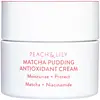
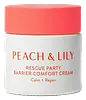
Peach & Lily Matcha Pudding Antioxidant Cream Versus Peach & Lily Rescue Party Barrier Comfort Cream
This calming moisturizer is formulated around Niacinamide and Camellia Sinensis Leaf Extract to calm redness and hydrate skin.
This barrier-repair moisturizer is formulated around Linoleic Acid and Colloidal Oatmeal to strengthen the skin barrier and calm redness.

What's inside
What's inside
 Key Ingredients
Benefits
Concerns
Ingredients Side-by-side
Water
Skin ConditioningEthylhexyl Palmitate
Emollient




Glycerin
Humectant


Niacinamide
Smoothing









Cetearyl Alcohol
Emollient

1,2-Hexanediol
Skin Conditioning
Dicaprylyl Carbonate
EmollientButylene Glycol
Humectant
Glyceryl Stearate
Emollient
Sorbitan Stearate
Emulsifying
Camellia Sinensis Leaf Extract
Antimicrobial
Juniperus Communis Fruit Extract
Perfuming
Melia Azadirachta Flower Extract
Skin ConditioningMelia Azadirachta Leaf Extract
Skin ConditioningMoringa Oleifera Seed Extract
Skin Conditioning
Nelumbo Nucifera Flower Extract
Skin ConditioningPanthenol
Skin Conditioning
Tocopherol
Antioxidant
Adenosine
Skin Conditioning
Allantoin
Skin Conditioning
Betaine
Humectant
Caramel
Cosmetic ColorantChlorphenesin
Antimicrobial
Eriobotrya Japonica Leaf Extract
Skin ConditioningGlyceryl Olivate
Emollient
Cetearyl Olivate
Hydrogenated Rapeseed Alcohol
Emollient
Propanediol
Solvent
Pantolactone
Humectant
Hydroxyethyl Acrylate/Sodium Acryloyldimethyl Taurate Copolymer
Emulsion StabilisingTromethamine
BufferingTrisodium Ethylenediamine Disuccinate
ChelatingSucrose
Humectant
Mineral Salts
Skin ConditioningAcrylates/C10-30 Alkyl Acrylate Crosspolymer
Emulsion StabilisingBehenyl Alcohol
Emollient
Polyglyceryl-4 Oleate
Emulsifying
Hydrogenated Vegetable Oil
Emollient
Dipotassium Glycyrrhizate
Humectant
Stearic Acid
Cleansing
Sorbitan Olivate
Emulsifying
Sorbitan Isostearate
Emulsifying
Aniba Rosodora Wood Oil
Astringent
Citrus Aurantium Bergamia Fruit Oil
Masking

Citrus Aurantium Dulcis Peel Oil
Masking
Salvia Sclarea Oil
Masking
Thymus Vulgaris Flower/Leaf Oil
Masking
Water, Ethylhexyl Palmitate, Glycerin, Niacinamide, Cetearyl Alcohol, 1,2-Hexanediol, Dicaprylyl Carbonate, Butylene Glycol, Glyceryl Stearate, Sorbitan Stearate, Camellia Sinensis Leaf Extract, Juniperus Communis Fruit Extract, Melia Azadirachta Flower Extract, Melia Azadirachta Leaf Extract, Moringa Oleifera Seed Extract, Nelumbo Nucifera Flower Extract, Panthenol, Tocopherol, Adenosine, Allantoin, Betaine, Caramel, Chlorphenesin, Eriobotrya Japonica Leaf Extract, Glyceryl Olivate, Cetearyl Olivate, Hydrogenated Rapeseed Alcohol, Propanediol, Pantolactone, Hydroxyethyl Acrylate/Sodium Acryloyldimethyl Taurate Copolymer, Tromethamine, Trisodium Ethylenediamine Disuccinate, Sucrose, Mineral Salts, Acrylates/C10-30 Alkyl Acrylate Crosspolymer, Behenyl Alcohol, Polyglyceryl-4 Oleate, Hydrogenated Vegetable Oil, Dipotassium Glycyrrhizate, Stearic Acid, Sorbitan Olivate, Sorbitan Isostearate, Aniba Rosodora Wood Oil, Citrus Aurantium Bergamia Fruit Oil, Citrus Aurantium Dulcis Peel Oil, Salvia Sclarea Oil, Thymus Vulgaris Flower/Leaf Oil
Water
Skin ConditioningButylene Glycol
Humectant
Glycerin
Humectant
Linoleic Acid
Cleansing
1,2-Hexanediol
Skin Conditioning
Cetearyl Olivate
Cetearyl Alcohol
Emollient
Cetyl Ethylhexanoate
EmollientPropanediol
Solvent
Sorbitan Olivate
Emulsifying
Caprylic/Capric Triglyceride
Masking
Octyldodecanol
Emollient
Synthetic Beeswax
Emulsion Stabilising
Colloidal Oatmeal
Absorbent
Ceramide NP
Skin Conditioning
Ceramide Ns
Skin Conditioning
Ceramide AP
Skin Conditioning
Ceramide As
Skin Conditioning
Ceramide EOP
Skin Conditioning
Lactobacillus Ferment Lysate
Skin Conditioning
Squalane
Emollient
Hydrolyzed Hyaluronic Acid
Humectant
Calcium Chloride
AstringentArginine
Masking
Methionine
Skin ConditioningCysteine
Antioxidant
Lysine
Skin ConditioningLinolenic Acid
Cleansing
Sodium Hyaluronate
Humectant
Hyaluronic Acid
Humectant
Palmitic Acid
Emollient
Oleic Acid
Emollient
Houttuynia Cordata Extract
Skin Conditioning
Madecassoside
Antioxidant
Centella Asiatica Leaf Extract
Skin Conditioning
Hydrogenated Lecithin
Emulsifying
Artemisia Capillaris Extract
Panthenol
Skin Conditioning
Simmondsia Chinensis Seed Oil
Emollient
Pantolactone
Humectant
Hydrolyzed Malt Extract
Skin ConditioningGlyceryl Stearate
Emollient
Glutamic Acid
Humectant
Aspartic Acid
Masking
Ethylhexylglycerin
Skin ConditioningStearic Acid
Cleansing
Hydrogenated Polyisobutene
EmollientTaraxacum Officinale Leaf Extract
Skin ConditioningHydrolyzed Gardenia Florida Extract
Antioxidant
Hydrolyzed Viola Tricolor Extract
Skin ProtectingPolyglyceryl-10 Laurate
Skin Conditioning
Sorbitan Isostearate
Emulsifying
Carbomer
Emulsion StabilisingTromethamine
BufferingPolyacrylate-13
Ethylhexyl Palmitate
Emollient
Pentylene Glycol
Skin Conditioning
Tocopherol
Antioxidant
Water, Butylene Glycol, Glycerin, Linoleic Acid, 1,2-Hexanediol, Cetearyl Olivate, Cetearyl Alcohol, Cetyl Ethylhexanoate, Propanediol, Sorbitan Olivate, Caprylic/Capric Triglyceride, Octyldodecanol, Synthetic Beeswax, Colloidal Oatmeal, Ceramide NP, Ceramide Ns, Ceramide AP, Ceramide As, Ceramide EOP, Lactobacillus Ferment Lysate, Squalane, Hydrolyzed Hyaluronic Acid, Calcium Chloride, Arginine, Methionine, Cysteine, Lysine, Linolenic Acid, Sodium Hyaluronate, Hyaluronic Acid, Palmitic Acid, Oleic Acid, Houttuynia Cordata Extract, Madecassoside, Centella Asiatica Leaf Extract, Hydrogenated Lecithin, Artemisia Capillaris Extract, Panthenol, Simmondsia Chinensis Seed Oil, Pantolactone, Hydrolyzed Malt Extract, Glyceryl Stearate, Glutamic Acid, Aspartic Acid, Ethylhexylglycerin, Stearic Acid, Hydrogenated Polyisobutene, Taraxacum Officinale Leaf Extract, Hydrolyzed Gardenia Florida Extract, Hydrolyzed Viola Tricolor Extract, Polyglyceryl-10 Laurate, Sorbitan Isostearate, Carbomer, Tromethamine, Polyacrylate-13, Ethylhexyl Palmitate, Pentylene Glycol, Tocopherol
Reviews
Ingredients Explained
These ingredients are found in both products.
Ingredients higher up in an ingredient list are typically present in a larger amount.
1,2-Hexanediol is a synthetic liquid and another multi-functional powerhouse.
It is a:
- Humectant, drawing moisture into the skin
- Emollient, helping to soften skin
- Solvent, dispersing and stabilizing formulas
- Preservative booster, enhancing the antimicrobial activity of other preservatives
Butylene Glycol (or BG) is used within cosmetic products for a few different reasons:
Overall, Butylene Glycol is a safe and well-rounded ingredient that works well with other ingredients.
Though this ingredient works well with most skin types, some people with sensitive skin may experience a reaction such as allergic rashes, closed comedones, or itchiness.
Learn more about Butylene GlycolCetearyl alcohol is a waxy mixture of two fatty alcohols: cetyl alcohol and stearyl alcohol. It is an emollient and emulsifier.
Despite having "alcohol" in its name, it has nothing to do with drying solvent alcohols; the FDA also allows "alcohol-free" products to contain fatty alcohols like this ingredient.
It plays several roles in a formula:
Typical use levels for this ingredient sit around 1-10% and the Cosmetic Ingredient Review Expert Panel has affirmed safety at concentrations up to 25% in leave-on products.
Multiple assessments have found it to be non-irritating and non-sensitizing to most people.
However, there have been some cases of allergic contact dermatitis in patients with chronically compromised skin barriers.
Cetearyl alcohol has a comedogenic rating of 2 and irritancy rating of 1. Both of these numbers come from the 1989 study that used rabbit ears; a "2" means mildly comedogenic and a "1" means low irritancy.
Here's the catch: rabbit skin is more sensitive than human skin and throws a lot of false positives. A 1996 reappraisal found that ingredients rated 1-2 in the rabbit ear tests are generally safe for humans.
Remember comedogenic ratings are unable to assess the entire formula of a product or how it will react on your skin. Just be sure to patch test if you are unsure about certain ingredients.
This ingredient is not fungal acne safe. Cetearyl alcohol is a fatty alcohol with chain lengths that fall within the range that Malassezia can metabolize.
A 2019 study has also observed Malassezia growth in the presence of this ingredient, confirming it to be not-fungal acne safe.
Learn more about Cetearyl AlcoholCetearyl Olivate is a plant-derived emulsifier and texture enhancer. It helps keep the oil and water phases from separating so your formulas stay stable.
You'll likely see it combined with Sorbitan Olivate (together sold as the trade name Olivem 1000). This combination generates a liquid crystal structure that closely resemble the lipid organization of the stratum corneum.
These "skin-like" liquid crystals improve skin barrier integrity and promote the delivery of actives into the skin.
This ingredient is well-tolerated and has no significant sensitization data.
Because it is derived from the fatty acids in olive oil, this ingredient may not be fungal acne safe.
Learn more about Cetearyl OlivateEthylhexyl Palmitate, also known as octyl palmitate, is created from 2-ethylhexyl alcohol and palmitic acid.
In cosmetics, it plays many roles:
One thing worth noting: a controlled study found this ingredient applied under occlusion to acne-prone subjects increased microcomedones. Just keep in mind this was under occlusive conditions and don't reflect how most products are used day-to-day.
For most people, this is a well-tolerated and lightweight ingredient.
This ingredient may not be fungal acne safe because it is an ester of palmitic acid, a C16 fatty acid that falls within the C11-24 range that Malassezia can metabolize.
You'll see this one rated 4 comedogenic all over the internet. That number isn't from a single study, and the actual research is more interesting.
The original rating comes from 1980s rabbit ear tests (which are a shaky basis for anything). But Ethylhexyl Palmitate is one of the few ingredients with real human data behind it. A 2021 controlled trial found this ingredient increased microcomedones by an average of 365% over four weeks.
Just know that test used the pure ingredient under an occlusive pad on back skin; most products use it at much lower levels alongside other ingredients and plenty of people use those with no issue.
Learn more about Ethylhexyl PalmitateGlycerin (or glycerol) is a compound naturally found in your skin. It's a powerhouse humectant that pulls water into the stratum corneum.
Topically, glycerin does several things at once:
Your skin makes glycerin on its own (mostly from sebaceous oil breakdown) and shuttles it to your outermost layer of skin, or your epidermis, via aquaporin-3.
Aquaporin-3 is a transporter that is essential for normal skin hydration, elasticity, and repair. Interestingly, mice lacking in AQP3 have dry and less elastic skin that can be fully corrected with glycerin.
This ingredient is non-irritating, plays well with almost every ingredient, and works across all skin types. Typical use is anywhere between 3-10% but can go up to 79% in some leave-on products.
Just know very high concentrations (>40%) can feel tacky in low humidity.
Glycerin is the name for this ingredient in American English. British English uses Glycerol/Glycerine.
Learn more about GlycerinGlyceryl Stearate is made by reacting glycerin with stearic acid (typically sourced from plant oils like palm or coconut). It's an emulsifier, emollient, and mild occlusive.
Emulsifiers help ingredients like oil and water stay mixed so your formula stays nicely blended and uniform in texture.
This ingredient is typically used in concentrations between 1-10%. Studies have found it to be non-sensitizing, non-phototoxic, and non-photoallergenic.
A close cousin of this ingredient is Glyceryl Stearate SE ("self-emulsifying"). This just has a small amount of sodium or potassium stearate added so it can emulsify without a co-emulsifier.
Since this ingredient is an ester of a C18 fatty acid, it may not be fungal acne safe. The Malassezia yeast can potentially metabolize within the C11-C24 range.
Fun fact: The human body also creates Glyceryl Stearate naturally.
Learn more about Glyceryl StearatePanthenol is a common ingredient that helps hydrate and soothe the skin. It is found naturally in our skin and hair.
There are two forms of panthenol: D and L.
D-panthenol is also known as dexpanthenol. Most cosmetics use dexpanthenol or a mixture of D and L-panthenol.
Panthenol is famous due to its ability to go deeper into the skin's layers. Using this ingredient has numerous pros (and no cons):
Like hyaluronic acid, panthenol is a humectant. Humectants are able to bind and hold large amounts of water to keep skin hydrated.
This ingredient works well for wound healing. It works by increasing tissue in the wound and helps close open wounds.
Once oxidized, panthenol converts to pantothenic acid. Panthothenic acid is found in all living cells.
This ingredient is also referred to as pro-vitamin B5.
Learn more about PanthenolPantolactone is a synthetically created humectant.
As a humectant, Pantolactone helps draw moisture to the skin. It can help add hydration to your skin.
Propanediol is an all-star ingredient. It softens, hydrates, and smooths the skin.
It’s often used to:
Propanediol is not likely to cause sensitivity and considered safe to use. It is derived from corn or petroleum with a clear color and no scent.
Learn more about PropanediolSorbitan Isostearate is an emulsifer. It is created from isostearic acid and sorbitol.
As an emulsifier, it keeps the water and oil ingredients from separating. This keeps formulas stable and smooth.
In a 24 hour occlusive patch test on 56 subjects, 10% sorbitan isostearate was completely non-irritating. Most formulas use less than 10%.
Because it's a fatty acid ester, it may not be fungal acne safe since the Malassezia yeast can utilize it as a nutrient source.
Learn more about Sorbitan IsostearateSorbitan Olivate is created from the fatty acids in olive oil and sorbitol.
This ingredient is an oil in water emulsifier. It helps stabilize a product by preventing oils and waters from separating. Sorbitan Olivate also helps hydrate the skin.
This ingredient is also known as part of Olivem 1000, with Cetearyl Olivate being the other part.
According to a manufacturer, this ingredient helps preserve the natural microbiome of skin. Having a healthy microbiome helps keep our skin healthy and protects against harmful bacteria.
Please note, having a healthy microbiome is different from fungal acne; a healthy microbiome includes small amounts of yeast that normally live on your skin without causing problems.
Fungal acne happens when one type of yeast (Malassezia) grows out of control. This is usually because it's feeding on certain oils or fatty acids. Due to the olive oil base, this ingredient may not be fungal acne safe.
Learn more about Sorbitan OlivateStearic Acid is a fatty acid that is already found in your skin. It's one of the free fatty acids that works alongside ceramides and cholesterols to maintain your barrier.
In cosmetics, it is a multitasker:
Safety-wise, the CIR Expert Panel has concluded it to be safe in cosmetics when formulated to be non-irritating and non-sensitizing.
Free stearic acid is a C18 fatty acid that the Malassezia yeast can substrate, so this ingredient may not be fungal acne safe.
This ingredient does have a comedogenic rating of 2-3, but this doesn't mean a formula with this ingredient will clog pores.
Human testing has proved that any finished product with this ingredient won't automatically make you break out; it really comes down to concentration, formula, and your skin.
Learn more about Stearic AcidTocopherol is a fat-soluble antioxidant known as Vitamin E.
You'll find this ingredient in the vast majority of skincare (for good reason). It works to neutralize free radicals, or unstable molecules generated by UV exposure, pollution, and other environmental stressors, before they can cause oxidative damage to your skin cells.
Topically applied tocopherol has been shown to protect against UV damage by ramping up the skin's own natural defense enzymes.
It also acts as a skin conditioning agent; some studies show that regular topical use can improve the skin's water-binding capacity over 2-4 weeks.
This ingredient is especially loved for being a team player. When combined with Vitamin C, the photoprotective effect of both ingredients roughly doubles and the combo also helps reduce UV-induced DNA damage.
This ingredient has some brightening potential but it's more of a prevention ingredient than spot-fader. Cell studies show it can slow down melanin production but it's worth noting that it's not the most powerful brightener out there.
In formulations, it also serves as a stabilizer that helps protect other oxidation-prone ingredients from degrading.
Concentrations usually range from 0.1-1% in most leave-on products.
Learn more about TocopherolTromethamine (aka THAM) is a synthetic amino acid that shows up in skincare as a helper ingredient.
It functions as a pH adjuster to help neutralize acidic ingredients and set a formula's pH to the right spot.
This matters a lot because a lot of actives (like vitamin C) needs a specific pH to work well and feel comfortable on skin.
Concentration use ranges from 0.1-1.0% depending on the formula.
Learn more about TromethamineWater. It's the most common cosmetic ingredient of all. You'll usually see it at the top of ingredient lists, meaning that it makes up the largest part of the product.
So why is it so popular? Water most often acts as a solvent - this means that it helps dissolve other ingredients into the formulation.
You'll also recognize water as that liquid we all need to stay alive. If you see this, drink a glass of water. Remember to stay hydrated!
Learn more about Water

