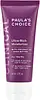
This barrier-repair moisturizer is formulated around Butyrospermum Parkii Butter Unsaponifiables and Ceramide NP to strengthen the skin barrier and hydrate skin.
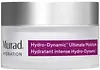
This barrier-repair moisturizer is formulated around Butyrospermum Parkii Butter and Sodium Hyaluronate to strengthen the skin barrier and hydrate skin.

What's inside
What's inside
 Key Ingredients
Benefits
Concerns
Ingredients Side-by-side
Water
Skin ConditioningButyrospermum Parkii Butter Unsaponifiables
Skin Conditioning


Caprylic/Capric Triglyceride
Masking

Glyceryl Stearate Se
Emulsifying


Olea Europaea Fruit Oil
Masking

Dimethicone
Emollient

Stearic Acid
Cleansing
Glyceryl Stearate
Emollient
Mangifera Indica Seed Butter
Skin Conditioning
Cetyl Alcohol
Emollient
Cocos Nucifera Fruit Extract
Emollient
Ceramide NP
Skin Conditioning



Ceramide AP
Skin Conditioning
Ceramide EOP
Skin Conditioning
Sphingolipids
Emollient
Phospholipids
Skin Conditioning
Phytosphingosine
Skin Conditioning
Squalene
Emollient
Cholesterol
Emollient
Tocopherol
Antioxidant



Simmondsia Chinensis Seed Oil
Emollient
Persea Gratissima Oil
Skin Conditioning
Glycine Soja Oil
Emollient
Oryza Sativa Bran Extract
Skin Conditioning
Avena Sativa Kernel Extract
Abrasive
Glycerin
Humectant
Panthenol
Skin Conditioning
Ascorbyl Palmitate
Antioxidant
Beta-Sitosterol
Emulsion Stabilising
Hydrogenated Vegetable Glycerides Citrate
EmollientPropylene Glycol
Humectant
Sodium Lauroyl Lactylate
EmulsifyingXanthan Gum
EmulsifyingCarbomer
Emulsion StabilisingDisodium EDTA
Ethylhexylglycerin
Skin ConditioningPhenoxyethanol
Preservative
Water, Butyrospermum Parkii Butter Unsaponifiables, Caprylic/Capric Triglyceride, Glyceryl Stearate Se, Olea Europaea Fruit Oil, Dimethicone, Stearic Acid, Glyceryl Stearate, Mangifera Indica Seed Butter, Cetyl Alcohol, Cocos Nucifera Fruit Extract, Ceramide NP, Ceramide AP, Ceramide EOP, Sphingolipids, Phospholipids, Phytosphingosine, Squalene, Cholesterol, Tocopherol, Simmondsia Chinensis Seed Oil, Persea Gratissima Oil, Glycine Soja Oil, Oryza Sativa Bran Extract, Avena Sativa Kernel Extract, Glycerin, Panthenol, Ascorbyl Palmitate, Beta-Sitosterol, Hydrogenated Vegetable Glycerides Citrate, Propylene Glycol, Sodium Lauroyl Lactylate, Xanthan Gum, Carbomer, Disodium EDTA, Ethylhexylglycerin, Phenoxyethanol
Water
Skin ConditioningC12-15 Alkyl Benzoate
AntimicrobialGlycerin
Humectant
Dicaprylyl Carbonate
EmollientCetearyl Alcohol
Emollient
Butylene Glycol
Humectant
Ethoxydiglycol
HumectantButyrospermum Parkii Butter
Skin Conditioning
Phenoxyethanol
Preservative
Cetearyl Glucoside
Emulsifying
Xylitylglucoside
Humectant
Phenyl Trimethicone
Skin Conditioning
Helianthus Annuus Seed Oil
Emollient
Cocos Nucifera Fruit Extract
Emollient
Polyacrylate Crosspolymer-6
Emulsion StabilisingAcrylamide/Sodium Acryloyldimethyltaurate Copolymer
Emulsion StabilisingAnhydroxylitol
Humectant
Isohexadecane
EmollientChlorphenesin
Antimicrobial
Allantoin
Skin Conditioning
Urea
Buffering

Xanthan Gum
EmulsifyingGlucosamine Hcl
Xylitol
Humectant
BHT
Antioxidant
Bisabolol
Antioxidant
Dipotassium Glycyrrhizate
Humectant
Disodium EDTA
Ethylhexylglycerin
Skin ConditioningLaminaria Digitata Extract
Skin Protecting
Olea Europaea Fruit Oil
Masking
Persea Gratissima Oil
Skin Conditioning
Saccharomyces Cerevisiae Extract
Skin Conditioning
Tocopheryl Acetate
Antioxidant
Polysorbate 80
Emulsifying
Sodium Hyaluronate
Humectant
Retinyl Palmitate
Skin Conditioning
Avena Sativa Kernel Extract
Abrasive
Yeast Amino Acids
HumectantBetaine
Humectant
Inositol
Humectant
Taurine
BufferingTrehalose
Humectant
Magnesium Chloride
Palmitoyl Dipeptide-5 Diaminobutyroyl Hydroxythreonine
Skin Conditioning
Palmitoyl Tripeptide-5
Skin Conditioning
Tetradecyl Aminobutyroylvalylaminobutyric Urea Trifluoroacetate
Skin ConditioningWater, C12-15 Alkyl Benzoate, Glycerin, Dicaprylyl Carbonate, Cetearyl Alcohol, Butylene Glycol, Ethoxydiglycol, Butyrospermum Parkii Butter, Phenoxyethanol, Cetearyl Glucoside, Xylitylglucoside, Phenyl Trimethicone, Helianthus Annuus Seed Oil, Cocos Nucifera Fruit Extract, Polyacrylate Crosspolymer-6, Acrylamide/Sodium Acryloyldimethyltaurate Copolymer, Anhydroxylitol, Isohexadecane, Chlorphenesin, Allantoin, Urea, Xanthan Gum, Glucosamine Hcl, Xylitol, BHT, Bisabolol, Dipotassium Glycyrrhizate, Disodium EDTA, Ethylhexylglycerin, Laminaria Digitata Extract, Olea Europaea Fruit Oil, Persea Gratissima Oil, Saccharomyces Cerevisiae Extract, Tocopheryl Acetate, Polysorbate 80, Sodium Hyaluronate, Retinyl Palmitate, Avena Sativa Kernel Extract, Yeast Amino Acids, Betaine, Inositol, Taurine, Trehalose, Magnesium Chloride, Palmitoyl Dipeptide-5 Diaminobutyroyl Hydroxythreonine, Palmitoyl Tripeptide-5, Tetradecyl Aminobutyroylvalylaminobutyric Urea Trifluoroacetate
Reviews
Ingredients Explained
These ingredients are found in both products.
Ingredients higher up in an ingredient list are typically present in a larger amount.
Avena Sativa Kernel Extract is is derived from colloidal oatmeal. Besides being a healthy breakfast, oats have many benefits in skincare too.
This ingredient helps sooth, hydrate, and protect the skin. The starches in colloidal oatmeal are able to bind water, keeping the skin hydrated.
The cellulose and fiber in colloidal oatmeal help reduce inflammation. This can also help the skin feel softer.
Colloidal Oatmeal is also an antioxidant. Antioxidants protect our skin from free-radical damage.
Oatmeal also contains beneficial compounds:
This ingredient is created by mixing grounded oatmeal and a liquid base.
Learn more about Avena Sativa Kernel ExtractCocos Nucifera Fruit Extract comes from the meat of the coconut fruit. It is an emollient and skin conditioner with antioxidant properties.
Coconut fruit is naturally rich in amino acids, sugars, and nutrients including Vitamin C and small amounts of vitamin B. Malic acid can also be found in coconut fruit extract.
Disodium EDTA is a chelating agent. It grabs onto and deactivates metal ions that sneak into your products from water, packaging, or air.
This ingredient mainly works behind the scenes and helps with:
On top of that, this ingredient can counteract the effects of hard water by binding to the minerals in it.
One thing worth knowing is that Disodium EDTA has been shown to be a mild penetration enhancer. It can help other ingredients absorb into skin more effectively which can be a double-edged sword (great for actives, but can also make the active too strong if you have sensitive skin).
Clinical patch testing showed no significant skin irritation at typical use concentrations and minimal dermal absorption.
You'll most likely see this ingredient near the end of an ingredient list. It's typically found in concentrations less than 1%.
Learn more about Disodium EDTAEthylhexylglycerin is created from glycerin. It is a multitasker ingredient that:
The CIR Expert Panel found minimal skin absorption or sensitization of any kind in a safety assessment. Though this ingredient is considered well-tolerated, a small number of cases of allergic dermatitis have been published since 2002. Just be sure to patch test if you are unsure.
Industry-reported use ranges from 8% in rinse-off products and 2% in leave-on formulations.
Learn more about EthylhexylglycerinGlycerin (or glycerol) is a compound naturally found in your skin. It's a powerhouse humectant that pulls water into the stratum corneum.
Topically, glycerin does several things at once:
Your skin makes glycerin on its own (mostly from sebaceous oil breakdown) and shuttles it to your outermost layer of skin, or your epidermis, via aquaporin-3.
Aquaporin-3 is a transporter that is essential for normal skin hydration, elasticity, and repair. Interestingly, mice lacking in AQP3 have dry and less elastic skin that can be fully corrected with glycerin.
This ingredient is non-irritating, plays well with almost every ingredient, and works across all skin types. Typical use is anywhere between 3-10% but can go up to 79% in some leave-on products.
Just know very high concentrations (>40%) can feel tacky in low humidity.
Glycerin is the name for this ingredient in American English. British English uses Glycerol/Glycerine.
Learn more about GlycerinThis ingredient is also known as olive oil. It has been used in skincare for centuries and science largely backs up its reputation as a nourishing emollient.
The main components of olive oil are oleic acid (55-83%), linoleic acid (3.5-20%), and palmitic acid (7-20%). Oleic acid promotes skin regeneration and helps regulate inflammatory responses.
Squalene is also naturally present in olive oil and exhibits moisturizing and antioxidant properties.
The polyphenols in olive oil also show anti-aging promise; one clinical study found a measurable improvement in skin appearance after 30 days of topical serum use.
Just be aware that applying olive oil directly to skin can weaken the barrier and cause redness. One study with volunteers found even people without sensitive skin experienced a significant reduction in stratum corneum integrity and induced mild erythema.
It's best to use this ingredient as part of a carefully crafted formula (instead of putting it on skin directly from the bottle).
Because it has a 2-3 on the comedogenic scale, it is a moderate risk for acne-prone skin. However, the overall formulation of a product matters more than a few ingredients with comedogenic ratings.
This ingredient may not be fungal acne safe because of the oleic and palmitic acid content. These fall within the C11-24 fatty acid range that the Malassezia yeast can metabolize to grow.
Overall, olive oil is a well-studied and nourishing skincare ingredient.
Learn more about Olea Europaea Fruit OilThis ingredient is also known as Avocado oil. It's the cold-pressed oil from the flesh of the avocado fruit packed with fatty acids (mostly oleic acid).
The rich fatty acid profile allows it to function as a skin conditioning agent and emollient; it helps soften and smooth skin while reducing water loss.
Preclinical research has found that topical avocado oil increased collagen synthesis and reduced inflammation during wound healing, giving it some skin-repairing credibility.
The unsaponifiable fraction of the oil is also interesting: studies on avocado unsaponifiables showed that it helped skin produce more collagen and other structural compounds that support healing.
The CIR Expert Panel has found this ingredient to be non-irritating in formulations.
It's a great ingredient for dry or compromised skin. Just know it may not be fungal acne safe. This is because the oleic acid content falls within the range that Malassezia can use as a food source.
Learn more about Persea Gratissima OilPhenoxyethanol is one of the most widely used preservatives in skincare (and for good reason!).
It has a large spectrum of antimicrobial activity and especially effective bacteria, yeast, and mold while only having a weak effect on your skin's natural microbiome.
On a cellular level, it disrupts the cell membranes of microbes by poking holes that make the cell leak. This shuts down the chemical reactions the microbe needs to make energy so it can no longer survive.
Another perk of this ingredient is that it stays functional across a wide pH range (3-10).
You'll often see it paired with boosters like Ethylhexylglycerin; one study showed that a 1:9 ratio of Ethylhexylglycerin to Phenoxyethanol damages bacterial membranes as effectively as doubling the Phenoxyethanol concentration on its own.
Typical use concentrations range from 0.3-1% depending on the formula, and this ingredient is capped at 1% int the EU.
Safety-wise, the fear mongering does not hold up to the evidence. The EU's Scientific Committee on Consumer Safety and FDA consider it safe as a preservative at up to 1%, including for children of all ages.
Adverse systemic effects only showed up in animal studies at exposures roughly 200x higher than what people get from cosmetics. And despite its very widespread use, this ingredient is a rare sensitizer and allergic reactions are uncommon.
Learn more about PhenoxyethanolWater. It's the most common cosmetic ingredient of all. You'll usually see it at the top of ingredient lists, meaning that it makes up the largest part of the product.
So why is it so popular? Water most often acts as a solvent - this means that it helps dissolve other ingredients into the formulation.
You'll also recognize water as that liquid we all need to stay alive. If you see this, drink a glass of water. Remember to stay hydrated!
Learn more about WaterXanthan gum is used as a stabilizer and thickener within cosmetic products. It helps give products a sticky, thick feeling - preventing them from being too runny.
On the technical side of things, xanthan gum is a polysaccharide - a combination consisting of multiple sugar molecules bonded together.
Xanthan gum is a pretty common and great ingredient. It is a natural, non-toxic, non-irritating ingredient that is also commonly used in food products.
Learn more about Xanthan Gum

