
What's inside
What's inside
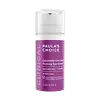 Key Ingredients
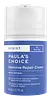
Benefits
Concerns
Ingredients Side-by-side
Water
Skin ConditioningNeopentyl Glycol Diheptanoate
EmollientCetyl Alcohol
Emollient


Butylene Glycol
Humectant

Glycerin
Humectant
Glyceryl Stearate
Emollient
PEG-100 Stearate
Surfactant
Ammonium Acryloyldimethyltaurate/Vp Copolymer
Ascorbyl Glucoside
Antioxidant


Potassium Cetyl Phosphate
EmulsifyingSodium Ascorbyl Phosphate
Antioxidant


Bis-Diglyceryl Polyacyladipate-2
Emollient
Polyglyceryl-10 Dioleate
Emulsifying
Tetrahexyldecyl Ascorbate
Antioxidant
Ceramide Ns
Skin Conditioning


Ceramide EOP
Skin Conditioning
Ceramide AP
Skin Conditioning
Ceramide Eos
Skin Conditioning
Ceramide NP
Skin Conditioning
Palmitoyl Tripeptide-5
Skin Conditioning
Acetyl Tetrapeptide-5
Humectant
Caprooyl Phytosphingosine
Skin Conditioning
Caprooyl Sphingosine
Skin ConditioningCholesterol
Emollient
Squalane
Emollient
Retinol
Skin Conditioning




Vitis Vinifera Seed Extract
Antimicrobial
Glycyrrhiza Glabra Root Extract
Bleaching
Punica Granatum Fruit Extract
Antioxidant
Dunaliella Salina Extract
Skin ConditioningPongamia Glabra Seed Oil
Skin Conditioning
Tocopheryl Acetate
Antioxidant
Allantoin
Skin Conditioning
Bisabolol
Antioxidant
Carnosine
Skin Conditioning
Panthenol
Skin Conditioning
Sodium PCA
Humectant
Pullulan
Glyceryl Ascorbate
Antioxidant
Behenic Acid
Cleansing
Dimethicone
Emollient
Sodium Citrate
BufferingSodium Polyacrylate
Absorbent
Caprylyl Glycol
Emollient
Ethylhexyl Stearate
Emollient

Ceteareth-25
CleansingSodium Hydroxide
BufferingTrideceth-6
EmulsifyingPropyl Gallate
Antioxidant

Polysorbate 20
Emulsifying
Disodium EDTA
Mica
Cosmetic ColorantPhenoxyethanol
Preservative
Chlorphenesin
Antimicrobial
Sodium Benzoate
Masking
Water, Neopentyl Glycol Diheptanoate, Cetyl Alcohol, Butylene Glycol, Glycerin, Glyceryl Stearate, PEG-100 Stearate, Ammonium Acryloyldimethyltaurate/Vp Copolymer, Ascorbyl Glucoside, Potassium Cetyl Phosphate, Sodium Ascorbyl Phosphate, Bis-Diglyceryl Polyacyladipate-2, Polyglyceryl-10 Dioleate, Tetrahexyldecyl Ascorbate, Ceramide Ns, Ceramide EOP, Ceramide AP, Ceramide Eos, Ceramide NP, Palmitoyl Tripeptide-5, Acetyl Tetrapeptide-5, Caprooyl Phytosphingosine, Caprooyl Sphingosine, Cholesterol, Squalane, Retinol, Vitis Vinifera Seed Extract, Glycyrrhiza Glabra Root Extract, Punica Granatum Fruit Extract, Dunaliella Salina Extract, Pongamia Glabra Seed Oil, Tocopheryl Acetate, Allantoin, Bisabolol, Carnosine, Panthenol, Sodium PCA, Pullulan, Glyceryl Ascorbate, Behenic Acid, Dimethicone, Sodium Citrate, Sodium Polyacrylate, Caprylyl Glycol, Ethylhexyl Stearate, Ceteareth-25, Sodium Hydroxide, Trideceth-6, Propyl Gallate, Polysorbate 20, Disodium EDTA, Mica, Phenoxyethanol, Chlorphenesin, Sodium Benzoate
Water
Skin ConditioningEthylhexyl Stearate
Emollient
Simmondsia Chinensis Seed Oil
Emollient
Butylene Glycol
Humectant
Glycerin
Humectant
Caprylic/Capric Triglyceride
Masking
Petrolatum
Emollient
Cetearyl Alcohol
Emollient
Dimethicone
Emollient
Dipentaerythrityl Hexacaprylate/Hexacaprate
EmulsifyingGlyceryl Stearate
Emollient
Tridecyl Trimellitate
EmollientPEG-100 Stearate
Surfactant
Phenyl Trimethicone
Skin Conditioning
Retinol
Skin Conditioning
Adenosine
Skin Conditioning
Palmitoyl Tetrapeptide-7
Skin Conditioning
Palmitoyl Hexapeptide-12
Skin Conditioning
Palmitoyl Tripeptide-1
Skin Conditioning
Ceramide Ng
Skin Conditioning
Sodium Hyaluronate
Humectant
Magnesium Ascorbyl Phosphate
Antioxidant
Niacinamide
Smoothing
Tocopherol
Antioxidant
Lecithin
Emollient
Linoleic Acid
Cleansing
Linolenic Acid
Cleansing
Retinyl Palmitate
Skin Conditioning
Glycyrrhiza Glabra Root Extract
Bleaching
Camellia Oleifera Leaf Extract
AstringentCitrullus Lanatus Fruit Extract
Skin Conditioning
Lens Esculenta Fruit Extract
Skin ConditioningPyrus Malus Fruit Extract
Skin Conditioning
Glycine Soja Sterols
Emollient
Tribehenin
Emollient
PEG-10 Phytosterol
EmulsifyingMagnesium Aluminum Silicate
Absorbent
Sodium PCA
Humectant
Sodium Lactate
Buffering
Pullulan
Xanthan Gum
EmulsifyingSodium Hydroxide
BufferingNeopentyl Glycol Dicaprylate/Dicaprate
EmollientCetearyl Glucoside
Emulsifying
Tridecyl Stearate
Emollient
Behenyl Alcohol
Emollient
Sclerotium Gum
Emulsion StabilisingCarbomer
Emulsion StabilisingC12-15 Alkyl Benzoate
AntimicrobialPolysorbate 20
Emulsifying
Disodium EDTA
Sorbic Acid
Preservative
Phenoxyethanol
Preservative
Chlorphenesin
Antimicrobial
Benzoic Acid
Masking
Water, Ethylhexyl Stearate, Simmondsia Chinensis Seed Oil, Butylene Glycol, Glycerin, Caprylic/Capric Triglyceride, Petrolatum, Cetearyl Alcohol, Dimethicone, Dipentaerythrityl Hexacaprylate/Hexacaprate, Glyceryl Stearate, Tridecyl Trimellitate, PEG-100 Stearate, Phenyl Trimethicone, Retinol, Adenosine, Palmitoyl Tetrapeptide-7, Palmitoyl Hexapeptide-12, Palmitoyl Tripeptide-1, Ceramide Ng, Sodium Hyaluronate, Magnesium Ascorbyl Phosphate, Niacinamide, Tocopherol, Lecithin, Linoleic Acid, Linolenic Acid, Retinyl Palmitate, Glycyrrhiza Glabra Root Extract, Camellia Oleifera Leaf Extract, Citrullus Lanatus Fruit Extract, Lens Esculenta Fruit Extract, Pyrus Malus Fruit Extract, Glycine Soja Sterols, Tribehenin, PEG-10 Phytosterol, Magnesium Aluminum Silicate, Sodium PCA, Sodium Lactate, Pullulan, Xanthan Gum, Sodium Hydroxide, Neopentyl Glycol Dicaprylate/Dicaprate, Cetearyl Glucoside, Tridecyl Stearate, Behenyl Alcohol, Sclerotium Gum, Carbomer, C12-15 Alkyl Benzoate, Polysorbate 20, Disodium EDTA, Sorbic Acid, Phenoxyethanol, Chlorphenesin, Benzoic Acid
Reviews
Ingredients Explained
These ingredients are found in both products.
Ingredients higher up in an ingredient list are typically present in a larger amount.
Butylene Glycol (or BG) is used within cosmetic products for a few different reasons:
Overall, Butylene Glycol is a safe and well-rounded ingredient that works well with other ingredients.
Though this ingredient works well with most skin types, some people with sensitive skin may experience a reaction such as allergic rashes, closed comedones, or itchiness.
Learn more about Butylene GlycolChlorphenesin is a synthetic preservative. It helps protect a product against bacteria in order to extend shelf life. In most cases, Chlorphenesin is paired with other preservatives such as phenoxyethanol and caprylyl glycol.
Chlorphenesin is a biocide. This means it is able to help fight the microorganisms on our skin. It is also able to fight odor-releasing bacteria.
Chlorphenesin is soluble in both water and glycerin.
Studies show Chlorphenesin is easily absorbed by our skin. You should speak with a skincare professional if you have concerns about using Chlorphenesin.
Learn more about ChlorphenesinDimethicone is a type of synthetic silicone created from natural materials such as quartz. It is also known as polydimethylsiloxane.
What it does:
Dimethicone comes in different viscosities:
Depending on the viscosity, dimethicone has different properties.
Ingredients lists don't always show which type is used, so we recommend reaching out to the brand if you have questions about the viscosity.
This ingredient is unlikely to cause irritation because it does not get absorbed into skin. However, people with silicone allergies should be careful about using this ingredient.
Note: Dimethicone may contribute to pilling. This is because it is not oil or water soluble, so pilling may occur when layered with products. When mixed with heavy oils in a formula, the outcome is also quite greasy.
Learn more about DimethiconeDisodium EDTA is a chelating agent. It grabs onto and deactivates metal ions that sneak into your products from water, packaging, or air.
This ingredient mainly works behind the scenes and helps with:
On top of that, this ingredient can counteract the effects of hard water by binding to the minerals in it.
One thing worth knowing is that Disodium EDTA has been shown to be a mild penetration enhancer. It can help other ingredients absorb into skin more effectively which can be a double-edged sword (great for actives, but can also make the active too strong if you have sensitive skin).
Clinical patch testing showed no significant skin irritation at typical use concentrations and minimal dermal absorption.
You'll most likely see this ingredient near the end of an ingredient list. It's typically found in concentrations less than 1%.
Learn more about Disodium EDTAEthylhexyl Stearate mainly acts as an emollient that helps hydate skin. It can also be used to reduce the greasiness of oils in a formula.
Because this ingredient contains a C18 fatty acid chain, it may not be Malassezia/fungal acne safe. This is because the Malassezia yeast potentially feeds on C11-C24 fatty acids.
This ingredient is an ester of 2-ethylhexyl alcohol and stearic acid.
Learn more about Ethylhexyl StearateGlycerin (or glycerol) is a compound naturally found in your skin. It's a powerhouse humectant that pulls water into the stratum corneum.
Topically, glycerin does several things at once:
Your skin makes glycerin on its own (mostly from sebaceous oil breakdown) and shuttles it to your outermost layer of skin, or your epidermis, via aquaporin-3.
Aquaporin-3 is a transporter that is essential for normal skin hydration, elasticity, and repair. Interestingly, mice lacking in AQP3 have dry and less elastic skin that can be fully corrected with glycerin.
This ingredient is non-irritating, plays well with almost every ingredient, and works across all skin types. Typical use is anywhere between 3-10% but can go up to 79% in some leave-on products.
Just know very high concentrations (>40%) can feel tacky in low humidity.
Glycerin is the name for this ingredient in American English. British English uses Glycerol/Glycerine.
Learn more about GlycerinGlyceryl Stearate is made by reacting glycerin with stearic acid (typically sourced from plant oils like palm or coconut). It's an emulsifier, emollient, and mild occlusive.
Emulsifiers help ingredients like oil and water stay mixed so your formula stays nicely blended and uniform in texture.
This ingredient is typically used in concentrations between 1-10%. Studies have found it to be non-sensitizing, non-phototoxic, and non-photoallergenic.
A close cousin of this ingredient is Glyceryl Stearate SE ("self-emulsifying"). This just has a small amount of sodium or potassium stearate added so it can emulsify without a co-emulsifier.
Since this ingredient is an ester of a C18 fatty acid, it may not be fungal acne safe. The Malassezia yeast can potentially metabolize within the C11-C24 range.
Fun fact: The human body also creates Glyceryl Stearate naturally.
Learn more about Glyceryl StearateGlycyrrhiza Glabra Root Extract is an extract of the roots of Licorice. It has been found to have several benefits such as skin hydrating, conditioning, and soothing.
One component, glabridin, has extra potent antioxidant and soothing properties. It has also been found to block pigmentation from UVB rays in guinea pigs.
Licorice Root also contains a flavonoid. Flavonoids are a natural substance from in plants. Flavonoids also have antioxidant properties.
Another component, glycyrrhizin, has been found to have anti-inflammatory and antimicrobial benefits. This may make licorice root extract effective at treating acne. However, more research is needed to support this.
Liquiritin is one of the flavone compounds found in licorice. It has been found to help lighten skin by preventing tyrosinase from reacting with tyrosine. When the two react, protein is converted to melanin. Melanin is the substance in your body that gives your features pigmentation.
Learn more about Glycyrrhiza Glabra Root ExtractPeg-100 Stearate is an emollient and emulsifier. As an emollient, it helps keep skin soft by trapping moisture in. On the other hand, emulsifiers help prevent oil and water from separating in a product.
PEGS are a hydrophilic polyether compound . There are 100 ethylene oxide monomers in Peg-100 Stearate. Peg-100 Stearate is polyethylene glycol ester of stearic acid.
Phenoxyethanol is a preservative that has germicide, antimicrobial, and aromatic properties. Studies show that phenoxyethanol can prevent microbial growth. By itself, it has a scent that is similar to that of a rose.
It's often used in formulations along with Caprylyl Glycol to preserve the shelf life of products.
Polysorbate 20 is a gentle, water-soluble emulsifier and mild surfactant. It stops oil and water from separating to keep your formulas blended and stable.
It also acts as a mild penetration enhancer by helping active ingredients absorb slightly better.
The common safety discussion around this ingredient involves a manufacturing byproduct called 1,4-dioxane.
Trace amounts can form during production but the EU's Scientific Committee on Consumer Safety has concluded that levels at/below 10 ppm in finished products are safe (commercial products consistently fall within acceptable margins).
True allergic reactions are uncommon and the CIR Expert Panel has confirmed this ingredient to be safe as used in cosmetics.
Because it is derived from lauric acid, it may not be fungal acne safe.
Learn more about Polysorbate 20Pullulan is a low viscosity polysaccharide (a long chain carbohydrate) with binding and film forming properties when dissolved in water. It is used to create a "silicone-like" or silky feel in cosmetics without adding viscosity.
According to a manufacturer, this ingredient's ability to easily dissolves makes it a great carrier for active ingredients.
Due to it being edible and tasteless, you'll likely find this ingredient in breath freshener strips. This ingredient is produced from the starch of the fungus, Aureobasidium pullulans.
Pullulan is stable over a broad-range of pH.
Learn more about PullulanRetinol is a gold-standard ingredient for anti-aging. It is a form of Vitamin A and belongs to the class of retinoids that also includes tretinoin.
Why is retinol famous?
It has the most scientific studies backing up its skin benefits out of all the non-prescription ingredients.
Retinol is proven to:
This is why retinol is effective at removing wrinkles, fading dark spots, treating acne, and reducing the appearance of pores.
Studies show retinol is less effective when exposed to UV. Be sure to look for appropriate packaging to keep your retinol potent (similar to Vitamin C).
Using retinol or any retinoids will increase sun-sensitivity in the first few months. Though studies show retinoids increase your skin's natural SPF with continuous use, it is best to always wear sunscreen and sun-protection.
We recommend speaking with a medical professional about using this ingredient during pregnancy.
Retinol may cause irritation in some people, so be sure to patch test. Experts recommend 'ramping up' retinol use: start using this ingredient once a week and work up to using it daily.
Read about Tretinoin
Learn more about RetinolSodium Hydroxide is also known as lye or caustic soda. It is used to adjust the pH of products; many ingredients require a specific pH to be effective.
In small amounts, sodium hydroxide is considered safe to use. However, large amounts may cause chemical burns due to its high alkaline.
Your skin has a natural pH and acid mantle. This acid mantle helps prevent harmful bacteria from breaking through. The acid mantle also helps keep your skin hydrated.
"Alkaline" refers to a high pH level. A low pH level would be considered acidic.
Learn more about Sodium HydroxideSodium PCA is the sodium salt of pyroglutamic acid. It is naturally occurring in our skin's natural moisturizing factors where it works to maintain hydration.
The PCA stands for pyrrolidone carboxylic acid, a natural amino acid derivative.
This ingredient has skin conditioning, anti-inflammatory, and humectant properties. Humectants help hydrate your skin by drawing moisture from the air. This helps keep your skin moisturized.
Learn more about Sodium PCAWater. It's the most common cosmetic ingredient of all. You'll usually see it at the top of ingredient lists, meaning that it makes up the largest part of the product.
So why is it so popular? Water most often acts as a solvent - this means that it helps dissolve other ingredients into the formulation.
You'll also recognize water as that liquid we all need to stay alive. If you see this, drink a glass of water. Remember to stay hydrated!
Learn more about Water
