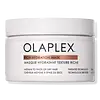
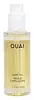
Olaplex Rich Hydration Mask Versus Ouai Hair Oil

What's inside
What's inside
 Key Ingredients
Benefits
Concerns
Ingredients Side-by-side
Water
Skin ConditioningCetearyl Alcohol
Emollient






Dodecane
Emollient

C10-18 Triglycerides
Emollient
Behentrimonium Methosulfate
SurfactantPropanediol
Solvent

Behentrimonium Chloride
Preservative
Helianthus Annuus Seed Oil
Emollient
Persea Gratissima Oil
Skin Conditioning
Brassicamidopropyl Dimethylamine
Skin ConditioningGlycerin
Humectant
Hydrogenated Rapeseed Oil
Emollient
Myristyl Myristate
Emollient
Carthamus Tinctorius Seed Oil
Masking
Brassica Glycerides
EmollientButyrospermum Parkii Butter
Skin Conditioning
Cocos Nucifera Oil
Masking
Crambe Abyssinica Seed Oil
Skin Conditioning
Dioctyldodecyl Dodecanedioate
EmollientHydrogenated Castor Oil/Sebacic Acid Copolymer
Emollient
Propylheptyl Caprylate
EmollientEthyl Oleate
Emollient
Parfum
Masking
Styrene/Butadiene Copolymer
Phenoxyethanol
Preservative
Quaternium-87
CleansingIsopropyl Alcohol
Solvent

Lactic Acid
Buffering






Guar Hydroxypropyltrimonium Chloride
Skin ConditioningCaprylic/Capric Triglyceride
Masking
Ceratonia Siliqua Gum
EmollientPropylene Glycol
Humectant
Maltodextrin
Absorbent
Chlorphenesin
Antimicrobial
Ethylhexylglycerin
Skin ConditioningBis-Aminopropyl Diglycol Dimaleate
Skin ConditioningSclerotium Gum
Emulsion StabilisingArginine
Masking
Silybum Marianum Seed Extract
Skin ConditioningSuccinic Acid
BufferingTrisodium Ethylenediamine Disuccinate
ChelatingHexyl Cinnamal
Perfuming
Limonene
Perfuming
Citral
Perfuming
Olea Europaea Leaf Extract
Perfuming
Pentaerythrityl Tetra-Di-T-Butyl Hydroxyhydrocinnamate
Antioxidant
Tocopherol
Antioxidant

Sodium Benzoate
Masking
Tbhq
Antioxidant
Sodium Hydroxide
BufferingCI 19140
Cosmetic ColorantCI 15985
Cosmetic ColorantWater, Cetearyl Alcohol, Dodecane, C10-18 Triglycerides, Behentrimonium Methosulfate, Propanediol, Behentrimonium Chloride, Helianthus Annuus Seed Oil, Persea Gratissima Oil, Brassicamidopropyl Dimethylamine, Glycerin, Hydrogenated Rapeseed Oil, Myristyl Myristate, Carthamus Tinctorius Seed Oil, Brassica Glycerides, Butyrospermum Parkii Butter, Cocos Nucifera Oil, Crambe Abyssinica Seed Oil, Dioctyldodecyl Dodecanedioate, Hydrogenated Castor Oil/Sebacic Acid Copolymer, Propylheptyl Caprylate, Ethyl Oleate, Parfum, Styrene/Butadiene Copolymer, Phenoxyethanol, Quaternium-87, Isopropyl Alcohol, Lactic Acid, Guar Hydroxypropyltrimonium Chloride, Caprylic/Capric Triglyceride, Ceratonia Siliqua Gum, Propylene Glycol, Maltodextrin, Chlorphenesin, Ethylhexylglycerin, Bis-Aminopropyl Diglycol Dimaleate, Sclerotium Gum, Arginine, Silybum Marianum Seed Extract, Succinic Acid, Trisodium Ethylenediamine Disuccinate, Hexyl Cinnamal, Limonene, Citral, Olea Europaea Leaf Extract, Pentaerythrityl Tetra-Di-T-Butyl Hydroxyhydrocinnamate, Tocopherol, Sodium Benzoate, Tbhq, Sodium Hydroxide, CI 19140, CI 15985
Cyclopentasiloxane
Emollient
Dimethicone
Emollient
Prunus Amygdalus Dulcis Oil
Skin Conditioning
Isododecane
EmollientHydrogenated Ethylhexyl Olivate
EmollientC12-15 Alkyl Benzoate
AntimicrobialPhenyl Trimethicone
Skin Conditioning
Simmondsia Chinensis Seed Oil
Emollient
Dimethiconol
Emollient
Jojoba Esters
Emollient
Butyrospermum Parkii Butter
Skin Conditioning
Helianthus Annuus Seed Oil
Emollient
Oryza Sativa Bran Oil
Emollient
Adansonia Digitata Seed Oil
Emollient
Borago Officinalis Seed Oil
Emollient
Crambe Abyssinica Seed Oil
Skin Conditioning
Glycine Soja Oil
Emollient
Passiflora Edulis Seed Oil
Emollient
Moringa Oleifera Seed Oil
Emollient
Coconut Alkanes
Emollient
Kaempferia Galanga Root Extract
Skin ConditioningHelianthus Annuus Extract
Emollient
Amaranthus Caudatus Seed Extract
Skin Conditioning
Oryza Sativa Bran Extract
Skin Conditioning
Daucus Carota Sativa Root Extract
Skin Conditioning
Rosmarinus Officinalis Leaf Extract
AntimicrobialTocopherol
Antioxidant
Coco-Caprylate/Caprate
Emollient
Ethylhexyl Methoxycinnamate
UV Absorber

Polysilicone-15
UV Filter
Diisostearyl Malate
EmollientHydrogenated Olive Oil Unsaponifiables
Emollient
Beta-Carotene
Skin ConditioningBHT
Antioxidant
Citric Acid
Buffering
Benzoic Acid
Masking
Phenoxyethanol
Preservative
Parfum
Masking
Benzyl Benzoate
Antimicrobial
Citronellol
Perfuming
Benzyl Salicylate
Perfuming
Linalool
Perfuming
Hydroxycitronellal
Perfuming
Hexyl Cinnamal
Perfuming
Geraniol
Perfuming
Cyclopentasiloxane, Dimethicone, Prunus Amygdalus Dulcis Oil, Isododecane, Hydrogenated Ethylhexyl Olivate, C12-15 Alkyl Benzoate, Phenyl Trimethicone, Simmondsia Chinensis Seed Oil, Dimethiconol, Jojoba Esters, Butyrospermum Parkii Butter, Helianthus Annuus Seed Oil, Oryza Sativa Bran Oil, Adansonia Digitata Seed Oil, Borago Officinalis Seed Oil, Crambe Abyssinica Seed Oil, Glycine Soja Oil, Passiflora Edulis Seed Oil, Moringa Oleifera Seed Oil, Coconut Alkanes, Kaempferia Galanga Root Extract, Helianthus Annuus Extract, Amaranthus Caudatus Seed Extract, Oryza Sativa Bran Extract, Daucus Carota Sativa Root Extract, Rosmarinus Officinalis Leaf Extract, Tocopherol, Coco-Caprylate/Caprate, Ethylhexyl Methoxycinnamate, Polysilicone-15, Diisostearyl Malate, Hydrogenated Olive Oil Unsaponifiables, Beta-Carotene, BHT, Citric Acid, Benzoic Acid, Phenoxyethanol, Parfum, Benzyl Benzoate, Citronellol, Benzyl Salicylate, Linalool, Hydroxycitronellal, Hexyl Cinnamal, Geraniol
Reviews
Ingredients Explained
These ingredients are found in both products.
Ingredients higher up in an ingredient list are typically present in a larger amount.
This ingredient is also known as shea butter. It is a plant-derived extract from the nuts of the Africa shea tree and one of the most well-studied emollients.
Because it has a high concentration of fatty acids (primarily oleic, stearic, and linoleic) it is able to form a protective barrier on the skin's surface. This helps seal in moisture and prevents transepidermal water loss (TEWL).
In vitro research found an increase in skin hydration by 58% and a decrease in TEWL by 37.8% after 24 hours of applying this ingredient (pretty impressive for a single ingredient!).
Besides hydration, shea butter also contains triterpenes that have anti-inflammatory potential. In particule, lupeol cinnamate has shown the highest anti-inflammatory activity in vivo.
Shea butter also contains vitamins A and E which may contribute to antioxidant activity.
While Shea Butter has an SPF rating of about 3-4, it is not a sunscreen replacement.
This ingredient may not be fungal acne safe because its fatty acids fall within the C11-C24 range that the Malassezia yeast can metabolize.
This ingredient shows up on a lot of "pore-clogging" lists but there's no real evidence behind that. It doesn't even have a comedogenic rating from an actual study; the numbers you'll find online come from blogs citing other blogs.
Ratings for other ingredients mostly come from a 1980s rabbit ear test. This test doesn't translate well to human skin or to real products because the ingredient sits at a much lower percentage.
Some people still find it breaks them out. So if that's you, definitely trust your skin. Just know this one's based on experience and not evidence.
Learn more about Butyrospermum Parkii ButterThis ingredient is also known as Abyssinian Oil. It comes from the seeds of the Crambe abyssinica plant and has skin conditioning properties.
What makes this oil unique is its unusually high content of erucic acid (50-65%). The other fatty acids found in this oil are oleic acid (15%) and linoleic acid (13%).
In cosmetics, abyssinian oil acts as an emollient that forms a protective layer on skin to lock in moisture without adding a heavy, greasy feeling. It also has a silky, silicone-like slip to it and is fairly resistant to oxidation.
Due to its fatty acid content, this ingredient may not be fungal acne safe.
Learn more about Crambe Abyssinica Seed OilHelianthus Annuus Seed Oil is a plant oil derived from the seeds of a sunflower.
It is rich in fatty acids, primarily linoleic acid and oleic acid. This gives it emollient and skin conditioning properties.
The reason this ingredient is so effective is because it forms a thin film on the skin that reduces transepidermal water loss (TEWL) while supplying linoleic acid to the stratum corneum to improve barrier strength.
The high linoleic acid content is particularly noteworthy for acne-prone skin.
Research suggests that acne-prone skin tends to be deficient in linoleic acid in sebum. Topical application may help replenish this to support a healthier follicular environment and less comedone-promoting sebum.
One randomized study found sunflower seed oil preserved skin barrier integrity in adult volunteers with and without atopic dermatitis (outperforming olive oil).
This ingredient is well-studied, gentle, and an effective emollient suitable for most skin types.
On fungal acne: This ingredient may not be Fungal acne (Malassezia folliculitis) safe. This is because it contains fatty acids with carbon chain lengths in the C11-C24 range.
Learn more about Helianthus Annuus Seed OilHexyl Cinnamal is a fragrance ingredient with a similar scent to jasmine. It can be naturally found in chamomile essential oil.
This ingredient is a known EU allergen and may sensitize the skin. The EU requires this ingredient to be listed separately on an ingredients list.
Hexyl Cinnamal is not water soluble but is soluble in oils.
Learn more about Hexyl CinnamalParfum is a catch-all term for an ingredient or more that is used to give a scent to products.
Also called "fragrance", this ingredient can be a blend of hundreds of chemicals or plant oils. This means every product with "fragrance" or "parfum" in the ingredients list is a different mixture.
For instance, Habanolide is a proprietary trade name for a specific aroma chemical. When used as a fragrance ingredient in cosmetics, most aroma chemicals fall under the broad labeling category of “FRAGRANCE” or “PARFUM” according to EU and US regulations.
The term 'parfum' or 'fragrance' is not regulated in many countries. In many cases, it is up to the brand to define this term.
For instance, many brands choose to label themselves as "fragrance-free" because they are not using synthetic fragrances. However, their products may still contain ingredients such as essential oils that are considered a fragrance by INCI standards.
One example is Calendula flower extract. Calendula is an essential oil that still imparts a scent or 'fragrance'.
Depending on the blend, the ingredients in the mixture can cause allergies and sensitivities on the skin. Some ingredients that are known EU allergens include linalool and citronellol.
Parfum can also be used to mask or cover an unpleasant scent.
The bottom line is: not all fragrances/parfum/ingredients are created equally. If you are worried about fragrances, we recommend taking a closer look at an ingredient. And of course, we always recommend speaking with a professional.
Learn more about ParfumPhenoxyethanol is one of the most widely used preservatives in skincare (and for good reason!).
It has a large spectrum of antimicrobial activity and especially effective bacteria, yeast, and mold while only having a weak effect on your skin's natural microbiome.
On a cellular level, it disrupts the cell membranes of microbes by poking holes that make the cell leak. This shuts down the chemical reactions the microbe needs to make energy so it can no longer survive.
Another perk of this ingredient is that it stays functional across a wide pH range (3-10).
You'll often see it paired with boosters like Ethylhexylglycerin; one study showed that a 1:9 ratio of Ethylhexylglycerin to Phenoxyethanol damages bacterial membranes as effectively as doubling the Phenoxyethanol concentration on its own.
Typical use concentrations range from 0.3-1% depending on the formula, and this ingredient is capped at 1% int the EU.
Safety-wise, the fear mongering does not hold up to the evidence. The EU's Scientific Committee on Consumer Safety and FDA consider it safe as a preservative at up to 1%, including for children of all ages.
Adverse systemic effects only showed up in animal studies at exposures roughly 200x higher than what people get from cosmetics. And despite its very widespread use, this ingredient is a rare sensitizer and allergic reactions are uncommon.
Learn more about PhenoxyethanolTocopherol is a fat-soluble antioxidant known as Vitamin E.
You'll find this ingredient in the vast majority of skincare (for good reason). It works to neutralize free radicals, or unstable molecules generated by UV exposure, pollution, and other environmental stressors, before they can cause oxidative damage to your skin cells.
Topically applied tocopherol has been shown to protect against UV damage by ramping up the skin's own natural defense enzymes.
It also acts as a skin conditioning agent; some studies show that regular topical use can improve the skin's water-binding capacity over 2-4 weeks.
This ingredient is especially loved for being a team player. When combined with Vitamin C, the photoprotective effect of both ingredients roughly doubles and the combo also helps reduce UV-induced DNA damage.
This ingredient has some brightening potential but it's more of a prevention ingredient than spot-fader. Cell studies show it can slow down melanin production but it's worth noting that it's not the most powerful brightener out there.
In formulations, it also serves as a stabilizer that helps protect other oxidation-prone ingredients from degrading.
Concentrations usually range from 0.1-1% in most leave-on products.
Learn more about Tocopherol

