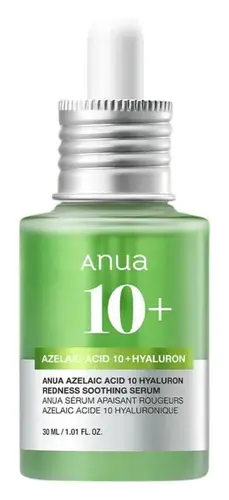
This mineral sunscreen covers the full UV range and blocks ~98% of UVB at SPF 50.


What's inside
What's inside
 Key Ingredients
Benefits
Concerns
Ingredients Side-by-side
Water
Skin ConditioningTitanium Dioxide
Cosmetic Colorant

Propanediol
Solvent

Dibutyl Adipate
EmollientCaprylic/Capric Triglyceride
Masking
Caprylyl Methicone
Skin Conditioning
Glycerin
Humectant
Ethylhexyl Triazone
UV Absorber
Diethylamino Hydroxybenzoyl Hexyl Benzoate
UV Filter
C12-15 Alkyl Benzoate
AntimicrobialNiacinamide
Smoothing









1,2-Hexanediol
Skin Conditioning
Pentylene Glycol
Skin Conditioning
Diethylhexyl Butamido Triazone
UV Absorber
Vinyl Dimethicone/Methicone Silsesquioxane Crosspolymer
Polyhydroxystearic Acid
Emulsifying

CI 77499
Cosmetic ColorantSodium Acrylate/Sodium Acryloyldimethyl Taurate Copolymer
Emulsion StabilisingCI 77492
Cosmetic ColorantMica
Cosmetic ColorantCetearyl Olivate
Isohexadecane
EmollientAlumina
Abrasive
Stearic Acid
Cleansing
Dimethicone/Vinyl Dimethicone Crosspolymer
Skin Conditioning
Sorbitan Olivate
Emulsifying
Parfum
Masking



PEG-240/Hdi Copolymer Bis-Decyltetradeceth-20 Ether
StabilisingPolyglyceryl-10 Decastearate
Skin ConditioningCI 77491
Cosmetic ColorantPolyester-1
Triethoxycaprylylsilane
Silica Dimethyl Silylate
EmollientPropylheptyl Caprylate
EmollientPolysorbate 80
Emulsifying
Polyglyceryl-10 Myristate
Skin Conditioning
Ethylhexylglycerin
Skin ConditioningButylene Glycol
Humectant
Adenosine
Skin Conditioning
Sorbitan Oleate
Emulsifying
Disodium EDTA
ChelatingPEG-7 Glyceryl Cocoate
Emulsifying
Garcinia Cambogia Fruit Extract
Skin Conditioning4-Terpineol
Masking
Carbomer
Emulsion StabilisingArginine
Masking
Yeast Ferment Extract
Skin ConditioningPseudoalteromonas Ferment Extract
Humectant
Potassium Laurate
EmulsifyingPolyquaternium-7
Methylsilanol Tri-PEG-8 Glyceryl Cocoate
Emulsifying
BHT
Antioxidant
Tocopherol
Antioxidant
Centella Asiatica Leaf Extract
Skin Conditioning
Laurus Nobilis Leaf Extract
MaskingEucalyptus Globulus Leaf Extract
Perfuming
Hydrolyzed Sodium Hyaluronate
Skin Conditioning
Hydrolyzed Hyaluronic Acid
Humectant
Hyaluronic Acid
Humectant
Vitis Vinifera Fruit Extract
Skin ConditioningSodium Hyaluronate
Humectant
Potassium Hyaluronate
Skin ConditioningDiospyros Kaki Leaf Extract
Skin Protecting
Sodium Hyaluronate Crosspolymer
Humectant
Hydroxypropyltrimonium Hyaluronate
Polygonum Cuspidatum Root Extract
Antioxidant
Coffea Arabica Seed Extract
Masking
Carthamus Tinctorius Flower Extract
Skin ConditioningZanthoxylum Piperitum Fruit Extract
Skin ConditioningCastanea Crenata Shell Extract
Skin ConditioningCamellia Sinensis Leaf Extract
Antimicrobial
Sodium Acetylated Hyaluronate
Humectant
Asiaticoside
Antioxidant
Madecassoside
Antioxidant
Madecassic Acid
Skin Conditioning
Asiatic Acid
Skin Conditioning
Water, Titanium Dioxide, Propanediol, Dibutyl Adipate, Caprylic/Capric Triglyceride, Caprylyl Methicone, Glycerin, Ethylhexyl Triazone, Diethylamino Hydroxybenzoyl Hexyl Benzoate, C12-15 Alkyl Benzoate, Niacinamide, 1,2-Hexanediol, Pentylene Glycol, Diethylhexyl Butamido Triazone, Vinyl Dimethicone/Methicone Silsesquioxane Crosspolymer, Polyhydroxystearic Acid, CI 77499, Sodium Acrylate/Sodium Acryloyldimethyl Taurate Copolymer, CI 77492, Mica, Cetearyl Olivate, Isohexadecane, Alumina, Stearic Acid, Dimethicone/Vinyl Dimethicone Crosspolymer, Sorbitan Olivate, Parfum, PEG-240/Hdi Copolymer Bis-Decyltetradeceth-20 Ether, Polyglyceryl-10 Decastearate, CI 77491, Polyester-1, Triethoxycaprylylsilane, Silica Dimethyl Silylate, Propylheptyl Caprylate, Polysorbate 80, Polyglyceryl-10 Myristate, Ethylhexylglycerin, Butylene Glycol, Adenosine, Sorbitan Oleate, Disodium EDTA, PEG-7 Glyceryl Cocoate, Garcinia Cambogia Fruit Extract, 4-Terpineol, Carbomer, Arginine, Yeast Ferment Extract, Pseudoalteromonas Ferment Extract, Potassium Laurate, Polyquaternium-7, Methylsilanol Tri-PEG-8 Glyceryl Cocoate, BHT, Tocopherol, Centella Asiatica Leaf Extract, Laurus Nobilis Leaf Extract, Eucalyptus Globulus Leaf Extract, Hydrolyzed Sodium Hyaluronate, Hydrolyzed Hyaluronic Acid, Hyaluronic Acid, Vitis Vinifera Fruit Extract, Sodium Hyaluronate, Potassium Hyaluronate, Diospyros Kaki Leaf Extract, Sodium Hyaluronate Crosspolymer, Hydroxypropyltrimonium Hyaluronate, Polygonum Cuspidatum Root Extract, Coffea Arabica Seed Extract, Carthamus Tinctorius Flower Extract, Zanthoxylum Piperitum Fruit Extract, Castanea Crenata Shell Extract, Camellia Sinensis Leaf Extract, Sodium Acetylated Hyaluronate, Asiaticoside, Madecassoside, Madecassic Acid, Asiatic Acid
Zinc Oxide
Cosmetic Colorant
Water
Skin ConditioningCoconut Alkanes
Emollient
Dimethicone
Emollient
Diethylhexyl Carbonate
EmollientButylene Glycol Dicaprylate/Dicaprate
EmollientIsododecane
EmollientSilica
Abrasive
Dibutyl Adipate
EmollientLauryl Polyglyceryl-3 Polydimethylsiloxyethyl Dimethicone
Skin Conditioning
PEG-Crosspolymer
Magnesium Sulfate
Acetyl Tetrapeptide-2
Skin Conditioning
Nonapeptide-1
Skin Conditioning
Nicotiana Benthamiana Hexapeptide-40 Sh-Polypeptide-47
Collagen Amino Acids
Moisturising
Pongamia Pinnata Seed Extract
Skin ConditioningGossypium Herbaceum Callus Culture
Skin ConditioningGlycyrrhiza Glabra Root Extract
Bleaching
Nelumbo Nucifera Flower Extract
Skin ConditioningCoco-Caprylate/Caprate
Emollient
Hydrogenated Vegetable Oil
Emollient
Disteardimonium Hectorite
StabilisingDiglycerin
Humectant
Caprylyl Glycol
Emollient
Silica Dimethyl Silylate
EmollientPropylene Carbonate
SolventButylene Glycol
Humectant
Pentylene Glycol
Skin Conditioning
Ethylene/Propylene Copolymer
Abrasive
Dextran
Aluminum Hydroxide
EmollientCitric Acid
Buffering
Tocopherol
Antioxidant
Polyhydroxystearic Acid
Emulsifying
Disodium EDTA
ChelatingEthylhexylglycerin
Skin ConditioningPhenoxyethanol
Preservative
CI 77891
Cosmetic ColorantCI 77492
Cosmetic ColorantCI 77491
Cosmetic ColorantCI 77266
Cosmetic ColorantZinc Oxide, Water, Coconut Alkanes, Dimethicone, Diethylhexyl Carbonate, Butylene Glycol Dicaprylate/Dicaprate, Isododecane, Silica, Dibutyl Adipate, Lauryl Polyglyceryl-3 Polydimethylsiloxyethyl Dimethicone, PEG-Crosspolymer, Magnesium Sulfate, Acetyl Tetrapeptide-2, Nonapeptide-1, Nicotiana Benthamiana Hexapeptide-40 Sh-Polypeptide-47, Collagen Amino Acids, Pongamia Pinnata Seed Extract, Gossypium Herbaceum Callus Culture, Glycyrrhiza Glabra Root Extract, Nelumbo Nucifera Flower Extract, Coco-Caprylate/Caprate, Hydrogenated Vegetable Oil, Disteardimonium Hectorite, Diglycerin, Caprylyl Glycol, Silica Dimethyl Silylate, Propylene Carbonate, Butylene Glycol, Pentylene Glycol, Ethylene/Propylene Copolymer, Dextran, Aluminum Hydroxide, Citric Acid, Tocopherol, Polyhydroxystearic Acid, Disodium EDTA, Ethylhexylglycerin, Phenoxyethanol, CI 77891, CI 77492, CI 77491, CI 77266
Reviews
Ingredients Explained
These ingredients are found in both products.
Ingredients higher up in an ingredient list are typically present in a larger amount.
Butylene Glycol (or BG) is used within cosmetic products for a few different reasons:
Overall, Butylene Glycol is a safe and well-rounded ingredient that works well with other ingredients.
Though this ingredient works well with most skin types, some people with sensitive skin may experience a reaction such as allergic rashes, closed comedones, or itchiness.
Learn more about Butylene GlycolCi 77491 is also hydrated iron III oxide. It's sole purpose is to give a red/pink hue to products.
Iron III oxides are classified as inorganic chemicals for coloring.
Synthetically created Ci 77491 is considered safer than those naturally found. This is because the synthetically created version may contain less impurities. Iron oxides are generally non-toxic and non-allergenic.
Learn more about CI 77491CI 77492 is also hydrated iron III oxide. It's sole purpose is to give a yellow hue to products.
Iron III oxides are classified as inorganic chemicals for coloring.
Synthetically created CI 77492 is considered safer than those naturally found. This is because the synthetically created version may contain less impurities. Iron oxides are generally non-toxic and non-allergenic.
Learn more about CI 77492Dibutyl Adipate is a lightweight, oil-soluble ester that acts as an emollient and solvent. It helps products spread more easily and leaves a soft, silky, dry-touch finish without being greasy.
You'll likely see this ingredient in sunscreens because it does a nice job dissolving UV filters and keeping them evenly distributed.
This ingredient has been found to be safe as used in cosmetics, wasn't a skin or eye irritant in clinical patch testing, and wasn't phototoxic.
In a clinical comedogenicity test, this ingredient tested negative so it isn't likely to clog pores.
Typical use levels are about 5-8% for sunscreens + nail products, but can range from 0.005%-8% depending on the product.
Learn more about Dibutyl AdipateDisodium EDTA is a chelating agent. It grabs onto and deactivates metal ions that sneak into your products from water, packaging, or air.
This ingredient mainly works behind the scenes and helps with:
On top of that, this ingredient can counteract the effects of hard water by binding to the minerals in it.
One thing worth knowing is that Disodium EDTA has been shown to be a mild penetration enhancer. It can help other ingredients absorb into skin more effectively which can be a double-edged sword (great for actives, but can also make the active too strong if you have sensitive skin).
Clinical patch testing showed no significant skin irritation at typical use concentrations and minimal dermal absorption.
You'll most likely see this ingredient near the end of an ingredient list. It's typically found in concentrations less than 1%.
Learn more about Disodium EDTAEthylhexylglycerin is created from glycerin. It is a multitasker ingredient that:
The CIR Expert Panel found minimal skin absorption or sensitization of any kind in a safety assessment. Though this ingredient is considered well-tolerated, a small number of cases of allergic dermatitis have been published since 2002. Just be sure to patch test if you are unsure.
Industry-reported use ranges from 8% in rinse-off products and 2% in leave-on formulations.
Learn more about EthylhexylglycerinPentylene Glycol (1,2-pentanediol) is a multitasking little diol with three main roles in a formula:
Research on alkanediols (the family pentylene glycol belongs to) show they work by disrupting microbial cell membranes. This disruption helps the primary preservative system in a product work more effectively at lower doses.
On the safety side, the Cosmetic Ingredient Review Expert Panel has concluded this ingredient to be safe as used in current cosmetic practices + concentrations.
Typical use levels in a formula run about 1-5%.
Learn more about Pentylene GlycolPolyhydroxystearic Acid is a vegetable-derived soft wax made from castor oil. It's an emulsion stabilizer, thickener, and film former.
You'll likely see it in sunscreens because it helps disperse pigments and UV-reflecting minerals like titanium dioxide and zinc oxide evenly.
Depending on the concentration, it can drastically change the texture of a product from pasty solid (like lipstick) to sprayable liquid.
The CIR Expert Panel for Cosmetic Ingredient Safety has concluded this ingredient to be safe in cosmetics. The highest reported use concentration is 14.2% in lipsticks.
Learn more about Polyhydroxystearic AcidThis silica is mainly used to thicken oils and suspend particles in oils. It is not water soluble.
According to the manufacturer, it:
The manufacturer also claims this ingredient to be useful in makeup.
In lipstick formulations, this ingredient improves color payoff, reduces pigment settling, and reduces oil bleeding. This ingredient also improves the grip of powder products such as dry shampoos.
Learn more about Silica Dimethyl SilylateTocopherol is a fat-soluble antioxidant known as Vitamin E.
You'll find this ingredient in the vast majority of skincare (for good reason). It works to neutralize free radicals, or unstable molecules generated by UV exposure, pollution, and other environmental stressors, before they can cause oxidative damage to your skin cells.
Topically applied tocopherol has been shown to protect against UV damage by ramping up the skin's own natural defense enzymes.
It also acts as a skin conditioning agent; some studies show that regular topical use can improve the skin's water-binding capacity over 2-4 weeks.
This ingredient is especially loved for being a team player. When combined with Vitamin C, the photoprotective effect of both ingredients roughly doubles and the combo also helps reduce UV-induced DNA damage.
This ingredient has some brightening potential but it's more of a prevention ingredient than spot-fader. Cell studies show it can slow down melanin production but it's worth noting that it's not the most powerful brightener out there.
In formulations, it also serves as a stabilizer that helps protect other oxidation-prone ingredients from degrading.
Concentrations usually range from 0.1-1% in most leave-on products.
Learn more about TocopherolWater. It's the most common cosmetic ingredient of all. You'll usually see it at the top of ingredient lists, meaning that it makes up the largest part of the product.
So why is it so popular? Water most often acts as a solvent - this means that it helps dissolve other ingredients into the formulation.
You'll also recognize water as that liquid we all need to stay alive. If you see this, drink a glass of water. Remember to stay hydrated!
Learn more about Water