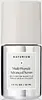
This anti-aging serum is formulated around Acetyl Hexapeptide-8 and Ferulic Acid to soften the look of wrinkles.
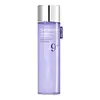
This anti-aging toner is formulated around Niacinamide and Sodium DNA to soften the look of wrinkles and brighten dull-looking skin.


What's inside
What's inside
 Key Ingredients
Benefits
Concerns
Ingredients Side-by-side
Water
Skin ConditioningPropanediol
Solvent

Caprylic/Capric Triglyceride
Masking
Isopentyldiol
Humectant
Ethylhexyl Polyhydroxystearate
EmollientSqualane
Emollient
Tetradecane
Perfuming

Glyceryl Stearate Citrate
Emollient

Butyrospermum Parkii Butter
Skin Conditioning


Polyglyceryl-3 Stearate
Emulsifying
Helianthus Annuus Extract
Emollient
Oryza Sativa Bran Extract
Skin Conditioning
Mannitol
Humectant
Phosphatidylcholine
EmulsifyingFerulic Acid
Antimicrobial


Arginine
Masking
Acetyl Hexapeptide-8
Humectant
Copper Palmitoyl Heptapeptide-14
Skin Conditioning
Palmitoyl Sh-Heptapeptide-12 Sp
Skin Conditioning
Hydrolyzed Collagen
Emollient
Rosmarinus Officinalis Leaf Extract
AntimicrobialLactic Acid/Glycolic Acid Copolymer
Skin ConditioningGlycerin
Humectant
Tocopherol
Antioxidant


Pullulan
Lysolecithin
EmulsifyingSclerotium Gum
Emulsion StabilisingHydroxyethyl Acrylate/Sodium Acryloyldimethyl Taurate Copolymer
Emulsion StabilisingDimethicone
Emollient
Sodium Phytate
ChelatingDiglycerin
Humectant
Hydrogenated Lecithin
Emulsifying
Silica
Abrasive


Cetyl Alcohol
Emollient
Hydroxyacetophenone
Antioxidant
Polysorbate 60
Emulsifying
Sorbitan Isostearate
Emulsifying
Sodium Hydroxide
BufferingSodium Benzoate
Masking
Potassium Sorbate
Preservative
Polyvinyl Alcohol
Decyl Glucoside
Cleansing
Xanthan Gum
EmulsifyingTocopheryl Acetate
Antioxidant
Sodium Chloride
MaskingCitric Acid
Buffering
Phenoxyethanol
Preservative
Water, Propanediol, Caprylic/Capric Triglyceride, Isopentyldiol, Ethylhexyl Polyhydroxystearate, Squalane, Tetradecane, Glyceryl Stearate Citrate, Butyrospermum Parkii Butter, Polyglyceryl-3 Stearate, Helianthus Annuus Extract, Oryza Sativa Bran Extract, Mannitol, Phosphatidylcholine, Ferulic Acid, Arginine, Acetyl Hexapeptide-8, Copper Palmitoyl Heptapeptide-14, Palmitoyl Sh-Heptapeptide-12 Sp, Hydrolyzed Collagen, Rosmarinus Officinalis Leaf Extract, Lactic Acid/Glycolic Acid Copolymer, Glycerin, Tocopherol, Pullulan, Lysolecithin, Sclerotium Gum, Hydroxyethyl Acrylate/Sodium Acryloyldimethyl Taurate Copolymer, Dimethicone, Sodium Phytate, Diglycerin, Hydrogenated Lecithin, Silica, Cetyl Alcohol, Hydroxyacetophenone, Polysorbate 60, Sorbitan Isostearate, Sodium Hydroxide, Sodium Benzoate, Potassium Sorbate, Polyvinyl Alcohol, Decyl Glucoside, Xanthan Gum, Tocopheryl Acetate, Sodium Chloride, Citric Acid, Phenoxyethanol
Water
Skin ConditioningMethylpropanediol
SolventNiacinamide
Smoothing



PEG/PPG-17/6 Copolymer
SolventPropanediol
Solvent
1,2-Hexanediol
Skin Conditioning
Tripropylene Glycol
Antioxidant
Glyceryl Glucoside
Humectant
Xylitylglucoside
Humectant
PEG-40 Hydrogenated Castor Oil
Emulsifying
Anhydroxylitol
Humectant
Glycerin
Humectant
Polyglyceryl-10 Laurate
Skin Conditioning
Candida Bombicola/Glucose/Methyl Rapeseedate Ferment
AntimicrobialC20-40 Pareth-10
EmulsifyingTocopheryl Acetate
Antioxidant
Xylitol
Humectant
Cetearyl Alcohol
Emollient
Sodium DNA
Skin Conditioning
Hydrogenated Lecithin
Emulsifying
Glucose
Humectant
Polyacrylate Crosspolymer-6
Emulsion StabilisingEthylhexylglycerin
Skin ConditioningAdenosine
Skin Conditioning
Ceramide NP
Skin Conditioning
Sodium Phytate
ChelatingHelianthus Annuus Seed Oil
Emollient
Melia Azadirachta Leaf Extract
Skin ConditioningMelia Azadirachta Flower Extract
Skin ConditioningCitric Acid
Buffering
Hydroxyethylcellulose
Emulsion StabilisingSodium Citrate
BufferingPhytosterols
Skin Conditioning
Coccinia Indica Fruit Extract
Skin Conditioning
Aloe Barbadensis Flower Extract
EmollientSolanum Melongena Fruit Extract
Skin ConditioningT-Butyl Alcohol
Perfuming

Ocimum Sanctum Leaf Extract
Skin ConditioningCurcuma Longa Root Extract
Antioxidant
Corallina Officinalis Extract
Skin Conditioning
Cyanocobalamin
Skin ConditioningCaprylic/Capric Triglyceride
Masking
Hydrolyzed Collagen
Emollient
Butylene Glycol
Humectant
Adenosine Triphosphate
Skin ConditioningNicotinamide Adenine Dinucleotide
Skin ConditioningResveratrol
Antioxidant
Pullulan
Sodium Palmitoyl Sarcosinate
CleansingPalmitic Acid
Emollient
C12-14 Alketh-12
EmulsifyingPisum Sativum Peptide
Skin Conditioning
Stearic Acid
Cleansing
Polyglyceryl-6 Laurate
Emulsifying
Caprylyl Glycol
Emollient
Dipeptide Diaminobutyroyl Benzylamide Diacetate
Skin Conditioning
Dextran
Hydrolyzed Elastin
EmollientSoluble Collagen
Humectant
Acetyl Tetrapeptide-3
Skin Protecting
Trifolium Pratense Flower Extract
AstringentDisodium EDTA
ChelatingMyristic Acid
Cleansing
Acetyl Hexapeptide-8
Humectant
Mannose
HumectantSh-Octapeptide-4
Antioxidant
Sh-Decapeptide-7
Antioxidant
Palmitoyl Pentapeptide-4
Skin Conditioning
Palmitoyl Tripeptide-1
Skin Conditioning
Copper Tripeptide-1
Skin Conditioning
Hexapeptide-9
Skin Conditioning
Nonapeptide-1
Skin Conditioning
Tripeptide-1
Skin Conditioning
Arachidic Acid
Cleansing
Collagen
Moisturising
Elastin
Skin ConditioningGlutathione
Palmitoyl Tetrapeptide-7
Skin Conditioning
Arginine/Lysine Polypeptide
Skin Conditioning
Oligopeptide-29
Antioxidant
Oligopeptide-32
Antiseborrhoeic
Acetyl Tetrapeptide-5
Humectant
Acetyl Tetrapeptide-9
Skin Conditioning
Acetyl Tetrapeptide-2
Skin Conditioning
Acetyl Octapeptide-3
Humectant
Acetyl Hexapeptide-1
Skin Conditioning
Alanine/Histidine/Lysine Polypeptide Copper Hcl
Skin Conditioning
Acetyl Dipeptide-1 Cetyl Ester
Skin Conditioning
Acetyl Sh-Pentapeptide-1
Skin Conditioning
Biotinoyl Tripeptide-1
Dipeptide-4
Skin Conditioning
Hexapeptide-11
Skin Conditioning
Hexapeptide-12
Skin Conditioning
Lauric Acid
Cleansing
Myristoyl Pentapeptide-17
Skin Conditioning
Myristoyl Hexapeptide-16
Skin Conditioning
Myristoyl Pentapeptide-4
Skin Conditioning
Nicotinoyl Tripeptide-1
Antioxidant
Nonapeptide-7
Skin Conditioning
Nicotinoyl Tripeptide-35
Antioxidant
Nicotinoyl Dipeptide-26
Skin Conditioning
Nicotinoyl Dipeptide-23
Skin Conditioning
Octapeptide-2
Skin Conditioning
Palmitoyl Tripeptide-5
Skin Conditioning
Palmitoyl Hexapeptide-12
Skin Conditioning
Pentapeptide-13
Skin Conditioning
Palmitoyl Tetrapeptide-10
Skin Conditioning
Palmitoyl Tripeptide-38
Skin Conditioning
Palmitoyl Tripeptide-29
Skin Conditioning
Palmitoyl Tripeptide-8
Skin Conditioning
Sr-(Oligopeptide-91 Clostridium Botulinum Polypeptide-1)
Skin Conditioning
Tetrapeptide-44
Skin Conditioning
Tetrapeptide-30
Skin Conditioning
Tripeptide-10 Citrulline
Skin Conditioning
Tripeptide-32
Skin Conditioning
Tripeptide-29
Skin Conditioning
Sh-Polypeptide-22
Skin Conditioning
Sh-Oligopeptide-1
Skin Conditioning
Sh-Polypeptide-1
Skin Conditioning
Sh-Polypeptide-9
Skin Conditioning
Sh-Oligopeptide-2
Skin Conditioning
Sh-Polypeptide-11
Sh-Polypeptide-3
Skin Conditioning
Sh-Polypeptide-16
Skin Protecting
Sh-Polypeptide-62
Antioxidant
Water, Methylpropanediol, Niacinamide, PEG/PPG-17/6 Copolymer, Propanediol, 1,2-Hexanediol, Tripropylene Glycol, Glyceryl Glucoside, Xylitylglucoside, PEG-40 Hydrogenated Castor Oil, Anhydroxylitol, Glycerin, Polyglyceryl-10 Laurate, Candida Bombicola/Glucose/Methyl Rapeseedate Ferment, C20-40 Pareth-10, Tocopheryl Acetate, Xylitol, Cetearyl Alcohol, Sodium DNA, Hydrogenated Lecithin, Glucose, Polyacrylate Crosspolymer-6, Ethylhexylglycerin, Adenosine, Ceramide NP, Sodium Phytate, Helianthus Annuus Seed Oil, Melia Azadirachta Leaf Extract, Melia Azadirachta Flower Extract, Citric Acid, Hydroxyethylcellulose, Sodium Citrate, Phytosterols, Coccinia Indica Fruit Extract, Aloe Barbadensis Flower Extract, Solanum Melongena Fruit Extract, T-Butyl Alcohol, Ocimum Sanctum Leaf Extract, Curcuma Longa Root Extract, Corallina Officinalis Extract, Cyanocobalamin, Caprylic/Capric Triglyceride, Hydrolyzed Collagen, Butylene Glycol, Adenosine Triphosphate, Nicotinamide Adenine Dinucleotide, Resveratrol, Pullulan, Sodium Palmitoyl Sarcosinate, Palmitic Acid, C12-14 Alketh-12, Pisum Sativum Peptide, Stearic Acid, Polyglyceryl-6 Laurate, Caprylyl Glycol, Dipeptide Diaminobutyroyl Benzylamide Diacetate, Dextran, Hydrolyzed Elastin, Soluble Collagen, Acetyl Tetrapeptide-3, Trifolium Pratense Flower Extract, Disodium EDTA, Myristic Acid, Acetyl Hexapeptide-8, Mannose, Sh-Octapeptide-4, Sh-Decapeptide-7, Palmitoyl Pentapeptide-4, Palmitoyl Tripeptide-1, Copper Tripeptide-1, Hexapeptide-9, Nonapeptide-1, Tripeptide-1, Arachidic Acid, Collagen, Elastin, Glutathione, Palmitoyl Tetrapeptide-7, Arginine/Lysine Polypeptide, Oligopeptide-29, Oligopeptide-32, Acetyl Tetrapeptide-5, Acetyl Tetrapeptide-9, Acetyl Tetrapeptide-2, Acetyl Octapeptide-3, Acetyl Hexapeptide-1, Alanine/Histidine/Lysine Polypeptide Copper Hcl, Acetyl Dipeptide-1 Cetyl Ester, Acetyl Sh-Pentapeptide-1, Biotinoyl Tripeptide-1, Dipeptide-4, Hexapeptide-11, Hexapeptide-12, Lauric Acid, Myristoyl Pentapeptide-17, Myristoyl Hexapeptide-16, Myristoyl Pentapeptide-4, Nicotinoyl Tripeptide-1, Nonapeptide-7, Nicotinoyl Tripeptide-35, Nicotinoyl Dipeptide-26, Nicotinoyl Dipeptide-23, Octapeptide-2, Palmitoyl Tripeptide-5, Palmitoyl Hexapeptide-12, Pentapeptide-13, Palmitoyl Tetrapeptide-10, Palmitoyl Tripeptide-38, Palmitoyl Tripeptide-29, Palmitoyl Tripeptide-8, Sr-(Oligopeptide-91 Clostridium Botulinum Polypeptide-1), Tetrapeptide-44, Tetrapeptide-30, Tripeptide-10 Citrulline, Tripeptide-32, Tripeptide-29, Sh-Polypeptide-22, Sh-Oligopeptide-1, Sh-Polypeptide-1, Sh-Polypeptide-9, Sh-Oligopeptide-2, Sh-Polypeptide-11, Sh-Polypeptide-3, Sh-Polypeptide-16, Sh-Polypeptide-62
Reviews
Ingredients Explained
These ingredients are found in both products.
Ingredients higher up in an ingredient list are typically present in a larger amount.
Acetyl Hexapeptide-8 (also known as Argireline) is a synthetic hexapeptide that is often called a "topical Botox alternative".
It works by mimicking how Botox relaxes muscles; it interferes with the signaling process that tells your facial muscles to contract. This can help soften expression lines like forehead wrinkles or crow's feet over time.
The comparison to Botox does have limits because the molecule is water-loving and relatively large.
Acetyl Hexapeptide-8 has a hard time absorbing deeply enough through the skin's outer barrier to actually reach the muscles.
So whether it truly works the way Botox does at a biological level is still up for debate, but early clinical outcomes are fairly encouraging.
A 12 week human study of a multi-ingredient regimen containing this ingredient saw:
While some studies have observed improvements in wrinkle appearance, it is important to note that more consistent results are seen in multi-ingredient formulations (vs just Acetyl Hexapeptide-8 alone).
Some research studies also used higher concentrations (up to 10%) while this ingredient is usually found in concentrations up to 0.005% in leave-on formulations.
Learn more about Acetyl Hexapeptide-8Caprylic/Capric Triglyceride (aka MCT Oil) is a lightweight emollient, solvent, and texture enhancer. It is considered a skin-softener by helping to prevent moisture loss.
Though it behaves like an oil, it is not technically one due to its chemical composition. One perk of this ingredient is that it is very stable, resistant to oxidation, and unlikely to go rancid.
In practice, that translates to a long shelf life and a consistently elegant skin feel.
While there is an assumption Caprylic Triglyceride can clog pores due to it being derived from coconut oil, there is no research supporting this. Just patch test if you have concerns.
Fractionated coconut oil and MCT Oil are both listed as Caprylic/Capric Triglyceride according to INCI. This is because INCI names are based on the ingredient’s final chemical composition and not its marketing name or source.
This ingredient is treated as the gold standard fungal acne safe oil. Even though it is coconut derived, the problematic lauric acid is stripped out.
This leaves just caprylic (C8) and capric (C10) acid. These chain lengths actually trend antifungal; a 2020 study found caprylic acid was enough to disrupt Malassezia furfur cell membrane, with a caprylic acid derivative damaging membrane structures at concentrations as low as 0.2%.
Learn more about Caprylic/Capric TriglycerideCitric Acid is an alpha hydroxy acid (AHA) naturally found in citrus fruits like oranges, lemons, and limes.
Like other AHAs, citric acid can exfoliate skin by breaking down the bonds that hold dead skin cells together. This helps reveal smoother and brighter skin underneath.
However, this exfoliating effect only happens at high concentrations (20%) which can be hard to find in cosmetic products.
Due to this, citric acid is usually included in small amounts as a pH adjuster. This helps keep products slightly more acidic and compatible with skin's natural pH.
In skincare formulas, citric acid can:
While it can provide some skin benefits, research shows lactic acid and glycolic acid are generally more effective and less irritating exfoliants.
Most citric acid used in skincare today is made by fermenting sugars (usually from molasses). This synthetic version is identical to the natural citrus form but easier to stabilize and use in formulations.
Rosacea skin has a lower threshold for acids generally, with 62.5% of rosacea subjects in one study reacting to lactic acid in a sting test. This is why we mark citric acid as a potential rosacea trigger.
However, this ingredient shows up as a pH adjuster or chelator at roughly 0.1-1% in many products. These low levels are unlikely to be an issue for rosacea skin and becomes a potential trigger at exfoliating concentrations (20%). Because everybody's skin is unique, we recommend a patch test if you are unsure.
Learn more about Citric AcidGlycerin (or glycerol) is a compound naturally found in your skin. It's a powerhouse humectant that pulls water into the stratum corneum.
Topically, glycerin does several things at once:
Your skin makes glycerin on its own (mostly from sebaceous oil breakdown) and shuttles it to your outermost layer of skin, or your epidermis, via aquaporin-3.
Aquaporin-3 is a transporter that is essential for normal skin hydration, elasticity, and repair. Interestingly, mice lacking in AQP3 have dry and less elastic skin that can be fully corrected with glycerin.
This ingredient is non-irritating, plays well with almost every ingredient, and works across all skin types. Typical use is anywhere between 3-10% but can go up to 79% in some leave-on products.
Just know very high concentrations (>40%) can feel tacky in low humidity.
Glycerin is the name for this ingredient in American English. British English uses Glycerol/Glycerine.
Learn more about GlycerinHydrogenated Lecithin is a more stable version of lecithin.
It's made by taking lecithin (a phospholipid commonly found in soybeans and egg yolks) and hydrogenating it. This just means the unsaturated fatty acids are turned into saturated ones so they don't go bad as easily.
This ingredient is an emollient, emulsifier, and penetration enhancer. As an emollient, it helps soften and hydrate skin by trapping moisture within. As an emulsifier, it prevents oil and water ingredients from separating.
Hydrogenated Lecithin can form tiny spherical structures made of phospholipid bilayers called liposomes. These liposomes are able to capture compounds inside their structure and deliver them through the skin barrier.
Because phospholipids are a natural component of our cell membranes, this ingredient is inherently compatible with skin.
A 2021 study found lecithin-based surfactants were less harsh and more tolerable comared to Sodium Lauryl Sulfate (SLS).
Learn more about Hydrogenated LecithinHydrolyzed Collagen is Collagen (usually sourced from fish, bovine, or porcine byproducts) that's been broken down into smaller peptides. This makes it water-soluble and easy to blend into formulations.
In a formula, it works mainly as a skin-conditioning and moisturizing agent.
The small peptides and amino acids (including Natural Moisturizing Factor components like Hydroxyproline, Serine, and Aspartic Acid) help the surface of the skin hold onto water, feel softer, and look temporarily plumper.
This ingredient also has mild film-forming and antioxidant properties with research showing the antioxidant effect is stronger the lower the molecular weight of the peptides.
It's worth being realistic here:
Topically applied Hydrolyzed Collagen conditions the upper layers of skin rather than rebuilding the structural collagen deep in your dermis (the wrinkle-and-firmness benefits people associate with Collagen mostly come from oral supplements in studies, not topicals).
However, recent lab and skin-model work on Hydrolyzed Fish Collagen has shown promising effects on cell viability and wound healing when used as an active.
Typical concentrations range from 0.2-2%, but the percentage can go much higher in rinse-off or hair products (sometimes even above 50%).
Clinical studies on this ingredient showed no irritation, sensitization, or phototoxicity.
If you are looking for vegan collagen, it usually goes by a different INCI name like hydrolyzed soy protein. Vegan collagen is derived from yeast, bacteria, or plant sources.
The results are varied.
A study from 2021 found hydrolyzed collagen increased elasticity and improved wrinkles in 1,125 participants between age 20 and 70. Another study found increased skin thickness in participants between the ages of 45 to 59.
However, It is difficult to prove that oral collagen will end up working on your skin. Many of the studies using hydrolyzed collagen also add several vitamins and nutrients into the test mixture as well.
Further studies are needed at this time.
Learn more about Hydrolyzed CollagenPropanediol is an all-star ingredient. It softens, hydrates, and smooths the skin.
It’s often used to:
Propanediol is not likely to cause sensitivity and considered safe to use. It is derived from corn or petroleum with a clear color and no scent.
Learn more about PropanediolPullulan is a low viscosity polysaccharide (a long chain carbohydrate) with binding and film forming properties when dissolved in water. It is used to create a "silicone-like" or silky feel in cosmetics without adding viscosity.
According to a manufacturer, this ingredient's ability to easily dissolves makes it a great carrier for active ingredients.
Due to it being edible and tasteless, you'll likely find this ingredient in breath freshener strips. This ingredient is produced from the starch of the fungus, Aureobasidium pullulans.
Pullulan is stable over a broad-range of pH.
Learn more about PullulanSodium Phytate is the sodium salt of Phytic acid, a compound that plants store phosphorus in. It's the plant-derived alternative to ingredients like Disodium EDTA.
In skincare, this ingredient is a chelator that grabs onto trace metal ions like iron and copper that sneak into formulas through water/raw materials.
Those metals speed up oxidation so binding them keeps oils, fragrance, and actives from going off, stops color changes, and helps the preservative system work harder.
Survey data shows usage levels range from 0.0099%-0.5% in leave-on products, 0.025%-0.3% in rinse-off, and up to 0.05% in eye-area products. Suppliers typically recommend a range between 0.05-0.5%.
Learn more about Sodium PhytateTocopheryl Acetate is a stable, shelf-friendly form of vitamin E.
Formulators love it because plain vitamin E oxidizes quickly once it hits air. This acetate version stays stable and resists going off, helping to extend a product's shelf life.
It's actually inactive on its own and works like a slow-release "storage" form; the enzymes in your skin called esterases gradually convert it into active vitamin E over time.
One in vivo study showed 5% of the acetate in the living layer of the epidermis converted to vitamin E after 5 days of application. This study also found the skin gained protection against UV damage even though the conversion was slow and small.
Once converted, vitamin E acts as a skin's main fat-soluble antioxidant that fights free radicals to protect skin from damage.
Topical vitamin E generally boosts the skin's photoprotection, and it reduced UV-damage in animal models.
This ingredient has some brightening potential but it's more of a prevention ingredient than spot-fader. Cell studies show it can slow down melanin production but it's worth noting that it's not the most powerful brightener out there.
Overall, it has a pretty solid safety profile and has been found to be non-irritating and non-comedogenic. Allergic reactions may happen but stay rare due to how widely the ingredient gets used.
The concentration will vary depending on the formula; industry data shows 0.1% in baby lotions, 3% in lipsticks, and 5% in foot powders. You can also find this ingredient at 100% in a pure vitamin E oil.
Most leave-on skincare keeps it at the lower end, often between 0.5-1%.
Learn more about Tocopheryl AcetateWater. It's the most common cosmetic ingredient of all. You'll usually see it at the top of ingredient lists, meaning that it makes up the largest part of the product.
So why is it so popular? Water most often acts as a solvent - this means that it helps dissolve other ingredients into the formulation.
You'll also recognize water as that liquid we all need to stay alive. If you see this, drink a glass of water. Remember to stay hydrated!
Learn more about Water

