

What's inside
What's inside
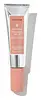 Key Ingredients
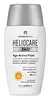
Benefits
Concerns
Ingredients Side-by-side
Homosalate 10%
Skin Conditioning

Ethylhexyl Salicylate 5%
UV Absorber
Butyl Methoxydibenzoylmethane 3%
UV Absorber
Water
Skin ConditioningButyloctyl Salicylate
Skin Conditioning
C12-15 Alkyl Benzoate
AntimicrobialCalcium Sodium Borosilicate
Glycerin
Humectant


Glyceryl Stearate
Emollient

Ethylhexyl Methoxycrylene
Skin Conditioning
Vp/Eicosene Copolymer
Stearyl Dimethicone
Emollient
Argania Spinosa Kernel Oil
Emollient



Tocopheryl Acetate
Antioxidant


1,2-Hexanediol
Skin Conditioning
Niacinamide
Smoothing





Tocopherol
Antioxidant
Cetearyl Olivate
Bisabolol
Antioxidant
3-O-Ethyl Ascorbic Acid
Skin Conditioning
Sodium Hyaluronate
Humectant
Squalane
Emollient
Ammonium Acryloyldimethyltaurate/Vp Copolymer
Hydroxyacetophenone
Antioxidant
Silica
Abrasive
Sodium Stearoyl Glutamate
CleansingOctadecene
SolventSorbitan Olivate
Emulsifying
Sorbitan Oleate
Emulsifying

Caprylyl/Capryl Glucoside
CleansingXanthan Gum
EmulsifyingSodium Acrylate/Sodium Acryloyldimethyl Taurate Copolymer
Emulsion StabilisingTrisodium Ethylenediamine Disuccinate
Polyisobutene
Citric Acid
Buffering
Sodium Hydroxide
BufferingHomosalate 10%, Ethylhexyl Salicylate 5%, Butyl Methoxydibenzoylmethane 3%, Water, Butyloctyl Salicylate, C12-15 Alkyl Benzoate, Calcium Sodium Borosilicate, Glycerin, Glyceryl Stearate, Ethylhexyl Methoxycrylene, Vp/Eicosene Copolymer, Stearyl Dimethicone, Argania Spinosa Kernel Oil, Tocopheryl Acetate, 1,2-Hexanediol, Niacinamide, Tocopherol, Cetearyl Olivate, Bisabolol, 3-O-Ethyl Ascorbic Acid, Sodium Hyaluronate, Squalane, Ammonium Acryloyldimethyltaurate/Vp Copolymer, Hydroxyacetophenone, Silica, Sodium Stearoyl Glutamate, Octadecene, Sorbitan Olivate, Sorbitan Oleate, Caprylyl/Capryl Glucoside, Xanthan Gum, Sodium Acrylate/Sodium Acryloyldimethyl Taurate Copolymer, Trisodium Ethylenediamine Disuccinate, Polyisobutene, Citric Acid, Sodium Hydroxide
Water
Skin ConditioningIsododecane
EmollientCyclopentasiloxane
Emollient
Diisopropyl Adipate
EmollientTrisiloxane
Skin Conditioning
Zinc Oxide
Cosmetic Colorant
Caprylyl Methicone
Skin Conditioning
Ethylhexyl Salicylate
UV Absorber
Titanium Dioxide
Cosmetic Colorant
Butylene Glycol
Humectant
Diethylhexyl Carbonate
EmollientPhenethyl Benzoate
Emollient

PEG-9 Polydimethylsiloxyethyl Dimethicone
Emulsifying
Tris-Biphenyl Triazine
UV Absorber
Cetyl PEG/PPG-10/1 Dimethicone
Emulsifying
Isononyl Isononanoate
EmollientStyrene/Acrylates Copolymer
Bis-Ethylhexyloxyphenol Methoxyphenyl Triazine
Skin Conditioning
Diethylamino Hydroxybenzoyl Hexyl Benzoate
UV Filter
Polymethylsilsesquioxane
Polypodium Leucotomos Leaf Extract
Skin Protecting
Polyglyceryl-3 Polydimethylsiloxyethyl Dimethicone
Skin Conditioning
Plankton Extract
Skin ConditioningUrea
Buffering
Trehalose
Humectant
Serine
Masking
Sodium Hyaluronate
Humectant
Glycerin
Humectant
Algin
Masking
Pullulan
Disteardimonium Hectorite
StabilisingEthylhexyl Triazone
UV Absorber
Phenylpropanol
Masking
Magnesium Sulfate
Propylene Glycol
Humectant
Aluminum Hydroxide
EmollientStearic Acid
Cleansing
Caprylyl Glycol
Emollient
Propanediol
Solvent
Propylene Carbonate
SolventTocopheryl Acetate
Antioxidant
Pentylene Glycol
Skin Conditioning
Triethoxycaprylylsilane
Disodium EDTA
PEG-8
HumectantDisodium Phosphate
BufferingGlyceryl Polyacrylate
Tocopherol
Antioxidant
Lecithin
Emollient
Potassium Phosphate
BufferingAscorbyl Palmitate
Antioxidant
Ascorbic Acid
Antioxidant
Citric Acid
Buffering
CI 77492
Cosmetic ColorantCI 77491
Cosmetic ColorantCI 77499
Cosmetic ColorantPhenoxyethanol
Preservative
Parfum
Masking
Linalool
Perfuming
Limonene
Perfuming
Water, Isododecane, Cyclopentasiloxane, Diisopropyl Adipate, Trisiloxane, Zinc Oxide, Caprylyl Methicone, Ethylhexyl Salicylate, Titanium Dioxide, Butylene Glycol, Diethylhexyl Carbonate, Phenethyl Benzoate, PEG-9 Polydimethylsiloxyethyl Dimethicone, Tris-Biphenyl Triazine, Cetyl PEG/PPG-10/1 Dimethicone, Isononyl Isononanoate, Styrene/Acrylates Copolymer, Bis-Ethylhexyloxyphenol Methoxyphenyl Triazine, Diethylamino Hydroxybenzoyl Hexyl Benzoate, Polymethylsilsesquioxane, Polypodium Leucotomos Leaf Extract, Polyglyceryl-3 Polydimethylsiloxyethyl Dimethicone, Plankton Extract, Urea, Trehalose, Serine, Sodium Hyaluronate, Glycerin, Algin, Pullulan, Disteardimonium Hectorite, Ethylhexyl Triazone, Phenylpropanol, Magnesium Sulfate, Propylene Glycol, Aluminum Hydroxide, Stearic Acid, Caprylyl Glycol, Propanediol, Propylene Carbonate, Tocopheryl Acetate, Pentylene Glycol, Triethoxycaprylylsilane, Disodium EDTA, PEG-8, Disodium Phosphate, Glyceryl Polyacrylate, Tocopherol, Lecithin, Potassium Phosphate, Ascorbyl Palmitate, Ascorbic Acid, Citric Acid, CI 77492, CI 77491, CI 77499, Phenoxyethanol, Parfum, Linalool, Limonene
Reviews
Ingredients Explained
These ingredients are found in both products.
Ingredients higher up in an ingredient list are typically present in a larger amount.
Citric Acid is an alpha hydroxy acid (AHA) naturally found in citrus fruits like oranges, lemons, and limes.
Like other AHAs, citric acid can exfoliate skin by breaking down the bonds that hold dead skin cells together. This helps reveal smoother and brighter skin underneath.
However, this exfoliating effect only happens at high concentrations (20%) which can be hard to find in cosmetic products.
Due to this, citric acid is usually included in small amounts as a pH adjuster. This helps keep products slightly more acidic and compatible with skin's natural pH.
In skincare formulas, citric acid can:
While it can provide some skin benefits, research shows lactic acid and glycolic acid are generally more effective and less irritating exfoliants.
Most citric acid used in skincare today is made by fermenting sugars (usually from molasses). This synthetic version is identical to the natural citrus form but easier to stabilize and use in formulations.
Read more about some other popular AHA's here:
Learn more about Citric AcidEthylhexyl Salicylate (also called Octisalate or Octyl Salicylate) is an oil-soluble organic UV filter that's been used in sunscreen since the 1950's.
It absorbs UVB light in the 280-320 nm range with a peak absorbance around 306 nm.
You'll often see it paired with other UV filters to boost overall SPF because octisalate is a fairly week filter on its own.
The reason you'll see it so often is because it can help solubilize and stabilize the trickier filters like oxybenzone and avobenzone.
Unlike these filters, octisalate has pretty good photostability and doesn't create skin-damaging free radicals when exposed to sunlight.
The fatty-alcohol part of the molecule also gives it a light, emollient feel so it doubles as a nice texture enhancer.
Usage levels vary around the world:
Safety-wise, this ingredient has a pretty reassuring track record. The EU's Scientific Committee on Consumer Products (SCCP) found very low skin penetration in human skin tests and negative results for irritation, phototoxicity, and photoallergy.
The real-world allergy risk is pretty low too; a 2012 European study of 1,031 people recorded only 2 reactions to it (a rate of 0.19%).
You might have seen scary headlines about sunscreen getting into your blood.
In 2019, the FDA found that several chemical filters can absorb through the skin and show up in the bloodstream at small but measurable levels.
Here's the important part: these tiny levels are just a cutoff the FDA uses to decide which ingredients need more testing and doesn't mean anything harmful was found.
The researchers were clear that the results are no reason to stop wearing sunscreen.
Learn more about Ethylhexyl SalicylateGlycerin (or glycerol) is a compound naturally found in your skin. It's a powerhouse humectant that pulls water into the stratum corneum.
Topically, glycerin does several things at once:
Your skin makes glycerin on its own (mostly from sebaceous oil breakdown) and shuttles it to your outermost layer of skin, or your epidermis, via aquaporin-3.
Aquaporin-3 is a transporter that is essential for normal skin hydration, elasticity, and repair. Interestingly, mice lacking in AQP3 have dry and less elastic skin that can be fully corrected with glycerin.
This ingredient is non-irritating, plays well with almost every ingredient, and works across all skin types. Typical use is anywhere between 3-10% but can go up to 79% in some leave-on products.
Just know very high concentrations (>40%) can feel tacky in low humidity.
Glycerin is the name for this ingredient in American English. British English uses Glycerol/Glycerine.
Learn more about GlycerinSodium Hyaluronate is the salt form of hyaluronic acid. It is a long sugar chain that is naturally found in your skin, joints, and connective tissue that maintains hydration and elasticity.
In skincare, it works as a humectant. It pulls water from the environment and deeper layers of skin and binds it to the surface.
Interestingly, the size of the molecule affects its behavior:
Some clinical evidence links low molecular weight versions to improved wrinkle depth, elasticity, anti-inflammatory effects, and barrier repair.
Many serums use a blend of both weights so you can get surface hydration plus longer-lasting and deeper effects.
You'll typically see concentrations between 0.1-2% for this ingredient.
Learn more about Sodium HyaluronateTocopherol is a fat-soluble antioxidant known as Vitamin E.
You'll find this ingredient in the vast majority of skincare (for good reason). It works to neutralize free radicals, or unstable molecules generated by UV exposure, pollution, and other environmental stressors, before they can cause oxidative damage to your skin cells.
Topically applied tocopherol has been shown to protect against UV damage by ramping up the skin's own natural defense enzymes.
It also acts as a skin conditioning agent; some studies show that regular topical use can improve the skin's water-binding capacity over 2-4 weeks.
This ingredient is especially loved for being a team player. When combined with Vitamin C, the photoprotective effect of both ingredients roughly doubles and the combo also helps reduce UV-induced DNA damage.
This ingredient has some brightening potential but it's more of a prevention ingredient than spot-fader. Cell studies show it can slow down melanin production but it's worth noting that it's not the most powerful brightener out there.
In formulations, it also serves as a stabilizer that helps protect other oxidation-prone ingredients from degrading.
Concentrations usually range from 0.1-1% in most leave-on products.
Learn more about TocopherolTocopheryl Acetate is a stable, shelf-friendly form of vitamin E.
Formulators love it because plain vitamin E oxidizes quickly once it hits air. This acetate version stays stable and resists going off, helping to extend a product's shelf life.
It's actually inactive on its own and works like a slow-release "storage" form; the enzymes in your skin called esterases gradually convert it into active vitamin E over time.
One in vivo study showed 5% of the acetate in the living layer of the epidermis converted to vitamin E after 5 days of application. This study also found the skin gained protection against UV damage even though the conversion was slow and small.
Once converted, vitamin E acts as a skin's main fat-soluble antioxidant that fights free radicals to protect skin from damage.
Topical vitamin E generally boosts the skin's photoprotection, and it reduced UV-damage in animal models.
This ingredient has some brightening potential but it's more of a prevention ingredient than spot-fader. Cell studies show it can slow down melanin production but it's worth noting that it's not the most powerful brightener out there.
Overall, it has a pretty solid safety profile and has been found to be non-irritating and non-comedogenic. Allergic reactions may happen but stay rare due to how widely the ingredient gets used.
The concentration will vary depending on the formula; industry data shows 0.1% in baby lotions, 3% in lipsticks, and 5% in foot powders. You can also find this ingredient at 100% in a pure vitamin E oil.
Most leave-on skincare keeps it at the lower end, often between 0.5-1%.
Learn more about Tocopheryl AcetateWater. It's the most common cosmetic ingredient of all. You'll usually see it at the top of ingredient lists, meaning that it makes up the largest part of the product.
So why is it so popular? Water most often acts as a solvent - this means that it helps dissolve other ingredients into the formulation.
You'll also recognize water as that liquid we all need to stay alive. If you see this, drink a glass of water. Remember to stay hydrated!
Learn more about Water

