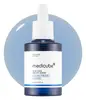
This pore-care serum is formulated around Niacinamide and Lactic Acid to refine the look of pores and refine skin texture.
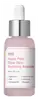
This hydrating ampoule is formulated around Niacinamide and Panthenol to hydrate skin and calm redness.

What's inside
What's inside
 Key Ingredients
Benefits
Concerns
Ingredients Side-by-side
Water
Skin ConditioningMethylpropanediol
SolventGlycerin
Humectant


Propanediol
Solvent
Niacinamide
Smoothing









Tromethamine
Buffering1,2-Hexanediol
Skin Conditioning
Polyglycerin-3
Humectant
Lactic Acid
Buffering



Dimethicone
Emollient
Gluconolactone
Chelating
Salicylic Acid
Masking


Hydroxyethylcellulose
Emulsion StabilisingSodium Polyacryloyldimethyl Taurate
Emulsion StabilisingLecithin
Emollient
C12-14 Alketh-12
EmulsifyingAllantoin
Skin Conditioning
Citric Acid
Buffering
Ethylhexylglycerin
Skin ConditioningAdenosine
Skin Conditioning
Butylene Glycol
Humectant
Dextrin
AbsorbentGlycolic Acid
Buffering
Sodium Citrate
BufferingGardenia Florida Fruit Extract
Skin ConditioningTrisodium Phosphate
BufferingCapryloyl Salicylic Acid
Exfoliating
Myosotis Sylvatica Flower/Leaf/Stem Extract
Skin ConditioningHemerocallis Fulva Flower Extract
Skin ConditioningStellaria Media Extract
Skin ConditioningLactobacillus Ferment Lysate
Skin Conditioning
Taraxacum Officinale Leaf Extract
Skin ConditioningLactobacillus Ferment
Skin Conditioning
Caprylic/Capric Triglyceride
Masking
Sorbitan Laurate
Emulsifying
Cetyl Palmitate
Emollient
Sorbitan Stearate
Emulsifying
Polysorbate 80
Emulsifying
Caprylyl Glycol
Emollient
Acetyl Glutamine
Skin ConditioningAcetyl Dipeptide-1 Cetyl Ester
Skin Conditioning
Bacillus/Soybean Ferment Extract
Skin ConditioningSodium Benzoate
Masking
Ulmus Davidiana Root Extract
Skin Conditioning
Pueraria Lobata Root Extract
HumectantPinus Palustris Leaf Extract
TonicOenothera Biennis Flower Extract
AstringentHydrogenated Lecithin
Emulsifying
Palmitoyl Tripeptide-5
Skin Conditioning
Acetyl Hexapeptide-1
Skin Conditioning
Tocopherol
Antioxidant

Acetyl Octapeptide-3
Humectant
Sodium Hyaluronate
Humectant
Palmitoyl Tetrapeptide-10
Skin Conditioning
Folic Acid
Skin ConditioningCopper Tripeptide-1
Skin Conditioning
Oligopeptide-3
Skin Conditioning
Oligopeptide-2
Skin Conditioning
Oligopeptide-1
Skin Conditioning
Hexapeptide-11
Skin Conditioning
Water, Methylpropanediol, Glycerin, Propanediol, Niacinamide, Tromethamine, 1,2-Hexanediol, Polyglycerin-3, Lactic Acid, Dimethicone, Gluconolactone, Salicylic Acid, Hydroxyethylcellulose, Sodium Polyacryloyldimethyl Taurate, Lecithin, C12-14 Alketh-12, Allantoin, Citric Acid, Ethylhexylglycerin, Adenosine, Butylene Glycol, Dextrin, Glycolic Acid, Sodium Citrate, Gardenia Florida Fruit Extract, Trisodium Phosphate, Capryloyl Salicylic Acid, Myosotis Sylvatica Flower/Leaf/Stem Extract, Hemerocallis Fulva Flower Extract, Stellaria Media Extract, Lactobacillus Ferment Lysate, Taraxacum Officinale Leaf Extract, Lactobacillus Ferment, Caprylic/Capric Triglyceride, Sorbitan Laurate, Cetyl Palmitate, Sorbitan Stearate, Polysorbate 80, Caprylyl Glycol, Acetyl Glutamine, Acetyl Dipeptide-1 Cetyl Ester, Bacillus/Soybean Ferment Extract, Sodium Benzoate, Ulmus Davidiana Root Extract, Pueraria Lobata Root Extract, Pinus Palustris Leaf Extract, Oenothera Biennis Flower Extract, Hydrogenated Lecithin, Palmitoyl Tripeptide-5, Acetyl Hexapeptide-1, Tocopherol, Acetyl Octapeptide-3, Sodium Hyaluronate, Palmitoyl Tetrapeptide-10, Folic Acid, Copper Tripeptide-1, Oligopeptide-3, Oligopeptide-2, Oligopeptide-1, Hexapeptide-11
Pyrus Malus Fruit Water
MaskingDipropylene Glycol
HumectantGlycerin
Humectant
Butylene Glycol
Humectant
Betaine
Humectant
Methylpropanediol
SolventNiacinamide
Smoothing
Pentylene Glycol
Skin Conditioning
1,2-Hexanediol
Skin Conditioning
Water
Skin ConditioningMethyl Gluceth-20
Humectant
Limnanthes Alba Seed Oil
Skin Conditioning
Macadamia Ternifolia Seed Oil
Emollient
Pyrus Malus Fruit Extract
Skin Conditioning
Sodium Hyaluronate
Humectant
Butyrospermum Parkii Butter
Skin Conditioning

Hydrolyzed Hyaluronic Acid
Humectant
Hyaluronic Acid
Humectant
Hydrolyzed Collagen
Emollient
Soluble Collagen
Humectant
Simmondsia Chinensis Seed Oil
Emollient
Stomach Extract
HumectantPanthenol
Skin Conditioning
Caprylic/Capric Triglyceride
Masking
Ammonium Acryloyldimethyltaurate/Vp Copolymer
Tromethamine
BufferingHydrogenated Lecithin
Emulsifying
Propanediol
Solvent
Ethylhexylglycerin
Skin ConditioningAdenosine
Skin Conditioning
Sodium Hyaluronate Crosspolymer
Humectant
Sodium Phytate
ChelatingSuccinic Acid
BufferingSqualane
Emollient
Glyceryl Acrylate/Acrylic Acid Copolymer
HumectantHydrogenated Polydecene
EmollientHydrolyzed Glycosaminoglycans
HumectantCeramide NP
Skin Conditioning
Triisostearin
Skin Conditioning
Benzyl Glycol
SolventPolyglyceryl-10 Laurate
Skin Conditioning
Polyglyceryl-3 Methylglucose Distearate
Emulsifying
Beta-Glucan
Skin Conditioning
Cyanocobalamin
Skin ConditioningSodium Ascorbyl Phosphate
Antioxidant
Hydroxypropyltrimonium Hyaluronate
Allantoin
Skin Conditioning
Gluconolactone
Chelating
Madecassoside
Antioxidant
Tocopherol
Antioxidant
Dimethylsilanol Hyaluronate
Humectant
Hydrolyzed Sodium Hyaluronate
Skin Conditioning
Potassium Hyaluronate
Skin ConditioningSodium Hyaluronate Dimethylsilanol
HumectantSodium Acetylated Hyaluronate
Humectant
Carbomer
Emulsion StabilisingXanthan Gum
EmulsifyingPyrus Malus Fruit Water, Dipropylene Glycol, Glycerin, Butylene Glycol, Betaine, Methylpropanediol, Niacinamide, Pentylene Glycol, 1,2-Hexanediol, Water, Methyl Gluceth-20, Limnanthes Alba Seed Oil, Macadamia Ternifolia Seed Oil, Pyrus Malus Fruit Extract, Sodium Hyaluronate, Butyrospermum Parkii Butter, Hydrolyzed Hyaluronic Acid, Hyaluronic Acid, Hydrolyzed Collagen, Soluble Collagen, Simmondsia Chinensis Seed Oil, Stomach Extract, Panthenol, Caprylic/Capric Triglyceride, Ammonium Acryloyldimethyltaurate/Vp Copolymer, Tromethamine, Hydrogenated Lecithin, Propanediol, Ethylhexylglycerin, Adenosine, Sodium Hyaluronate Crosspolymer, Sodium Phytate, Succinic Acid, Squalane, Glyceryl Acrylate/Acrylic Acid Copolymer, Hydrogenated Polydecene, Hydrolyzed Glycosaminoglycans, Ceramide NP, Triisostearin, Benzyl Glycol, Polyglyceryl-10 Laurate, Polyglyceryl-3 Methylglucose Distearate, Beta-Glucan, Cyanocobalamin, Sodium Ascorbyl Phosphate, Hydroxypropyltrimonium Hyaluronate, Allantoin, Gluconolactone, Madecassoside, Tocopherol, Dimethylsilanol Hyaluronate, Hydrolyzed Sodium Hyaluronate, Potassium Hyaluronate, Sodium Hyaluronate Dimethylsilanol, Sodium Acetylated Hyaluronate, Carbomer, Xanthan Gum
Reviews
Ingredients Explained
These ingredients are found in both products.
Ingredients higher up in an ingredient list are typically present in a larger amount.
1,2-Hexanediol is a synthetic liquid and another multi-functional powerhouse.
It is a:
- Humectant, drawing moisture into the skin
- Emollient, helping to soften skin
- Solvent, dispersing and stabilizing formulas
- Preservative booster, enhancing the antimicrobial activity of other preservatives
Adenosine is a purine nucleoside that your body already makes in every cell. In skincare, it acts mainly as a skin conditioning and anti-aging agent.
The way it works is fairly well mapped out:
Your skin has cells called fibroblasts that build collagen (the stuff that keeps skin firm and smooth). Adenosine basically flips a switch on these cells that tells them to get to work making more collagen and other proteins. These cells slow down on their own as skin ages, so Adenosine helps give them a little nudge to keep going.
The clinical backing is pretty solid too.
A blind, randomized, placebo-controlled trial of 126 women aged 45-65 tested a 0.1% cream twice daily and found real improvements in crow's feet and frown lines using a precise 3D skin-mapping technique; these changes showed up by week 3 and held at 2 months.
A later study using Adenosine-loaded dissolving microneedle patches reported gains in wrinkle depth, dermal density, elasticity, and hydration.
On concentrations, South Korea's Ministry of Food and Drug Safety has set 0.04% as the approved functional anti-wrinkle level. You'll typically see this ingredient used somewhere in the 0.04-0.1% range since it works at low doses.
This ingredient has been found safe for cosmetics with the data showing no irritation or sensitization.
Overall, this is a great ingredient for any anti-aging routine and has no photosensitizing effect, so it suits both AM and PM use.
Learn more about AdenosineAllantoin is a soothing ingredient known for its protective and moisturizing properties; it's basically a quiet workhorse ingredient you can find in a huge range of cosmetics.
Though it can be derived from the comfrey plant, allantoin is produced synthetically for cosmetic products to ensure purity.
Research shows it can encourage your skin cells to turn over and renew by stimulating keratinocyte and fibroblast proliferation.
It also has mild keratolytic properties to help loosen and shed dead skin cells without being harsh.
Studies also suggest allantoin can help calm inflammation by dialing down some of the chemical signals your skin sends out when it is irritated.
This ingredient is typically used in the 0.1-0.5% range, and the FDA recognizes it as a skin protectant in OTC products up to 2%.
Overall, allantoin is a wonderful addition to most routines; it is stable across a wide pH range (~4-8), works well with other ingredients, and is considered non-sensitizing/non-irritating.
Fun fact: Allantoin is naturally occurring in comfrey root, beets, chamomile, and wheat sprouts. Our bodies even produce it as a byproduct of uric acid metabolism.
Learn more about AllantoinButylene Glycol (or BG) is used within cosmetic products for a few different reasons:
Overall, Butylene Glycol is a safe and well-rounded ingredient that works well with other ingredients.
Though this ingredient works well with most skin types, some people with sensitive skin may experience a reaction such as allergic rashes, closed comedones, or itchiness.
Learn more about Butylene GlycolCaprylic/Capric Triglyceride (aka MCT Oil) is a lightweight emollient, solvent, and texture enhancer. It is considered a skin-softener by helping to prevent moisture loss.
Though it behaves like an oil, it is not technically one due to its chemical composition. One perk of this ingredient is that it is very stable, resistant to oxidation, and unlikely to go rancid.
In practice, that translates to a long shelf life and a consistently elegant skin feel.
While there is an assumption Caprylic Triglyceride can clog pores due to it being derived from coconut oil, there is no research supporting this. Just patch test if you have concerns.
Fractionated coconut oil and MCT Oil are both listed as Caprylic/Capric Triglyceride according to INCI. This is because INCI names are based on the ingredient’s final chemical composition and not its marketing name or source.
This ingredient is treated as the gold standard fungal acne safe oil. Even though it is coconut derived, the problematic lauric acid is stripped out.
This leaves just caprylic (C8) and capric (C10) acid. These chain lengths actually trend antifungal; a 2020 study found caprylic acid was enough to disrupt Malassezia furfur cell membrane, with a caprylic acid derivative damaging membrane structures at concentrations as low as 0.2%.
Learn more about Caprylic/Capric TriglycerideEthylhexylglycerin is created from glycerin. It is a multitasker ingredient that:
The CIR Expert Panel found minimal skin absorption or sensitization of any kind in a safety assessment. Though this ingredient is considered well-tolerated, a small number of cases of allergic dermatitis have been published since 2002. Just be sure to patch test if you are unsure.
Industry-reported use ranges from 8% in rinse-off products and 2% in leave-on formulations.
Learn more about EthylhexylglycerinGluconolactone is a PHA. PHAs are a great gentle alternative to traditional AHAs.
When applied, Gluconolactone has the same affect on skin as AHAs such as lactic acid. It helps dissolve the dead skin cells in the top layer of your skin. This improves texture and brightens the skin.
PHAs are more gentle than AHAs due to their larger structure. They do not penetrate as deeply as AHAs and take a longer time to dissolve dead cells. Studies show PHAs do not cause as much irritation.
Gluconolactone has some interesting properties:
In a 2004 study, Gluconolactone was found to prevent UV damage in mouse skin cells and has not been found to increase sun sensitivity. However, we still recommend wearing SPF daily.
This ingredient is is an created by reacting gluconic acid with an alcohol.
Learn more about GluconolactoneGlycerin (or glycerol) is a compound naturally found in your skin. It's a powerhouse humectant that pulls water into the stratum corneum.
Topically, glycerin does several things at once:
Your skin makes glycerin on its own (mostly from sebaceous oil breakdown) and shuttles it to your outermost layer of skin, or your epidermis, via aquaporin-3.
Aquaporin-3 is a transporter that is essential for normal skin hydration, elasticity, and repair. Interestingly, mice lacking in AQP3 have dry and less elastic skin that can be fully corrected with glycerin.
This ingredient is non-irritating, plays well with almost every ingredient, and works across all skin types. Typical use is anywhere between 3-10% but can go up to 79% in some leave-on products.
Just know very high concentrations (>40%) can feel tacky in low humidity.
Glycerin is the name for this ingredient in American English. British English uses Glycerol/Glycerine.
Learn more about GlycerinHydrogenated Lecithin is a more stable version of lecithin.
It's made by taking lecithin (a phospholipid commonly found in soybeans and egg yolks) and hydrogenating it. This just means the unsaturated fatty acids are turned into saturated ones so they don't go bad as easily.
This ingredient is an emollient, emulsifier, and penetration enhancer. As an emollient, it helps soften and hydrate skin by trapping moisture within. As an emulsifier, it prevents oil and water ingredients from separating.
Hydrogenated Lecithin can form tiny spherical structures made of phospholipid bilayers called liposomes. These liposomes are able to capture compounds inside their structure and deliver them through the skin barrier.
Because phospholipids are a natural component of our cell membranes, this ingredient is inherently compatible with skin.
A 2021 study found lecithin-based surfactants were less harsh and more tolerable comared to Sodium Lauryl Sulfate (SLS).
Learn more about Hydrogenated LecithinMethylpropanediol is a synthetic solvent and humectant.
As a solvent, it helps dissolve other ingredients, helping to evenly distribute ingredients throughout the product. This ingredient has also been shown to have antimicrobial properties which makes it a preservative booster.
Methylpropanediol is able to add a bit of moisture to the skin. It also helps other ingredients be better absorbed into the skin, such as salicylic acid.
Learn more about MethylpropanediolNiacinamide is a multitasking form of vitamin B3 that strengthens the skin barrier, reduces pores and dark spots, regulates oil, and improves signs of aging.
And the best part? It's gentle and well-tolerated by most skin types, including sensitive and reactive skin.
You might have heard of "niacin flush", or the reddening of skin that causes itchiness. Niacinamide has not been found to cause this.
In very rare cases, some individuals may not be able to tolerate niacinamide at all or experience an allergic reaction to it.
If you are experiencing flaking, irritation, and dryness with this ingredient, be sure to double check all your products as this ingredient can be found in all categories of skincare.
When incorporating niacinamide into your routine, look out for concentration amounts. Typically, 5% niacinamide provides benefits such as fading dark spots. However, if you have sensitive skin, it is better to begin with a smaller concentration.
When you apply niacinamide to your skin, your body converts it into nicotinamide adenine dinucleotide (NAD). NAD is an essential coenzyme that is already found in your cells as "fuel" and powers countless biological processes.
In your skin, NAD helps repair cell damage, produce new healthy cells, support collagen production, strengthen the skin barrier, and fight environmental stressors (like UV and pollution).
Our natural NAD levels start to decline with age, leading to slower skin repair, visible aging, and a weaker skin barrier. By providing your skin niacinamide, you're recharging your skin's NAD levels. This leads to stronger, healthier, and younger looking skin.
Another name for vitamin B3 is nicotinamide. This vitamin is water-soluble and our bodies don't store it. We obtain Vitamin B3 from either food or skincare. Meat, fish, wheat, yeast, and leafy greens contain vitamin B3.
The type of niacinamide used in skincare is synthetically created.
Learn more about NiacinamidePropanediol is an all-star ingredient. It softens, hydrates, and smooths the skin.
It’s often used to:
Propanediol is not likely to cause sensitivity and considered safe to use. It is derived from corn or petroleum with a clear color and no scent.
Learn more about PropanediolSodium Hyaluronate is the salt form of hyaluronic acid. It is a long sugar chain that is naturally found in your skin, joints, and connective tissue that maintains hydration and elasticity.
In skincare, it works as a humectant. It pulls water from the environment and deeper layers of skin and binds it to the surface.
Interestingly, the size of the molecule affects its behavior:
Some clinical evidence links low molecular weight versions to improved wrinkle depth, elasticity, anti-inflammatory effects, and barrier repair.
Many serums use a blend of both weights so you can get surface hydration plus longer-lasting and deeper effects.
You'll typically see concentrations between 0.1-2% for this ingredient.
Learn more about Sodium HyaluronateTocopherol is a fat-soluble antioxidant known as Vitamin E.
You'll find this ingredient in the vast majority of skincare (for good reason). It works to neutralize free radicals, or unstable molecules generated by UV exposure, pollution, and other environmental stressors, before they can cause oxidative damage to your skin cells.
Topically applied tocopherol has been shown to protect against UV damage by ramping up the skin's own natural defense enzymes.
It also acts as a skin conditioning agent; some studies show that regular topical use can improve the skin's water-binding capacity over 2-4 weeks.
This ingredient is especially loved for being a team player. When combined with Vitamin C, the photoprotective effect of both ingredients roughly doubles and the combo also helps reduce UV-induced DNA damage.
This ingredient has some brightening potential but it's more of a prevention ingredient than spot-fader. Cell studies show it can slow down melanin production but it's worth noting that it's not the most powerful brightener out there.
In formulations, it also serves as a stabilizer that helps protect other oxidation-prone ingredients from degrading.
Concentrations usually range from 0.1-1% in most leave-on products.
Learn more about TocopherolTromethamine (aka THAM) is a synthetic amino acid that shows up in skincare as a helper ingredient.
It functions as a pH adjuster to help neutralize acidic ingredients and set a formula's pH to the right spot.
This matters a lot because a lot of actives (like vitamin C) needs a specific pH to work well and feel comfortable on skin.
Concentration use ranges from 0.1-1.0% depending on the formula.
Learn more about TromethamineWater. It's the most common cosmetic ingredient of all. You'll usually see it at the top of ingredient lists, meaning that it makes up the largest part of the product.
So why is it so popular? Water most often acts as a solvent - this means that it helps dissolve other ingredients into the formulation.
You'll also recognize water as that liquid we all need to stay alive. If you see this, drink a glass of water. Remember to stay hydrated!
Learn more about Water

