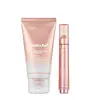
This wash off mask is made with Collagen Water and Niacinamide for a rinse-off brightening boost.

What's inside
What's inside
 Key Ingredients
Benefits
Concerns
Ingredients Side-by-side
Water
Skin ConditioningCollagen Water
Humectant
Octyldodecanol
Emollient
Polyvinyl Alcohol
Niacinamide
Smoothing










Methylpropanediol
SolventButylene Glycol
Humectant
Caprylic/Capric Triglyceride
Masking
1,2-Hexanediol
Skin Conditioning
Simmondsia Chinensis Seed Oil
Emollient


Polysorbate 80
Emulsifying
Polyglyceryl-10 Oleate
Skin Conditioning
Dipropylene Glycol
HumectantTitanium Dioxide
Cosmetic Colorant

Pentaerythrityl Tetraethylhexanoate
Emollient
Pullulan
Glyceryl Stearate
Emollient
PEG-100 Stearate
Surfactant
Panthenol
Skin Conditioning
Disteardimonium Hectorite
StabilisingAlgin
MaskingSodium Polystyrene Sulfonate
Emulsion StabilisingTriethyl Citrate
Masking

Glutathione
Microcrystalline Cellulose
AbsorbentEthylhexylglycerin
Skin ConditioningSphingomonas Ferment Extract
Skin Conditioning
Acrylates/C10-30 Alkyl Acrylate Crosspolymer
Emulsion StabilisingCellulose Gum
Emulsion StabilisingMethyl Diisopropyl Propionamide
MaskingTromethamine
BufferingSodium Phytate
ChelatingBetula Alba Bark Extract
Masking
Zea Mays Germ Oil
Emollient
Ricinus Communis Seed Oil
Masking
Illicium Verum Fruit/Seed Oil
Masking
Cymbopogon Citratus Leaf Oil
Masking


Paeonia Suffruticosa Root Extract
Skin ProtectingGlycerin
Humectant
Milk Protein Extract
Citric Acid
Buffering
Alpha-Arbutin
Antioxidant

Pentaerythrityl Tetra-Di-T-Butyl Hydroxyhydrocinnamate
Antioxidant
Collagen Amino Acids
Moisturising
Kaolin
Abrasive
Hydrated Silica
Abrasive
Propanediol
Solvent
Haematococcus Pluvialis Extract
Antioxidant
Hydrogenated Lecithin
Emulsifying
Centella Asiatica Extract
Cleansing
Ficus Carica Fruit Extract
Humectant
Ceramide NP
Skin Conditioning
Water, Collagen Water, Octyldodecanol, Polyvinyl Alcohol, Niacinamide, Methylpropanediol, Butylene Glycol, Caprylic/Capric Triglyceride, 1,2-Hexanediol, Simmondsia Chinensis Seed Oil, Polysorbate 80, Polyglyceryl-10 Oleate, Dipropylene Glycol, Titanium Dioxide, Pentaerythrityl Tetraethylhexanoate, Pullulan, Glyceryl Stearate, PEG-100 Stearate, Panthenol, Disteardimonium Hectorite, Algin, Sodium Polystyrene Sulfonate, Triethyl Citrate, Glutathione, Microcrystalline Cellulose, Ethylhexylglycerin, Sphingomonas Ferment Extract, Acrylates/C10-30 Alkyl Acrylate Crosspolymer, Cellulose Gum, Methyl Diisopropyl Propionamide, Tromethamine, Sodium Phytate, Betula Alba Bark Extract, Zea Mays Germ Oil, Ricinus Communis Seed Oil, Illicium Verum Fruit/Seed Oil, Cymbopogon Citratus Leaf Oil, Paeonia Suffruticosa Root Extract, Glycerin, Milk Protein Extract, Citric Acid, Alpha-Arbutin, Pentaerythrityl Tetra-Di-T-Butyl Hydroxyhydrocinnamate, Collagen Amino Acids, Kaolin, Hydrated Silica, Propanediol, Haematococcus Pluvialis Extract, Hydrogenated Lecithin, Centella Asiatica Extract, Ficus Carica Fruit Extract, Ceramide NP
Collagen Water 54%
Humectant
Octyldodecanol
Emollient
Simmondsia Chinensis Seed Oil
Emollient
Polyvinyl Alcohol
Dipropylene Glycol
HumectantCaprylic/Capric Triglyceride
Masking
Methylpropanediol
SolventNiacinamide
Smoothing
Algin
MaskingPropanediol
Solvent
1,2-Hexanediol
Skin Conditioning
Polysorbate 80
Emulsifying
Water
Skin ConditioningPolyglyceryl-10 Stearate
Skin Conditioning
Hectorite
AbsorbentPullulan
Isononyl Isononanoate
EmollientHydroxyacetophenone
Antioxidant
Sodium Polystyrene Sulfonate
Emulsion StabilisingGlyceryl Stearate
Emollient
PEG-100 Stearate
Surfactant
Glycerin
Humectant
Artemisia Vulgaris Oil
Perfuming
Betaine
Humectant
Potassium Cetyl Phosphate
EmulsifyingTocopherol
Antioxidant
Butylene Glycol
Humectant
Ethylhexylglycerin
Skin ConditioningCellulose Gum
Emulsion StabilisingTrehalose
Humectant
Adenosine
Skin Conditioning
Castor Oil/Ipdi Copolymer
Trisodium Ethylenediamine Disuccinate
ChelatingHelianthus Annuus Seed Oil
Emollient
Squalane
Emollient
Hexyldecyl Myristoyl Methylaminopropionate
EmollientLithospermum Erythrorhizon Root Extract
Skin ConditioningArginine
Masking
Carbomer
Emulsion StabilisingHydrolyzed Vegetable Protein
Skin ConditioningHyaluronic Acid
Humectant
Hydrolyzed Hyaluronic Acid
Humectant
Sodium Hyaluronate
Humectant
Avena Sativa Kernel Extract
Abrasive
Sodium DNA
Skin Conditioning
Sodium Phytate
ChelatingCI 77891
Cosmetic ColorantCollagen Water 54%, Octyldodecanol, Simmondsia Chinensis Seed Oil, Polyvinyl Alcohol, Dipropylene Glycol, Caprylic/Capric Triglyceride, Methylpropanediol, Niacinamide, Algin, Propanediol, 1,2-Hexanediol, Polysorbate 80, Water, Polyglyceryl-10 Stearate, Hectorite, Pullulan, Isononyl Isononanoate, Hydroxyacetophenone, Sodium Polystyrene Sulfonate, Glyceryl Stearate, PEG-100 Stearate, Glycerin, Artemisia Vulgaris Oil, Betaine, Potassium Cetyl Phosphate, Tocopherol, Butylene Glycol, Ethylhexylglycerin, Cellulose Gum, Trehalose, Adenosine, Castor Oil/Ipdi Copolymer, Trisodium Ethylenediamine Disuccinate, Helianthus Annuus Seed Oil, Squalane, Hexyldecyl Myristoyl Methylaminopropionate, Lithospermum Erythrorhizon Root Extract, Arginine, Carbomer, Hydrolyzed Vegetable Protein, Hyaluronic Acid, Hydrolyzed Hyaluronic Acid, Sodium Hyaluronate, Avena Sativa Kernel Extract, Sodium DNA, Sodium Phytate, CI 77891
Ingredients Explained
These ingredients are found in both products.
Ingredients higher up in an ingredient list are typically present in a larger amount.
1,2-Hexanediol is a synthetic liquid and another multi-functional powerhouse.
It is a:
- Humectant, drawing moisture into the skin
- Emollient, helping to soften skin
- Solvent, dispersing and stabilizing formulas
- Preservative booster, enhancing the antimicrobial activity of other preservatives
Algin is the sodium salt of alginic acid, a sugar-based polymer pulled out of brown seaweed.
In cosmetics, it's a workhorse thickener, binder, and film former rather than an active; it's mostly there for texture and slip.
Industry survey data collected by the Cosmetic Ingredient Review put its maximum reported use at 50% in paste masks and mud packs with reported use going all the way down to 0.001% in aerosol products. Most formulas sit at the low end since a little goes a long way as a thickener.
Allergy-wise, this ingredient is about as low-risk as it gets topically:
The "algae causes acne" idea comes from three places that got tangled together:
None of that transfers to a purified polysaccharide like algin. Clogged pores are a lipid problem where an ingredient has to get into the follicle and mix with sebum to form a comedone. Algin is a big, water-loving sugar chain that does neither; it gels and then sits on the surface as a film until it's rinsed off.
Learn more about AlginButylene Glycol (or BG) is used within cosmetic products for a few different reasons:
Overall, Butylene Glycol is a safe and well-rounded ingredient that works well with other ingredients.
Though this ingredient works well with most skin types, some people with sensitive skin may experience a reaction such as allergic rashes, closed comedones, or itchiness.
Learn more about Butylene GlycolCaprylic/Capric Triglyceride (aka MCT Oil) is a lightweight emollient, solvent, and texture enhancer. It is considered a skin-softener by helping to prevent moisture loss.
Though it behaves like an oil, it is not technically one due to its chemical composition. One perk of this ingredient is that it is very stable, resistant to oxidation, and unlikely to go rancid.
In practice, that translates to a long shelf life and a consistently elegant skin feel.
While there is an assumption Caprylic Triglyceride can clog pores due to it being derived from coconut oil, there is no research supporting this. Just patch test if you have concerns.
Fractionated coconut oil and MCT Oil are both listed as Caprylic/Capric Triglyceride according to INCI. This is because INCI names are based on the ingredient’s final chemical composition and not its marketing name or source.
This ingredient is treated as the gold standard fungal acne safe oil. Even though it is coconut derived, the problematic lauric acid is stripped out.
This leaves just caprylic (C8) and capric (C10) acid. These chain lengths actually trend antifungal; a 2020 study found caprylic acid was enough to disrupt Malassezia furfur cell membrane, with a caprylic acid derivative damaging membrane structures at concentrations as low as 0.2%.
Learn more about Caprylic/Capric TriglycerideCellulose Gum is a water-soluble polymer that comes from cellulose. It is used to change the texture of a product and to help stabilize emulsions.
As an emulsifier, cellulose gum specifically thicken the texture of water-based products.
This ingredient is considered hypoallergenic and non-toxic. Cellulose Gum can be found in cosmetics, food, and other household goods such as paper products.
Learn more about Cellulose GumCollagen Water can help to reduce the effects of aging.
Dipropylene Glycol is a synthetically created humectant, stabilizer, and solvent.
This ingredient helps:
Dipropylene glycol is technically an alcohol, but it belongs to the glycol family (often considered part of the ‘good’ alcohols). This means it is hydrating and gentle on skin unlike drying solvent alcohols like denatured alcohol.
As a masking agent, Dipropylene Glycol can be used to cover the smell of other ingredients. However, it does not have a scent.
Studies show Dipropylene Glycol is considered safe to use in skincare.
Learn more about Dipropylene GlycolEthylhexylglycerin is created from glycerin. It is a multitasker ingredient that:
The CIR Expert Panel found minimal skin absorption or sensitization of any kind in a safety assessment. Though this ingredient is considered well-tolerated, a small number of cases of allergic dermatitis have been published since 2002. Just be sure to patch test if you are unsure.
Industry-reported use ranges from 8% in rinse-off products and 2% in leave-on formulations.
Learn more about EthylhexylglycerinGlycerin (or glycerol) is a compound naturally found in your skin. It's a powerhouse humectant that pulls water into the stratum corneum.
Topically, glycerin does several things at once:
Your skin makes glycerin on its own (mostly from sebaceous oil breakdown) and shuttles it to your outermost layer of skin, or your epidermis, via aquaporin-3.
Aquaporin-3 is a transporter that is essential for normal skin hydration, elasticity, and repair. Interestingly, mice lacking in AQP3 have dry and less elastic skin that can be fully corrected with glycerin.
This ingredient is non-irritating, plays well with almost every ingredient, and works across all skin types. Typical use is anywhere between 3-10% but can go up to 79% in some leave-on products.
Just know very high concentrations (>40%) can feel tacky in low humidity.
Glycerin is the name for this ingredient in American English. British English uses Glycerol/Glycerine.
Learn more about GlycerinGlyceryl Stearate is made by reacting glycerin with stearic acid (typically sourced from plant oils like palm or coconut). It's an emulsifier, emollient, and mild occlusive.
Emulsifiers help ingredients like oil and water stay mixed so your formula stays nicely blended and uniform in texture.
This ingredient is typically used in concentrations between 1-10%. Studies have found it to be non-sensitizing, non-phototoxic, and non-photoallergenic.
A close cousin of this ingredient is Glyceryl Stearate SE ("self-emulsifying"). This just has a small amount of sodium or potassium stearate added so it can emulsify without a co-emulsifier.
Since this ingredient is an ester of a C18 fatty acid, it may not be fungal acne safe. The Malassezia yeast can potentially metabolize within the C11-C24 range.
Fun fact: The human body also creates Glyceryl Stearate naturally.
Learn more about Glyceryl StearateMethylpropanediol is a synthetic solvent and humectant.
As a solvent, it helps dissolve other ingredients, helping to evenly distribute ingredients throughout the product. This ingredient has also been shown to have antimicrobial properties which makes it a preservative booster.
Methylpropanediol is able to add a bit of moisture to the skin. It also helps other ingredients be better absorbed into the skin, such as salicylic acid.
Learn more about MethylpropanediolNiacinamide is a multitasking form of vitamin B3 that strengthens the skin barrier, reduces pores and dark spots, regulates oil, and improves signs of aging.
And the best part? It's gentle and well-tolerated by most skin types, including sensitive and reactive skin.
You might have heard of "niacin flush", or the reddening of skin that causes itchiness. Niacinamide has not been found to cause this.
In very rare cases, some individuals may not be able to tolerate niacinamide at all or experience an allergic reaction to it.
If you are experiencing flaking, irritation, and dryness with this ingredient, be sure to double check all your products as this ingredient can be found in all categories of skincare.
When incorporating niacinamide into your routine, look out for concentration amounts. Typically, 5% niacinamide provides benefits such as fading dark spots. However, if you have sensitive skin, it is better to begin with a smaller concentration.
When you apply niacinamide to your skin, your body converts it into nicotinamide adenine dinucleotide (NAD). NAD is an essential coenzyme that is already found in your cells as "fuel" and powers countless biological processes.
In your skin, NAD helps repair cell damage, produce new healthy cells, support collagen production, strengthen the skin barrier, and fight environmental stressors (like UV and pollution).
Our natural NAD levels start to decline with age, leading to slower skin repair, visible aging, and a weaker skin barrier. By providing your skin niacinamide, you're recharging your skin's NAD levels. This leads to stronger, healthier, and younger looking skin.
Another name for vitamin B3 is nicotinamide. This vitamin is water-soluble and our bodies don't store it. We obtain Vitamin B3 from either food or skincare. Meat, fish, wheat, yeast, and leafy greens contain vitamin B3.
The type of niacinamide used in skincare is synthetically created.
Learn more about NiacinamideOctyldodecanol is a fatty alcohol sourced from plant oils like coconut or palm (or made synthetically).
It is:
You'll likely see this in many BHA products because this is the go-to solvent for salicylic acid.
This ingredient is typically used at levels between 2-20%.
Regarding fungal acne:
In 2019, this ingredient was tested against multiple Malassezia species (the yeast that causes fungal acne) and showed no growth.
Peg-100 Stearate is an emollient and emulsifier. As an emollient, it helps keep skin soft by trapping moisture in. On the other hand, emulsifiers help prevent oil and water from separating in a product.
PEGS are a hydrophilic polyether compound . There are 100 ethylene oxide monomers in Peg-100 Stearate. Peg-100 Stearate is polyethylene glycol ester of stearic acid.
Polysorbate 80 is a synthetic surfactant and emulsifier derived from sorbitol and oleic acid.
It reduces the surface tension between oil and water phases to help them stay mixed and stable in a formulation. In other words, it prevents your formulas from separating into an oily mess.
The CIR Expert Panel has evaluated the scientific data and found this ingredient to be safe, non-irritating, and non-sensitizing at concentrations up to 5% (it's even approved by the FDA as an OTC eye drop ingredient).
Learn more about Polysorbate 80We don't have a description for Polyvinyl Alcohol yet.
Propanediol is an all-star ingredient. It softens, hydrates, and smooths the skin.
It’s often used to:
Propanediol is not likely to cause sensitivity and considered safe to use. It is derived from corn or petroleum with a clear color and no scent.
Learn more about PropanediolPullulan is a low viscosity polysaccharide (a long chain carbohydrate) with binding and film forming properties when dissolved in water. It is used to create a "silicone-like" or silky feel in cosmetics without adding viscosity.
According to a manufacturer, this ingredient's ability to easily dissolves makes it a great carrier for active ingredients.
Due to it being edible and tasteless, you'll likely find this ingredient in breath freshener strips. This ingredient is produced from the starch of the fungus, Aureobasidium pullulans.
Pullulan is stable over a broad-range of pH.
Learn more about PullulanJojoba oil is one of the most well-studied plant-derived ingredients in cosmetics. It is an emollient with a special structure.
Because it is made up of 97-98% wax esters, it closely mirrors the linear monoesters found in human sebum. This makes it skin compatible, non-greasy, and lightweight.
Unlike other plant oils, jojoba wax doesn't easily penetrate skin. It mostly works in the uppermost layers as an emollient. This just means it forms a light barrier on the skin to help retain moisture.
Formulations with jojoba esters up to 90% reduced transepidermal water loss (TEWL) and increased barrier recovery by 81% (outperforming bisabolol at 47%).
Besides barrier support, the science also suggests jojoba to have anti-inflammatory effects and potential applications for skin infections, aging, and wound healing.
Fun fact: Indigenous cultures have used jojoba as a moisturizer and to help treat burns for centuries.
Fungal acne: The Malassezia yeast is known to metabolize fatty acids in the C11-24 range and jojoba's dominant fatty acid components fall into this range. This ingredient may not be fungal acne safe.
Learn more about Simmondsia Chinensis Seed OilSodium Phytate is the sodium salt of Phytic acid, a compound that plants store phosphorus in. It's the plant-derived alternative to ingredients like Disodium EDTA.
In skincare, this ingredient is a chelator that grabs onto trace metal ions like iron and copper that sneak into formulas through water/raw materials.
Those metals speed up oxidation so binding them keeps oils, fragrance, and actives from going off, stops color changes, and helps the preservative system work harder.
Survey data shows usage levels range from 0.0099%-0.5% in leave-on products, 0.025%-0.3% in rinse-off, and up to 0.05% in eye-area products. Suppliers typically recommend a range between 0.05-0.5%.
Learn more about Sodium PhytateThis ingredient is a high molecular weight sulfonate. It is used to help stabilize ingredients and help form a gel.
You might see this ingredient called Flexan.
Water. It's the most common cosmetic ingredient of all. You'll usually see it at the top of ingredient lists, meaning that it makes up the largest part of the product.
So why is it so popular? Water most often acts as a solvent - this means that it helps dissolve other ingredients into the formulation.
You'll also recognize water as that liquid we all need to stay alive. If you see this, drink a glass of water. Remember to stay hydrated!
Learn more about Water

