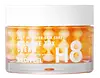
This anti-aging moisturizer is formulated around Niacinamide and Adenosine to soften the look of wrinkles and strengthen the skin barrier.
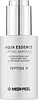
This anti-aging ampoule is formulated around Niacinamide and Palmitoyl Tripeptide-5 to soften the look of wrinkles.

What's inside
What's inside
 Key Ingredients
Benefits
Concerns
Ingredients Side-by-side
Water
Skin ConditioningGlycerin
Humectant


Caprylic/Capric Triglyceride
Masking
Dipropylene Glycol
HumectantNiacinamide
Smoothing









1,2-Hexanediol
Skin Conditioning
Butyrospermum Parkii Butter
Skin Conditioning




Camellia Sinensis Leaf Extract
Antimicrobial
Carbomer
Emulsion StabilisingDimethicone
Emollient
Panthenol
Skin Conditioning
Polyglyceryl-2 Stearate
Emulsifying
Arachidyl Alcohol
Emollient
Butylene Glycol
Humectant
Propanediol
Solvent
Glyceryl Stearate
Emollient
Squalane
Emollient
Glyceryl Glucoside
Humectant
Stearyl Alcohol
Emollient
Stearic Acid
Cleansing
Palmitic Acid
Emollient
C12-16 Alcohols
EmollientAmmonium Acryloyldimethyltaurate/Vp Copolymer
Hydrogenated Lecithin
Emulsifying
Adenosine
Skin Conditioning
Caprylyl Glycol
Emollient
Tremella Fuciformis Extract
Humectant
Tremella Fuciformis Sporocarp Extract
Antioxidant
Xanthan Gum
EmulsifyingEthylhexylglycerin
Skin ConditioningTocopheryl Acetate
Antioxidant
Illicium Verum Fruit Extract
Perfuming
Sodium Hyaluronate
Humectant
Leuconostoc/Radish Root Ferment Filtrate
Antimicrobial
Collagen
Moisturising
Proline
Skin Conditioning
Hydroxyproline
Skin ConditioningVegetable Amino Acids
Skin ConditioningNatto Gum
Silk Extract
Skin ConditioningPalmitoyl Pentapeptide-4
Skin Conditioning
Copper Tripeptide-1
Skin Conditioning
Palmitoyl Tripeptide-1
Skin Conditioning
Acetyl Hexapeptide-8
Humectant
Oligopeptide-1
Skin Conditioning
Palmitoyl Tripeptide-5
Skin Conditioning
Dipeptide Diaminobutyroyl Benzylamide Diacetate
Skin Conditioning
Scutellaria Baicalensis Root Extract
Astringent
Cetearyl Alcohol
Emollient
Arachidyl Glucoside
EmulsifyingBenzyl Glycol
SolventBehenyl Alcohol
Emollient
Ceramide NP
Skin Conditioning
Ceramide Ns
Skin Conditioning
Phytosphingosine
Skin Conditioning
Cholesterol
Emollient
Hydrolyzed Elastin
EmollientSericin
Skin ConditioningCeramide As
Skin Conditioning
Ceramide AP
Skin Conditioning
Gold
Cosmetic ColorantLysine
Skin ConditioningGlycine
Buffering
Alanine
Masking
Glutamic Acid
Humectant
Serine
Masking
Leucine
Skin ConditioningTryptophan
MaskingAspartic Acid
Masking
Glutamine
Skin ConditioningValine
MaskingThreonine
Isoleucine
Skin ConditioningPhenylalanine
Masking
Histidine
Humectant
Methionine
Skin ConditioningCystine
MaskingTyrosine
MaskingAsparagine
MaskingCeramide EOP
Skin Conditioning
Polyglyceryl-10 Laurate
Skin Conditioning
CI 19140
Cosmetic ColorantCI 16255
Cosmetic ColorantTromethamine
BufferingParfum
Masking

Limonene
Perfuming
Alpha-Isomethyl Ionone
Perfuming
Water, Glycerin, Caprylic/Capric Triglyceride, Dipropylene Glycol, Niacinamide, 1,2-Hexanediol, Butyrospermum Parkii Butter, Camellia Sinensis Leaf Extract, Carbomer, Dimethicone, Panthenol, Polyglyceryl-2 Stearate, Arachidyl Alcohol, Butylene Glycol, Propanediol, Glyceryl Stearate, Squalane, Glyceryl Glucoside, Stearyl Alcohol, Stearic Acid, Palmitic Acid, C12-16 Alcohols, Ammonium Acryloyldimethyltaurate/Vp Copolymer, Hydrogenated Lecithin, Adenosine, Caprylyl Glycol, Tremella Fuciformis Extract, Tremella Fuciformis Sporocarp Extract, Xanthan Gum, Ethylhexylglycerin, Tocopheryl Acetate, Illicium Verum Fruit Extract, Sodium Hyaluronate, Leuconostoc/Radish Root Ferment Filtrate, Collagen, Proline, Hydroxyproline, Vegetable Amino Acids, Natto Gum, Silk Extract, Palmitoyl Pentapeptide-4, Copper Tripeptide-1, Palmitoyl Tripeptide-1, Acetyl Hexapeptide-8, Oligopeptide-1, Palmitoyl Tripeptide-5, Dipeptide Diaminobutyroyl Benzylamide Diacetate, Scutellaria Baicalensis Root Extract, Cetearyl Alcohol, Arachidyl Glucoside, Benzyl Glycol, Behenyl Alcohol, Ceramide NP, Ceramide Ns, Phytosphingosine, Cholesterol, Hydrolyzed Elastin, Sericin, Ceramide As, Ceramide AP, Gold, Lysine, Glycine, Alanine, Glutamic Acid, Serine, Leucine, Tryptophan, Aspartic Acid, Glutamine, Valine, Threonine, Isoleucine, Phenylalanine, Histidine, Methionine, Cystine, Tyrosine, Asparagine, Ceramide EOP, Polyglyceryl-10 Laurate, CI 19140, CI 16255, Tromethamine, Parfum, Limonene, Alpha-Isomethyl Ionone
Water
Skin ConditioningButylene Glycol
Humectant
Isopentyldiol
Humectant
Glycerin
Humectant
Niacinamide
Smoothing
Panthenol
Skin Conditioning
1,2-Hexanediol
Skin Conditioning
Propanediol
Solvent
Dipropylene Glycol
HumectantXylitylglucoside
Humectant
Anhydroxylitol
Humectant
Xylitol
Humectant
Betaine
Humectant
Allantoin
Skin Conditioning
Hydrolyzed Elastin
EmollientHydrolyzed Collagen
Emollient
Stomach Extract
HumectantHair Extract
Dipotassium Glycyrrhizate
Humectant
Sodium Hyaluronate
Humectant
Hyaluronic Acid
Humectant
Sodium Hyaluronate Crosspolymer
Humectant
Hydrolyzed Hyaluronic Acid
Humectant
Hydroxypropyltrimonium Hyaluronate
Sodium Acetylated Hyaluronate
Humectant
Hydrolyzed Glycosaminoglycans
HumectantSodium Polyacryloyldimethyl Taurate
Emulsion StabilisingArginine
Masking
Glucose
Humectant
Hydrogenated Polydecene
EmollientTrideceth-10
CleansingMacadamia Ternifolia Seed Oil
Emollient
Hydrogenated Polyisobutene
EmollientCaprylic/Capric Triglyceride
Masking
Caprylyl Glycol
Emollient
Glycereth-25 PCA Isostearate
Emulsifying
Xanthan Gum
EmulsifyingPalmitoyl Tripeptide-5
Skin Conditioning
Acetyl Hexapeptide-8
Humectant
Alanine/Histidine/Lysine Polypeptide Copper Hcl
Skin Conditioning
Copper Tripeptide-1
Skin Conditioning
Dipeptide-2
Skin Conditioning
Palmitoyl Pentapeptide-4
Skin Conditioning
Palmitoyl Tripeptide-1
Skin Conditioning
Tripeptide-1
Skin Conditioning
Acetyl Octapeptide-3
Humectant
Glutathione
Thioctic Acid
Antioxidant
Ubiquinone
Antioxidant
Astaxanthin
Skin Conditioning
Cholesterol
Emollient
PEG-5 Rapeseed Sterol
Cleansing
Tocopheryl Acetate
Antioxidant
Ceteth-3
EmulsifyingCeteth-5
EmulsifyingHydrogenated Lecithin
Emulsifying
Potassium Cetyl Phosphate
EmulsifyingSodium Ascorbyl Phosphate
Antioxidant
Carbomer
Emulsion StabilisingBenzyl Glycol
SolventHydroxyacetophenone
Antioxidant
Ethylhexylglycerin
Skin ConditioningAdenosine
Skin Conditioning
Disodium EDTA
ChelatingParfum
Masking
Water, Butylene Glycol, Isopentyldiol, Glycerin, Niacinamide, Panthenol, 1,2-Hexanediol, Propanediol, Dipropylene Glycol, Xylitylglucoside, Anhydroxylitol, Xylitol, Betaine, Allantoin, Hydrolyzed Elastin, Hydrolyzed Collagen, Stomach Extract, Hair Extract, Dipotassium Glycyrrhizate, Sodium Hyaluronate, Hyaluronic Acid, Sodium Hyaluronate Crosspolymer, Hydrolyzed Hyaluronic Acid, Hydroxypropyltrimonium Hyaluronate, Sodium Acetylated Hyaluronate, Hydrolyzed Glycosaminoglycans, Sodium Polyacryloyldimethyl Taurate, Arginine, Glucose, Hydrogenated Polydecene, Trideceth-10, Macadamia Ternifolia Seed Oil, Hydrogenated Polyisobutene, Caprylic/Capric Triglyceride, Caprylyl Glycol, Glycereth-25 PCA Isostearate, Xanthan Gum, Palmitoyl Tripeptide-5, Acetyl Hexapeptide-8, Alanine/Histidine/Lysine Polypeptide Copper Hcl, Copper Tripeptide-1, Dipeptide-2, Palmitoyl Pentapeptide-4, Palmitoyl Tripeptide-1, Tripeptide-1, Acetyl Octapeptide-3, Glutathione, Thioctic Acid, Ubiquinone, Astaxanthin, Cholesterol, PEG-5 Rapeseed Sterol, Tocopheryl Acetate, Ceteth-3, Ceteth-5, Hydrogenated Lecithin, Potassium Cetyl Phosphate, Sodium Ascorbyl Phosphate, Carbomer, Benzyl Glycol, Hydroxyacetophenone, Ethylhexylglycerin, Adenosine, Disodium EDTA, Parfum
Reviews
Ingredients Explained
These ingredients are found in both products.
Ingredients higher up in an ingredient list are typically present in a larger amount.
1,2-Hexanediol is a synthetic liquid and another multi-functional powerhouse.
It is a:
- Humectant, drawing moisture into the skin
- Emollient, helping to soften skin
- Solvent, dispersing and stabilizing formulas
- Preservative booster, enhancing the antimicrobial activity of other preservatives
Acetyl Hexapeptide-8 (also known as Argireline) is a synthetic hexapeptide that is often called a "topical Botox alternative".
It works by mimicking how Botox relaxes muscles; it interferes with the signaling process that tells your facial muscles to contract. This can help soften expression lines like forehead wrinkles or crow's feet over time.
The comparison to Botox does have limits because the molecule is water-loving and relatively large.
Acetyl Hexapeptide-8 has a hard time absorbing deeply enough through the skin's outer barrier to actually reach the muscles.
So whether it truly works the way Botox does at a biological level is still up for debate, but early clinical outcomes are fairly encouraging.
A 12 week human study of a multi-ingredient regimen containing this ingredient saw:
While some studies have observed improvements in wrinkle appearance, it is important to note that more consistent results are seen in multi-ingredient formulations (vs just Acetyl Hexapeptide-8 alone).
Some research studies also used higher concentrations (up to 10%) while this ingredient is usually found in concentrations up to 0.005% in leave-on formulations.
Learn more about Acetyl Hexapeptide-8Adenosine is a purine nucleoside that your body already makes in every cell. In skincare, it acts mainly as a skin conditioning and anti-aging agent.
The way it works is fairly well mapped out:
Your skin has cells called fibroblasts that build collagen (the stuff that keeps skin firm and smooth). Adenosine basically flips a switch on these cells that tells them to get to work making more collagen and other proteins. These cells slow down on their own as skin ages, so Adenosine helps give them a little nudge to keep going.
The clinical backing is pretty solid too.
A blind, randomized, placebo-controlled trial of 126 women aged 45-65 tested a 0.1% cream twice daily and found real improvements in crow's feet and frown lines using a precise 3D skin-mapping technique; these changes showed up by week 3 and held at 2 months.
A later study using Adenosine-loaded dissolving microneedle patches reported gains in wrinkle depth, dermal density, elasticity, and hydration.
On concentrations, South Korea's Ministry of Food and Drug Safety has set 0.04% as the approved functional anti-wrinkle level. You'll typically see this ingredient used somewhere in the 0.04-0.1% range since it works at low doses.
This ingredient has been found safe for cosmetics with the data showing no irritation or sensitization.
Overall, this is a great ingredient for any anti-aging routine and has no photosensitizing effect, so it suits both AM and PM use.
Learn more about AdenosineWe don't have a description for Benzyl Glycol yet.
Butylene Glycol (or BG) is used within cosmetic products for a few different reasons:
Overall, Butylene Glycol is a safe and well-rounded ingredient that works well with other ingredients.
Though this ingredient works well with most skin types, some people with sensitive skin may experience a reaction such as allergic rashes, closed comedones, or itchiness.
Learn more about Butylene GlycolCaprylic/Capric Triglyceride (aka MCT Oil) is a lightweight emollient, solvent, and texture enhancer. It is considered a skin-softener by helping to prevent moisture loss.
Though it behaves like an oil, it is not technically one due to its chemical composition. One perk of this ingredient is that it is very stable, resistant to oxidation, and unlikely to go rancid.
In practice, that translates to a long shelf life and a consistently elegant skin feel.
While there is an assumption Caprylic Triglyceride can clog pores due to it being derived from coconut oil, there is no research supporting this. Just patch test if you have concerns.
Fractionated coconut oil and MCT Oil are both listed as Caprylic/Capric Triglyceride according to INCI. This is because INCI names are based on the ingredient’s final chemical composition and not its marketing name or source.
This ingredient is treated as the gold standard fungal acne safe oil. Even though it is coconut derived, the problematic lauric acid is stripped out.
This leaves just caprylic (C8) and capric (C10) acid. These chain lengths actually trend antifungal; a 2020 study found caprylic acid was enough to disrupt Malassezia furfur cell membrane, with a caprylic acid derivative damaging membrane structures at concentrations as low as 0.2%.
Learn more about Caprylic/Capric TriglycerideCaprylyl Glycol is a humectant, skin conditioner, emollient, and preservative booster derived from either caprylic acid or synthetically created.
Typical use levels vary from 0.3-1% as a preservative booster and go up to 2% to condition skin.
Because it is not a free-fatty acid, this ingredient is fungal acne safe (there's nothing for Malassezia to feed on).
Learn more about Caprylyl GlycolCarbomer is a synthetic thickening and gelling agent. It's basically the ingredient that gives a lot of serums, gels, creams, and sunscreens their smooth, non-sticky texture.
Although legally permitted at very high levels, carbomers are normally used at concentrations below 1%.
It also needs to be neutralized to actually thicken, and because it is a large molecule, it doesn't really penetrate the skin barrier.
Allergy-wise, the risk is very low. Clinical studies show carbomers have low potential for skin irritation/sensitization even at concentrations up to 100%.
A 2024 UK study patch-tested 1,302 patients and found true allergy to the parent group of carbomer to be rare with no confirmed relevant reactions.
Learn more about CarbomerCholesterol is a lipid that is naturally found in human skin and is one of the three key components of your skin barrier. In skincare, it is an emollient and barrier-repairing ingredient.
It works by fitting directly into the lipid layers of skin to help restore structure and reduce transepidermal water loss (TEWL).
This is a great ingredient for dry, compromised, or aging skin; our skin starts to produce less cholesterol with age.
Research shows cholesterol works best in combination with ceramides and fatty acids, the other two major components in your skin barrier.
Cholesterol is also a well-establish penetration enhancer and can help other actives absorb more effectively.
Cosmetic-grade cholesterol is usually derived from lanolin but plant and synthetic options also exist. We recommend reaching out to the brand if you have questions about their source of cholesterol.
Learn more about CholesterolCopper Tripeptide-1 (GHK-Cu) is a skin repairing ingredient said to boost collagen, improve firmness, and support skin regeneration.
It is a complex made up of a naturally occurring peptide (glycine-histidine-lysine) and copper, an essential trace element.
While studying wound healing, researchers noticed GHK-Cu stimulated hair follicle enlargement and growth by keeping hair in its active growth phase longer. This has made it a promising ingredient for hair regrowth treatments.
Some people have reported increased facial hair. While GHK-Cu can make your hair follicles bigger, it usually doesn’t turn soft, barely-visible facial hairs into thick, dark ones.
Anecdotal reports suggest that overusing copper peptides might lead to premature aging due to excess free copper or enzyme imbalances. This claim isn’t backed by large-scale studies.
Unfortunately, there are limited human studies for this ingredient. While early results are promising, many studies are either small, in-vitro, or not rigorously controlled.
For example, there is a 1998 study that explored the effects of copper tripeptide, vitamin C, tretinoin, and melatonin on skin repair and collagen synthesis.
After one month, increased procollagen production was seen in 7 out of 10 participants using copper tripeptide (more than those using vitamin C, melatonin, or tretinoin.
While the study was exploratory, it offers early evidence that copper tripeptide may support collagen production. Larger, well-designed trials are still needed to confirm its potential and understand individual responses.
Read more about other common types of peptides here:
Learn more about Copper Tripeptide-1Dipropylene Glycol is a synthetically created humectant, stabilizer, and solvent.
This ingredient helps:
Dipropylene glycol is technically an alcohol, but it belongs to the glycol family (often considered part of the ‘good’ alcohols). This means it is hydrating and gentle on skin unlike drying solvent alcohols like denatured alcohol.
As a masking agent, Dipropylene Glycol can be used to cover the smell of other ingredients. However, it does not have a scent.
Studies show Dipropylene Glycol is considered safe to use in skincare.
Learn more about Dipropylene GlycolEthylhexylglycerin is created from glycerin. It is a multitasker ingredient that:
The CIR Expert Panel found minimal skin absorption or sensitization of any kind in a safety assessment. Though this ingredient is considered well-tolerated, a small number of cases of allergic dermatitis have been published since 2002. Just be sure to patch test if you are unsure.
Industry-reported use ranges from 8% in rinse-off products and 2% in leave-on formulations.
Learn more about EthylhexylglycerinGlycerin (or glycerol) is a compound naturally found in your skin. It's a powerhouse humectant that pulls water into the stratum corneum.
Topically, glycerin does several things at once:
Your skin makes glycerin on its own (mostly from sebaceous oil breakdown) and shuttles it to your outermost layer of skin, or your epidermis, via aquaporin-3.
Aquaporin-3 is a transporter that is essential for normal skin hydration, elasticity, and repair. Interestingly, mice lacking in AQP3 have dry and less elastic skin that can be fully corrected with glycerin.
This ingredient is non-irritating, plays well with almost every ingredient, and works across all skin types. Typical use is anywhere between 3-10% but can go up to 79% in some leave-on products.
Just know very high concentrations (>40%) can feel tacky in low humidity.
Glycerin is the name for this ingredient in American English. British English uses Glycerol/Glycerine.
Learn more about GlycerinHydrogenated Lecithin is a more stable version of lecithin.
It's made by taking lecithin (a phospholipid commonly found in soybeans and egg yolks) and hydrogenating it. This just means the unsaturated fatty acids are turned into saturated ones so they don't go bad as easily.
This ingredient is an emollient, emulsifier, and penetration enhancer. As an emollient, it helps soften and hydrate skin by trapping moisture within. As an emulsifier, it prevents oil and water ingredients from separating.
Hydrogenated Lecithin can form tiny spherical structures made of phospholipid bilayers called liposomes. These liposomes are able to capture compounds inside their structure and deliver them through the skin barrier.
Because phospholipids are a natural component of our cell membranes, this ingredient is inherently compatible with skin.
A 2021 study found lecithin-based surfactants were less harsh and more tolerable comared to Sodium Lauryl Sulfate (SLS).
Learn more about Hydrogenated LecithinWe don't have a description for Hydrolyzed Elastin yet.
Niacinamide is a multitasking form of vitamin B3 that strengthens the skin barrier, reduces pores and dark spots, regulates oil, and improves signs of aging.
And the best part? It's gentle and well-tolerated by most skin types, including sensitive and reactive skin.
You might have heard of "niacin flush", or the reddening of skin that causes itchiness. Niacinamide has not been found to cause this.
In very rare cases, some individuals may not be able to tolerate niacinamide at all or experience an allergic reaction to it.
If you are experiencing flaking, irritation, and dryness with this ingredient, be sure to double check all your products as this ingredient can be found in all categories of skincare.
When incorporating niacinamide into your routine, look out for concentration amounts. Typically, 5% niacinamide provides benefits such as fading dark spots. However, if you have sensitive skin, it is better to begin with a smaller concentration.
When you apply niacinamide to your skin, your body converts it into nicotinamide adenine dinucleotide (NAD). NAD is an essential coenzyme that is already found in your cells as "fuel" and powers countless biological processes.
In your skin, NAD helps repair cell damage, produce new healthy cells, support collagen production, strengthen the skin barrier, and fight environmental stressors (like UV and pollution).
Our natural NAD levels start to decline with age, leading to slower skin repair, visible aging, and a weaker skin barrier. By providing your skin niacinamide, you're recharging your skin's NAD levels. This leads to stronger, healthier, and younger looking skin.
Another name for vitamin B3 is nicotinamide. This vitamin is water-soluble and our bodies don't store it. We obtain Vitamin B3 from either food or skincare. Meat, fish, wheat, yeast, and leafy greens contain vitamin B3.
The type of niacinamide used in skincare is synthetically created.
Learn more about NiacinamideYou might know this ingredient as Matrixyl. It is a synthetic peptide made up of five amino acids attached to a palmitic acid, a fatty acid that helps it absorb into skin more easily.
As a signal peptide, Matrixyl acts like a little messenger. Once it reaches your skin cells, it tells them to ramp up production of collagen, elastin, and other proteins that keep skin looking firm and smooth.
A 12 week clinical study found that a moisturizer containing just 3 ppm of Matrixyl led to a significant improvement in fine-lines and wrinkles. Another study showed an 18% reduction in wrinkle depth, 37% reduction in wrinkle thickness, and a 21% improvement in skin firmness after just 28 days of twice-daily use.
The coolest part is that it works at incredibly low concentrations (like 0.0003%) and it plays well with other actives.
The CIR (Cosmetic Ingredient Review) panel found it to be non-sensitizing across multiple tests and human patch tests also showed no irritation or sensitization.
Fun fact: Matrixyl was originally developed by French company Sederma and Procter & Gamble.
Read more about other common types of peptides here:
Learn more about Palmitoyl Pentapeptide-4Palmitoyl Tripeptide-1 (aka Pal-GHK) is a synthetic signal peptide made of three amino acids attached to palmitic acid.
That fatty acid attachment is the key: it boosts the peptide's ability to penetrate the skin barrier. This puts it closer to the dermal cells where it can actually make a difference.
Once there, it acts as a matrikine, a signaling peptide that prompts fibroblasts to produce more collagen, fibronectin, and hyaluronic acid.
In vitro studies show it can boost collagen production in skin cells even when UV-damaged skin samples were treated with it at a tiny concentration (it almost fully restored dermal collagen at 5ppm). It achieved this at 100x lower concentration than retinoic acid, which needed 500 ppm to do the same thing.
Human clinical data is promising, but modest:
A study of 23 female volunteers found a small but statistically significant increase (~4%) in skin thickness after treatment at 4 ppm.
A separate small trial of 15 women showed statistically significant reductions in wrinkle length, depth, and skin roughness after applying it twice daily for four weeks.
You'll likely see Pal-GHK paired with Palmitoyl Tetrapeptide-7 as part of the Matrixyl 3000 complex.
Fungal acne note:
Usually a palmitic acid component can feed Malassezia in unbound form, but here is is covalently bonded to the peptide. This means it is very difficult for Malassezia to access, and therefore very unlikely to cause fungal acne.
Palmitoyl Tripeptide-5 is a synthetic signal lipopeptide. This just means it is a three amino acid chain bolted onto a palmitic acid tail so it can slip through the skin's lipid barrier.
This peptide has a "build more, lose less" approach.
It's designed to mimic the collagen-stimulating activity in your skin by copying a snippet of one of your skin's own matrix proteins. This nudges fibroblasts into making more collagen while inhibiting the enzyme that breaks down skin protein.
The manufacturer's in vivo study of 45 volunteers found 1% and 2.5% reduced the appearance of wrinkles by 7% and 12% respectively, after using it twice daily for 84 days.
This is in the expected range for peptides; they're slow and cumulative actives and not overnight fixers.
Typical use levels range from 1-3% and this ingredient gets along with pretty much everything.
On the fungal acne front:
Although palmitic acid sits in the chain length that Malassezia can feed on, this ingredient has it locked in an amine bond. This makes it hard for Malassezia to access as a source of food, and therefore fungal acne safe.
Panthenol is a common ingredient that helps hydrate and soothe the skin. It is found naturally in our skin and hair.
There are two forms of panthenol: D and L.
D-panthenol is also known as dexpanthenol. Most cosmetics use dexpanthenol or a mixture of D and L-panthenol.
Panthenol is famous due to its ability to go deeper into the skin's layers. Using this ingredient has numerous pros (and no cons):
Like hyaluronic acid, panthenol is a humectant. Humectants are able to bind and hold large amounts of water to keep skin hydrated.
This ingredient works well for wound healing. It works by increasing tissue in the wound and helps close open wounds.
Once oxidized, panthenol converts to pantothenic acid. Panthothenic acid is found in all living cells.
This ingredient is also referred to as pro-vitamin B5.
Learn more about PanthenolParfum is a catch-all term for an ingredient or more that is used to give a scent to products.
Also called "fragrance", this ingredient can be a blend of hundreds of chemicals or plant oils. This means every product with "fragrance" or "parfum" in the ingredients list is a different mixture.
For instance, Habanolide is a proprietary trade name for a specific aroma chemical. When used as a fragrance ingredient in cosmetics, most aroma chemicals fall under the broad labeling category of “FRAGRANCE” or “PARFUM” according to EU and US regulations.
The term 'parfum' or 'fragrance' is not regulated in many countries. In many cases, it is up to the brand to define this term.
For instance, many brands choose to label themselves as "fragrance-free" because they are not using synthetic fragrances. However, their products may still contain ingredients such as essential oils that are considered a fragrance by INCI standards.
One example is Calendula flower extract. Calendula is an essential oil that still imparts a scent or 'fragrance'.
Depending on the blend, the ingredients in the mixture can cause allergies and sensitivities on the skin. Some ingredients that are known EU allergens include linalool and citronellol.
Parfum can also be used to mask or cover an unpleasant scent.
The bottom line is: not all fragrances/parfum/ingredients are created equally. If you are worried about fragrances, we recommend taking a closer look at an ingredient. And of course, we always recommend speaking with a professional.
Learn more about ParfumPropanediol is an all-star ingredient. It softens, hydrates, and smooths the skin.
It’s often used to:
Propanediol is not likely to cause sensitivity and considered safe to use. It is derived from corn or petroleum with a clear color and no scent.
Learn more about PropanediolSodium Hyaluronate is the salt form of hyaluronic acid. It is a long sugar chain that is naturally found in your skin, joints, and connective tissue that maintains hydration and elasticity.
In skincare, it works as a humectant. It pulls water from the environment and deeper layers of skin and binds it to the surface.
Interestingly, the size of the molecule affects its behavior:
Some clinical evidence links low molecular weight versions to improved wrinkle depth, elasticity, anti-inflammatory effects, and barrier repair.
Many serums use a blend of both weights so you can get surface hydration plus longer-lasting and deeper effects.
You'll typically see concentrations between 0.1-2% for this ingredient.
Learn more about Sodium HyaluronateTocopheryl Acetate is a stable, shelf-friendly form of vitamin E.
Formulators love it because plain vitamin E oxidizes quickly once it hits air. This acetate version stays stable and resists going off, helping to extend a product's shelf life.
It's actually inactive on its own and works like a slow-release "storage" form; the enzymes in your skin called esterases gradually convert it into active vitamin E over time.
One in vivo study showed 5% of the acetate in the living layer of the epidermis converted to vitamin E after 5 days of application. This study also found the skin gained protection against UV damage even though the conversion was slow and small.
Once converted, vitamin E acts as a skin's main fat-soluble antioxidant that fights free radicals to protect skin from damage.
Topical vitamin E generally boosts the skin's photoprotection, and it reduced UV-damage in animal models.
This ingredient has some brightening potential but it's more of a prevention ingredient than spot-fader. Cell studies show it can slow down melanin production but it's worth noting that it's not the most powerful brightener out there.
Overall, it has a pretty solid safety profile and has been found to be non-irritating and non-comedogenic. Allergic reactions may happen but stay rare due to how widely the ingredient gets used.
The concentration will vary depending on the formula; industry data shows 0.1% in baby lotions, 3% in lipsticks, and 5% in foot powders. You can also find this ingredient at 100% in a pure vitamin E oil.
Most leave-on skincare keeps it at the lower end, often between 0.5-1%.
Learn more about Tocopheryl AcetateWater. It's the most common cosmetic ingredient of all. You'll usually see it at the top of ingredient lists, meaning that it makes up the largest part of the product.
So why is it so popular? Water most often acts as a solvent - this means that it helps dissolve other ingredients into the formulation.
You'll also recognize water as that liquid we all need to stay alive. If you see this, drink a glass of water. Remember to stay hydrated!
Learn more about WaterXanthan gum is used as a stabilizer and thickener within cosmetic products. It helps give products a sticky, thick feeling - preventing them from being too runny.
On the technical side of things, xanthan gum is a polysaccharide - a combination consisting of multiple sugar molecules bonded together.
Xanthan gum is a pretty common and great ingredient. It is a natural, non-toxic, non-irritating ingredient that is also commonly used in food products.
Learn more about Xanthan Gum

