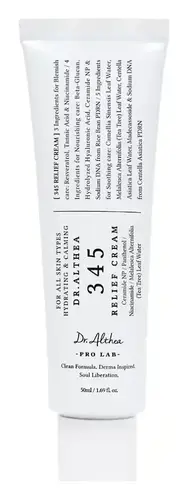
Mac Cosmetics Hyper Real Skincanvas Balm Moisturizing Cream Versus Neutrogena Hydro Boost Water Cream Fragrance Free
This barrier-repair moisturizer is formulated around Helianthus Annuus Seed Oil and Niacinamide to strengthen the skin barrier and hydrate skin.
This barrier-repair moisturizer is formulated around Ceramide NP and Sodium Hyaluronate to strengthen the skin barrier and hydrate skin.

What's inside
What's inside
 Key Ingredients
Benefits
Concerns
Ingredients Side-by-side
Water
Skin ConditioningPropanediol
Solvent

Helianthus Annuus Seed Oil
Emollient


Caprylic/Capric/Myristic/Stearic Triglyceride
EmollientNiacinamide
Smoothing










Cocos Nucifera Oil
Masking




Polyglyceryl-3 Methylglucose Distearate
Emulsifying
Coco-Caprylate/Caprate
Emollient
Simmondsia Chinensis Seed Oil
Emollient
Butylene Glycol
Humectant
Hydroxyethyl Acrylate/Sodium Acryloyldimethyl Taurate Copolymer
Emulsion StabilisingGlyceryl Stearate
Emollient
PEG-100 Stearate
Surfactant
Trehalose
Humectant
Persea Gratissima Oil
Skin Conditioning
Glycerin
Humectant
Sodium Hyaluronate
Humectant
Squalane
Emollient
Ethylhexylglycerin
Skin ConditioningCholesterol
Emollient
Sodium Rna
Skin ConditioningCeramide Ng
Skin Conditioning
Acetyl Glucosamine
Skin Conditioning
Acetyl Hexapeptide-8
Humectant
Isononyl Isononanoate
EmollientCaprylic/Capric Triglyceride
Masking
Caprylyl Glycol
Emollient
Mangifera Indica Seed Butter
Skin Conditioning
Paeonia Albiflora Flower Extract
TonicCrithmum Maritimum Extract
Skin ConditioningAloe Barbadensis Leaf Extract
Emollient
Laminaria Digitata Extract
Skin Protecting
Algae Extract
EmollientHordeum Distichon Extract
Skin ProtectingPrunus Amygdalus Dulcis Seed Extract
Skin ConditioningSigesbeckia Orientalis Extract
Skin ConditioningTriticum Vulgare Germ Oil
Emollient
Hydrogenated Vegetable Oil
Emollient
Canola Oil
Emollient
Argania Spinosa Kernel Oil
Emollient
Caffeine
Skin Conditioning
Acrylates/C10-30 Alkyl Acrylate Crosspolymer
Emulsion StabilisingSorbitan Isostearate
Emulsifying
Potassium Cetyl Phosphate
EmulsifyingPolysorbate 60
Emulsifying
Hexylene Glycol
EmulsifyingSodium Hydroxide
BufferingParfum
Masking

Linalool
Perfuming
Limonene
Perfuming
Benzyl Salicylate
Perfuming
Tocopherol
Antioxidant

Tocopheryl Acetate
Antioxidant
Tetrasodium EDTA
Phenoxyethanol
Preservative
Potassium Sorbate
Preservative
Chlorphenesin
Antimicrobial
CI 77891
Cosmetic ColorantWater, Propanediol, Helianthus Annuus Seed Oil, Caprylic/Capric/Myristic/Stearic Triglyceride, Niacinamide, Cocos Nucifera Oil, Polyglyceryl-3 Methylglucose Distearate, Coco-Caprylate/Caprate, Simmondsia Chinensis Seed Oil, Butylene Glycol, Hydroxyethyl Acrylate/Sodium Acryloyldimethyl Taurate Copolymer, Glyceryl Stearate, PEG-100 Stearate, Trehalose, Persea Gratissima Oil, Glycerin, Sodium Hyaluronate, Squalane, Ethylhexylglycerin, Cholesterol, Sodium Rna, Ceramide Ng, Acetyl Glucosamine, Acetyl Hexapeptide-8, Isononyl Isononanoate, Caprylic/Capric Triglyceride, Caprylyl Glycol, Mangifera Indica Seed Butter, Paeonia Albiflora Flower Extract, Crithmum Maritimum Extract, Aloe Barbadensis Leaf Extract, Laminaria Digitata Extract, Algae Extract, Hordeum Distichon Extract, Prunus Amygdalus Dulcis Seed Extract, Sigesbeckia Orientalis Extract, Triticum Vulgare Germ Oil, Hydrogenated Vegetable Oil, Canola Oil, Argania Spinosa Kernel Oil, Caffeine, Acrylates/C10-30 Alkyl Acrylate Crosspolymer, Sorbitan Isostearate, Potassium Cetyl Phosphate, Polysorbate 60, Hexylene Glycol, Sodium Hydroxide, Parfum, Linalool, Limonene, Benzyl Salicylate, Tocopherol, Tocopheryl Acetate, Tetrasodium EDTA, Phenoxyethanol, Potassium Sorbate, Chlorphenesin, CI 77891
Water
Skin ConditioningGlycerin
Humectant
Isopropyl Palmitate
Emollient
Cetyl Alcohol
Emollient
Cetearyl Olivate
Sorbitan Olivate
Emulsifying
C10-30 Cholesterol/Lanosterol Esters
Emulsifying
Ceramide NP
Skin Conditioning
Stearic Acid
Cleansing
Palmitic Acid
Emollient
Sodium Hyaluronate
Humectant
Serine
Masking
Glycine
Buffering
Alanine
Masking
Threonine
Arginine
Masking
Proline
Skin Conditioning
Lysine Hcl
Skin Conditioning
Glutamic Acid
Humectant
Sodium PCA
Humectant
PCA
Humectant
Sodium Lactate
Buffering
Urea
Buffering
Sodium Chloride
MaskingCitric Acid
Buffering
Betaine
Humectant
Allantoin
Skin Conditioning
Fructose
Humectant
Maltose
MaskingTrehalose
Humectant
Glucose
Humectant
Pentylene Glycol
Skin Conditioning
Dimethicone
Emollient
Polyacrylate Crosspolymer-6
Emulsion StabilisingEthylhexylglycerin
Skin ConditioningCaprylyl Glycol
Emollient
1,2-Hexanediol
Skin Conditioning
Tropolone
Skin ConditioningSodium Hydroxide
BufferingWater, Glycerin, Isopropyl Palmitate, Cetyl Alcohol, Cetearyl Olivate, Sorbitan Olivate, C10-30 Cholesterol/Lanosterol Esters, Ceramide NP, Stearic Acid, Palmitic Acid, Sodium Hyaluronate, Serine, Glycine, Alanine, Threonine, Arginine, Proline, Lysine Hcl, Glutamic Acid, Sodium PCA, PCA, Sodium Lactate, Urea, Sodium Chloride, Citric Acid, Betaine, Allantoin, Fructose, Maltose, Trehalose, Glucose, Pentylene Glycol, Dimethicone, Polyacrylate Crosspolymer-6, Ethylhexylglycerin, Caprylyl Glycol, 1,2-Hexanediol, Tropolone, Sodium Hydroxide
Reviews
Ingredients Explained
These ingredients are found in both products.
Ingredients higher up in an ingredient list are typically present in a larger amount.
Caprylyl Glycol is a humectant, skin conditioner, emollient, and preservative booster derived from either caprylic acid or synthetically created.
Typical use levels vary from 0.3-1% as a preservative booster and go up to 2% to condition skin.
Because it is not a free-fatty acid, this ingredient is fungal acne safe (there's nothing for Malassezia to feed on).
Learn more about Caprylyl GlycolEthylhexylglycerin is created from glycerin. It is a multitasker ingredient that:
The CIR Expert Panel found minimal skin absorption or sensitization of any kind in a safety assessment. Though this ingredient is considered well-tolerated, a small number of cases of allergic dermatitis have been published since 2002. Just be sure to patch test if you are unsure.
Industry-reported use ranges from 8% in rinse-off products and 2% in leave-on formulations.
Learn more about EthylhexylglycerinGlycerin (or glycerol) is a compound naturally found in your skin. It's a powerhouse humectant that pulls water into the stratum corneum.
Topically, glycerin does several things at once:
Your skin makes glycerin on its own (mostly from sebaceous oil breakdown) and shuttles it to your outermost layer of skin, or your epidermis, via aquaporin-3.
Aquaporin-3 is a transporter that is essential for normal skin hydration, elasticity, and repair. Interestingly, mice lacking in AQP3 have dry and less elastic skin that can be fully corrected with glycerin.
This ingredient is non-irritating, plays well with almost every ingredient, and works across all skin types. Typical use is anywhere between 3-10% but can go up to 79% in some leave-on products.
Just know very high concentrations (>40%) can feel tacky in low humidity.
Glycerin is the name for this ingredient in American English. British English uses Glycerol/Glycerine.
Learn more about GlycerinSodium Hyaluronate is the salt form of hyaluronic acid. It is a long sugar chain that is naturally found in your skin, joints, and connective tissue that maintains hydration and elasticity.
In skincare, it works as a humectant. It pulls water from the environment and deeper layers of skin and binds it to the surface.
Interestingly, the size of the molecule affects its behavior:
Some clinical evidence links low molecular weight versions to improved wrinkle depth, elasticity, anti-inflammatory effects, and barrier repair.
Many serums use a blend of both weights so you can get surface hydration plus longer-lasting and deeper effects.
You'll typically see concentrations between 0.1-2% for this ingredient.
Learn more about Sodium HyaluronateSodium Hydroxide is also known as lye or caustic soda. It is used to adjust the pH of products; many ingredients require a specific pH to be effective.
In small amounts, sodium hydroxide is considered safe to use. However, large amounts may cause chemical burns due to its high alkaline.
Your skin has a natural pH and acid mantle. This acid mantle helps prevent harmful bacteria from breaking through. The acid mantle also helps keep your skin hydrated.
"Alkaline" refers to a high pH level. A low pH level would be considered acidic.
Learn more about Sodium HydroxideTrehalose is a disaccharide made of two glucose molecules (glucose is sugar!). Trehalose is used to help moisturize skin. It also has antioxidant properties.
As a humectant, trehalose helps draw moisture from the air to your skin. This helps keep your skin hydrated.
Due to its antioxidant properties, trehalose may help with signs of aging. Antioxidants help fight free-radical molecules, unstable molecules that may damage your skin.
In medicine, trehalose and hyaluronic acid are used to help treat dry eyes.
Some animals, plants, and bacteria create trehalose as a source of energy to survive freeze or lack of water.
Learn more about TrehaloseWater. It's the most common cosmetic ingredient of all. You'll usually see it at the top of ingredient lists, meaning that it makes up the largest part of the product.
So why is it so popular? Water most often acts as a solvent - this means that it helps dissolve other ingredients into the formulation.
You'll also recognize water as that liquid we all need to stay alive. If you see this, drink a glass of water. Remember to stay hydrated!
Learn more about Water