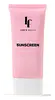
This chemical sunscreen covers most of the UV range, lighter on the deep UVA that drives aging.
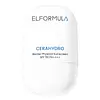
This hybrid sunscreen covers the full UV range and blocks ~98% of UVB at SPF 50.


What's inside
What's inside
 Key Ingredients
Benefits
Concerns
Ingredients Side-by-side
Water
Skin ConditioningGlycerin
Humectant


Coco-Caprylate/Caprate
Emollient
Sodium Acrylates Copolymer
Butyl Methoxydibenzoylmethane
UV Absorber
Ethylhexyl Methoxycinnamate
UV Absorber

Polymethylsilsesquioxane

Phenyl Methicone
Emollient
Hyaluronic Acid
Humectant

Tetrasodium EDTA
ChelatingAllantoin
Skin Conditioning

Lecithin
Emollient
Octocrylene
UV Absorber
Phospholipids
Skin Conditioning
Butylene Glycol
Humectant
Isononyl Isononanoate
EmollientCaprylic/Capric Triglyceride
Masking
Hydrogenated Lecithin
Emulsifying
Cholesterol
Emollient
Bisabolol
Antioxidant
Silanetriol
Tocopheryl Acetate
Antioxidant

Hydrogenated Polydecene
EmollientHydroxystearic Acid
Cleansing

Sodium Polyacryloyldimethyl Taurate
Emulsion StabilisingTrideceth-10
CleansingCyclopentasiloxane
Emollient
Dimethicone/Vinyl Dimethicone Crosspolymer
Skin Conditioning
Pentylene Glycol
Skin Conditioning
1,2-Hexanediol
Skin Conditioning
Propylene Glycol
Humectant
Phenoxyethanol
Preservative
Sodium Benzoate
Masking
Parfum
Masking

Ethylhexylglycerin
Skin ConditioningTrehalose
Humectant
Centella Asiatica Extract
Cleansing
Honey Extract
Humectant
Ophiopogon Japonicus Root Extract
Skin ConditioningOpuntia Ficus-Indica Stem Extract
Skin Conditioning
Helianthus Annuus Sprout Extract
Skin ConditioningCaesalpinia Spinosa Fruit Pod Extract
Sophora Flavescens Root Extract
Antioxidant
Water, Glycerin, Coco-Caprylate/Caprate, Sodium Acrylates Copolymer, Butyl Methoxydibenzoylmethane, Ethylhexyl Methoxycinnamate, Polymethylsilsesquioxane, Phenyl Methicone, Hyaluronic Acid, Tetrasodium EDTA, Allantoin, Lecithin, Octocrylene, Phospholipids, Butylene Glycol, Isononyl Isononanoate, Caprylic/Capric Triglyceride, Hydrogenated Lecithin, Cholesterol, Bisabolol, Silanetriol, Tocopheryl Acetate, Hydrogenated Polydecene, Hydroxystearic Acid, Sodium Polyacryloyldimethyl Taurate, Trideceth-10, Cyclopentasiloxane, Dimethicone/Vinyl Dimethicone Crosspolymer, Pentylene Glycol, 1,2-Hexanediol, Propylene Glycol, Phenoxyethanol, Sodium Benzoate, Parfum, Ethylhexylglycerin, Trehalose, Centella Asiatica Extract, Honey Extract, Ophiopogon Japonicus Root Extract, Opuntia Ficus-Indica Stem Extract, Helianthus Annuus Sprout Extract, Caesalpinia Spinosa Fruit Pod Extract, Sophora Flavescens Root Extract
Water
Skin ConditioningZinc Oxide
Cosmetic Colorant
Propanediol
Solvent
Butyloctyl Salicylate
Skin Conditioning
Centella Asiatica Leaf Water
Skin Conditioning
Propylheptyl Caprylate
EmollientCoco-Caprylate/Caprate
Emollient
Cyclohexasiloxane
Emollient
Isododecane
EmollientCaprylyl Methicone
Skin Conditioning
Polyglyceryl-3 Polydimethylsiloxyethyl Dimethicone
Skin Conditioning
Methyl Trimethicone
Skin Conditioning
Glyceryl Glucoside
Humectant
Panthenol
Skin Conditioning
Disteardimonium Hectorite
StabilisingTitanium Dioxide
Cosmetic Colorant
Magnesium Sulfate
Methyl Methacrylate Crosspolymer
Lauryl Polyglyceryl-3 Polydimethylsiloxyethyl Dimethicone
Skin Conditioning
Triethylhexanoin
Masking1,2-Hexanediol
Skin Conditioning
Allantoin
Skin Conditioning
Polyglyceryl-2 Dipolyhydroxystearate
Skin Conditioning
Polymethylsilsesquioxane
Glycerin
Humectant
Triethoxycaprylylsilane
Glyceryl Caprylate
EmollientLauryl Dimethicone/Polyglycerin-3 Crosspolymer
Cleansing
Caprylyl Glycol
Emollient
Hydroxyacetophenone
Antioxidant
Dimethicone
Emollient
Aluminum Hydroxide
EmollientStearic Acid
Cleansing
Dipropylene Glycol
HumectantTremella Fuciformis Extract
Humectant
Tocopherol
Antioxidant
Ascorbyl Glucoside
Antioxidant
Sodium Citrate
BufferingEthylhexylglycerin
Skin ConditioningMagnesium Chloride
Calcium Gluconate
HumectantPyridoxine Hcl
Skin ConditioningHydrogenated Lecithin
Emulsifying
Cetearyl Alcohol
Emollient
Yeast Extract
Skin ConditioningCyanocobalamin
Skin ConditioningButylene Glycol
Humectant
Ceramide NP
Skin Conditioning
Ceramide Ns
Skin Conditioning
Beta-Glucan
Skin Conditioning
Cholesterol
Emollient
Phytosphingosine
Skin Conditioning
Ceramide AP
Skin Conditioning
Ceramide As
Skin Conditioning
Lespedeza Capitata Leaf/Stem Extract
Skin ConditioningHouttuynia Cordata Extract
Skin Conditioning
Ceramide EOP
Skin Conditioning
Water, Zinc Oxide, Propanediol, Butyloctyl Salicylate, Centella Asiatica Leaf Water, Propylheptyl Caprylate, Coco-Caprylate/Caprate, Cyclohexasiloxane, Isododecane, Caprylyl Methicone, Polyglyceryl-3 Polydimethylsiloxyethyl Dimethicone, Methyl Trimethicone, Glyceryl Glucoside, Panthenol, Disteardimonium Hectorite, Titanium Dioxide, Magnesium Sulfate, Methyl Methacrylate Crosspolymer, Lauryl Polyglyceryl-3 Polydimethylsiloxyethyl Dimethicone, Triethylhexanoin, 1,2-Hexanediol, Allantoin, Polyglyceryl-2 Dipolyhydroxystearate, Polymethylsilsesquioxane, Glycerin, Triethoxycaprylylsilane, Glyceryl Caprylate, Lauryl Dimethicone/Polyglycerin-3 Crosspolymer, Caprylyl Glycol, Hydroxyacetophenone, Dimethicone, Aluminum Hydroxide, Stearic Acid, Dipropylene Glycol, Tremella Fuciformis Extract, Tocopherol, Ascorbyl Glucoside, Sodium Citrate, Ethylhexylglycerin, Magnesium Chloride, Calcium Gluconate, Pyridoxine Hcl, Hydrogenated Lecithin, Cetearyl Alcohol, Yeast Extract, Cyanocobalamin, Butylene Glycol, Ceramide NP, Ceramide Ns, Beta-Glucan, Cholesterol, Phytosphingosine, Ceramide AP, Ceramide As, Lespedeza Capitata Leaf/Stem Extract, Houttuynia Cordata Extract, Ceramide EOP
Reviews
Ingredients Explained
These ingredients are found in both products.
Ingredients higher up in an ingredient list are typically present in a larger amount.
1,2-Hexanediol is a synthetic liquid and another multi-functional powerhouse.
It is a:
- Humectant, drawing moisture into the skin
- Emollient, helping to soften skin
- Solvent, dispersing and stabilizing formulas
- Preservative booster, enhancing the antimicrobial activity of other preservatives
Allantoin is a soothing ingredient known for its protective and moisturizing properties; it's basically a quiet workhorse ingredient you can find in a huge range of cosmetics.
Though it can be derived from the comfrey plant, allantoin is produced synthetically for cosmetic products to ensure purity.
Research shows it can encourage your skin cells to turn over and renew by stimulating keratinocyte and fibroblast proliferation.
It also has mild keratolytic properties to help loosen and shed dead skin cells without being harsh.
Studies also suggest allantoin can help calm inflammation by dialing down some of the chemical signals your skin sends out when it is irritated.
This ingredient is typically used in the 0.1-0.5% range, and the FDA recognizes it as a skin protectant in OTC products up to 2%.
Overall, allantoin is a wonderful addition to most routines; it is stable across a wide pH range (~4-8), works well with other ingredients, and is considered non-sensitizing/non-irritating.
Fun fact: Allantoin is naturally occurring in comfrey root, beets, chamomile, and wheat sprouts. Our bodies even produce it as a byproduct of uric acid metabolism.
Learn more about AllantoinButylene Glycol (or BG) is used within cosmetic products for a few different reasons:
Overall, Butylene Glycol is a safe and well-rounded ingredient that works well with other ingredients.
Though this ingredient works well with most skin types, some people with sensitive skin may experience a reaction such as allergic rashes, closed comedones, or itchiness.
Learn more about Butylene GlycolCholesterol is a lipid that is naturally found in human skin and is one of the three key components of your skin barrier. In skincare, it is an emollient and barrier-repairing ingredient.
It works by fitting directly into the lipid layers of skin to help restore structure and reduce transepidermal water loss (TEWL).
This is a great ingredient for dry, compromised, or aging skin; our skin starts to produce less cholesterol with age.
Research shows cholesterol works best in combination with ceramides and fatty acids, the other two major components in your skin barrier.
Cholesterol is also a well-establish penetration enhancer and can help other actives absorb more effectively.
Cosmetic-grade cholesterol is usually derived from lanolin but plant and synthetic options also exist. We recommend reaching out to the brand if you have questions about their source of cholesterol.
Learn more about CholesterolCoco-Caprylate/Caprate is a lightweight ester created from coconut oil fatty acids, caprylic acid, and capric acid.
It is an emollient that helps soften skin and reduce transepidermal water loss (TEWL). What sets it apart from heavier emollients is its ultralight, non-greasy feel.
Once applied, this ingredient dries down quickly and leaves a dry, silky finish behind. This also helps improve spreadability and texture.
This ingredient has an excellent safety-record and is non-irritating.
Typical concentrations for cosmetics range from 0.5-62%.
Research on Malassezia growth found no growth on fatty acid esters with chain lengths shorter than 12 carbons (it prefers C11-24).
Since Coco-Caprylate/Caprate is built on C8 and C10 fatty acids, it is out of the range that Malassezia metabolizes, and therefore safe for fungal acne.
Learn more about Coco-Caprylate/CaprateEthylhexylglycerin is created from glycerin. It is a multitasker ingredient that:
The CIR Expert Panel found minimal skin absorption or sensitization of any kind in a safety assessment. Though this ingredient is considered well-tolerated, a small number of cases of allergic dermatitis have been published since 2002. Just be sure to patch test if you are unsure.
Industry-reported use ranges from 8% in rinse-off products and 2% in leave-on formulations.
Learn more about EthylhexylglycerinGlycerin (or glycerol) is a compound naturally found in your skin. It's a powerhouse humectant that pulls water into the stratum corneum.
Topically, glycerin does several things at once:
Your skin makes glycerin on its own (mostly from sebaceous oil breakdown) and shuttles it to your outermost layer of skin, or your epidermis, via aquaporin-3.
Aquaporin-3 is a transporter that is essential for normal skin hydration, elasticity, and repair. Interestingly, mice lacking in AQP3 have dry and less elastic skin that can be fully corrected with glycerin.
This ingredient is non-irritating, plays well with almost every ingredient, and works across all skin types. Typical use is anywhere between 3-10% but can go up to 79% in some leave-on products.
Just know very high concentrations (>40%) can feel tacky in low humidity.
Glycerin is the name for this ingredient in American English. British English uses Glycerol/Glycerine.
Learn more about GlycerinHydrogenated Lecithin is a more stable version of lecithin.
It's made by taking lecithin (a phospholipid commonly found in soybeans and egg yolks) and hydrogenating it. This just means the unsaturated fatty acids are turned into saturated ones so they don't go bad as easily.
This ingredient is an emollient, emulsifier, and penetration enhancer. As an emollient, it helps soften and hydrate skin by trapping moisture within. As an emulsifier, it prevents oil and water ingredients from separating.
Hydrogenated Lecithin can form tiny spherical structures made of phospholipid bilayers called liposomes. These liposomes are able to capture compounds inside their structure and deliver them through the skin barrier.
Because phospholipids are a natural component of our cell membranes, this ingredient is inherently compatible with skin.
A 2021 study found lecithin-based surfactants were less harsh and more tolerable comared to Sodium Lauryl Sulfate (SLS).
Learn more about Hydrogenated LecithinPolymethylsilsesquioxane is a silicone used as a film forming agent.
When applied to the skin, this ingredient creates an invisible film on the surface. This film still allows oxygen to pass through, but prevents moisture from escaping. This can help condition and hydrate the skin. It also leaves a silky feel when applied.
Polymethylsilsesquioxane has not been shown to clog pores. It has been deemed safe to use up to 55%, but most cosmetics use much less.
If you have concerns about using this ingredient, we recommend speaking with a professional.
Learn more about PolymethylsilsesquioxaneWater. It's the most common cosmetic ingredient of all. You'll usually see it at the top of ingredient lists, meaning that it makes up the largest part of the product.
So why is it so popular? Water most often acts as a solvent - this means that it helps dissolve other ingredients into the formulation.
You'll also recognize water as that liquid we all need to stay alive. If you see this, drink a glass of water. Remember to stay hydrated!
Learn more about Water

