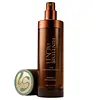
This brightening serum is formulated around Niacinamide and Tetrahexyldecyl Ascorbate to brighten dull-looking skin and soften the look of wrinkles.
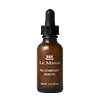
This anti-aging serum is formulated around Galactomyces Ferment Filtrate and Palmitoyl Tripeptide-5 to soften the look of wrinkles and hydrate skin.

What's inside
What's inside
 Key Ingredients
Benefits
Concerns
Ingredients Side-by-side
Water
Skin ConditioningC12-15 Alkyl Benzoate
AntimicrobialNiacinamide
Smoothing











Butylene Glycol
Humectant
Caprylic/Capric Triglyceride
Masking
Simmondsia Chinensis Seed Oil
Emollient


Propanediol
Solvent
Brassica Campestris/Aleurites Fordi Oil Copolymer
Skin Conditioning
Dicaprylyl Ether
Emollient
Phenyl Trimethicone
Skin Conditioning
Tetrahexyldecyl Ascorbate
Antioxidant

Squalane
Emollient
Glycerin
Humectant
Lauryl Glucoside
CleansingAscorbyl Glucoside
Antioxidant
Acetyl Sh-Hexapeptide-5 Amide Acetate
Skin Conditioning
Alanine
Masking
Anhydroxylitol
Humectant
Aspartic Acid
Masking
Centella Asiatica Leaf Vesicles
Gentiana Lutea Root Extract
Skin ConditioningHistidine
Humectant
Isoleucine
Skin ConditioningPalmitoyl Tetrapeptide-72 Amide
Skin Conditioning
PCA
Humectant
Phenylalanine
Masking
Polyglyceryl-6 Laurate
Emulsifying
Serine
Masking
Sodium DNA
Skin Conditioning
Sodium Gluconate
ChelatingSphingomonas Ferment Extract
Skin Conditioning
Threonine
Valine
MaskingXylitylglucoside
Humectant
Hydroxyacetophenone
Antioxidant
Tocopherol
Antioxidant
Sodium Citrate
BufferingCaprylhydroxamic Acid
ChelatingDimethicone
Emollient
C12-20 Alkyl Glucoside
EmulsifyingSodium Lauroyl Lactylate
EmulsifyingC14-22 Alcohols
Emulsion Stabilising
Carbomer
Emulsion StabilisingHydroxyethyl Acrylate/Sodium Acryloyldimethyl Taurate Copolymer
Emulsion StabilisingXanthan Gum
EmulsifyingCaprylyl Glycol
Emollient
Sodium Hyaluronate
Humectant
Sodium Lactate
Buffering
Sodium PCA
Humectant
Xylitol
Humectant
Citric Acid
Buffering
Sodium Hydroxide
BufferingPhenoxyethanol
Preservative
Arginine
Masking
Ceramide AP
Skin Conditioning
Ceramide EOP
Skin Conditioning
Ceramide NP
Skin Conditioning
Cholesterol
Emollient
Dipotassium Glycyrrhizate
Humectant
Ethylhexylglycerin
Skin ConditioningGlycine
Buffering
Hydrogenated Lecithin
Emulsifying
Phytosphingosine
Skin Conditioning
Proline
Skin Conditioning
1,2-Hexanediol
Skin Conditioning
Polysorbate 60
Emulsifying
Polyacrylate Crosspolymer-6
Emulsion StabilisingWater, C12-15 Alkyl Benzoate, Niacinamide, Butylene Glycol, Caprylic/Capric Triglyceride, Simmondsia Chinensis Seed Oil, Propanediol, Brassica Campestris/Aleurites Fordi Oil Copolymer, Dicaprylyl Ether, Phenyl Trimethicone, Tetrahexyldecyl Ascorbate, Squalane, Glycerin, Lauryl Glucoside, Ascorbyl Glucoside, Acetyl Sh-Hexapeptide-5 Amide Acetate, Alanine, Anhydroxylitol, Aspartic Acid, Centella Asiatica Leaf Vesicles, Gentiana Lutea Root Extract, Histidine, Isoleucine, Palmitoyl Tetrapeptide-72 Amide, PCA, Phenylalanine, Polyglyceryl-6 Laurate, Serine, Sodium DNA, Sodium Gluconate, Sphingomonas Ferment Extract, Threonine, Valine, Xylitylglucoside, Hydroxyacetophenone, Tocopherol, Sodium Citrate, Caprylhydroxamic Acid, Dimethicone, C12-20 Alkyl Glucoside, Sodium Lauroyl Lactylate, C14-22 Alcohols, Carbomer, Hydroxyethyl Acrylate/Sodium Acryloyldimethyl Taurate Copolymer, Xanthan Gum, Caprylyl Glycol, Sodium Hyaluronate, Sodium Lactate, Sodium PCA, Xylitol, Citric Acid, Sodium Hydroxide, Phenoxyethanol, Arginine, Ceramide AP, Ceramide EOP, Ceramide NP, Cholesterol, Dipotassium Glycyrrhizate, Ethylhexylglycerin, Glycine, Hydrogenated Lecithin, Phytosphingosine, Proline, 1,2-Hexanediol, Polysorbate 60, Polyacrylate Crosspolymer-6
Galactomyces Ferment Filtrate
Humectant
Sodium Hyaluronate
Humectant
Oryza Sativa Bran Water
Masking
Hyaluronic Acid
Humectant
Zinc Hydrolyzed Hyaluronate
HumectantHydroxypropyltrimonium Hyaluronate
Sodium Hyaluronate Dimethylsilanol
HumectantSodium Hyaluronate Crosspolymer
Humectant
C12-13 Alkyl Glyceryl Hydrolyzed Hyaluronate
Hydrolyzed Hyaluronic Acid
Humectant
Sodium Acetylated Hyaluronate
Humectant
Ascorbyl Propyl Hyaluronate
Skin Conditioning
Palmitoyl Tripeptide-5
Skin Conditioning
Acetyl Octapeptide-3
Humectant
Nonapeptide-1
Skin Conditioning
Hydrolyzed Rice Protein
Skin ConditioningDipeptide Diaminobutyroyl Benzylamide Diacetate
Skin Conditioning
Palmitoyl Tetrapeptide-7
Skin Conditioning
Palmitoyl Tripeptide-1
Skin Conditioning
Tranexamic Acid
Astringent
Niacinamide
Smoothing
Magnesium Ascorbyl Phosphate
Antioxidant
Ceramide Ns
Skin Conditioning
Superoxide Dismutase
Antioxidant
Propanediol
Solvent
Phospholipids
Skin Conditioning
Lysolecithin
EmulsifyingTocotrienols
Skin Conditioning
Glucosamine Hcl
Enteromorpha Compressa Extract
Skin Protecting

Bambusa Vulgaris Leaf/Stem Extract
HumectantCitrullus Lanatus Seed Oil
Emollient
Yeast Extract
Skin ConditioningSaccharomyces Ferment Filtrate
Humectant
Saccharomyces Lysate Extract
Humectant
Pisum Sativum Extract
Skin ConditioningAdansonia Digitata Seed Oil
Emollient
Beta-Glucan
Skin Conditioning
Adansonia Digitata Fruit Extract
EmollientAloe Barbadensis Leaf Juice
Skin Conditioning
Simmondsia Chinensis Seed Oil
Emollient
Pullulan
Sclerotium Gum
Emulsion StabilisingOryza Sativa Bran Oil
Emollient
Glyceryl Oleate Citrate
Emulsifying
Rosmarinus Officinalis Leaf Extract
AntimicrobialTocopherol
Antioxidant
Xanthan Gum
EmulsifyingSodium Citrate
BufferingSodium Phytate
ChelatingParfum
Masking

Caprylyl Glycol
Emollient
Ethylhexylglycerin
Skin ConditioningUndecylenoyl Glycine
CleansingCapryloyl Glycine
CleansingGalactomyces Ferment Filtrate, Sodium Hyaluronate, Oryza Sativa Bran Water, Hyaluronic Acid, Zinc Hydrolyzed Hyaluronate, Hydroxypropyltrimonium Hyaluronate, Sodium Hyaluronate Dimethylsilanol, Sodium Hyaluronate Crosspolymer, C12-13 Alkyl Glyceryl Hydrolyzed Hyaluronate, Hydrolyzed Hyaluronic Acid, Sodium Acetylated Hyaluronate, Ascorbyl Propyl Hyaluronate, Palmitoyl Tripeptide-5, Acetyl Octapeptide-3, Nonapeptide-1, Hydrolyzed Rice Protein, Dipeptide Diaminobutyroyl Benzylamide Diacetate, Palmitoyl Tetrapeptide-7, Palmitoyl Tripeptide-1, Tranexamic Acid, Niacinamide, Magnesium Ascorbyl Phosphate, Ceramide Ns, Superoxide Dismutase, Propanediol, Phospholipids, Lysolecithin, Tocotrienols, Glucosamine Hcl, Enteromorpha Compressa Extract, Bambusa Vulgaris Leaf/Stem Extract, Citrullus Lanatus Seed Oil, Yeast Extract, Saccharomyces Ferment Filtrate, Saccharomyces Lysate Extract, Pisum Sativum Extract, Adansonia Digitata Seed Oil, Beta-Glucan, Adansonia Digitata Fruit Extract, Aloe Barbadensis Leaf Juice, Simmondsia Chinensis Seed Oil, Pullulan, Sclerotium Gum, Oryza Sativa Bran Oil, Glyceryl Oleate Citrate, Rosmarinus Officinalis Leaf Extract, Tocopherol, Xanthan Gum, Sodium Citrate, Sodium Phytate, Parfum, Caprylyl Glycol, Ethylhexylglycerin, Undecylenoyl Glycine, Capryloyl Glycine
Ingredients Explained
These ingredients are found in both products.
Ingredients higher up in an ingredient list are typically present in a larger amount.
Caprylyl Glycol is a humectant, skin conditioner, emollient, and preservative booster derived from either caprylic acid or synthetically created.
Typical use levels vary from 0.3-1% as a preservative booster and go up to 2% to condition skin.
Because it is not a free-fatty acid, this ingredient is fungal acne safe (there's nothing for Malassezia to feed on).
Learn more about Caprylyl GlycolEthylhexylglycerin is created from glycerin. It is a multitasker ingredient that:
The CIR Expert Panel found minimal skin absorption or sensitization of any kind in a safety assessment. Though this ingredient is considered well-tolerated, a small number of cases of allergic dermatitis have been published since 2002. Just be sure to patch test if you are unsure.
Industry-reported use ranges from 8% in rinse-off products and 2% in leave-on formulations.
Learn more about EthylhexylglycerinNiacinamide is a multitasking form of vitamin B3 that strengthens the skin barrier, reduces pores and dark spots, regulates oil, and improves signs of aging.
And the best part? It's gentle and well-tolerated by most skin types, including sensitive and reactive skin.
You might have heard of "niacin flush", or the reddening of skin that causes itchiness. Niacinamide has not been found to cause this.
In very rare cases, some individuals may not be able to tolerate niacinamide at all or experience an allergic reaction to it.
If you are experiencing flaking, irritation, and dryness with this ingredient, be sure to double check all your products as this ingredient can be found in all categories of skincare.
When incorporating niacinamide into your routine, look out for concentration amounts. Typically, 5% niacinamide provides benefits such as fading dark spots. However, if you have sensitive skin, it is better to begin with a smaller concentration.
When you apply niacinamide to your skin, your body converts it into nicotinamide adenine dinucleotide (NAD). NAD is an essential coenzyme that is already found in your cells as "fuel" and powers countless biological processes.
In your skin, NAD helps repair cell damage, produce new healthy cells, support collagen production, strengthen the skin barrier, and fight environmental stressors (like UV and pollution).
Our natural NAD levels start to decline with age, leading to slower skin repair, visible aging, and a weaker skin barrier. By providing your skin niacinamide, you're recharging your skin's NAD levels. This leads to stronger, healthier, and younger looking skin.
Another name for vitamin B3 is nicotinamide. This vitamin is water-soluble and our bodies don't store it. We obtain Vitamin B3 from either food or skincare. Meat, fish, wheat, yeast, and leafy greens contain vitamin B3.
The type of niacinamide used in skincare is synthetically created.
Learn more about NiacinamidePropanediol is an all-star ingredient. It softens, hydrates, and smooths the skin.
It’s often used to:
Propanediol is not likely to cause sensitivity and considered safe to use. It is derived from corn or petroleum with a clear color and no scent.
Learn more about PropanediolJojoba oil is one of the most well-studied plant-derived ingredients in cosmetics. It is an emollient with a special structure.
Because it is made up of 97-98% wax esters, it closely mirrors the linear monoesters found in human sebum. This makes it skin compatible, non-greasy, and lightweight.
Unlike other plant oils, jojoba wax doesn't easily penetrate skin. It mostly works in the uppermost layers as an emollient. This just means it forms a light barrier on the skin to help retain moisture.
Formulations with jojoba esters up to 90% reduced transepidermal water loss (TEWL) and increased barrier recovery by 81% (outperforming bisabolol at 47%).
Besides barrier support, the science also suggests jojoba to have anti-inflammatory effects and potential applications for skin infections, aging, and wound healing.
Fun fact: Indigenous cultures have used jojoba as a moisturizer and to help treat burns for centuries.
Fungal acne: The Malassezia yeast is known to metabolize fatty acids in the C11-24 range and jojoba's dominant fatty acid components fall into this range. This ingredient may not be fungal acne safe.
Learn more about Simmondsia Chinensis Seed OilSodium Citrate is the sodium salts of citric acid. In skincare, it is used to alter pH levels and acts as a preservative.
Its main functions are to maintain the pH of a product and neutralize metal ions.
The acidity of our skin is maintained by our glands and skin biome; normal pH level of skin is slightly acidic (~4.75-5.5).
Being slightly acidic allows our skin to create an "acid mantle". This acid mantle is a thin barrier that protects our skin from bacteria and contaminants.
Learn more about Sodium CitrateSodium Hyaluronate is the salt form of hyaluronic acid. It is a long sugar chain that is naturally found in your skin, joints, and connective tissue that maintains hydration and elasticity.
In skincare, it works as a humectant. It pulls water from the environment and deeper layers of skin and binds it to the surface.
Interestingly, the size of the molecule affects its behavior:
Some clinical evidence links low molecular weight versions to improved wrinkle depth, elasticity, anti-inflammatory effects, and barrier repair.
Many serums use a blend of both weights so you can get surface hydration plus longer-lasting and deeper effects.
You'll typically see concentrations between 0.1-2% for this ingredient.
Learn more about Sodium HyaluronateTocopherol is a fat-soluble antioxidant known as Vitamin E.
You'll find this ingredient in the vast majority of skincare (for good reason). It works to neutralize free radicals, or unstable molecules generated by UV exposure, pollution, and other environmental stressors, before they can cause oxidative damage to your skin cells.
Topically applied tocopherol has been shown to protect against UV damage by ramping up the skin's own natural defense enzymes.
It also acts as a skin conditioning agent; some studies show that regular topical use can improve the skin's water-binding capacity over 2-4 weeks.
This ingredient is especially loved for being a team player. When combined with Vitamin C, the photoprotective effect of both ingredients roughly doubles and the combo also helps reduce UV-induced DNA damage.
This ingredient has some brightening potential but it's more of a prevention ingredient than spot-fader. Cell studies show it can slow down melanin production but it's worth noting that it's not the most powerful brightener out there.
In formulations, it also serves as a stabilizer that helps protect other oxidation-prone ingredients from degrading.
Concentrations usually range from 0.1-1% in most leave-on products.
Learn more about TocopherolXanthan gum is used as a stabilizer and thickener within cosmetic products. It helps give products a sticky, thick feeling - preventing them from being too runny.
On the technical side of things, xanthan gum is a polysaccharide - a combination consisting of multiple sugar molecules bonded together.
Xanthan gum is a pretty common and great ingredient. It is a natural, non-toxic, non-irritating ingredient that is also commonly used in food products.
Learn more about Xanthan Gum

