This chemical sunscreen covers most of the UV range, lighter on the deep UVA that drives aging.
This chemical sunscreen covers most of the UV range, lighter on the deep UVA that drives aging.


What's inside
What's inside
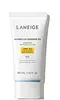 Key Ingredients
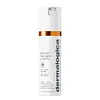
Benefits
Concerns
Ingredients Side-by-side
Water
Skin ConditioningPropanediol
Solvent

Octocrylene
UV Absorber



Homosalate
Skin Conditioning
Ethylhexyl Salicylate
UV Absorber
Butyloctyl Salicylate
Skin Conditioning
Glycerin
Humectant
Butyl Methoxydibenzoylmethane
UV Absorber
Diphenylsiloxy Phenyl Trimethicone
Skin Conditioning
Silica
Abrasive


Phenyl Trimethicone
Skin Conditioning
Caprylyl Methicone
Skin Conditioning
Behenyl Alcohol
Emollient
Vp/Eicosene Copolymer
Trimethylsiloxysilicate
Emollient
C14-22 Alcohols
Emulsion Stabilising
Glyceryl Stearate
Emollient

PEG-100 Stearate
Surfactant
1,2-Hexanediol
Skin Conditioning
Cetyl Alcohol
Emollient
Potassium Cetyl Phosphate
EmulsifyingPolyacrylate-13
Polyisobutene
C12-20 Alkyl Glucoside
EmulsifyingEthylhexylglycerin
Skin ConditioningParfum
Masking

Disodium EDTA
ChelatingPolysorbate 20
Emulsifying
Sorbitan Isostearate
Emulsifying
Lavandula Angustifolia Flower Water
Skin Conditioning
Butylene Glycol
Humectant
Aloe Barbadensis Leaf Extract
Emollient

Pentylene Glycol
Skin Conditioning
Centella Asiatica Flower/Leaf/Stem Extract
Skin Conditioning
Brassica Oleracea Italica Extract
AstringentHibiscus Abelmoschus Extract
MaskingTocopherol
Antioxidant




Magnesium Sulfate
Calcium Chloride
AstringentXanthan Gum
EmulsifyingCitric Acid
Buffering
Sodium Benzoate
Masking
Potassium Sorbate
Preservative
Manganese Sulfate
Skin ConditioningChenopodium Quinoa Seed Extract
Skin Conditioning
Zinc Sulfate
Antimicrobial
Ascorbyl Glucoside
Antioxidant
Water, Propanediol, Octocrylene, Homosalate, Ethylhexyl Salicylate, Butyloctyl Salicylate, Glycerin, Butyl Methoxydibenzoylmethane, Diphenylsiloxy Phenyl Trimethicone, Silica, Phenyl Trimethicone, Caprylyl Methicone, Behenyl Alcohol, Vp/Eicosene Copolymer, Trimethylsiloxysilicate, C14-22 Alcohols, Glyceryl Stearate, PEG-100 Stearate, 1,2-Hexanediol, Cetyl Alcohol, Potassium Cetyl Phosphate, Polyacrylate-13, Polyisobutene, C12-20 Alkyl Glucoside, Ethylhexylglycerin, Parfum, Disodium EDTA, Polysorbate 20, Sorbitan Isostearate, Lavandula Angustifolia Flower Water, Butylene Glycol, Aloe Barbadensis Leaf Extract, Pentylene Glycol, Centella Asiatica Flower/Leaf/Stem Extract, Brassica Oleracea Italica Extract, Hibiscus Abelmoschus Extract, Tocopherol, Magnesium Sulfate, Calcium Chloride, Xanthan Gum, Citric Acid, Sodium Benzoate, Potassium Sorbate, Manganese Sulfate, Chenopodium Quinoa Seed Extract, Zinc Sulfate, Ascorbyl Glucoside
Butyl Methoxydibenzoylmethane 3%
UV Absorber
Homosalate 7%
Skin Conditioning
Ethylhexyl Salicylate 5%
UV Absorber
Octocrylene 10%
UV Absorber
Water
Skin ConditioningCarthamus Tinctorius Oleosomes
Emollient
Propanediol
Solvent
Butyloctyl Salicylate
Skin Conditioning
Bentonite
Absorbent
Butylene Glycol
Humectant
Dibutyl Adipate
EmollientPolysorbate 80
Emulsifying
Physalis Pubescens Fruit Juice
Skin ConditioningC12-15 Alkyl Benzoate
AntimicrobialDiethylhexyl 2,6-Naphthalate
EmollientVp/Eicosene Copolymer
Aminopropyl Ascorbyl Phosphate
Antioxidant
Hydroxyacetophenone
Antioxidant
Dipotassium Glycyrrhizate
Humectant
Glycine Soja Oil
Emollient


Verbascum Thapsus Extract
Skin ConditioningCitrus Nobilis Peel Oil
Masking
Ricinus Communis Seed Oil
Masking
Daucus Carota Sativa Root Extract
Skin Conditioning
Citrus Aurantium Dulcis Fruit Extract
MaskingCitrus Paradisi Fruit Extract
Skin ConditioningGlycerin
Humectant
Citrus Aurantifolia Oil
Cleansing
Tocopherol
Antioxidant
Hydrogenated Lecithin
Emulsifying
Acrylates/C10-30 Alkyl Acrylate Crosspolymer
Emulsion StabilisingAllantoin
Skin Conditioning
Ascorbyl Methylsilanol Pectinate
Antioxidant
Beta-Carotene
Skin ConditioningCaprylic/Capric Triglyceride
Masking
Bisabolol
Antioxidant
Gluconolactone
Chelating

Lecithin
Emollient
Boron Nitride
Absorbent
Xanthan Gum
EmulsifyingMethylpropanediol
SolventSilica
Abrasive
Sodium Stearoyl Glutamate
CleansingPotassium Cetyl Phosphate
EmulsifyingTetrahydroxypropyl Ethylenediamine
ChelatingTrisodium Ethylenediamine Disuccinate
ChelatingCitric Acid
Buffering
Sodium Hydroxide
BufferingSodium Acrylates Copolymer
Sodium Benzoate
Masking
Potassium Sorbate
Preservative
Limonene
Perfuming
Citrus Species Peel Extract
Perfuming
Butyl Methoxydibenzoylmethane 3%, Homosalate 7%, Ethylhexyl Salicylate 5%, Octocrylene 10%, Water, Carthamus Tinctorius Oleosomes, Propanediol, Butyloctyl Salicylate, Bentonite, Butylene Glycol, Dibutyl Adipate, Polysorbate 80, Physalis Pubescens Fruit Juice, C12-15 Alkyl Benzoate, Diethylhexyl 2,6-Naphthalate, Vp/Eicosene Copolymer, Aminopropyl Ascorbyl Phosphate, Hydroxyacetophenone, Dipotassium Glycyrrhizate, Glycine Soja Oil, Verbascum Thapsus Extract, Citrus Nobilis Peel Oil, Ricinus Communis Seed Oil, Daucus Carota Sativa Root Extract, Citrus Aurantium Dulcis Fruit Extract, Citrus Paradisi Fruit Extract, Glycerin, Citrus Aurantifolia Oil, Tocopherol, Hydrogenated Lecithin, Acrylates/C10-30 Alkyl Acrylate Crosspolymer, Allantoin, Ascorbyl Methylsilanol Pectinate, Beta-Carotene, Caprylic/Capric Triglyceride, Bisabolol, Gluconolactone, Lecithin, Boron Nitride, Xanthan Gum, Methylpropanediol, Silica, Sodium Stearoyl Glutamate, Potassium Cetyl Phosphate, Tetrahydroxypropyl Ethylenediamine, Trisodium Ethylenediamine Disuccinate, Citric Acid, Sodium Hydroxide, Sodium Acrylates Copolymer, Sodium Benzoate, Potassium Sorbate, Limonene, Citrus Species Peel Extract
Reviews
Ingredients Explained
These ingredients are found in both products.
Ingredients higher up in an ingredient list are typically present in a larger amount.
Also known as Avobenzone, this ingredient is an oil-soluble used to absorb the full spectrum of UVA rays (peak 357 nm).
It's one of the most effective UVA filters available but has a major caveat of photostability: avobenzone is susceptible to photodegradation.
This means it can lose efficacy when exposed to sunlight without the help of a stabilizing agent.
Studies show antioxidants (like vitamin E or vitamin C) and some UV filters (like octocrylene and Tinosorb S) can meaningfully improve its stability in a formulation.
The maximum allowable concentration according to regulation is 3% in the US + Canada, and 5% in the EU, Australia, China, Korea, and ASEAN countries.
It has a well-support safety profile: a comprehensive 2025 review found minimal toxicity with no evidence of carcinogenicity.
Overall, avobenzone is a safe and regulated ingredient used in sunscreen for over 40 years.
Learn more about Butyl MethoxydibenzoylmethaneButylene Glycol (or BG) is used within cosmetic products for a few different reasons:
Overall, Butylene Glycol is a safe and well-rounded ingredient that works well with other ingredients.
Though this ingredient works well with most skin types, some people with sensitive skin may experience a reaction such as allergic rashes, closed comedones, or itchiness.
Learn more about Butylene GlycolButyloctyl Salicylate is a chemical UV filter structurally similar to octisalate. It is a photostabilizer, SPF booster, emollient and solvent. This ingredient helps evenly spread out ingredients.
According to a manufacturer, it is suitable for pairing with micro Titanium Dioxide, Zinc Oxide, and pigments.
Photostabilizers help stabilize UV-filters and prevents them from degrading quickly.
Learn more about Butyloctyl SalicylateCitric Acid is an alpha hydroxy acid (AHA) naturally found in citrus fruits like oranges, lemons, and limes.
Like other AHAs, citric acid can exfoliate skin by breaking down the bonds that hold dead skin cells together. This helps reveal smoother and brighter skin underneath.
However, this exfoliating effect only happens at high concentrations (20%) which can be hard to find in cosmetic products.
Due to this, citric acid is usually included in small amounts as a pH adjuster. This helps keep products slightly more acidic and compatible with skin's natural pH.
In skincare formulas, citric acid can:
While it can provide some skin benefits, research shows lactic acid and glycolic acid are generally more effective and less irritating exfoliants.
Most citric acid used in skincare today is made by fermenting sugars (usually from molasses). This synthetic version is identical to the natural citrus form but easier to stabilize and use in formulations.
Rosacea skin has a lower threshold for acids generally, with 62.5% of rosacea subjects in one study reacting to lactic acid in a sting test. This is why we mark citric acid as a potential rosacea trigger.
However, this ingredient shows up as a pH adjuster or chelator at roughly 0.1-1% in many products. These low levels are unlikely to be an issue for rosacea skin and becomes a potential trigger at exfoliating concentrations (20%). Because everybody's skin is unique, we recommend a patch test if you are unsure.
Learn more about Citric AcidEthylhexyl Salicylate (also called Octisalate or Octyl Salicylate) is an oil-soluble organic UV filter that's been used in sunscreen since the 1950's.
It absorbs UVB light in the 280-320 nm range with a peak absorbance around 306 nm.
You'll often see it paired with other UV filters to boost overall SPF because octisalate is a fairly week filter on its own.
The reason you'll see it so often is because it can help solubilize and stabilize the trickier filters like oxybenzone and avobenzone.
Unlike these filters, octisalate has pretty good photostability and doesn't create skin-damaging free radicals when exposed to sunlight.
The fatty-alcohol part of the molecule also gives it a light, emollient feel so it doubles as a nice texture enhancer.
Usage levels vary around the world:
Safety-wise, this ingredient has a pretty reassuring track record. The EU's Scientific Committee on Consumer Products (SCCP) found very low skin penetration in human skin tests and negative results for irritation, phototoxicity, and photoallergy.
The real-world allergy risk is pretty low too; a 2012 European study of 1,031 people recorded only 2 reactions to it (a rate of 0.19%).
You might have seen scary headlines about sunscreen getting into your blood.
In 2019, the FDA found that several chemical filters can absorb through the skin and show up in the bloodstream at small but measurable levels.
Here's the important part: these tiny levels are just a cutoff the FDA uses to decide which ingredients need more testing and doesn't mean anything harmful was found.
The researchers were clear that the results are no reason to stop wearing sunscreen.
Learn more about Ethylhexyl SalicylateGlycerin (or glycerol) is a compound naturally found in your skin. It's a powerhouse humectant that pulls water into the stratum corneum.
Topically, glycerin does several things at once:
Your skin makes glycerin on its own (mostly from sebaceous oil breakdown) and shuttles it to your outermost layer of skin, or your epidermis, via aquaporin-3.
Aquaporin-3 is a transporter that is essential for normal skin hydration, elasticity, and repair. Interestingly, mice lacking in AQP3 have dry and less elastic skin that can be fully corrected with glycerin.
This ingredient is non-irritating, plays well with almost every ingredient, and works across all skin types. Typical use is anywhere between 3-10% but can go up to 79% in some leave-on products.
Just know very high concentrations (>40%) can feel tacky in low humidity.
Glycerin is the name for this ingredient in American English. British English uses Glycerol/Glycerine.
Learn more about GlycerinHomosalate is an oil-soluble organic UVB filter that has been a sunscreen staple for decades. Its job is to absorb UVB rays (~295-315 nm) and protect your skin against sunburn,
This is one of the more photostable organic UV filters; it holds up pretty well under UV and a 2022 quantum-chemistry study found it stays stable in sunlight.
It's actually so reliable that formulators often pair it with shakier ingredients like oxybenzone and avobenzone. Formulators also use it to help dissolve the other UV filters into the oil phase.
One thing to keep in mind: "stable" isn't the same as "strong". On its own, homosalate is actually a pretty weak UV filter so it's better off as a helpful team player that helps boost overall SPF protection.
The safety picture is a bit nuanced but not scary.
This ingredient has a long track record of being gentle and regulators agree it isn't an irritant; EU's Scientific Committee on Consumer Safety found that homosalate is not considered a skin irritant and doesn't raise eye-irritation flags either.
There's talk about homosalate because your skin absorbs a little bit of it into your bloodstream. A 2020 FDA-backed study found homosalate showed up in people's blood levels at the level where the FDA decides to double check.
The EU's Scientific Committee on Consumer Safety (SCCS) also found small amounts in blood and breast milk. They estimated that about 5% of what you apply gets absorbed through the skin.
Due to the debate about whether it might mess with hormones, the SCCS recommended a maximum limit of 0.5% in most products of 7.3% in face creams/pump sprays.
One important thing to keep in mind: in the US, Homosalate is currently labeled "non-GRASE" by the FDA. This sounds alarming but really just means the FDA wants more data to confirm it's safe. It's not confidently saying this ingredient is harmful.
As of now, homosalate is still completely legal and widely used while that research gets done.
The current maximum limits are:
Learn more about HomosalateOctocrylene is an oil-soluble organic UV filter that mainly absorbs UVB and short wave UVA II light.
Its real superpower is teamwork: octocrylene is remarkably photostable and is most famous for stabilizing avobenzone (the workhorse UVA filter).
This ingredient is commonly used to enhance both UVB and UVA protection due to its unique property in stabilizing avobenzone. It also pulls double duty by boosting water resistance and giving formulas a smooth, spreadable feel.
The EU's Scientific Committee on Consumer Safety (SCCS) has deemed octocrylene to be safe as a UV-filter at concentrations up to 10% (capped at 9% in propellant sprays). The US also permits it up to 10%.
Two things worth knowing:
You'll usually see this ingredient used in concentrations between 2-10% (higher amounts when used as a stabilizer for avobenzone).
Learn more about OctocrylenePotassium Cetyl Phosphate is the potassium salt of a mixture. This mixture consists of the esters from phosphoricacid and cetyl alcohol.
Potassium Cetyl Phosphate is an emulsifier and cleansing agent. Emulsifiers help stabilize a product. It does this by preventing certain ingredients from separating.
As a cleansing agent, Potassium Cetyl Phosphate helps gather oils, dirts, and pollutants from your skin. This makes it easier to rinse them away with water.
Learn more about Potassium Cetyl PhosphatePotassium Sorbate is a preservative used to prevent yeast and mold in products. It is commonly found in both cosmetic and food products.
This ingredient comes from potassium salt derived from sorbic acid. Sorbic acid is a natural antibiotic and effective against fungus.
Both potassium sorbate and sorbic acid can be found in baked goods, cheeses, dried meats, dried fruit, ice cream, pickles, wine, yogurt, and more.
You'll often find this ingredient used with other preservatives.
Learn more about Potassium SorbatePropanediol is an all-star ingredient. It softens, hydrates, and smooths the skin.
It’s often used to:
Propanediol is not likely to cause sensitivity and considered safe to use. It is derived from corn or petroleum with a clear color and no scent.
Learn more about PropanediolSilica, also known as silicon dioxide, is a naturally occurring mineral. It is used as a fine, spherical, and porous powder in cosmetics.
Though it has exfoliant properties, the function of silica varies depending on the product.
The unique structure of silica enhances the spreadability and adds smoothness, making it a great texture enhancer.
It is also used as an active carrier, emulsifier, and mattifier due to its ability to absorb excess oil.
In some products, tiny microneedles called spicules are made from silica or hydrolyzed sponge. When you rub them in, they lightly polish away dead skin layers and enhance the penetration of active ingredients.
Learn more about SilicaSodium Benzoate is a preservative. It's used in both cosmetic and food products to inhibit the growth of mold and bacteria. It is typically produced synthetically.
Both the US FDA and EU Health Committee have approved the use of sodium benzoate. In the US, levels of 0.1% (of the total product) are allowed.
Sodium benzoate works as a preservative by inhibiting the growth of bacteria inside of cells. It prevents the cell from fermenting a type of sugar using an enzyme called phosphofructokinase.
It is the salt of benzoic acid. Foods containing sodium benzoate include soda, salad dressings, condiments, fruit juices, wines, and snack foods.
Studies for using ascorbic acid and sodium benzoate in cosmetics are lacking, especially in skincare routines with multiple steps.
We always recommend speaking with a professional, such as a dermatologist, if you have any concerns.
Learn more about Sodium BenzoateTocopherol is a fat-soluble antioxidant known as Vitamin E.
You'll find this ingredient in the vast majority of skincare (for good reason). It works to neutralize free radicals, or unstable molecules generated by UV exposure, pollution, and other environmental stressors, before they can cause oxidative damage to your skin cells.
Topically applied tocopherol has been shown to protect against UV damage by ramping up the skin's own natural defense enzymes.
It also acts as a skin conditioning agent; some studies show that regular topical use can improve the skin's water-binding capacity over 2-4 weeks.
This ingredient is especially loved for being a team player. When combined with Vitamin C, the photoprotective effect of both ingredients roughly doubles and the combo also helps reduce UV-induced DNA damage.
This ingredient has some brightening potential but it's more of a prevention ingredient than spot-fader. Cell studies show it can slow down melanin production but it's worth noting that it's not the most powerful brightener out there.
In formulations, it also serves as a stabilizer that helps protect other oxidation-prone ingredients from degrading.
Concentrations usually range from 0.1-1% in most leave-on products.
Learn more about TocopherolWe don't have a description for Vp/Eicosene Copolymer yet.
Water. It's the most common cosmetic ingredient of all. You'll usually see it at the top of ingredient lists, meaning that it makes up the largest part of the product.
So why is it so popular? Water most often acts as a solvent - this means that it helps dissolve other ingredients into the formulation.
You'll also recognize water as that liquid we all need to stay alive. If you see this, drink a glass of water. Remember to stay hydrated!
Learn more about WaterXanthan gum is used as a stabilizer and thickener within cosmetic products. It helps give products a sticky, thick feeling - preventing them from being too runny.
On the technical side of things, xanthan gum is a polysaccharide - a combination consisting of multiple sugar molecules bonded together.
Xanthan gum is a pretty common and great ingredient. It is a natural, non-toxic, non-irritating ingredient that is also commonly used in food products.
Learn more about Xanthan Gum

