This chemical sunscreen covers most of the UV range, lighter on the deep UVA that drives aging.
This chemical sunscreen covers the full UV range and blocks ~98% of UVB at SPF 50.

What's inside
What's inside
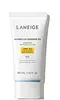 Key Ingredients
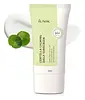
Benefits
Concerns
Ingredients Side-by-side
Water
Skin ConditioningPropanediol
Solvent

Octocrylene
UV Absorber



Homosalate
Skin Conditioning
Ethylhexyl Salicylate
UV Absorber
Butyloctyl Salicylate
Skin Conditioning
Glycerin
Humectant
Butyl Methoxydibenzoylmethane
UV Absorber
Diphenylsiloxy Phenyl Trimethicone
Skin Conditioning
Silica
Abrasive


Phenyl Trimethicone
Skin Conditioning
Caprylyl Methicone
Skin Conditioning
Behenyl Alcohol
Emollient
Vp/Eicosene Copolymer
Trimethylsiloxysilicate
Emollient
C14-22 Alcohols
Emulsion Stabilising
Glyceryl Stearate
Emollient

PEG-100 Stearate
Surfactant
1,2-Hexanediol
Skin Conditioning
Cetyl Alcohol
Emollient
Potassium Cetyl Phosphate
EmulsifyingPolyacrylate-13
Polyisobutene
C12-20 Alkyl Glucoside
EmulsifyingEthylhexylglycerin
Skin ConditioningParfum
Masking

Disodium EDTA
ChelatingPolysorbate 20
Emulsifying
Sorbitan Isostearate
Emulsifying
Lavandula Angustifolia Flower Water
Skin Conditioning
Butylene Glycol
Humectant
Aloe Barbadensis Leaf Extract
Emollient

Pentylene Glycol
Skin Conditioning
Centella Asiatica Flower/Leaf/Stem Extract
Skin Conditioning
Brassica Oleracea Italica Extract
AstringentHibiscus Abelmoschus Extract
MaskingTocopherol
Antioxidant




Magnesium Sulfate
Calcium Chloride
AstringentXanthan Gum
EmulsifyingCitric Acid
Buffering
Sodium Benzoate
Masking
Potassium Sorbate
Preservative
Manganese Sulfate
Skin ConditioningChenopodium Quinoa Seed Extract
Skin Conditioning
Zinc Sulfate
Antimicrobial
Ascorbyl Glucoside
Antioxidant
Water, Propanediol, Octocrylene, Homosalate, Ethylhexyl Salicylate, Butyloctyl Salicylate, Glycerin, Butyl Methoxydibenzoylmethane, Diphenylsiloxy Phenyl Trimethicone, Silica, Phenyl Trimethicone, Caprylyl Methicone, Behenyl Alcohol, Vp/Eicosene Copolymer, Trimethylsiloxysilicate, C14-22 Alcohols, Glyceryl Stearate, PEG-100 Stearate, 1,2-Hexanediol, Cetyl Alcohol, Potassium Cetyl Phosphate, Polyacrylate-13, Polyisobutene, C12-20 Alkyl Glucoside, Ethylhexylglycerin, Parfum, Disodium EDTA, Polysorbate 20, Sorbitan Isostearate, Lavandula Angustifolia Flower Water, Butylene Glycol, Aloe Barbadensis Leaf Extract, Pentylene Glycol, Centella Asiatica Flower/Leaf/Stem Extract, Brassica Oleracea Italica Extract, Hibiscus Abelmoschus Extract, Tocopherol, Magnesium Sulfate, Calcium Chloride, Xanthan Gum, Citric Acid, Sodium Benzoate, Potassium Sorbate, Manganese Sulfate, Chenopodium Quinoa Seed Extract, Zinc Sulfate, Ascorbyl Glucoside
Centella Asiatica Extract 49%
Cleansing
Water
Skin ConditioningDibutyl Adipate
EmollientDiethylamino Hydroxybenzoyl Hexyl Benzoate
UV Filter
Ethylhexyl Triazone
UV Absorber
Glycerin
Humectant
Niacinamide
Smoothing

Polymethyl Methacrylate
Methylene Bis-Benzotriazolyl Tetramethylbutylphenol
UV Filter
Polysilicone-15
UV Filter
1,2-Hexanediol
Skin Conditioning
Beta-Glucan
Skin Conditioning
Allantoin
Skin Conditioning
Butylene Glycol
Humectant
Pentylene Glycol
Skin Conditioning
Arachidyl Alcohol
Emollient
Sodium Stearoyl Glutamate
CleansingPolyglyceryl-3 Methylglucose Distearate
Emulsifying
Sorbitan Sesquioleate
Emulsifying
Behenyl Alcohol
Emollient
Decyl Glucoside
Cleansing
Caprylyl Glycol
Emollient
Arachidyl Glucoside
EmulsifyingHydroxyacetophenone
Antioxidant
Acrylates/C10-30 Alkyl Acrylate Crosspolymer
Emulsion StabilisingCarbomer
Emulsion StabilisingPolyacrylate Crosspolymer-6
Emulsion StabilisingAdenosine
Skin Conditioning
Dipotassium Glycyrrhizate
Humectant
Glucose
Humectant
T-Butyl Alcohol
Perfuming

Xanthan Gum
EmulsifyingTromethamine
BufferingDisodium EDTA
ChelatingCentella Asiatica Extract 49%, Water, Dibutyl Adipate, Diethylamino Hydroxybenzoyl Hexyl Benzoate, Ethylhexyl Triazone, Glycerin, Niacinamide, Polymethyl Methacrylate, Methylene Bis-Benzotriazolyl Tetramethylbutylphenol, Polysilicone-15, 1,2-Hexanediol, Beta-Glucan, Allantoin, Butylene Glycol, Pentylene Glycol, Arachidyl Alcohol, Sodium Stearoyl Glutamate, Polyglyceryl-3 Methylglucose Distearate, Sorbitan Sesquioleate, Behenyl Alcohol, Decyl Glucoside, Caprylyl Glycol, Arachidyl Glucoside, Hydroxyacetophenone, Acrylates/C10-30 Alkyl Acrylate Crosspolymer, Carbomer, Polyacrylate Crosspolymer-6, Adenosine, Dipotassium Glycyrrhizate, Glucose, T-Butyl Alcohol, Xanthan Gum, Tromethamine, Disodium EDTA
Reviews
Ingredients Explained
These ingredients are found in both products.
Ingredients higher up in an ingredient list are typically present in a larger amount.
1,2-Hexanediol is a synthetic liquid and another multi-functional powerhouse.
It is a:
- Humectant, drawing moisture into the skin
- Emollient, helping to soften skin
- Solvent, dispersing and stabilizing formulas
- Preservative booster, enhancing the antimicrobial activity of other preservatives
Behenyl Alcohol is a type of fatty alcohol (these are different from the drying, solvent alcohols).
Fatty Alcohols have hydrating properties and are most often used as an emollient or to thicken a product. They are usually derived from natural fats and oils; behenyl alcohol is derived from the fats of vegetable oils.
Emollients help keep your skin soft and hydrated by creating a film that traps moisture in.
In 2000, Behenyl Alcohol was approved by the US as medicine to reduce the duration of cold sores.
Learn more about Behenyl AlcoholButylene Glycol (or BG) is used within cosmetic products for a few different reasons:
Overall, Butylene Glycol is a safe and well-rounded ingredient that works well with other ingredients.
Though this ingredient works well with most skin types, some people with sensitive skin may experience a reaction such as allergic rashes, closed comedones, or itchiness.
Learn more about Butylene GlycolDisodium EDTA is a chelating agent. It grabs onto and deactivates metal ions that sneak into your products from water, packaging, or air.
This ingredient mainly works behind the scenes and helps with:
On top of that, this ingredient can counteract the effects of hard water by binding to the minerals in it.
One thing worth knowing is that Disodium EDTA has been shown to be a mild penetration enhancer. It can help other ingredients absorb into skin more effectively which can be a double-edged sword (great for actives, but can also make the active too strong if you have sensitive skin).
Clinical patch testing showed no significant skin irritation at typical use concentrations and minimal dermal absorption.
You'll most likely see this ingredient near the end of an ingredient list. It's typically found in concentrations less than 1%.
Learn more about Disodium EDTAGlycerin (or glycerol) is a compound naturally found in your skin. It's a powerhouse humectant that pulls water into the stratum corneum.
Topically, glycerin does several things at once:
Your skin makes glycerin on its own (mostly from sebaceous oil breakdown) and shuttles it to your outermost layer of skin, or your epidermis, via aquaporin-3.
Aquaporin-3 is a transporter that is essential for normal skin hydration, elasticity, and repair. Interestingly, mice lacking in AQP3 have dry and less elastic skin that can be fully corrected with glycerin.
This ingredient is non-irritating, plays well with almost every ingredient, and works across all skin types. Typical use is anywhere between 3-10% but can go up to 79% in some leave-on products.
Just know very high concentrations (>40%) can feel tacky in low humidity.
Glycerin is the name for this ingredient in American English. British English uses Glycerol/Glycerine.
Learn more about GlycerinPentylene Glycol (1,2-pentanediol) is a multitasking little diol with three main roles in a formula:
Research on alkanediols (the family pentylene glycol belongs to) show they work by disrupting microbial cell membranes. This disruption helps the primary preservative system in a product work more effectively at lower doses.
On the safety side, the Cosmetic Ingredient Review Expert Panel has concluded this ingredient to be safe as used in current cosmetic practices + concentrations.
Typical use levels in a formula run about 1-5%.
Learn more about Pentylene GlycolWater. It's the most common cosmetic ingredient of all. You'll usually see it at the top of ingredient lists, meaning that it makes up the largest part of the product.
So why is it so popular? Water most often acts as a solvent - this means that it helps dissolve other ingredients into the formulation.
You'll also recognize water as that liquid we all need to stay alive. If you see this, drink a glass of water. Remember to stay hydrated!
Learn more about WaterXanthan gum is used as a stabilizer and thickener within cosmetic products. It helps give products a sticky, thick feeling - preventing them from being too runny.
On the technical side of things, xanthan gum is a polysaccharide - a combination consisting of multiple sugar molecules bonded together.
Xanthan gum is a pretty common and great ingredient. It is a natural, non-toxic, non-irritating ingredient that is also commonly used in food products.
Learn more about Xanthan Gum

