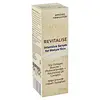
This anti-aging serum is formulated around Panthenol and Argania Spinosa Kernel Oil to soften the look of wrinkles and strengthen the skin barrier.
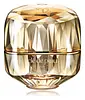
This anti-aging night moisturizer is formulated around Squalane and Retinyl Acetate to soften the look of wrinkles and hydrate skin.


What's inside
What's inside
 Key Ingredients
Benefits
Concerns
Ingredients Side-by-side
Water
Skin ConditioningGlycerin
Humectant


Coco-Caprylate/Caprate
Emollient
Diethylhexyl Carbonate
EmollientHydroxypropyl Starch Phosphate
Propylheptyl Caprylate
EmollientCetearyl Olivate


Tocopheryl Acetate
Antioxidant


Sorbitan Olivate
Emulsifying
Panthenol
Skin Conditioning

Argania Spinosa Kernel Oil
Emollient


Butyrospermum Parkii Butter
Skin Conditioning


Caprylic/Capric Triglyceride
Masking
Glycine Soja Oil
Emollient
Avena Sativa Kernel Oil
Skin Conditioning
Prunus Amygdalus Dulcis Oil
Skin Conditioning
Sclerotium Gum
Emulsion StabilisingTocopherol
Antioxidant
Ubiquinone
Antioxidant
Undaria Pinnatifida Extract
Skin ConditioningHelianthus Annuus Seed Oil
Emollient
Hydrolyzed Soybean Fiber
Skin ProtectingSodium Hydroxide
BufferingSodium Hyaluronate
Humectant
Citric Acid
Buffering
Parfum
Masking


Geraniol
Perfuming
Limonene
Perfuming
Linalool
Perfuming
Alpha-Isomethyl Ionone
Perfuming
Citronellol
Perfuming
Benzyl Alcohol
Perfuming

Eugenol
Perfuming
Ethylhexylglycerin
Skin ConditioningPhenoxyethanol
Preservative
Benzoic Acid
Masking
Dehydroacetic Acid
Preservative
Water, Glycerin, Coco-Caprylate/Caprate, Diethylhexyl Carbonate, Hydroxypropyl Starch Phosphate, Propylheptyl Caprylate, Cetearyl Olivate, Tocopheryl Acetate, Sorbitan Olivate, Panthenol, Argania Spinosa Kernel Oil, Butyrospermum Parkii Butter, Caprylic/Capric Triglyceride, Glycine Soja Oil, Avena Sativa Kernel Oil, Prunus Amygdalus Dulcis Oil, Sclerotium Gum, Tocopherol, Ubiquinone, Undaria Pinnatifida Extract, Helianthus Annuus Seed Oil, Hydrolyzed Soybean Fiber, Sodium Hydroxide, Sodium Hyaluronate, Citric Acid, Parfum, Geraniol, Limonene, Linalool, Alpha-Isomethyl Ionone, Citronellol, Benzyl Alcohol, Eugenol, Ethylhexylglycerin, Phenoxyethanol, Benzoic Acid, Dehydroacetic Acid
Water
Skin ConditioningPentaerythrityl Tetraethylhexanoate
Emollient
Glycerin
Humectant
Butylene Glycol
Humectant
Triisostearin
Skin Conditioning
Squalane
Emollient
Behenyl Alcohol
Emollient
Trehalose
Humectant
Isodecyl Neopentanoate
EmollientPetrolatum
Emollient
Dimethicone
Emollient
Maltitol
HumectantPotassium Methoxysalicylate
BleachingHydrogenated Polyisobutene
EmollientStearyl Alcohol
Emollient
Myristyl Myristate
Emollient
Beheneth-20
EmulsifyingPhenoxyethanol
Preservative
Butyrospermum Parkii Butter
Skin Conditioning
Silica
Abrasive

Theanine
EmollientDimethylacrylamide/Sodium Acryloyldimethyltaurate Crosspolymer
Microcrystalline Wax
Emulsion StabilisingCaprylic/Capric Triglyceride
Masking
Phytosteryl Macadamiate
Skin Conditioning
Trisodium EDTA
ChelatingPolyvinyl Alcohol
PEG/PPG-14/7 Dimethyl Ether
Skin ConditioningPEG/PPG-17/4 Dimethyl Ether
Skin ConditioningTocopheryl Acetate
Antioxidant
Parfum
Masking
Retinyl Acetate
Skin Conditioning
Sodium Citrate
BufferingHelianthus Annuus Seed Oil
Emollient
Alcohol
Antimicrobial
BHT
Antioxidant
Hydrogenated Vegetable Oil
Emollient
Citric Acid
Buffering
Sodium Metabisulfite
Antioxidant
Sodium Metaphosphate
BufferingEctoin
Skin Conditioning
Dipotassium Glycyrrhizate
Humectant
CI 77492
Cosmetic ColorantAlpha-Isomethyl Ionone
Perfuming
Citronellol
Perfuming
Glycyrrhiza Glabra Root Extract
Bleaching
Linalool
Perfuming
Lilium Candidum Bulb Extract
Skin ConditioningGeraniol
Perfuming
Angelica Acutiloba Root Extract
Skin ConditioningBenzyl Benzoate
Antimicrobial
Hydrolyzed Silk
Humectant
Limonene
Perfuming
Olea Europaea Leaf Extract
Perfuming
Iris Florentina Root Extract
MaskingPaeonia Albiflora Root Extract
Skin ConditioningSanguisorba Officinalis Root Extract
CleansingCrataegus Monogyna Flower Extract
Skin ConditioningFagus Sylvatica Bud Extract
TonicPanax Ginseng Root Extract
Emollient
Glycine
Buffering
Rubus Suavissimus Leaf Extract
Skin ConditioningInositol
Humectant
Tocopherol
Antioxidant
Pinus Sylvestris Cone Extract
Masking
Camellia Sinensis Leaf Extract
Antimicrobial
Rosmarinus Officinalis Leaf Extract
AntimicrobialCI 77491
Cosmetic ColorantRosa Canina Fruit Extract
Astringent
Perilla Ocymoides Leaf Extract
TonicSerine
Masking
Zingiber Aromaticus Extract
Skin ConditioningSodium Acetylated Hyaluronate
Humectant
Isostearic Acid
Cleansing
Hydrolyzed Yeast
Skin ConditioningBenzoic Acid
Masking
Hydrolyzed Conchiolin Protein
Skin ConditioningLauryl Betaine
CleansingPotentilla Erecta Root Extract
Skin ConditioningPolysorbate 20
Emulsifying
Uncaria Gambir Extract
AstringentSodium Carboxymethyl Beta-Glucan
CleansingCentaurea Cyanus Flower Extract
Astringent
Bupleurum Falcatum Root Extract
Skin ConditioningSodium Benzoate
Masking
Water, Pentaerythrityl Tetraethylhexanoate, Glycerin, Butylene Glycol, Triisostearin, Squalane, Behenyl Alcohol, Trehalose, Isodecyl Neopentanoate, Petrolatum, Dimethicone, Maltitol, Potassium Methoxysalicylate, Hydrogenated Polyisobutene, Stearyl Alcohol, Myristyl Myristate, Beheneth-20, Phenoxyethanol, Butyrospermum Parkii Butter, Silica, Theanine, Dimethylacrylamide/Sodium Acryloyldimethyltaurate Crosspolymer, Microcrystalline Wax, Caprylic/Capric Triglyceride, Phytosteryl Macadamiate, Trisodium EDTA, Polyvinyl Alcohol, PEG/PPG-14/7 Dimethyl Ether, PEG/PPG-17/4 Dimethyl Ether, Tocopheryl Acetate, Parfum, Retinyl Acetate, Sodium Citrate, Helianthus Annuus Seed Oil, Alcohol, BHT, Hydrogenated Vegetable Oil, Citric Acid, Sodium Metabisulfite, Sodium Metaphosphate, Ectoin, Dipotassium Glycyrrhizate, CI 77492, Alpha-Isomethyl Ionone, Citronellol, Glycyrrhiza Glabra Root Extract, Linalool, Lilium Candidum Bulb Extract, Geraniol, Angelica Acutiloba Root Extract, Benzyl Benzoate, Hydrolyzed Silk, Limonene, Olea Europaea Leaf Extract, Iris Florentina Root Extract, Paeonia Albiflora Root Extract, Sanguisorba Officinalis Root Extract, Crataegus Monogyna Flower Extract, Fagus Sylvatica Bud Extract, Panax Ginseng Root Extract, Glycine, Rubus Suavissimus Leaf Extract, Inositol, Tocopherol, Pinus Sylvestris Cone Extract, Camellia Sinensis Leaf Extract, Rosmarinus Officinalis Leaf Extract, CI 77491, Rosa Canina Fruit Extract, Perilla Ocymoides Leaf Extract, Serine, Zingiber Aromaticus Extract, Sodium Acetylated Hyaluronate, Isostearic Acid, Hydrolyzed Yeast, Benzoic Acid, Hydrolyzed Conchiolin Protein, Lauryl Betaine, Potentilla Erecta Root Extract, Polysorbate 20, Uncaria Gambir Extract, Sodium Carboxymethyl Beta-Glucan, Centaurea Cyanus Flower Extract, Bupleurum Falcatum Root Extract, Sodium Benzoate
Ingredients Explained
These ingredients are found in both products.
Ingredients higher up in an ingredient list are typically present in a larger amount.
Alpha-Isomethyl Ionone is a fragrance. It can be synthetically created or naturally occurring.
The scent of Alpha-Isomethyl Ionone is described as "flowery" but can also be "woody".
Naturally occurring Alpha-Isomethyl Ionone may be found in Saccharomyces cerevisiae, or the yeast used to make wine and bread.
The term 'fragrance' is not regulated in many countries. In many cases, it is up to the brand to define this term. For instance, many brands choose to label themselves as "fragrance-free" because they are not using synthetic fragrances. However, their products may still contain ingredients such as essential oils that are considered a fragrance.
Learn more about Alpha-Isomethyl IononeBenzoic Acid is an organic acid that shows up in cosmetics as a preservative. It helps keep a product from spoiling by holding back the growth of yeast, mold, and some bacteria.
This ingredient also functions as a fragrance ingredient that helps mask the unpleasant scent of other ingredients.
The way it works is worth understanding; benzoic acid works when the formula is acidic. It is able to sneak into a microbe's cell and mess up how it functions to stop it from growing in an acidic product.
However, the acid switches to an inactive form and stops working if a product isn't acidic enough (above ~5 pH). This is why you'll often see it in low pH products or teamed up with other preservatives to cover the gap.
Safety wise, it's one of the better studied preservatives out there.
The Cosmetic Ingredient Review Expert Panel has concluded this ingredient to be safe for use in cosmetic formulations at concentrations up to 5%.
A large international review found this ingredient had no effects on the human body and had low irritation potential.
Just so you know, real world use is usually much lower than the 5% ceiling (usually 1% of less).
The EU caps it at 2.5% in rinse-off products, 1.7% in oral care, and 0.5% in leave-on products.
One thing worth mentioning (it's nothing to worry about): some people get a little stinging or flushing where they apply it. This isn't a true allergy; it's a temporary and harmless reaction. This is the same kind of mild tingle you might notice from sorbic acid.
Learn more about Benzoic AcidThis ingredient is also known as shea butter. It is a plant-derived extract from the nuts of the Africa shea tree and one of the most well-studied emollients.
Because it has a high concentration of fatty acids (primarily oleic, stearic, and linoleic) it is able to form a protective barrier on the skin's surface. This helps seal in moisture and prevents transepidermal water loss (TEWL).
In vitro research found an increase in skin hydration by 58% and a decrease in TEWL by 37.8% after 24 hours of applying this ingredient (pretty impressive for a single ingredient!).
Besides hydration, shea butter also contains triterpenes that have anti-inflammatory potential. In particule, lupeol cinnamate has shown the highest anti-inflammatory activity in vivo.
Shea butter also contains vitamins A and E which may contribute to antioxidant activity.
While Shea Butter has an SPF rating of about 3-4, it is not a sunscreen replacement.
This ingredient may not be fungal acne safe because its fatty acids fall within the C11-C24 range that the Malassezia yeast can metabolize.
This ingredient shows up on a lot of "pore-clogging" lists but there's no real evidence behind that. It doesn't even have a comedogenic rating from an actual study; the numbers you'll find online come from blogs citing other blogs.
Ratings for other ingredients mostly come from a 1980s rabbit ear test. This test doesn't translate well to human skin or to real products because the ingredient sits at a much lower percentage.
Some people still find it breaks them out. So if that's you, definitely trust your skin. Just know this one's based on experience and not evidence.
Learn more about Butyrospermum Parkii ButterCaprylic/Capric Triglyceride (aka MCT Oil) is a lightweight emollient, solvent, and texture enhancer. It is considered a skin-softener by helping to prevent moisture loss.
Though it behaves like an oil, it is not technically one due to its chemical composition. One perk of this ingredient is that it is very stable, resistant to oxidation, and unlikely to go rancid.
In practice, that translates to a long shelf life and a consistently elegant skin feel.
While there is an assumption Caprylic Triglyceride can clog pores due to it being derived from coconut oil, there is no research supporting this. Just patch test if you have concerns.
Fractionated coconut oil and MCT Oil are both listed as Caprylic/Capric Triglyceride according to INCI. This is because INCI names are based on the ingredient’s final chemical composition and not its marketing name or source.
This ingredient is treated as the gold standard fungal acne safe oil. Even though it is coconut derived, the problematic lauric acid is stripped out.
This leaves just caprylic (C8) and capric (C10) acid. These chain lengths actually trend antifungal; a 2020 study found caprylic acid was enough to disrupt Malassezia furfur cell membrane, with a caprylic acid derivative damaging membrane structures at concentrations as low as 0.2%.
Learn more about Caprylic/Capric TriglycerideCitric Acid is an alpha hydroxy acid (AHA) naturally found in citrus fruits like oranges, lemons, and limes.
Like other AHAs, citric acid can exfoliate skin by breaking down the bonds that hold dead skin cells together. This helps reveal smoother and brighter skin underneath.
However, this exfoliating effect only happens at high concentrations (20%) which can be hard to find in cosmetic products.
Due to this, citric acid is usually included in small amounts as a pH adjuster. This helps keep products slightly more acidic and compatible with skin's natural pH.
In skincare formulas, citric acid can:
While it can provide some skin benefits, research shows lactic acid and glycolic acid are generally more effective and less irritating exfoliants.
Most citric acid used in skincare today is made by fermenting sugars (usually from molasses). This synthetic version is identical to the natural citrus form but easier to stabilize and use in formulations.
Rosacea skin has a lower threshold for acids generally, with 62.5% of rosacea subjects in one study reacting to lactic acid in a sting test. This is why we mark citric acid as a potential rosacea trigger.
However, this ingredient shows up as a pH adjuster or chelator at roughly 0.1-1% in many products. These low levels are unlikely to be an issue for rosacea skin and becomes a potential trigger at exfoliating concentrations (20%). Because everybody's skin is unique, we recommend a patch test if you are unsure.
Learn more about Citric AcidCitronellol is used to add fragrance/parfum to a product. It is often derived from plants such as roses. In fact, it can be found in many essential oils including geranium, lavender, neroli, and more. The scent of Citronellol is often described as "fresh, grassy, and citrus-like".
Since the Citronellol molecule is already unstable, Citronellol becomes irritating on the skin when exposed to air.
Citronellol is a modified terpene. Terpenes are unsaturated hydrocarbons found in plants. They make up the primary part of essential oils.
Citronellol is not able to be absorbed into deeper layers of the skin. It has low permeability,
Citronellol is also a natural insect repellent.
Learn more about CitronellolGeraniol is used to add fragrance/parfum to a product. It is the main component of citronellol. It is a monoterpenoid and an alcohol.
Monoterpenes are naturally found in many parts of different plants.
Geraniol can be found in many essential oils including Rose Oil and Citronella Oil. The scent of Geraniol is often described as "rose-like". Many foods also contain Geraniol for fruit flavoring.
Geraniol can irritate the skin when exposed to air. However, irritation depends on the ability of geraniol to penetrate into the skin. In general, geraniol is not able to penetrate skin easily.
Geraniol is colorless and has low water-solubility. However, it is soluble in common organic solvents.
Like citronellol, it is a natural insect repellent.
2,6-Octadien-1-ol, 3,7-dimethyl-, (2E)-
Learn more about GeraniolGlycerin (or glycerol) is a compound naturally found in your skin. It's a powerhouse humectant that pulls water into the stratum corneum.
Topically, glycerin does several things at once:
Your skin makes glycerin on its own (mostly from sebaceous oil breakdown) and shuttles it to your outermost layer of skin, or your epidermis, via aquaporin-3.
Aquaporin-3 is a transporter that is essential for normal skin hydration, elasticity, and repair. Interestingly, mice lacking in AQP3 have dry and less elastic skin that can be fully corrected with glycerin.
This ingredient is non-irritating, plays well with almost every ingredient, and works across all skin types. Typical use is anywhere between 3-10% but can go up to 79% in some leave-on products.
Just know very high concentrations (>40%) can feel tacky in low humidity.
Glycerin is the name for this ingredient in American English. British English uses Glycerol/Glycerine.
Learn more about GlycerinHelianthus Annuus Seed Oil is a plant oil derived from the seeds of a sunflower.
It is rich in fatty acids, primarily linoleic acid and oleic acid. This gives it emollient and skin conditioning properties.
The reason this ingredient is so effective is because it forms a thin film on the skin that reduces transepidermal water loss (TEWL) while supplying linoleic acid to the stratum corneum to improve barrier strength.
The high linoleic acid content is particularly noteworthy for acne-prone skin.
Research suggests that acne-prone skin tends to be deficient in linoleic acid in sebum. Topical application may help replenish this to support a healthier follicular environment and less comedone-promoting sebum.
One randomized study found sunflower seed oil preserved skin barrier integrity in adult volunteers with and without atopic dermatitis (outperforming olive oil).
This ingredient is well-studied, gentle, and an effective emollient suitable for most skin types.
On fungal acne: This ingredient may not be Fungal acne (Malassezia folliculitis) safe. This is because it contains fatty acids with carbon chain lengths in the C11-C24 range.
Learn more about Helianthus Annuus Seed OilLimonene is the compound that gives citrus peel its smell.
In skincare, it shows up as a standalone fragrance ingredient or as a natural compound of citrus and other essential oils.
You'll typically see this ingredient used in very small amounts; anything above 0.001% in a leave-on product or 0.01% in a rinse-off has to be named on the label in the EU. The citrus oils that carry it sit around 0.5-1% in a finished formula.
Fresh limonene is a weak allergen; the real issue is that it slowly reacts with air and then breaks down from oxidation to create hydroperoxides (which are strong sensitizers). This is why suppliers are required to keep the peroxide value below 20 mmol.
Positive reactions in people being investigated for eczema vary:
It's worth skipping if you have a known fragrance allergy or a compromised barrier, but the risk is low for most people.
Older or long-opened products are also more likely to bother you than fresh ones due to oxidation.
Learn more about LimoneneLinalool is a small, naturally occurring scent molecule found in plants like lavender, coriander, bergamot, and more.
It is one of the two most-used fragrance ingredients in cosmetics and added purely for smell. Since it's not used for a skin benefit, there's no "effective dose". Concentration depends on the fragrance load of the product.
The EU requires it to be named on the label above 0.001% in leave-on and 0.01% in rinse-off products.
Fresh linalool is a weak sensitizer but air exposure turns some of it into hydroperoxides, which are strong sensitizers. Those oxidation products are the actual allergy concern.
Patch-test clinics see positive reactions to linalool hydroperoxides in about 4% to 12% of dermatitis patients depending on country and test concentration.
Resassuringly, one analytical study found hydroperoxide levels in real fragranced products to be orders of magnitude below what induced sensitization in animal studies with no evidence of oxidation building up during normal storage.
The practical takeaway is that linalool is fine for most people but worth avoiding if you have a confirmed fragrance contact allergy or a badly compromised barrier.
Products stored a long time after opening are also the high-risk scenario since that is when oxidation happens.
The scent of linalool is described as floral, spicy tropical, and citrus-like.
Learn more about LinaloolParfum is a catch-all term for an ingredient or more that is used to give a scent to products.
Also called "fragrance", this ingredient can be a blend of hundreds of chemicals or plant oils. This means every product with "fragrance" or "parfum" in the ingredients list is a different mixture.
For instance, Habanolide is a proprietary trade name for a specific aroma chemical. When used as a fragrance ingredient in cosmetics, most aroma chemicals fall under the broad labeling category of “FRAGRANCE” or “PARFUM” according to EU and US regulations.
The term 'parfum' or 'fragrance' is not regulated in many countries. In many cases, it is up to the brand to define this term.
For instance, many brands choose to label themselves as "fragrance-free" because they are not using synthetic fragrances. However, their products may still contain ingredients such as essential oils that are considered a fragrance by INCI standards.
One example is Calendula flower extract. Calendula is an essential oil that still imparts a scent or 'fragrance'.
Depending on the blend, the ingredients in the mixture can cause allergies and sensitivities on the skin. Some ingredients that are known EU allergens include linalool and citronellol.
Parfum can also be used to mask or cover an unpleasant scent.
The bottom line is: not all fragrances/parfum/ingredients are created equally. If you are worried about fragrances, we recommend taking a closer look at an ingredient. And of course, we always recommend speaking with a professional.
Learn more about ParfumPhenoxyethanol is one of the most widely used preservatives in skincare (and for good reason!).
It has a large spectrum of antimicrobial activity and especially effective bacteria, yeast, and mold while only having a weak effect on your skin's natural microbiome.
On a cellular level, it disrupts the cell membranes of microbes by poking holes that make the cell leak. This shuts down the chemical reactions the microbe needs to make energy so it can no longer survive.
Another perk of this ingredient is that it stays functional across a wide pH range (3-10).
You'll often see it paired with boosters like Ethylhexylglycerin; one study showed that a 1:9 ratio of Ethylhexylglycerin to Phenoxyethanol damages bacterial membranes as effectively as doubling the Phenoxyethanol concentration on its own.
Typical use concentrations range from 0.3-1% depending on the formula, and this ingredient is capped at 1% int the EU.
Safety-wise, the fear mongering does not hold up to the evidence. The EU's Scientific Committee on Consumer Safety and FDA consider it safe as a preservative at up to 1%, including for children of all ages.
Adverse systemic effects only showed up in animal studies at exposures roughly 200x higher than what people get from cosmetics. And despite its very widespread use, this ingredient is a rare sensitizer and allergic reactions are uncommon.
Learn more about PhenoxyethanolTocopherol is a fat-soluble antioxidant known as Vitamin E.
You'll find this ingredient in the vast majority of skincare (for good reason). It works to neutralize free radicals, or unstable molecules generated by UV exposure, pollution, and other environmental stressors, before they can cause oxidative damage to your skin cells.
Topically applied tocopherol has been shown to protect against UV damage by ramping up the skin's own natural defense enzymes.
It also acts as a skin conditioning agent; some studies show that regular topical use can improve the skin's water-binding capacity over 2-4 weeks.
This ingredient is especially loved for being a team player. When combined with Vitamin C, the photoprotective effect of both ingredients roughly doubles and the combo also helps reduce UV-induced DNA damage.
This ingredient has some brightening potential but it's more of a prevention ingredient than spot-fader. Cell studies show it can slow down melanin production but it's worth noting that it's not the most powerful brightener out there.
In formulations, it also serves as a stabilizer that helps protect other oxidation-prone ingredients from degrading.
Concentrations usually range from 0.1-1% in most leave-on products.
Learn more about TocopherolTocopheryl Acetate is a stable, shelf-friendly form of vitamin E.
Formulators love it because plain vitamin E oxidizes quickly once it hits air. This acetate version stays stable and resists going off, helping to extend a product's shelf life.
It's actually inactive on its own and works like a slow-release "storage" form; the enzymes in your skin called esterases gradually convert it into active vitamin E over time.
One in vivo study showed 5% of the acetate in the living layer of the epidermis converted to vitamin E after 5 days of application. This study also found the skin gained protection against UV damage even though the conversion was slow and small.
Once converted, vitamin E acts as a skin's main fat-soluble antioxidant that fights free radicals to protect skin from damage.
Topical vitamin E generally boosts the skin's photoprotection, and it reduced UV-damage in animal models.
This ingredient has some brightening potential but it's more of a prevention ingredient than spot-fader. Cell studies show it can slow down melanin production but it's worth noting that it's not the most powerful brightener out there.
Overall, it has a pretty solid safety profile and has been found to be non-irritating and non-comedogenic. Allergic reactions may happen but stay rare due to how widely the ingredient gets used.
The concentration will vary depending on the formula; industry data shows 0.1% in baby lotions, 3% in lipsticks, and 5% in foot powders. You can also find this ingredient at 100% in a pure vitamin E oil.
Most leave-on skincare keeps it at the lower end, often between 0.5-1%.
Learn more about Tocopheryl AcetateWater. It's the most common cosmetic ingredient of all. You'll usually see it at the top of ingredient lists, meaning that it makes up the largest part of the product.
So why is it so popular? Water most often acts as a solvent - this means that it helps dissolve other ingredients into the formulation.
You'll also recognize water as that liquid we all need to stay alive. If you see this, drink a glass of water. Remember to stay hydrated!
Learn more about Water

