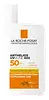
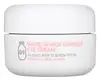
La Roche-Posay Anthelios Uvmune 400 Invisible Fluid SPF50+ Versus G9 Skin White In Milk Capsule Eye Cream
This chemical sunscreen covers the full UV range and blocks ~98% of UVB at SPF 50.
This brightening eye moisturizer is formulated around Niacinamide and Adenosine to brighten dull-looking skin and soften the look of wrinkles.


What's inside
What's inside
 Key Ingredients
Benefits
Concerns
Ingredients Side-by-side
Water
Skin ConditioningAlcohol Denat.
Antimicrobial




Triethyl Citrate
Masking

Diisopropyl Sebacate
EmollientSilica
Abrasive


Ethylhexyl Salicylate
UV Absorber

Bis-Ethylhexyloxyphenol Methoxyphenyl Triazine
UV Absorber
Ethylhexyl Triazone
UV Absorber
Butyl Methoxydibenzoylmethane
UV Absorber
Glycerin
Humectant


Propanediol
Solvent
C12-22 Alkyl Acrylate/Hydroxyethylacrylate Copolymer
StabilisingSodium Citrate
BufferingMethoxypropylamino Cyclohexenylidene Ethoxyethylcyanoacetate
Stabilising
Perlite
Absorbent
Tocopherol
Antioxidant





Caprylic/Capric Triglyceride
Masking
Acrylates/C10-30 Alkyl Acrylate Crosspolymer
Emulsion StabilisingCaprylyl Glycol
Emollient
Citric Acid
Buffering
Diethylamino Hydroxybenzoyl Hexyl Benzoate
UV Filter
Drometrizole Trisiloxane
UV Absorber
Hydroxyethylcellulose
Emulsion StabilisingTerephthalylidene Dicamphor Sulfonic Acid
UV Absorber
Triethanolamine
BufferingTrisodium Ethylenediamine Disuccinate
ChelatingWater, Alcohol Denat., Triethyl Citrate, Diisopropyl Sebacate, Silica, Ethylhexyl Salicylate, Bis-Ethylhexyloxyphenol Methoxyphenyl Triazine, Ethylhexyl Triazone, Butyl Methoxydibenzoylmethane, Glycerin, Propanediol, C12-22 Alkyl Acrylate/Hydroxyethylacrylate Copolymer, Sodium Citrate, Methoxypropylamino Cyclohexenylidene Ethoxyethylcyanoacetate, Perlite, Tocopherol, Caprylic/Capric Triglyceride, Acrylates/C10-30 Alkyl Acrylate Crosspolymer, Caprylyl Glycol, Citric Acid, Diethylamino Hydroxybenzoyl Hexyl Benzoate, Drometrizole Trisiloxane, Hydroxyethylcellulose, Terephthalylidene Dicamphor Sulfonic Acid, Triethanolamine, Trisodium Ethylenediamine Disuccinate
Milk Protein Extract
Pentaerythrityl Tetraethylhexanoate
Emollient
Glycerin
Humectant
Water
Skin ConditioningNiacinamide
Smoothing



Behenyl Alcohol
Emollient
Sodium Acrylate/Sodium Acryloyldimethyl Taurate Copolymer
Emulsion StabilisingIsohexadecane
EmollientZanthoxylum Piperitum Fruit Extract
Skin ConditioningPulsatilla Koreana Extract
Skin ConditioningUsnea Barbata Extract
Polysorbate 80
Emulsifying
Acrylates/C10-30 Alkyl Acrylate Crosspolymer
Emulsion StabilisingSorbitan Oleate
Emulsifying
Adenosine
Skin Conditioning
Potassium Hydroxide
BufferingDisodium EDTA
ChelatingParfum
Masking
Linum Usitatissimum Seed Extract
Perfuming
Nelumbo Nucifera Flower Water
TonicOriganum Vulgare Leaf Extract
Skin ConditioningEucalyptus Globulus Leaf Extract
Perfuming
Hibiscus Sabdariffa Flower Extract
Skin ConditioningCamellia Sinensis Leaf Extract
Antimicrobial
Salvia Hispanica Seed Extract
Emollient
Hedera Helix Leaf Extract
Skin ConditioningPinus Sylvestris Leaf Extract
Tonic1,2-Hexanediol
Skin Conditioning
Butylene Glycol
Humectant
Prunus Amygdalus Dulcis Oil
Skin Conditioning
Ceramide NP
Skin Conditioning
Bacillus/Soybean Ferment Extract
Skin ConditioningBrassica Oleracea Italica Extract
AstringentSodium Hyaluronate
Humectant
Hamamelis Virginiana Bark/Leaf/Twig Extract
Skin Conditioning
Panthenol
Skin Conditioning
Galactomyces Ferment Filtrate
Humectant
Rice Ferment Filtrate
Skin Conditioning
Macadamia Ternifolia Seed Oil
Emollient
Biotin
AntiseborrhoeicAscorbyl Tetraisopalmitate
Antioxidant
Tocopheryl Acetate
Antioxidant
PEG-40 Hydrogenated Castor Oil
Emulsifying
Vitis Vinifera Fruit Extract
Skin ConditioningRetinyl Palmitate
Skin Conditioning
Lavandula Angustifolia Extract
Skin Conditioning
Royal Jelly Extract
Skin Conditioning
Thymus Vulgaris Extract
Perfuming
Rosmarinus Officinalis Extract
AntimicrobialOriganum Vulgare Flower/Leaf/Stem Extract
Skin ConditioningPropylene Glycol
Humectant
Chamomilla Recutita Flower Extract
Masking
Citric Acid
Buffering
Phenoxyethanol
Preservative
Tocopherol
Antioxidant
Hydroxypropyl Cyclodextrin
MaskingGlutathione
Acetyl Hexapeptide-8
Humectant
Copper Tripeptide-1
Skin Conditioning
Palmitoyl Pentapeptide-4
Skin Conditioning
Hydroxycitronellal
Perfuming
Milk Protein Extract, Pentaerythrityl Tetraethylhexanoate, Glycerin, Water, Niacinamide, Behenyl Alcohol, Sodium Acrylate/Sodium Acryloyldimethyl Taurate Copolymer, Isohexadecane, Zanthoxylum Piperitum Fruit Extract, Pulsatilla Koreana Extract, Usnea Barbata Extract, Polysorbate 80, Acrylates/C10-30 Alkyl Acrylate Crosspolymer, Sorbitan Oleate, Adenosine, Potassium Hydroxide, Disodium EDTA, Parfum, Linum Usitatissimum Seed Extract, Nelumbo Nucifera Flower Water, Origanum Vulgare Leaf Extract, Eucalyptus Globulus Leaf Extract, Hibiscus Sabdariffa Flower Extract, Camellia Sinensis Leaf Extract, Salvia Hispanica Seed Extract, Hedera Helix Leaf Extract, Pinus Sylvestris Leaf Extract, 1,2-Hexanediol, Butylene Glycol, Prunus Amygdalus Dulcis Oil, Ceramide NP, Bacillus/Soybean Ferment Extract, Brassica Oleracea Italica Extract, Sodium Hyaluronate, Hamamelis Virginiana Bark/Leaf/Twig Extract, Panthenol, Galactomyces Ferment Filtrate, Rice Ferment Filtrate, Macadamia Ternifolia Seed Oil, Biotin, Ascorbyl Tetraisopalmitate, Tocopheryl Acetate, PEG-40 Hydrogenated Castor Oil, Vitis Vinifera Fruit Extract, Retinyl Palmitate, Lavandula Angustifolia Extract, Royal Jelly Extract, Thymus Vulgaris Extract, Rosmarinus Officinalis Extract, Origanum Vulgare Flower/Leaf/Stem Extract, Propylene Glycol, Chamomilla Recutita Flower Extract, Citric Acid, Phenoxyethanol, Tocopherol, Hydroxypropyl Cyclodextrin, Glutathione, Acetyl Hexapeptide-8, Copper Tripeptide-1, Palmitoyl Pentapeptide-4, Hydroxycitronellal
Reviews
Ingredients Explained
These ingredients are found in both products.
Ingredients higher up in an ingredient list are typically present in a larger amount.
Acrylates/C10-30 Alkyl Acrylate Crosspolymer is a synthetic polymer. It is used to thicken, emulsify, and improve the texture of products.
As an emulsifier, it helps stabilize oil-in-water emulsions to give products an elegant feel when applied.
It can also form a thin protective film on skin. One study found that a formula using this polymer helped slow down how quickly other ingredients (like DEET) were absorbed through skin.
A 2024 study of over 1,300 patients confirmed that sensitization to this ingredient is rare. It is also non-mutagenic and has a clean track record.
Learn more about Acrylates/C10-30 Alkyl Acrylate CrosspolymerCitric Acid is an alpha hydroxy acid (AHA) naturally found in citrus fruits like oranges, lemons, and limes.
Like other AHAs, citric acid can exfoliate skin by breaking down the bonds that hold dead skin cells together. This helps reveal smoother and brighter skin underneath.
However, this exfoliating effect only happens at high concentrations (20%) which can be hard to find in cosmetic products.
Due to this, citric acid is usually included in small amounts as a pH adjuster. This helps keep products slightly more acidic and compatible with skin's natural pH.
In skincare formulas, citric acid can:
While it can provide some skin benefits, research shows lactic acid and glycolic acid are generally more effective and less irritating exfoliants.
Most citric acid used in skincare today is made by fermenting sugars (usually from molasses). This synthetic version is identical to the natural citrus form but easier to stabilize and use in formulations.
Rosacea skin has a lower threshold for acids generally, with 62.5% of rosacea subjects in one study reacting to lactic acid in a sting test. This is why we mark citric acid as a potential rosacea trigger.
However, this ingredient shows up as a pH adjuster or chelator at roughly 0.1-1% in many products. These low levels are unlikely to be an issue for rosacea skin and becomes a potential trigger at exfoliating concentrations (20%). Because everybody's skin is unique, we recommend a patch test if you are unsure.
Learn more about Citric AcidGlycerin (or glycerol) is a compound naturally found in your skin. It's a powerhouse humectant that pulls water into the stratum corneum.
Topically, glycerin does several things at once:
Your skin makes glycerin on its own (mostly from sebaceous oil breakdown) and shuttles it to your outermost layer of skin, or your epidermis, via aquaporin-3.
Aquaporin-3 is a transporter that is essential for normal skin hydration, elasticity, and repair. Interestingly, mice lacking in AQP3 have dry and less elastic skin that can be fully corrected with glycerin.
This ingredient is non-irritating, plays well with almost every ingredient, and works across all skin types. Typical use is anywhere between 3-10% but can go up to 79% in some leave-on products.
Just know very high concentrations (>40%) can feel tacky in low humidity.
Glycerin is the name for this ingredient in American English. British English uses Glycerol/Glycerine.
Learn more about GlycerinTocopherol is a fat-soluble antioxidant known as Vitamin E.
You'll find this ingredient in the vast majority of skincare (for good reason). It works to neutralize free radicals, or unstable molecules generated by UV exposure, pollution, and other environmental stressors, before they can cause oxidative damage to your skin cells.
Topically applied tocopherol has been shown to protect against UV damage by ramping up the skin's own natural defense enzymes.
It also acts as a skin conditioning agent; some studies show that regular topical use can improve the skin's water-binding capacity over 2-4 weeks.
This ingredient is especially loved for being a team player. When combined with Vitamin C, the photoprotective effect of both ingredients roughly doubles and the combo also helps reduce UV-induced DNA damage.
This ingredient has some brightening potential but it's more of a prevention ingredient than spot-fader. Cell studies show it can slow down melanin production but it's worth noting that it's not the most powerful brightener out there.
In formulations, it also serves as a stabilizer that helps protect other oxidation-prone ingredients from degrading.
Concentrations usually range from 0.1-1% in most leave-on products.
Learn more about TocopherolWater. It's the most common cosmetic ingredient of all. You'll usually see it at the top of ingredient lists, meaning that it makes up the largest part of the product.
So why is it so popular? Water most often acts as a solvent - this means that it helps dissolve other ingredients into the formulation.
You'll also recognize water as that liquid we all need to stay alive. If you see this, drink a glass of water. Remember to stay hydrated!
Learn more about Water

