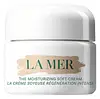
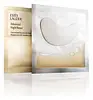
La Mer The Moisturizing Soft Cream Versus Estée Lauder Advanced Night Repair Concentrated Recovery Eye Mask
This barrier-repair moisturizer is formulated around Petrolatum and Cholesterol to strengthen the skin barrier and hydrate skin.
This anti-aging eye mask is formulated around Silybum Marianum Extract and Caffeine to soften the look of wrinkles.

What's inside
What's inside
 Key Ingredients
Benefits
Concerns
Ingredients Side-by-side
Algae Extract
Emollient

Cyclopentasiloxane
Emollient
Petrolatum
Emollient



Glyceryl Distearate
Emollient

Phenyl Trimethicone
Skin Conditioning
Cyclohexasiloxane
Emollient
Butylene Glycol
Humectant
Cholesterol
Emollient
Butyrospermum Parkii Butter
Skin Conditioning
Steareth-10
Emulsifying
Dimethicone
Emollient
Glyceryl Stearate Se
Emulsifying
Polysilicone-11

Glyceryl Triacetyl Ricinoleate
Emollient
Macadamia Integrifolia Seed Oil
Skin Conditioning
Glycerin
Humectant
Sesamum Indicum Seed Oil
Emollient
Medicago Sativa Seed Powder
Skin ConditioningHelianthus Annuus Seedcake
Abrasive
Prunus Amygdalus Dulcis Seed Meal
Abrasive
Eucalyptus Globulus Leaf Oil
Perfuming


Sodium Gluconate
ChelatingCopper Gluconate
Skin Conditioning
Calcium Gluconate
HumectantMagnesium Gluconate
Skin ConditioningZinc Gluconate
Skin Conditioning


Tocopheryl Succinate
Antioxidant
Niacin
SmoothingSesamum Indicum Seed Powder
Skin ConditioningWater
Skin ConditioningCitrus Aurantifolia Peel Extract
Cleansing
Laminaria Digitata Extract
Skin Protecting
Crithmum Maritimum Extract
Skin ConditioningSalicornia Herbacea Extract
Skin ConditioningPlankton Extract
Skin ConditioningChlorella Vulgaris Extract
Skin ConditioningRosmarinus Officinalis Leaf Extract
AntimicrobialSodium Hyaluronate
Humectant


Tocopheryl Acetate
Antioxidant

Acetyl Hexapeptide-8
Humectant
Caffeine
Skin Conditioning
Tetrahexyldecyl Ascorbate
Antioxidant

Palmitoyl Hexapeptide-12
Skin Conditioning
Caprylic/Capric Triglyceride
Masking
Triethylhexanoin
MaskingSodium PCA
Humectant
Cetyl Alcohol
Emollient
Diethylhexyl Succinate
EmollientIsocetyl Stearoyl Stearate
Emollient
Cyanocobalamin
Skin ConditioningC13-14 Isoparaffin
Emollient
Distearyldimonium Chloride
Dipalmitoyl Hydroxyproline
Skin Conditioning
Sucrose
Humectant
Hydrogenated Vegetable Oil
Emollient
Trehalose
Humectant
Hydrolyzed Algin
Micrococcus Lysate
Skin ConditioningMaris Sal
Skin ConditioningTetradecyl Aminobutyroylvalylaminobutyric Urea Trifluoroacetate
Skin ConditioningLactoperoxidase
StabilisingGlucose Oxidase
StabilisingUrea
Buffering
Glucose
Humectant
Polyacrylamide
Glyceryl Polymethacrylate
PEG-8
HumectantLaureth-7
EmulsifyingLecithin
Emollient
Triacetin
AntimicrobialSodium Chloride
MaskingPolyquaternium-51
Skin Conditioning
Potassium Phosphate
BufferingAlcohol Denat.
Antimicrobial

Parfum
Masking
Limonene
Perfuming
Linalool
Perfuming
Hydroxycitronellal
Perfuming
Citronellol
Perfuming
Geraniol
Perfuming
BHT
Antioxidant
Disodium EDTA
ChelatingSorbic Acid
Preservative
Chlorphenesin
Antimicrobial
Potassium Sorbate
Preservative
Phenoxyethanol
Preservative
Algae Extract, Cyclopentasiloxane, Petrolatum, Glyceryl Distearate, Phenyl Trimethicone, Cyclohexasiloxane, Butylene Glycol, Cholesterol, Butyrospermum Parkii Butter, Steareth-10, Dimethicone, Glyceryl Stearate Se, Polysilicone-11, Glyceryl Triacetyl Ricinoleate, Macadamia Integrifolia Seed Oil, Glycerin, Sesamum Indicum Seed Oil, Medicago Sativa Seed Powder, Helianthus Annuus Seedcake, Prunus Amygdalus Dulcis Seed Meal, Eucalyptus Globulus Leaf Oil, Sodium Gluconate, Copper Gluconate, Calcium Gluconate, Magnesium Gluconate, Zinc Gluconate, Tocopheryl Succinate, Niacin, Sesamum Indicum Seed Powder, Water, Citrus Aurantifolia Peel Extract, Laminaria Digitata Extract, Crithmum Maritimum Extract, Salicornia Herbacea Extract, Plankton Extract, Chlorella Vulgaris Extract, Rosmarinus Officinalis Leaf Extract, Sodium Hyaluronate, Tocopheryl Acetate, Acetyl Hexapeptide-8, Caffeine, Tetrahexyldecyl Ascorbate, Palmitoyl Hexapeptide-12, Caprylic/Capric Triglyceride, Triethylhexanoin, Sodium PCA, Cetyl Alcohol, Diethylhexyl Succinate, Isocetyl Stearoyl Stearate, Cyanocobalamin, C13-14 Isoparaffin, Distearyldimonium Chloride, Dipalmitoyl Hydroxyproline, Sucrose, Hydrogenated Vegetable Oil, Trehalose, Hydrolyzed Algin, Micrococcus Lysate, Maris Sal, Tetradecyl Aminobutyroylvalylaminobutyric Urea Trifluoroacetate, Lactoperoxidase, Glucose Oxidase, Urea, Glucose, Polyacrylamide, Glyceryl Polymethacrylate, PEG-8, Laureth-7, Lecithin, Triacetin, Sodium Chloride, Polyquaternium-51, Potassium Phosphate, Alcohol Denat., Parfum, Limonene, Linalool, Hydroxycitronellal, Citronellol, Geraniol, BHT, Disodium EDTA, Sorbic Acid, Chlorphenesin, Potassium Sorbate, Phenoxyethanol
Water
Skin ConditioningMethyl Gluceth-20
Humectant
PEG-75
HumectantBis-PEG-18 Methyl Ether Dimethyl Silane
EmollientButylene Glycol
Humectant
Propanediol
Solvent
Glycereth-26
Humectant
Cladosiphon Okamuranus Extract
Skin Conditioning
Silybum Marianum Extract
Skin Conditioning
Echinacea Purpurea Extract
MoisturisingGarcinia Mangostana Peel Extract
Skin ConditioningAnthemis Nobilis Flower Extract
Masking
Caffeine
Skin Conditioning
Coffea Arabica Seed Extract
Masking
Artemia Extract
Skin ConditioningBetula Alba Bark Extract
Masking
Poria Cocos Sclerotium Extract
AstringentHydrolyzed Rice Extract
Skin Conditioning
Camelina Sativa Seed Oil
Skin Conditioning
Algae Extract
Emollient
Lactobacillus Ferment
Skin Conditioning
Hydrolyzed Algin
Squalane
Emollient
C12-15 Alkyl Benzoate
AntimicrobialFaex Extract
Skin ConditioningCaprylyl Glycol
Emollient
Tocopheryl Acetate
Antioxidant
PEG-8 Glyceryl Isostearate
Emollient
Polysorbate 20
Emulsifying
Glycine
Buffering
Carbomer
Emulsion StabilisingSodium Hyaluronate
Humectant
Dextrin
AbsorbentXanthan Gum
EmulsifyingSodium Hydroxide
BufferingLecithin
Emollient
Triethoxycaprylylsilane
Polyhydroxystearic Acid
Emulsifying
Trisodium EDTA
ChelatingPhenoxyethanol
Preservative
CI 77491
Cosmetic ColorantWater, Methyl Gluceth-20, PEG-75, Bis-PEG-18 Methyl Ether Dimethyl Silane, Butylene Glycol, Propanediol, Glycereth-26, Cladosiphon Okamuranus Extract, Silybum Marianum Extract, Echinacea Purpurea Extract, Garcinia Mangostana Peel Extract, Anthemis Nobilis Flower Extract, Caffeine, Coffea Arabica Seed Extract, Artemia Extract, Betula Alba Bark Extract, Poria Cocos Sclerotium Extract, Hydrolyzed Rice Extract, Camelina Sativa Seed Oil, Algae Extract, Lactobacillus Ferment, Hydrolyzed Algin, Squalane, C12-15 Alkyl Benzoate, Faex Extract, Caprylyl Glycol, Tocopheryl Acetate, PEG-8 Glyceryl Isostearate, Polysorbate 20, Glycine, Carbomer, Sodium Hyaluronate, Dextrin, Xanthan Gum, Sodium Hydroxide, Lecithin, Triethoxycaprylylsilane, Polyhydroxystearic Acid, Trisodium EDTA, Phenoxyethanol, CI 77491
Reviews
Alternatives
Ingredients Explained
These ingredients are found in both products.
Ingredients higher up in an ingredient list are typically present in a larger amount.
Algae Extract is one of the vaguest names on any label because it just means "extract of some alga" (and there are thousands of species and dozens of ways to extract them). This just means two products listing it can contain completely different things.
This ingredient name was actually officially retired in the INCI dictionary in 2015 and brands were pushed toward species-specific names instead (like Laminaria Digitata Extract or Chondrus Crispus Extract).
Generally, it is used to hold water and soften skin in a formula. Algae are rich in polysaccharides, pigments, and amino-acids that act as humectants, emollients, and skin-conditioning agents.
It isn't on standard cosmetic-patch test panels and "seaweed dermatitis" is actually an acute irritant reaction to algal toxins in seawater and not the cosmetic ingredient.
You'll see algae listed as a 5/5 on a lot of pore-clogging charts and that number doesn't come from anywhere; it's not in the original rabbit-ear studies that most comedogenic ratings trace back to.
The reasoning behind the reputation is that seaweed is high in iodine and iodine can trigger acne-like breakouts when eaten. This traces back to a 1976 letter in Archives of Dermatology describing two women whose breakouts cleared after they stopped taking high-dose kelp supplements orally.
And the reaction of these two women wasn't clogged pores at all: it was an iodine-triggered pustular rash. Later research found normal dietary iodine doesn't meaningfully affect acne either and nobody has shown topical algae delivers enough iodine to matter.
What we do have is dozens of brown and red algae ingredients found to be non-irritating and non-sensitizing, and a handful of studies that found algae compounds may actually help acne.
However, plenty of people do report breaking out from algae-containing products. Skin is individual and it's worth avoiding if yours has reacted to algae before.
Learn more about Algae ExtractButylene Glycol (or BG) is used within cosmetic products for a few different reasons:
Overall, Butylene Glycol is a safe and well-rounded ingredient that works well with other ingredients.
Though this ingredient works well with most skin types, some people with sensitive skin may experience a reaction such as allergic rashes, closed comedones, or itchiness.
Learn more about Butylene GlycolCaffeine is a naturally occurring plant compound found in coffee beans, tea leaves, cocoa pods, and guarana.
As an antioxidant, caffeine protects your skin from free radical damage caused by UV exposure and envionrmnetal stressors.
Early research also shows that caffeine can help calm redness, soothe irritated skin, and support hair growth by stimulating microcirculation in the scalp.
You might have seen eye creams marketing caffeine as a depuffing ingredient. This is because it is a vasoconstrictor meaning it can temporarily constrict blood vessels, though clinical evidence for this specific use is still limited.
Most skincare products contain this ingredient at concentrations between 1-6%. It is able to penetrate skin easily regardless of skin type or thickness.
Just so you know, a very small number of case reports describe caffeine-induced allergy. This ingredient is generally well-tolerated, non-irritating, and non-sensitizing for the majority of people.
Learn more about CaffeineThis ingredient is made from brown seaweed and is often used to improve the texture of products.
According to a manufacturer, this is a lightweight ingredient and a smaller form of algin. This allows it to be easily mixed with water and improve the spreadability of products.
It also has conditioning properties that mostly sits on the surface of skin as an emollient. Some lab research has explored it in anti-aging formulas, but the results were modest.
Learn more about Hydrolyzed AlginLecithin is a term for a group of substances found in the cell membranes of plants, animals, and humans. They are made up of phospholipids.
Thanks to its amphiphilic structure (water-loving head and oil-loving tail), it is a true multitasker:
It plays well with most ingredients and is typically used at 0.1-1%. However, concentrations up to 50% have been reported in moisturizers.
Learn more about LecithinPhenoxyethanol is one of the most widely used preservatives in skincare (and for good reason!).
It has a large spectrum of antimicrobial activity and especially effective bacteria, yeast, and mold while only having a weak effect on your skin's natural microbiome.
On a cellular level, it disrupts the cell membranes of microbes by poking holes that make the cell leak. This shuts down the chemical reactions the microbe needs to make energy so it can no longer survive.
Another perk of this ingredient is that it stays functional across a wide pH range (3-10).
You'll often see it paired with boosters like Ethylhexylglycerin; one study showed that a 1:9 ratio of Ethylhexylglycerin to Phenoxyethanol damages bacterial membranes as effectively as doubling the Phenoxyethanol concentration on its own.
Typical use concentrations range from 0.3-1% depending on the formula, and this ingredient is capped at 1% int the EU.
Safety-wise, the fear mongering does not hold up to the evidence. The EU's Scientific Committee on Consumer Safety and FDA consider it safe as a preservative at up to 1%, including for children of all ages.
Adverse systemic effects only showed up in animal studies at exposures roughly 200x higher than what people get from cosmetics. And despite its very widespread use, this ingredient is a rare sensitizer and allergic reactions are uncommon.
Learn more about PhenoxyethanolSodium Hyaluronate is the salt form of hyaluronic acid. It is a long sugar chain that is naturally found in your skin, joints, and connective tissue that maintains hydration and elasticity.
In skincare, it works as a humectant. It pulls water from the environment and deeper layers of skin and binds it to the surface.
Interestingly, the size of the molecule affects its behavior:
Some clinical evidence links low molecular weight versions to improved wrinkle depth, elasticity, anti-inflammatory effects, and barrier repair.
Many serums use a blend of both weights so you can get surface hydration plus longer-lasting and deeper effects.
You'll typically see concentrations between 0.1-2% for this ingredient.
Learn more about Sodium HyaluronateTocopheryl Acetate is a stable, shelf-friendly form of vitamin E.
Formulators love it because plain vitamin E oxidizes quickly once it hits air. This acetate version stays stable and resists going off, helping to extend a product's shelf life.
It's actually inactive on its own and works like a slow-release "storage" form; the enzymes in your skin called esterases gradually convert it into active vitamin E over time.
One in vivo study showed 5% of the acetate in the living layer of the epidermis converted to vitamin E after 5 days of application. This study also found the skin gained protection against UV damage even though the conversion was slow and small.
Once converted, vitamin E acts as a skin's main fat-soluble antioxidant that fights free radicals to protect skin from damage.
Topical vitamin E generally boosts the skin's photoprotection, and it reduced UV-damage in animal models.
This ingredient has some brightening potential but it's more of a prevention ingredient than spot-fader. Cell studies show it can slow down melanin production but it's worth noting that it's not the most powerful brightener out there.
Overall, it has a pretty solid safety profile and has been found to be non-irritating and non-comedogenic. Allergic reactions may happen but stay rare due to how widely the ingredient gets used.
The concentration will vary depending on the formula; industry data shows 0.1% in baby lotions, 3% in lipsticks, and 5% in foot powders. You can also find this ingredient at 100% in a pure vitamin E oil.
Most leave-on skincare keeps it at the lower end, often between 0.5-1%.
Learn more about Tocopheryl AcetateWater. It's the most common cosmetic ingredient of all. You'll usually see it at the top of ingredient lists, meaning that it makes up the largest part of the product.
So why is it so popular? Water most often acts as a solvent - this means that it helps dissolve other ingredients into the formulation.
You'll also recognize water as that liquid we all need to stay alive. If you see this, drink a glass of water. Remember to stay hydrated!
Learn more about Water

