
What's inside
What's inside
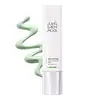 Key Ingredients
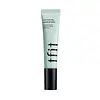
Benefits
Concerns
Ingredients Side-by-side
Water
Skin ConditioningEthylhexyl Methoxycinnamate
UV Absorber


Homosalate
Skin Conditioning
Butylene Glycol
Humectant

Ethylhexyl Salicylate
UV Absorber
Titanium Dioxide
Cosmetic Colorant
Octocrylene
UV Absorber
Dibutyl Adipate
EmollientDiethylamino Hydroxybenzoyl Hexyl Benzoate
UV Filter
Glyceryl Stearate
Emollient

Alcohol Denat.
Antimicrobial

Glycerin
Humectant
Bis-Ethylhexyloxyphenol Methoxyphenyl Triazine
Skin Conditioning
PEG-100 Stearate
Surfactant
1,2-Hexanediol
Skin Conditioning
Methyl Methacrylate Crosspolymer

Cetearyl Alcohol
Emollient



Polyglyceryl-2 Caprate
EmulsifyingPanthenol
Skin Conditioning

Caprylyl Methicone
Skin Conditioning
Polysorbate 60
Emulsifying
Ammonium Acryloyldimethyltaurate/Vp Copolymer
Mica
Cosmetic ColorantOctyldodecanol
Emollient
Caprylyl Glycol
Emollient
Sucrose Stearate
EmollientSqualane
Emollient
Simmondsia Chinensis Seed Oil
Emollient
Stearic Acid
Cleansing
Alumina
Abrasive
Glyceryl Caprylate
EmollientCentella Asiatica Extract
Cleansing
Polyacrylate-13
Xanthan Gum
EmulsifyingEthylhexylglycerin
Skin ConditioningPolyacrylate Crosspolymer-6
Emulsion StabilisingEchium Plantagineum Seed Oil
Skin Conditioning
Aluminum Hydroxide
EmollientPolyisobutene
Helianthus Annuus Seed Oil Unsaponifiables
Emollient
Polysorbate 20
Emulsifying
Sorbitan Isostearate
Emulsifying
Cardiospermum Halicacabum Flower/Leaf/Vine Extract
Skin ConditioningT-Butyl Alcohol
Perfuming

Ethylhexyl Palmitate
Emollient
Sodium PCA
Humectant
Tocopherol
Antioxidant



Trihydroxystearin
Skin Conditioning
Sodium Hyaluronate
Humectant
Copper Tripeptide-1
Skin Conditioning
CI 77891
Cosmetic ColorantCI 77288
Cosmetic ColorantCI 77492
Cosmetic ColorantParfum
Masking
Water, Ethylhexyl Methoxycinnamate, Homosalate, Butylene Glycol, Ethylhexyl Salicylate, Titanium Dioxide, Octocrylene, Dibutyl Adipate, Diethylamino Hydroxybenzoyl Hexyl Benzoate, Glyceryl Stearate, Alcohol Denat., Glycerin, Bis-Ethylhexyloxyphenol Methoxyphenyl Triazine, PEG-100 Stearate, 1,2-Hexanediol, Methyl Methacrylate Crosspolymer, Cetearyl Alcohol, Polyglyceryl-2 Caprate, Panthenol, Caprylyl Methicone, Polysorbate 60, Ammonium Acryloyldimethyltaurate/Vp Copolymer, Mica, Octyldodecanol, Caprylyl Glycol, Sucrose Stearate, Squalane, Simmondsia Chinensis Seed Oil, Stearic Acid, Alumina, Glyceryl Caprylate, Centella Asiatica Extract, Polyacrylate-13, Xanthan Gum, Ethylhexylglycerin, Polyacrylate Crosspolymer-6, Echium Plantagineum Seed Oil, Aluminum Hydroxide, Polyisobutene, Helianthus Annuus Seed Oil Unsaponifiables, Polysorbate 20, Sorbitan Isostearate, Cardiospermum Halicacabum Flower/Leaf/Vine Extract, T-Butyl Alcohol, Ethylhexyl Palmitate, Sodium PCA, Tocopherol, Trihydroxystearin, Sodium Hyaluronate, Copper Tripeptide-1, CI 77891, CI 77288, CI 77492, Parfum
Water
Skin ConditioningCyclopentasiloxane
Emollient
Dimethicone
Emollient
Phenyl Trimethicone
Skin Conditioning
Butylene Glycol
Humectant
Lauryl PEG-8 Dimethicone
Surfactant
C12-15 Alkyl Benzoate
AntimicrobialCI 77891
Cosmetic ColorantGlycerin
Humectant
Butylene Glycol Dicaprylate/Dicaprate
EmollientSodium Chloride
MaskingCI 77007
Cosmetic ColorantCetyl Dimethicone
Emollient
Neopentyl Glycol Diheptanoate
EmollientPolymethylsilsesquioxane
Polymethyl Methacrylate
Boron Nitride
Absorbent
Disteardimonium Hectorite
StabilisingDimethicone/Vinyl Dimethicone Crosspolymer
Skin Conditioning
Caprylyl Glycol
Emollient
Synthetic Beeswax
Emulsion Stabilising
Polysilicone-11
Triethoxycaprylylsilane
Xanthan Gum
EmulsifyingParfum
Masking
Disiloxane
Skin Conditioning
Aluminum Hydroxide
EmollientPropylene Carbonate
Solvent1,2-Hexanediol
Skin Conditioning
Disodium EDTA
Ethylhexylglycerin
Skin ConditioningPropanediol
Solvent
Trimethylsiloxysilicate/Dimethiconol Crosspolymer
Butyrospermum Parkii Butter
Skin Conditioning
Hippophae Rhamnoides Fruit Extract
Skin Conditioning
Squalane
Emollient
Glycine
Buffering
Serine
Masking
Glutamic Acid
Humectant
Melaleuca Alternifolia Leaf Extract
Perfuming
Punica Granatum Fruit Extract
Antioxidant
Aspartic Acid
Masking
Leucine
Skin ConditioningHyaluronic Acid
Humectant
Hydrolyzed Hyaluronic Acid
Humectant
Sodium Hyaluronate
Humectant
Alanine
Masking
Lysine
Skin ConditioningArginine
Masking
Tyrosine
MaskingPhenylalanine
Masking
Proline
Skin Conditioning
Threonine
Valine
MaskingIsoleucine
Skin ConditioningHistidine
Humectant
Cysteine
Antioxidant
Methionine
Skin ConditioningWater, Cyclopentasiloxane, Dimethicone, Phenyl Trimethicone, Butylene Glycol, Lauryl PEG-8 Dimethicone, C12-15 Alkyl Benzoate, CI 77891, Glycerin, Butylene Glycol Dicaprylate/Dicaprate, Sodium Chloride, CI 77007, Cetyl Dimethicone, Neopentyl Glycol Diheptanoate, Polymethylsilsesquioxane, Polymethyl Methacrylate, Boron Nitride, Disteardimonium Hectorite, Dimethicone/Vinyl Dimethicone Crosspolymer, Caprylyl Glycol, Synthetic Beeswax, Polysilicone-11, Triethoxycaprylylsilane, Xanthan Gum, Parfum, Disiloxane, Aluminum Hydroxide, Propylene Carbonate, 1,2-Hexanediol, Disodium EDTA, Ethylhexylglycerin, Propanediol, Trimethylsiloxysilicate/Dimethiconol Crosspolymer, Butyrospermum Parkii Butter, Hippophae Rhamnoides Fruit Extract, Squalane, Glycine, Serine, Glutamic Acid, Melaleuca Alternifolia Leaf Extract, Punica Granatum Fruit Extract, Aspartic Acid, Leucine, Hyaluronic Acid, Hydrolyzed Hyaluronic Acid, Sodium Hyaluronate, Alanine, Lysine, Arginine, Tyrosine, Phenylalanine, Proline, Threonine, Valine, Isoleucine, Histidine, Cysteine, Methionine
Ingredients Explained
These ingredients are found in both products.
Ingredients higher up in an ingredient list are typically present in a larger amount.
1,2-Hexanediol is a synthetic liquid and another multi-functional powerhouse.
It is a:
- Humectant, drawing moisture into the skin
- Emollient, helping to soften skin
- Solvent, dispersing and stabilizing formulas
- Preservative booster, enhancing the antimicrobial activity of other preservatives
Aluminum Hydroxide is a form of aluminum. It can be naturally found in nature as the mineral gibbsite. In cosmetics, Aluminum Hydroxide is used as a colorant, pH adjuster, and absorbent.
As a colorant, Aluminum Hydroxide may add opacity, or reduce the transparency. Aluminum hydroxide is contains both basic and acidic properties.
According to manufacturers, this ingredient is an emollient and humectant. This means it helps hydrate the skin.
In medicine, this ingredient is used to help relieve heartburn and help heal ulcers.
There is currently no credible scientific evidence linking aluminum hydroxide in cosmetics to increased cancer risk.
Major health organizations allow the use of aluminum hydroxide in personal care products and have not flagged it as a carcinogenic risk at typical usage levels.
Learn more about Aluminum HydroxideButylene Glycol (or BG) is used within cosmetic products for a few different reasons:
Overall, Butylene Glycol is a safe and well-rounded ingredient that works well with other ingredients.
Though this ingredient works well with most skin types, some people with sensitive skin may experience a reaction such as allergic rashes, closed comedones, or itchiness.
Learn more about Butylene GlycolCaprylyl Glycol is a humectant, skin conditioner, emollient, and preservative booster derived from either caprylic acid or synthetically created.
Typical use levels vary from 0.3-1% as a preservative booster and go up to 2% to condition skin.
Because it is not a free-fatty acid, this ingredient is fungal acne safe (there's nothing for Malassezia to feed on).
Learn more about Caprylyl GlycolCi 77891 is a white pigment from Titanium dioxide. It is naturally found in minerals such as rutile and ilmenite.
It's main function is to add a white color to cosmetics. It can also be mixed with other colors to create different shades.
Ci 77891 is commonly found in sunscreens due to its ability to block UV rays.
Learn more about CI 77891Ethylhexylglycerin is created from glycerin. It is a multitasker ingredient that:
The CIR Expert Panel found minimal skin absorption or sensitization of any kind in a safety assessment. Though this ingredient is considered well-tolerated, a small number of cases of allergic dermatitis have been published since 2002. Just be sure to patch test if you are unsure.
Industry-reported use ranges from 8% in rinse-off products and 2% in leave-on formulations.
Learn more about EthylhexylglycerinGlycerin (or glycerol) is a compound naturally found in your skin. It's a powerhouse humectant that pulls water into the stratum corneum.
Topically, glycerin does several things at once:
Your skin makes glycerin on its own (mostly from sebaceous oil breakdown) and shuttles it to your outermost layer of skin, or your epidermis, via aquaporin-3.
Aquaporin-3 is a transporter that is essential for normal skin hydration, elasticity, and repair. Interestingly, mice lacking in AQP3 have dry and less elastic skin that can be fully corrected with glycerin.
This ingredient is non-irritating, plays well with almost every ingredient, and works across all skin types. Typical use is anywhere between 3-10% but can go up to 79% in some leave-on products.
Just know very high concentrations (>40%) can feel tacky in low humidity.
Glycerin is the name for this ingredient in American English. British English uses Glycerol/Glycerine.
Learn more about GlycerinParfum is a catch-all term for an ingredient or more that is used to give a scent to products.
Also called "fragrance", this ingredient can be a blend of hundreds of chemicals or plant oils. This means every product with "fragrance" or "parfum" in the ingredients list is a different mixture.
For instance, Habanolide is a proprietary trade name for a specific aroma chemical. When used as a fragrance ingredient in cosmetics, most aroma chemicals fall under the broad labeling category of “FRAGRANCE” or “PARFUM” according to EU and US regulations.
The term 'parfum' or 'fragrance' is not regulated in many countries. In many cases, it is up to the brand to define this term.
For instance, many brands choose to label themselves as "fragrance-free" because they are not using synthetic fragrances. However, their products may still contain ingredients such as essential oils that are considered a fragrance by INCI standards.
One example is Calendula flower extract. Calendula is an essential oil that still imparts a scent or 'fragrance'.
Depending on the blend, the ingredients in the mixture can cause allergies and sensitivities on the skin. Some ingredients that are known EU allergens include linalool and citronellol.
Parfum can also be used to mask or cover an unpleasant scent.
The bottom line is: not all fragrances/parfum/ingredients are created equally. If you are worried about fragrances, we recommend taking a closer look at an ingredient. And of course, we always recommend speaking with a professional.
Learn more about ParfumSodium Hyaluronate is the salt form of hyaluronic acid. It is a long sugar chain that is naturally found in your skin, joints, and connective tissue that maintains hydration and elasticity.
In skincare, it works as a humectant. It pulls water from the environment and deeper layers of skin and binds it to the surface.
Interestingly, the size of the molecule affects its behavior:
Some clinical evidence links low molecular weight versions to improved wrinkle depth, elasticity, anti-inflammatory effects, and barrier repair.
Many serums use a blend of both weights so you can get surface hydration plus longer-lasting and deeper effects.
You'll typically see concentrations between 0.1-2% for this ingredient.
Learn more about Sodium HyaluronateSqualane is the hydrogenated and shelf-stable form of squalene (a lipid that naturally occurs in human sebum).
It is an emollient and skin conditioning agent that is able to integrate seamlessly into the skin's lipid barrier without clogging pores.
This is due to how structurally similar it is to what your skin already produces.
Though it is mostly an emollient that helps soften and hydrate skin, it also has some humectant and occlusive action. Humectants help the skin retain moisture while occlusives seal it in, making squalane a triple-threat moisturizer.
Research shows it has antioxidant capabilities that help protect against stressors like UV exposure, specifically UVA induced oxidative stress. This study also found that it supports collagen biosynthesis in human dermal fibroblasts.
No clinical study has reported significant adverse effects and irritation reactions are very rare from this ingredient (even at 100% concentration).
Overall, it's a fantastic ingredient for hydration and is suitable for all skin types.
This depends on the source. Squalane can be derived from both plants and animals. Most squalane used in skincare comes from plants.
Please note: the source of squalane is only known if disclosed by the brand. We recommend reaching out to the brand if you have any questions about their squalane.
Read more about squalene with an "e".
Though squalane is often called an oil, it’s technically not one. It is a hydrocarbon, meaning it is only made of carbon and hydrogen. True oils are triglycerides and made of fatty acids and glycerol.
The term “oil-free” isn’t regulated so companies can define it however they want. Some exclude all oils, while others just avoid mineral oil or comedogenic oils.
Squalane has a comedogenic rating of 1 from the original 1972 study that tested raw ingredients under occlusion on rabbit ears. This system is not standardized or peer-reviewed, and using the raw ingredients is very different from how diluted cosmetic formulations are used on human skin.
A comedogenic rating of 1 means it is "unlikely to clog pores" according to the original rating system.
The overall formula of a product matters more than the individual ingredients on whether or not it will cause clogged pores.
Learn more about SqualaneWater. It's the most common cosmetic ingredient of all. You'll usually see it at the top of ingredient lists, meaning that it makes up the largest part of the product.
So why is it so popular? Water most often acts as a solvent - this means that it helps dissolve other ingredients into the formulation.
You'll also recognize water as that liquid we all need to stay alive. If you see this, drink a glass of water. Remember to stay hydrated!
Learn more about WaterXanthan gum is used as a stabilizer and thickener within cosmetic products. It helps give products a sticky, thick feeling - preventing them from being too runny.
On the technical side of things, xanthan gum is a polysaccharide - a combination consisting of multiple sugar molecules bonded together.
Xanthan gum is a pretty common and great ingredient. It is a natural, non-toxic, non-irritating ingredient that is also commonly used in food products.
Learn more about Xanthan Gum

