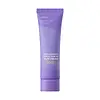
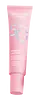
Isntree Onion Newpair Purple Tone Up Sun Cream SPF 50+ Versus Wardah UV Shield Tone Up Sunscreen 50+
This chemical sunscreen covers the full UV range and blocks ~98% of UVB at SPF 50.
This hybrid sunscreen covers the full UV range, though its SPF isn't confirmed on file yet.


What's inside
What's inside
 Key Ingredients
Benefits
Concerns
Ingredients Side-by-side
Water
Skin ConditioningButylene Glycol
Humectant

CI 77891
Cosmetic ColorantPropanediol
Solvent
Dibutyl Adipate
EmollientNiacinamide
Smoothing










Isononyl Isononanoate
EmollientButyloctyl Salicylate
Skin Conditioning

Diethylamino Hydroxybenzoyl Hexyl Benzoate
UV Filter
Diisopropyl Sebacate
EmollientPentylene Glycol
Skin Conditioning
Behenyl Alcohol
Emollient
Sphingomonas Ferment Extract
Skin Conditioning

Allium Cepa Bulb Extract
Skin Conditioning
Sodium Hyaluronate
Humectant
Camellia Sinensis Leaf Extract
Antimicrobial
Lavandula Angustifolia Flower Extract
Cleansing

Bis-Ethylhexyloxyphenol Methoxyphenyl Triazine
UV Absorber
Diphenylsiloxy Phenyl Trimethicone
Skin Conditioning
Ethylhexyl Triazone
UV Absorber
Polysilicone-15
UV Filter
Terephthalylidene Dicamphor Sulfonic Acid
UV Absorber
Trimethylsiloxysilicate
Emollient
Isododecane
EmollientPolyhydroxystearic Acid
Emulsifying
Potassium Cetyl Phosphate
EmulsifyingSodium Polyacryloyldimethyl Taurate
Emulsion Stabilising1,2-Hexanediol
Skin Conditioning
Dimethicone/Vinyl Dimethicone Crosspolymer
Skin Conditioning
Glycerin
Humectant
Tromethamine
BufferingOctyldodecanol
Emollient
Panthenol
Skin Conditioning
Aluminum Hydroxide
EmollientPvp
Emulsion StabilisingStearic Acid
Cleansing
Hydroxyacetophenone
Antioxidant
Hydroxyethyl Acrylate/Sodium Acryloyldimethyl Taurate Copolymer
Emulsion StabilisingAmmonium Polyacryloyldimethyl Taurate
Emulsion StabilisingPolyglyceryl-4 Isostearate
Emulsifying
Microcrystalline Cellulose
AbsorbentPolyglyceryl-2 Dipolyhydroxystearate
Skin Conditioning
Dipotassium Glycyrrhizate
Humectant
Silica
Abrasive
Isopropyl Titanium Triisostearate
Emollient
Adenosine
Skin Conditioning
Trisodium Ethylenediamine Disuccinate
Triethoxycaprylylsilane
Cellulose Gum
Emulsion StabilisingNeopentyl Glycol Diethylhexanoate
Emollient
Hydrogenated Lecithin
Emulsifying
Polyglyceryl-10 Stearate
Skin Conditioning
Ethylhexylglycerin
Skin ConditioningAllantoin
Skin Conditioning
Ascorbyl Glucoside
Antioxidant
Caprylic/Capric Triglyceride
Masking
Tocopherol
Antioxidant
Arginine/Lysine Polypeptide
Skin Conditioning
Polyglyceryl-10 Laurate
Skin Conditioning
Ferulic Acid
Antimicrobial
Glutathione
Quercetin
Antioxidant
CI 77007
Cosmetic ColorantWater, Butylene Glycol, CI 77891, Propanediol, Dibutyl Adipate, Niacinamide, Isononyl Isononanoate, Butyloctyl Salicylate, Diethylamino Hydroxybenzoyl Hexyl Benzoate, Diisopropyl Sebacate, Pentylene Glycol, Behenyl Alcohol, Sphingomonas Ferment Extract, Allium Cepa Bulb Extract, Sodium Hyaluronate, Camellia Sinensis Leaf Extract, Lavandula Angustifolia Flower Extract, Bis-Ethylhexyloxyphenol Methoxyphenyl Triazine, Diphenylsiloxy Phenyl Trimethicone, Ethylhexyl Triazone, Polysilicone-15, Terephthalylidene Dicamphor Sulfonic Acid, Trimethylsiloxysilicate, Isododecane, Polyhydroxystearic Acid, Potassium Cetyl Phosphate, Sodium Polyacryloyldimethyl Taurate, 1,2-Hexanediol, Dimethicone/Vinyl Dimethicone Crosspolymer, Glycerin, Tromethamine, Octyldodecanol, Panthenol, Aluminum Hydroxide, Pvp, Stearic Acid, Hydroxyacetophenone, Hydroxyethyl Acrylate/Sodium Acryloyldimethyl Taurate Copolymer, Ammonium Polyacryloyldimethyl Taurate, Polyglyceryl-4 Isostearate, Microcrystalline Cellulose, Polyglyceryl-2 Dipolyhydroxystearate, Dipotassium Glycyrrhizate, Silica, Isopropyl Titanium Triisostearate, Adenosine, Trisodium Ethylenediamine Disuccinate, Triethoxycaprylylsilane, Cellulose Gum, Neopentyl Glycol Diethylhexanoate, Hydrogenated Lecithin, Polyglyceryl-10 Stearate, Ethylhexylglycerin, Allantoin, Ascorbyl Glucoside, Caprylic/Capric Triglyceride, Tocopherol, Arginine/Lysine Polypeptide, Polyglyceryl-10 Laurate, Ferulic Acid, Glutathione, Quercetin, CI 77007
Water
Skin ConditioningEthylhexyl Methoxycinnamate
UV Absorber
Propanediol
Solvent
Zinc Oxide
Cosmetic Colorant
C12-15 Alkyl Benzoate
AntimicrobialBis-Ethylhexyloxyphenol Methoxyphenyl Triazine
UV Absorber
Dimethicone
Emollient
Diethylamino Hydroxybenzoyl Hexyl Benzoate
UV Filter
Polymethylsilsesquioxane
Titanium Dioxide
Cosmetic Colorant
Arachidyl Alcohol
Emollient
Maleated Soybean Oil Glyceryl/Octyldodecanol Esters

Ammonium Acryloyldimethyltaurate/Vp Copolymer
Behenyl Alcohol
Emollient
Bisabolol
Antioxidant
Butylene Glycol
Humectant
1,2-Hexanediol
Skin Conditioning
Glycerin
Humectant
Arachidyl Glucoside
EmulsifyingDimethicone/Vinyl Dimethicone Crosspolymer
Skin Conditioning
Glycereth-20
HumectantPentylene Glycol
Skin Conditioning
Chlorphenesin
Antimicrobial
Disodium EDTA
Allantoin
Skin Conditioning
Amodimethicone
Carbomer
Emulsion StabilisingSodium Hydroxide
BufferingSilica
Abrasive
Triethoxycaprylylsilane
Polyhydroxystearic Acid
Emulsifying
Caprylhydroxamic Acid
Phenoxyethanol
Preservative
Parfum
Masking


BHT
Antioxidant
Haberlea Rhodopensis Leaf Extract
Skin ConditioningAmmonium Polyacrylate
StabilisingTrideceth-9
EmulsifyingPEG-40 Hydrogenated Castor Oil
Emulsifying
Tranexamic Acid
Astringent
Ethylhexylglycerin
Skin ConditioningPolysorbate 20
Emulsifying
Oligopeptide-68
Bleaching
Hydrogenated Lecithin
Emulsifying
Sodium Oleate
CleansingWater, Ethylhexyl Methoxycinnamate, Propanediol, Zinc Oxide, C12-15 Alkyl Benzoate, Bis-Ethylhexyloxyphenol Methoxyphenyl Triazine, Dimethicone, Diethylamino Hydroxybenzoyl Hexyl Benzoate, Polymethylsilsesquioxane, Titanium Dioxide, Arachidyl Alcohol, Maleated Soybean Oil Glyceryl/Octyldodecanol Esters, Ammonium Acryloyldimethyltaurate/Vp Copolymer, Behenyl Alcohol, Bisabolol, Butylene Glycol, 1,2-Hexanediol, Glycerin, Arachidyl Glucoside, Dimethicone/Vinyl Dimethicone Crosspolymer, Glycereth-20, Pentylene Glycol, Chlorphenesin, Disodium EDTA, Allantoin, Amodimethicone, Carbomer, Sodium Hydroxide, Silica, Triethoxycaprylylsilane, Polyhydroxystearic Acid, Caprylhydroxamic Acid, Phenoxyethanol, Parfum, BHT, Haberlea Rhodopensis Leaf Extract, Ammonium Polyacrylate, Trideceth-9, PEG-40 Hydrogenated Castor Oil, Tranexamic Acid, Ethylhexylglycerin, Polysorbate 20, Oligopeptide-68, Hydrogenated Lecithin, Sodium Oleate
Reviews
Ingredients Explained
These ingredients are found in both products.
Ingredients higher up in an ingredient list are typically present in a larger amount.
1,2-Hexanediol is a synthetic liquid and another multi-functional powerhouse.
It is a:
- Humectant, drawing moisture into the skin
- Emollient, helping to soften skin
- Solvent, dispersing and stabilizing formulas
- Preservative booster, enhancing the antimicrobial activity of other preservatives
Allantoin is a soothing ingredient known for its protective and moisturizing properties; it's basically a quiet workhorse ingredient you can find in a huge range of cosmetics.
Though it can be derived from the comfrey plant, allantoin is produced synthetically for cosmetic products to ensure purity.
Research shows it can encourage your skin cells to turn over and renew by stimulating keratinocyte and fibroblast proliferation.
It also has mild keratolytic properties to help loosen and shed dead skin cells without being harsh.
Studies also suggest allantoin can help calm inflammation by dialing down some of the chemical signals your skin sends out when it is irritated.
This ingredient is typically used in the 0.1-0.5% range, and the FDA recognizes it as a skin protectant in OTC products up to 2%.
Overall, allantoin is a wonderful addition to most routines; it is stable across a wide pH range (~4-8), works well with other ingredients, and is considered non-sensitizing/non-irritating.
Fun fact: Allantoin is naturally occurring in comfrey root, beets, chamomile, and wheat sprouts. Our bodies even produce it as a byproduct of uric acid metabolism.
Learn more about AllantoinBehenyl Alcohol is a type of fatty alcohol (these are different from the drying, solvent alcohols).
Fatty Alcohols have hydrating properties and are most often used as an emollient or to thicken a product. They are usually derived from natural fats and oils; behenyl alcohol is derived from the fats of vegetable oils.
Emollients help keep your skin soft and hydrated by creating a film that traps moisture in.
In 2000, Behenyl Alcohol was approved by the US as medicine to reduce the duration of cold sores.
Learn more about Behenyl AlcoholThis ingredient is better known as bemotrizinol or Tinosorb S and is one of the best broad-spectrum UV filters in modern sunscreen.
It works by absorbing UV light across a whole range (280-400 nm) with peaks around 310 nm (UVB) and 340-345 nm (UVA). This means it covers UVB plus the deeper UVA wavelengths that drive photoaging and pigmentation.
Another pro?
It's exceptionally photostable, barely degrades in sunlight, and acts as a "bodyguard" for less stable filters.
That's why you'll see it paired with avobenzone or octinoxate; this team up ensures they keep working through sun exposure.
Safety reviews have been reassuring across the board. This ingredient shows low absorption through the skin, rarely irritates, and lab studies found it doesn't act like a hormone in the body (a concern that's been raised about some older sunscreen filters).
On maximum concentrations:
In 2026, the US F.D.A finally added it as an OTC sunscreen ingredient at concentrations up to 6% for adults / children 6 months and older
Learn more about Bis-Ethylhexyloxyphenol Methoxyphenyl TriazineButylene Glycol (or BG) is used within cosmetic products for a few different reasons:
Overall, Butylene Glycol is a safe and well-rounded ingredient that works well with other ingredients.
Though this ingredient works well with most skin types, some people with sensitive skin may experience a reaction such as allergic rashes, closed comedones, or itchiness.
Learn more about Butylene GlycolDiethylamino Hydroxybenzoyl Hexyl Benzoate (DHHB) is a chemical UV-A absorber. It is formulated for high UVA protection (320-400 nm).
DHHB is well-liked for:
DHHB has been approved by the EU, Japan, Taiwan, and South America for use up to 10%. Unfortunately, it has not been approved for use in the US or Canada due to slow regulatory processes.
This ingredient is soluble in oils, fats, and lipids.
Learn more about Diethylamino Hydroxybenzoyl Hexyl BenzoateThis ingredient is a silicone elastomer that works as a texture enhancer, adds a silky slip, and also helps absorb excess oil.
Because it's a large macromolecule that's insoluble in water and chemically inert, it's not expected to penetrate or be absorbed into skin.
Human patch tests with a facial lotion containing 1% of this ingredient found no sensitization.
Learn more about Dimethicone/Vinyl Dimethicone CrosspolymerEthylhexylglycerin is created from glycerin. It is a multitasker ingredient that:
The CIR Expert Panel found minimal skin absorption or sensitization of any kind in a safety assessment. Though this ingredient is considered well-tolerated, a small number of cases of allergic dermatitis have been published since 2002. Just be sure to patch test if you are unsure.
Industry-reported use ranges from 8% in rinse-off products and 2% in leave-on formulations.
Learn more about EthylhexylglycerinGlycerin (or glycerol) is a compound naturally found in your skin. It's a powerhouse humectant that pulls water into the stratum corneum.
Topically, glycerin does several things at once:
Your skin makes glycerin on its own (mostly from sebaceous oil breakdown) and shuttles it to your outermost layer of skin, or your epidermis, via aquaporin-3.
Aquaporin-3 is a transporter that is essential for normal skin hydration, elasticity, and repair. Interestingly, mice lacking in AQP3 have dry and less elastic skin that can be fully corrected with glycerin.
This ingredient is non-irritating, plays well with almost every ingredient, and works across all skin types. Typical use is anywhere between 3-10% but can go up to 79% in some leave-on products.
Just know very high concentrations (>40%) can feel tacky in low humidity.
Glycerin is the name for this ingredient in American English. British English uses Glycerol/Glycerine.
Learn more about GlycerinHydrogenated Lecithin is a more stable version of lecithin.
It's made by taking lecithin (a phospholipid commonly found in soybeans and egg yolks) and hydrogenating it. This just means the unsaturated fatty acids are turned into saturated ones so they don't go bad as easily.
This ingredient is an emollient, emulsifier, and penetration enhancer. As an emollient, it helps soften and hydrate skin by trapping moisture within. As an emulsifier, it prevents oil and water ingredients from separating.
Hydrogenated Lecithin can form tiny spherical structures made of phospholipid bilayers called liposomes. These liposomes are able to capture compounds inside their structure and deliver them through the skin barrier.
Because phospholipids are a natural component of our cell membranes, this ingredient is inherently compatible with skin.
A 2021 study found lecithin-based surfactants were less harsh and more tolerable comared to Sodium Lauryl Sulfate (SLS).
Learn more about Hydrogenated LecithinPentylene Glycol (1,2-pentanediol) is a multitasking little diol with three main roles in a formula:
Research on alkanediols (the family pentylene glycol belongs to) show they work by disrupting microbial cell membranes. This disruption helps the primary preservative system in a product work more effectively at lower doses.
On the safety side, the Cosmetic Ingredient Review Expert Panel has concluded this ingredient to be safe as used in current cosmetic practices + concentrations.
Typical use levels in a formula run about 1-5%.
Learn more about Pentylene GlycolPolyhydroxystearic Acid is a vegetable-derived soft wax made from castor oil. It's an emulsion stabilizer, thickener, and film former.
You'll likely see it in sunscreens because it helps disperse pigments and UV-reflecting minerals like titanium dioxide and zinc oxide evenly.
Depending on the concentration, it can drastically change the texture of a product from pasty solid (like lipstick) to sprayable liquid.
The CIR Expert Panel for Cosmetic Ingredient Safety has concluded this ingredient to be safe in cosmetics. The highest reported use concentration is 14.2% in lipsticks.
Learn more about Polyhydroxystearic AcidPropanediol is an all-star ingredient. It softens, hydrates, and smooths the skin.
It’s often used to:
Propanediol is not likely to cause sensitivity and considered safe to use. It is derived from corn or petroleum with a clear color and no scent.
Learn more about PropanediolSilica, also known as silicon dioxide, is a naturally occurring mineral. It is used as a fine, spherical, and porous powder in cosmetics.
Though it has exfoliant properties, the function of silica varies depending on the product.
The unique structure of silica enhances the spreadability and adds smoothness, making it a great texture enhancer.
It is also used as an active carrier, emulsifier, and mattifier due to its ability to absorb excess oil.
In some products, tiny microneedles called spicules are made from silica or hydrolyzed sponge. When you rub them in, they lightly polish away dead skin layers and enhance the penetration of active ingredients.
Learn more about SilicaTriethoxycaprylylsilane is a silicon-based surface modifier that makes sunscreens feel silky and makeup stay put.
Its main job is to coat mineral particles like titanium dioxide, zinc oxide, and color pigments in a thin, oily layer so they spread smoothly, don't clump, and stick to skin better.
This ingredient is typically used at low levels (up to 2.5% in eyeshadow and 1% in lipstick).
Learn more about TriethoxycaprylylsilaneWater. It's the most common cosmetic ingredient of all. You'll usually see it at the top of ingredient lists, meaning that it makes up the largest part of the product.
So why is it so popular? Water most often acts as a solvent - this means that it helps dissolve other ingredients into the formulation.
You'll also recognize water as that liquid we all need to stay alive. If you see this, drink a glass of water. Remember to stay hydrated!
Learn more about Water

