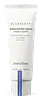
This moisturizer is formulated around Portulaca Oleracea Extract and Vaccinium Angustifolium Fruit Extract to hydrate skin.
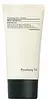
This chemical sunscreen covers the full UV range and blocks ~98% of UVB at SPF 50.

What's inside
What's inside
 Key Ingredients
Benefits
Concerns
Ingredients Side-by-side
Water
Skin ConditioningGlycerin
Humectant


Methylpropanediol
SolventCaprylic/Capric Triglyceride
Masking
Dicaprylyl Carbonate
EmollientCyclomethicone
Emollient
Triethylhexanoin
Masking1,2-Hexanediol
Skin Conditioning
Cetearyl Olivate


Sorbitan Olivate
Emulsifying
Phenyl Trimethicone
Skin Conditioning
Glyceryl Stearate
Emollient
Dimethicone Crosspolymer
Emulsion Stabilising
Hydroxyethyl Acrylate/Sodium Acryloyldimethyl Taurate Copolymer
Emulsion StabilisingButylene Glycol
Humectant
Carbomer
Emulsion StabilisingTromethamine
BufferingTrehalose
Humectant
Glyceryl Caprylate
EmollientCitrus Aurantium Dulcis Peel Oil
Masking

Limonene
Perfuming


Xanthan Gum
EmulsifyingPortulaca Oleracea Extract
Skin Conditioning

Disodium EDTA
Lavandula Angustifolia Oil
Masking
Vaccinium Angustifolium Fruit Extract
Skin Protecting
Linalool
Perfuming
Sodium Hyaluronate
Humectant
Tocopherol
Antioxidant



Hedera Helix Extract
AntimicrobialWater, Glycerin, Methylpropanediol, Caprylic/Capric Triglyceride, Dicaprylyl Carbonate, Cyclomethicone, Triethylhexanoin, 1,2-Hexanediol, Cetearyl Olivate, Sorbitan Olivate, Phenyl Trimethicone, Glyceryl Stearate, Dimethicone Crosspolymer, Hydroxyethyl Acrylate/Sodium Acryloyldimethyl Taurate Copolymer, Butylene Glycol, Carbomer, Tromethamine, Trehalose, Glyceryl Caprylate, Citrus Aurantium Dulcis Peel Oil, Limonene, Xanthan Gum, Portulaca Oleracea Extract, Disodium EDTA, Lavandula Angustifolia Oil, Vaccinium Angustifolium Fruit Extract, Linalool, Sodium Hyaluronate, Tocopherol, Hedera Helix Extract
Water
Skin ConditioningDipropylene Glycol
HumectantEthylhexyl Methoxycinnamate
UV Absorber

Homosalate
Skin Conditioning
Bis-Ethylhexyloxyphenol Methoxyphenyl Triazine
UV Absorber
Ethylhexyl Salicylate
UV Absorber
Glycerin
Humectant
Niacinamide
Smoothing




Polyglyceryl-3 Distearate
Emulsifying
Cetyl Alcohol
Emollient
Butyloctyl Salicylate
Skin Conditioning
Aluminum Starch Octenylsuccinate
Absorbent
Allantoin
Skin Conditioning
Panthenol
Skin Conditioning
Lecithin
Emollient
Hydroxyacetophenone
Antioxidant
Pentylene Glycol
Skin Conditioning
Caprylyl Glycol
Emollient
Citric Acid
Buffering
Centella Asiatica Extract
Cleansing
Gluconolactone
Skin Conditioning
Lonicera Japonica Flower Extract
Skin ConditioningSodium Hyaluronate
Humectant
Salvia Officinalis Leaf Extract
CleansingMelaleuca Alternifolia Leaf Extract
Perfuming
Camellia Japonica Flower Extract
EmollientCentella Asiatica Leaf Extract
Skin Conditioning
Caprylic/Capric Triglyceride
Masking
Cetyl Ethylhexanoate
EmollientEthylhexyl Palmitate
Emollient

Arginine
Masking
Hydrolyzed Hyaluronic Acid
Humectant
Hydroxypropyltrimonium Hyaluronate
Ceramide NP
Skin Conditioning
Dipotassium Glycyrrhizate
Humectant
Sodium Hyaluronate Crosspolymer
Humectant
Madecassoside
Antioxidant
Madecassic Acid
Skin Conditioning
Sodium Acetylated Hyaluronate
Humectant
Asiaticoside
Antioxidant
Asiatic Acid
Skin Conditioning
Dimethicone/Vinyl Dimethicone Crosspolymer
Skin Conditioning
Glyceryl Stearate
Emollient
Glyceryl Caprylate
EmollientTrehalose
Humectant
Sorbitan Sesquioleate
Emulsifying
Potassium Cetyl Phosphate
EmulsifyingTromethamine
BufferingAcrylates/C10-30 Alkyl Acrylate Crosspolymer
Emulsion StabilisingCarbomer
Emulsion StabilisingGlyceryl Stearate Citrate
Emollient
Butylene Glycol
Humectant
Polyglyceryl-10 Myristate
Skin Conditioning
Ethylhexylglycerin
Skin ConditioningAdenosine
Skin Conditioning
Disodium EDTA
Tocopheryl Acetate
Antioxidant
1,2-Hexanediol
Skin Conditioning
Water, Dipropylene Glycol, Ethylhexyl Methoxycinnamate, Homosalate, Bis-Ethylhexyloxyphenol Methoxyphenyl Triazine, Ethylhexyl Salicylate, Glycerin, Niacinamide, Polyglyceryl-3 Distearate, Cetyl Alcohol, Butyloctyl Salicylate, Aluminum Starch Octenylsuccinate, Allantoin, Panthenol, Lecithin, Hydroxyacetophenone, Pentylene Glycol, Caprylyl Glycol, Citric Acid, Centella Asiatica Extract, Gluconolactone, Lonicera Japonica Flower Extract, Sodium Hyaluronate, Salvia Officinalis Leaf Extract, Melaleuca Alternifolia Leaf Extract, Camellia Japonica Flower Extract, Centella Asiatica Leaf Extract, Caprylic/Capric Triglyceride, Cetyl Ethylhexanoate, Ethylhexyl Palmitate, Arginine, Hydrolyzed Hyaluronic Acid, Hydroxypropyltrimonium Hyaluronate, Ceramide NP, Dipotassium Glycyrrhizate, Sodium Hyaluronate Crosspolymer, Madecassoside, Madecassic Acid, Sodium Acetylated Hyaluronate, Asiaticoside, Asiatic Acid, Dimethicone/Vinyl Dimethicone Crosspolymer, Glyceryl Stearate, Glyceryl Caprylate, Trehalose, Sorbitan Sesquioleate, Potassium Cetyl Phosphate, Tromethamine, Acrylates/C10-30 Alkyl Acrylate Crosspolymer, Carbomer, Glyceryl Stearate Citrate, Butylene Glycol, Polyglyceryl-10 Myristate, Ethylhexylglycerin, Adenosine, Disodium EDTA, Tocopheryl Acetate, 1,2-Hexanediol
Reviews
Ingredients Explained
These ingredients are found in both products.
Ingredients higher up in an ingredient list are typically present in a larger amount.
1,2-Hexanediol is a synthetic liquid and another multi-functional powerhouse.
It is a:
- Humectant, drawing moisture into the skin
- Emollient, helping to soften skin
- Solvent, dispersing and stabilizing formulas
- Preservative booster, enhancing the antimicrobial activity of other preservatives
Butylene Glycol (or BG) is used within cosmetic products for a few different reasons:
Overall, Butylene Glycol is a safe and well-rounded ingredient that works well with other ingredients.
Though this ingredient works well with most skin types, some people with sensitive skin may experience a reaction such as allergic rashes, closed comedones, or itchiness.
Learn more about Butylene GlycolCaprylic/Capric Triglyceride (aka MCT Oil) is a lightweight emollient, solvent, and texture enhancer. It is considered a skin-softener by helping to prevent moisture loss.
Though it behaves like an oil, it is not technically one due to its chemical composition. One perk of this ingredient is that it is very stable, resistant to oxidation, and unlikely to go rancid.
In practice, that translates to a long shelf life and a consistently elegant skin feel.
While there is an assumption Caprylic Triglyceride can clog pores due to it being derived from coconut oil, there is no research supporting this. Just patch test if you have concerns.
Fractionated coconut oil and MCT Oil are both listed as Caprylic/Capric Triglyceride according to INCI. This is because INCI names are based on the ingredient’s final chemical composition and not its marketing name or source.
This ingredient is treated as the gold standard fungal acne safe oil. Even though it is coconut derived, the problematic lauric acid is stripped out.
This leaves just caprylic (C8) and capric (C10) acid. These chain lengths actually trend antifungal; a 2020 study found caprylic acid was enough to disrupt Malassezia furfur cell membrane, with a caprylic acid derivative damaging membrane structures at concentrations as low as 0.2%.
Learn more about Caprylic/Capric TriglycerideCarbomer is a synthetic thickening and gelling agent. It's basically the ingredient that gives a lot of serums, gels, creams, and sunscreens their smooth, non-sticky texture.
Although legally permitted at very high levels, carbomers are normally used at concentrations below 1%.
It also needs to be neutralized to actually thicken, and because it is a large molecule, it doesn't really penetrate the skin barrier.
Allergy-wise, the risk is very low. Clinical studies show carbomers have low potential for skin irritation/sensitization even at concentrations up to 100%.
A 2024 UK study patch-tested 1,302 patients and found true allergy to the parent group of carbomer to be rare with no confirmed relevant reactions.
Learn more about CarbomerDisodium EDTA is a chelating agent. It grabs onto and deactivates metal ions that sneak into your products from water, packaging, or air.
This ingredient mainly works behind the scenes and helps with:
On top of that, this ingredient can counteract the effects of hard water by binding to the minerals in it.
One thing worth knowing is that Disodium EDTA has been shown to be a mild penetration enhancer. It can help other ingredients absorb into skin more effectively which can be a double-edged sword (great for actives, but can also make the active too strong if you have sensitive skin).
Clinical patch testing showed no significant skin irritation at typical use concentrations and minimal dermal absorption.
You'll most likely see this ingredient near the end of an ingredient list. It's typically found in concentrations less than 1%.
Learn more about Disodium EDTAGlycerin (or glycerol) is a compound naturally found in your skin. It's a powerhouse humectant that pulls water into the stratum corneum.
Topically, glycerin does several things at once:
Your skin makes glycerin on its own (mostly from sebaceous oil breakdown) and shuttles it to your outermost layer of skin, or your epidermis, via aquaporin-3.
Aquaporin-3 is a transporter that is essential for normal skin hydration, elasticity, and repair. Interestingly, mice lacking in AQP3 have dry and less elastic skin that can be fully corrected with glycerin.
This ingredient is non-irritating, plays well with almost every ingredient, and works across all skin types. Typical use is anywhere between 3-10% but can go up to 79% in some leave-on products.
Just know very high concentrations (>40%) can feel tacky in low humidity.
Glycerin is the name for this ingredient in American English. British English uses Glycerol/Glycerine.
Learn more about GlycerinGlyceryl Caprylate comes from glycerin and caprylic acid. It is an emollient, co-emulsifier, and preservative booster.
Its short C8 fatty acid chain makes it behave differently from its longer-chain emollient cousins like Glyceryl Stearate. It feels more lightweight, fast-absorbing, and silky instead of rich and waxy.
As a co-emulsifier, its "head" and "tail" sit at the oil-water interface. But overall, the short C8 tail and not being water soluble means it doesn't really have the muscle to emulsify a formula on its own. That's why you'll often see it paired with a primary emulsifier like Cetearyl Glucoside.
Interestingly, Glyceryl Caprylate acts as a preservative booster. This is because its fatty-acid backbone disrupts microbial lipid membranes. It shows excellent activity against bacteria and yeast but is weaker against mold.
Typical concentrations range from 0.5-1% and this ingredient is generally non-irritating.
Because this ingredient has a C8 fatty acid chain, it is outside the range that the Malassezia yeast metabolizes (making it fungal acne safe).
Learn more about Glyceryl CaprylateGlyceryl Stearate is made by reacting glycerin with stearic acid (typically sourced from plant oils like palm or coconut). It's an emulsifier, emollient, and mild occlusive.
Emulsifiers help ingredients like oil and water stay mixed so your formula stays nicely blended and uniform in texture.
This ingredient is typically used in concentrations between 1-10%. Studies have found it to be non-sensitizing, non-phototoxic, and non-photoallergenic.
A close cousin of this ingredient is Glyceryl Stearate SE ("self-emulsifying"). This just has a small amount of sodium or potassium stearate added so it can emulsify without a co-emulsifier.
Since this ingredient is an ester of a C18 fatty acid, it may not be fungal acne safe. The Malassezia yeast can potentially metabolize within the C11-C24 range.
Fun fact: The human body also creates Glyceryl Stearate naturally.
Learn more about Glyceryl StearateSodium Hyaluronate is the salt form of hyaluronic acid. It is a long sugar chain that is naturally found in your skin, joints, and connective tissue that maintains hydration and elasticity.
In skincare, it works as a humectant. It pulls water from the environment and deeper layers of skin and binds it to the surface.
Interestingly, the size of the molecule affects its behavior:
Some clinical evidence links low molecular weight versions to improved wrinkle depth, elasticity, anti-inflammatory effects, and barrier repair.
Many serums use a blend of both weights so you can get surface hydration plus longer-lasting and deeper effects.
You'll typically see concentrations between 0.1-2% for this ingredient.
Learn more about Sodium HyaluronateTrehalose is a disaccharide made of two glucose molecules (glucose is sugar!). Trehalose is used to help moisturize skin. It also has antioxidant properties.
As a humectant, trehalose helps draw moisture from the air to your skin. This helps keep your skin hydrated.
Due to its antioxidant properties, trehalose may help with signs of aging. Antioxidants help fight free-radical molecules, unstable molecules that may damage your skin.
In medicine, trehalose and hyaluronic acid are used to help treat dry eyes.
Some animals, plants, and bacteria create trehalose as a source of energy to survive freeze or lack of water.
Learn more about TrehaloseTromethamine (aka THAM) is a synthetic amino acid that shows up in skincare as a helper ingredient.
It functions as a pH adjuster to help neutralize acidic ingredients and set a formula's pH to the right spot.
This matters a lot because a lot of actives (like vitamin C) needs a specific pH to work well and feel comfortable on skin.
Concentration use ranges from 0.1-1.0% depending on the formula.
Learn more about TromethamineWater. It's the most common cosmetic ingredient of all. You'll usually see it at the top of ingredient lists, meaning that it makes up the largest part of the product.
So why is it so popular? Water most often acts as a solvent - this means that it helps dissolve other ingredients into the formulation.
You'll also recognize water as that liquid we all need to stay alive. If you see this, drink a glass of water. Remember to stay hydrated!
Learn more about Water

