
What's inside
What's inside
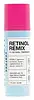 Key Ingredients
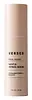
Benefits
Concerns
Ingredients Side-by-side
Water
Skin ConditioningGlycerin
Humectant


Stearic Acid
Cleansing

Coco-Caprylate
Emollient
Coconut Alkanes
Emollient
Glycine Soja Oil
Emollient



Dimethicone
Emollient
Caprylic/Capric Triglyceride
Masking
Cetearyl Alcohol
Emollient
Arachidyl Alcohol
Emollient
Bis-Diglyceryl Polyacyladipate-2
Emollient
Propanediol
Solvent
Hydrogenated Polydecene
EmollientTranexamic Acid
Astringent


Glyceryl Oleate Citrate
Emulsifying
Retinol
Skin Conditioning






Retinal
Skin Conditioning
N-Prolyl Palmitoyl Tripeptide-56 Acetate
Skin Conditioning
Hydroxypinacolone Retinoate
Skin Conditioning
Tasmannia Lanceolata Fruit/Leaf Extract
Antioxidant
Centella Asiatica Leaf Extract
Skin Conditioning
Hyaluronic Acid
Humectant
Sodium Hyaluronate
Humectant
Calendula Officinalis Flower Extract
Masking
Anthemis Nobilis Flower Oil
Masking
Oryza Sativa Bran Extract
Skin Conditioning
Simmondsia Chinensis Seed Oil
Emollient
Haematococcus Pluvialis Extract
Antioxidant
Chamomilla Recutita Flower Extract
Masking
Helianthus Annuus Extract
Emollient
Rosmarinus Officinalis Leaf Extract
AntimicrobialHelianthus Annuus Seed Oil
Emollient
Carthamus Tinctorius Seed Oil
Masking
Acacia Senegal Gum
MaskingXanthan Gum
EmulsifyingCoco-Glucoside
Cleansing
Tetrahexyldecyl Ascorbate
Antioxidant
Glucose
Humectant
Xanthophylls
Skin ConditioningLecithin
Emollient
Coco-Caprylate/Caprate
Emollient
Caprylyl Glycol
Emollient
1,2-Hexanediol
Skin Conditioning
Cellulose Gum
Emulsion StabilisingSorbitan Isostearate
Emulsifying
Hydroxyethyl Acrylate/Sodium Acryloyldimethyl Taurate Copolymer
Emulsion StabilisingBehenyl Alcohol
Emollient
Hydroxyacetophenone
Antioxidant
Arachidyl Glucoside
EmulsifyingDimethyl Isosorbide
SolventMicrocrystalline Cellulose
AbsorbentPentylene Glycol
Skin Conditioning
Sodium Phytate
Tocopherol
Antioxidant
Water, Glycerin, Stearic Acid, Coco-Caprylate, Coconut Alkanes, Glycine Soja Oil, Dimethicone, Caprylic/Capric Triglyceride, Cetearyl Alcohol, Arachidyl Alcohol, Bis-Diglyceryl Polyacyladipate-2, Propanediol, Hydrogenated Polydecene, Tranexamic Acid, Glyceryl Oleate Citrate, Retinol, Retinal, N-Prolyl Palmitoyl Tripeptide-56 Acetate, Hydroxypinacolone Retinoate, Tasmannia Lanceolata Fruit/Leaf Extract, Centella Asiatica Leaf Extract, Hyaluronic Acid, Sodium Hyaluronate, Calendula Officinalis Flower Extract, Anthemis Nobilis Flower Oil, Oryza Sativa Bran Extract, Simmondsia Chinensis Seed Oil, Haematococcus Pluvialis Extract, Chamomilla Recutita Flower Extract, Helianthus Annuus Extract, Rosmarinus Officinalis Leaf Extract, Helianthus Annuus Seed Oil, Carthamus Tinctorius Seed Oil, Acacia Senegal Gum, Xanthan Gum, Coco-Glucoside, Tetrahexyldecyl Ascorbate, Glucose, Xanthophylls, Lecithin, Coco-Caprylate/Caprate, Caprylyl Glycol, 1,2-Hexanediol, Cellulose Gum, Sorbitan Isostearate, Hydroxyethyl Acrylate/Sodium Acryloyldimethyl Taurate Copolymer, Behenyl Alcohol, Hydroxyacetophenone, Arachidyl Glucoside, Dimethyl Isosorbide, Microcrystalline Cellulose, Pentylene Glycol, Sodium Phytate, Tocopherol
Water
Skin ConditioningHelianthus Annuus Seed Oil
Emollient
Aloe Barbadensis Leaf Juice
Skin Conditioning
Sodium Acrylate/Sodium Acryloyldimethyl Taurate Copolymer
Emulsion StabilisingSilica
Abrasive
Retinol
Skin Conditioning
Tocopherol
Antioxidant
Tocopheryl Acetate
Antioxidant
Bakuchiol
Antimicrobial
Crithmum Maritimum Extract
Skin ConditioningChamomilla Recutita Extract
Skin Conditioning
Melia Azadirachta Flower Extract
Skin ConditioningMelia Azadirachta Leaf Extract
Skin ConditioningPaeonia Lactiflora Root Extract
Skin ConditioningOpuntia Streptacantha Stem Extract
HumectantLactobacillus/Papaya Fruit Ferment Extract
Abrasive
Butyrospermum Parkii Butter
Skin Conditioning
Rosa Canina Seed Oil
Emollient
Hippophae Rhamnoides Seed Oil
Skin Protecting
Hydrogenated Vegetable Oil
Emollient
Sodium Hyaluronate
Humectant
Glycerin
Humectant
Lecithin
Emollient
Caprylyl Glycol
Emollient
Caprylic/Capric Triglyceride
Masking
Xylitol
Humectant
Anhydroxylitol
Humectant
Xylitylglucoside
Humectant
Trehalose
Humectant
Sorbitan Oleate
Emulsifying
Polysorbate 20
Emulsifying
Polysorbate 80
Emulsifying
Hexylene Glycol
EmulsifyingIsohexadecane
EmollientPhenoxyethanol
Preservative
Ethylhexylglycerin
Skin ConditioningSorbic Acid
Preservative
Potassium Sorbate
Preservative
Sodium Benzoate
Masking
Leuconostoc/Radish Root Ferment Filtrate
Antimicrobial
Citric Acid
Buffering
Water, Helianthus Annuus Seed Oil, Aloe Barbadensis Leaf Juice, Sodium Acrylate/Sodium Acryloyldimethyl Taurate Copolymer, Silica, Retinol, Tocopherol, Tocopheryl Acetate, Bakuchiol, Crithmum Maritimum Extract, Chamomilla Recutita Extract, Melia Azadirachta Flower Extract, Melia Azadirachta Leaf Extract, Paeonia Lactiflora Root Extract, Opuntia Streptacantha Stem Extract, Lactobacillus/Papaya Fruit Ferment Extract, Butyrospermum Parkii Butter, Rosa Canina Seed Oil, Hippophae Rhamnoides Seed Oil, Hydrogenated Vegetable Oil, Sodium Hyaluronate, Glycerin, Lecithin, Caprylyl Glycol, Caprylic/Capric Triglyceride, Xylitol, Anhydroxylitol, Xylitylglucoside, Trehalose, Sorbitan Oleate, Polysorbate 20, Polysorbate 80, Hexylene Glycol, Isohexadecane, Phenoxyethanol, Ethylhexylglycerin, Sorbic Acid, Potassium Sorbate, Sodium Benzoate, Leuconostoc/Radish Root Ferment Filtrate, Citric Acid
Reviews
Ingredients Explained
These ingredients are found in both products.
Ingredients higher up in an ingredient list are typically present in a larger amount.
This ingredient is a lightweight emollient, solvent, and texture enhancer. It is considered a skin-softener by helping the skin prevent moisture loss.
It helps thicken a product's formula and makes it easier to spread by dissolving clumping compounds.
Caprylic Triglyceride is made by combining glycerin with coconut oil, forming a clear liquid. Though it behaves like an oil, it is not technically one due to its chemical composition. It is very stable, resistant to oxidation, and unlikely to go rancid. In practice, that translates to a long shelf life and a consistently elegant skin feel.
While there is an assumption Caprylic Triglyceride can clog pores due to it being derived from coconut oil, there is no research supporting this. Be sure to patch test if you have concerns.
Fractionated coconut oil and MCT Oil are both listed as Caprylic/Capric Triglyceride according to INCI. This is because INCI names are based on the ingredient’s final chemical composition and not its marketing name or source.
Learn more about Caprylic/Capric TriglycerideCaprylyl Glycol is a humectant, skin conditioner, emollient, and preservative booster derived from either caprylic acid or synthetically created.
Typical use levels vary from 0.3-1% as a preservative booster and go up to 2% to condition skin.
Because it is not a free-fatty acid or alcohol, this ingredient is fungal acne safe (there's nothing for Malassezia to feed on).
Learn more about Caprylyl GlycolGlycerin (or glycerol) is a compound naturally found in your skin. It's a powerhouse humectant that pulls water into the stratum corneum.
Topically, glycerin does several things at once:
Your skin makes glycerin on its own (mostly from sebaceous oil breakdown) and shuttles it to your outermost layer of skin, or your epidermis, via aquaporin-3.
Aquaporin-3 is a transporter that is essential for normal skin hydration, elasticity, and repair. Interestingly, mice lacking in AQP3 have dry and less elastic skin that can be fully corrected with glycerin.
This ingredient is non-irritating, plays well with almost every ingredient, and works across all skin types. Typical use is anywhere between 3-10% but can go up to 79% in some leave-on products.
Just know very high concentrations (>40%) can feel tacky in low humidity.
Glycerin is the name for this ingredient in American English. British English uses Glycerol/Glycerine.
Learn more about GlycerinHelianthus Annuus Seed Oil is a plant oil derived from the seeds of a sunflower.
It is rich in fatty acids, primarily linoleic acid and oleic acid. This gives it emollient and skin conditioning properties.
The reason this ingredient is so effective is because it forms a thin film on the skin that reduces transepidermal water loss (TEWL) while supplying linoleic acid to the stratum corneum to improve barrier strength.
The high linoleic acid content is particularly noteworthy for acne-prone skin.
Research suggests that acne-prone skin tends to be deficient in linoleic acid in sebum. Topical application may help replenish this to support a healthier follicular environment and less comedone-promoting sebum.
One randomized study found sunflower seed oil preserved skin barrier integrity in adult volunteers with and without atopic dermatitis (outperforming olive oil).
This ingredient is well-studied, gentle, and an effective emollient suitable for most skin types.
On fungal acne: This ingredient may not be Fungal acne (Malassezia folliculitis) safe. This is because it contains fatty acids with carbon chain lengths in the C11-C24 range.
Learn more about Helianthus Annuus Seed OilLecithin is a term for a group of substances found in the cell membranes of plants, animals, and humans. They are made up of phospholipids.
Thanks to its amphiphilic structure (water-loving head and oil-loving tail), it is a true multitasker:
It plays well with most ingredients and is typically used at 0.1-1%. However, concentrations up to 50% have been reported in moisturizers.
Depending on the source of this ingredient, lecithin may not be fungal acne safe. This is because some sources of lecithin come from soybean oil, which may feed the malassezia yeast that causes fungal acne.
We recommend reaching out to the brand you are purchasing from to inquire about the source of their lecithin.
Learn more about LecithinRetinol is a gold-standard ingredient for anti-aging. It is a form of Vitamin A and belongs to the class of retinoids that also includes tretinoin.
Why is retinol famous?
It has the most scientific studies backing up its skin benefits out of all the non-prescription ingredients.
Retinol is proven to:
This is why retinol is effective at removing wrinkles, fading dark spots, treating acne, and reducing the appearance of pores.
Studies show retinol is less effective when exposed to UV. Be sure to look for appropriate packaging to keep your retinol potent (similar to Vitamin C).
Using retinol or any retinoids will increase sun-sensitivity in the first few months. Though studies show retinoids increase your skin's natural SPF with continuous use, it is best to always wear sunscreen and sun-protection.
We recommend speaking with a medical professional about using this ingredient during pregnancy.
Retinol may cause irritation in some people, so be sure to patch test. Experts recommend 'ramping up' retinol use: start using this ingredient once a week and work up to using it daily.
Read about Tretinoin
Learn more about RetinolSodium Hyaluronate is the salt form of hyaluronic acid. It is a long sugar chain that is naturally found in your skin, joints, and connective tissue that maintains hydration and elasticity.
In skincare, it works as a humectant. It pulls water from the environment and deeper layers of skin and binds it to the surface.
Interestingly, the size of the molecule affects its behavior:
Some clinical evidence links low molecular weight versions to improved wrinkle depth, elasticity, anti-inflammatory effects, and barrier repair.
Many serums use a blend of both weights so you can get surface hydration plus longer-lasting and deeper effects.
You'll typically see concentrations between 0.1-2% for this ingredient.
Learn more about Sodium HyaluronateTocopherol is a fat-soluble antioxidant known as Vitamin E.
You'll find this ingredient in the vast majority of skincare (for good reason). It works to neutralize free radicals, or unstable molecules generated by UV exposure, pollution, and other environmental stressors, before they can cause oxidative damage to your skin cells.
Topically applied tocopherol has been shown to protect against UV damage by ramping up the skin's own natural defense enzymes.
It also acts as a skin conditioning agent; some studies show that regular topical use can improve the skin's water-binding capacity over 2-4 weeks.
This ingredient is especially loved for being a team player. When combined with Vitamin C, the photoprotective effect of both ingredients roughly doubles and the combo also helps reduce UV-induced DNA damage.
This ingredient has some brightening potential but it's more of a prevention ingredient than spot-fader. Cell studies show it can slow down melanin production but it's worth noting that it's not the most powerful brightener out there.
In formulations, it also serves as a stabilizer that helps protect other oxidation-prone ingredients from degrading.
Concentrations usually range from 0.1-1% in most leave-on products.
Learn more about TocopherolWater. It's the most common cosmetic ingredient of all. You'll usually see it at the top of ingredient lists, meaning that it makes up the largest part of the product.
So why is it so popular? Water most often acts as a solvent - this means that it helps dissolve other ingredients into the formulation.
You'll also recognize water as that liquid we all need to stay alive. If you see this, drink a glass of water. Remember to stay hydrated!
Learn more about Water
