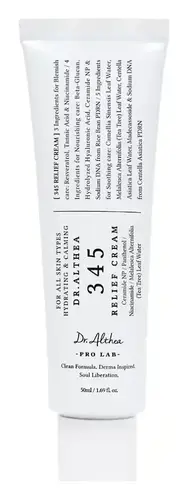
This calming moisturizer is formulated around Centella Asiatica Leaf Water and Panthenol to calm redness and strengthen the skin barrier.
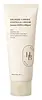
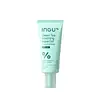
This calming moisturizer is formulated around Niacinamide and Ectoin to calm redness and strengthen the skin barrier.

What's inside
What's inside
 Key Ingredients
Benefits
Concerns
Ingredients Side-by-side
Centella Asiatica Leaf Water
Skin Conditioning


Butylene Glycol
Humectant
Glycerin
Humectant
Caprylic/Capric Triglyceride
Masking
Hydrogenated Poly(C6-14 Olefin)
EmollientWater
Skin ConditioningPropanediol
Solvent
Dipropylene Glycol
HumectantPentaerythrityl Tetraethylhexanoate
Emollient
1,2-Hexanediol
Skin Conditioning
Cyclohexasiloxane
Emollient
Helianthus Annuus Seed Oil
Emollient


Cetearyl Olivate
Sorbitan Olivate
Emulsifying
Ammonium Acryloyldimethyltaurate/Vp Copolymer
Acrylates/C10-30 Alkyl Acrylate Crosspolymer
Emulsion StabilisingTromethamine
BufferingSalmon Egg Extract
Sodium Polyacrylate
Absorbent
Betaine
Humectant
Panthenol
Skin Conditioning
Camellia Sinensis Leaf Water
Masking
Sodium Hyaluronate
Humectant

Ethylhexylglycerin
Skin ConditioningXanthan Gum
EmulsifyingAdenosine
Skin Conditioning
Disodium EDTA
Dextrin
AbsorbentPortulaca Oleracea Extract
Skin Conditioning
Hydrolyzed Collagen
Emollient
Theobroma Cacao Extract
Skin ConditioningTocopherol
Antioxidant



Hyaluronic Acid
Humectant
Madecassoside
Antioxidant
Sodium DNA
Skin Conditioning
Maltodextrin
Absorbent
Persea Gratissima Fruit Extract
EmollientHydrolyzed Hyaluronic Acid
Humectant
Centella Asiatica Leaf Water, Butylene Glycol, Glycerin, Caprylic/Capric Triglyceride, Hydrogenated Poly(C6-14 Olefin), Water, Propanediol, Dipropylene Glycol, Pentaerythrityl Tetraethylhexanoate, 1,2-Hexanediol, Cyclohexasiloxane, Helianthus Annuus Seed Oil, Cetearyl Olivate, Sorbitan Olivate, Ammonium Acryloyldimethyltaurate/Vp Copolymer, Acrylates/C10-30 Alkyl Acrylate Crosspolymer, Tromethamine, Salmon Egg Extract, Sodium Polyacrylate, Betaine, Panthenol, Camellia Sinensis Leaf Water, Sodium Hyaluronate, Ethylhexylglycerin, Xanthan Gum, Adenosine, Disodium EDTA, Dextrin, Portulaca Oleracea Extract, Hydrolyzed Collagen, Theobroma Cacao Extract, Tocopherol, Hyaluronic Acid, Madecassoside, Sodium DNA, Maltodextrin, Persea Gratissima Fruit Extract, Hydrolyzed Hyaluronic Acid
Water
Skin ConditioningGlycerin
Humectant
Niacinamide
Smoothing



Xylitylglucoside
Humectant
Ectoin
Skin Conditioning
Diglycerin
Humectant
Anhydroxylitol
Humectant
Propylene Glycol
Humectant
C15-19 Alkane
SolventPropylene Glycol Dicaprylate/Dicaprate
EmollientSqualane
Emollient
Saccharide Isomerate
Humectant
Caprylic/Capric Triglyceride
Masking
Glyceryl Acrylate/Acrylic Acid Copolymer
HumectantHydroxyethyl Urea
Humectant
Betaine
Humectant
Xylitol
Humectant
Polyacrylate Crosspolymer-6
Emulsion StabilisingLactobacillus Ferment Lysate
Skin Conditioning
Arginine
Masking
Camellia Sinensis Leaf Extract
Antimicrobial
Polyglyceryl-4 Caprate
EmulsifyingHelianthus Annuus Seed Oil
Emollient
Ceramide NP
Skin Conditioning
Bentonite
Absorbent
Ceramide Ng
Skin Conditioning
Ceramide AP
Skin Conditioning
Phytosterols
Skin Conditioning
Phytosphingosine
Skin Conditioning
Propanediol
Solvent
Acacia Senegal Gum
MaskingAcetylphytosphingosine
Skin ConditioningQuartz
Abrasive
Astragalus Gummifer Gum
Emulsion StabilisingSodium Hyaluronate
Humectant
Hydrolyzed Hyaluronic Acid
Humectant
Sodium Acetylated Hyaluronate
Humectant
Ammonium Acryloyldimethyltaurate/Vp Copolymer
Isododecane
EmollientNeopentyl Glycol Diheptanoate
EmollientPentylene Glycol
Skin Conditioning
Xanthan Gum
EmulsifyingCetyl Alcohol
Emollient
Disodium EDTA
Methyl Diisopropyl Propionamide
MaskingEthylhexylglycerin
Skin ConditioningGlucose
Humectant
Glyceryl Stearate
Emollient
Stearyl Alcohol
Emollient
Erythritol
Humectant
Polyglycerin-3
Humectant
Alcohol
Antimicrobial


Pvm/Ma Copolymer
Emulsion StabilisingPolyglyceryl-10 Stearate
Skin Conditioning
Carbomer
Emulsion StabilisingTris(Tetramethylhydroxypiperidinol)Citrate
StabilisingButylene Glycol
Humectant
Ethyl Menthane Carboxamide
TonicMenthyl Lactate
Masking
Isopropyl Palmitate
Emollient

Hydroxypropylcellulose
EmulsifyingSodium Citrate
BufferingCitric Acid
Buffering
Hibiscus Sabdariffa Fruit Extract
1,2-Hexanediol
Skin Conditioning
Potassium Hydroxide
BufferingPhenoxyethanol
Preservative
Sodium Benzoate
Masking
Potassium Sorbate
Preservative
Water, Glycerin, Niacinamide, Xylitylglucoside, Ectoin, Diglycerin, Anhydroxylitol, Propylene Glycol, C15-19 Alkane, Propylene Glycol Dicaprylate/Dicaprate, Squalane, Saccharide Isomerate, Caprylic/Capric Triglyceride, Glyceryl Acrylate/Acrylic Acid Copolymer, Hydroxyethyl Urea, Betaine, Xylitol, Polyacrylate Crosspolymer-6, Lactobacillus Ferment Lysate, Arginine, Camellia Sinensis Leaf Extract, Polyglyceryl-4 Caprate, Helianthus Annuus Seed Oil, Ceramide NP, Bentonite, Ceramide Ng, Ceramide AP, Phytosterols, Phytosphingosine, Propanediol, Acacia Senegal Gum, Acetylphytosphingosine, Quartz, Astragalus Gummifer Gum, Sodium Hyaluronate, Hydrolyzed Hyaluronic Acid, Sodium Acetylated Hyaluronate, Ammonium Acryloyldimethyltaurate/Vp Copolymer, Isododecane, Neopentyl Glycol Diheptanoate, Pentylene Glycol, Xanthan Gum, Cetyl Alcohol, Disodium EDTA, Methyl Diisopropyl Propionamide, Ethylhexylglycerin, Glucose, Glyceryl Stearate, Stearyl Alcohol, Erythritol, Polyglycerin-3, Alcohol, Pvm/Ma Copolymer, Polyglyceryl-10 Stearate, Carbomer, Tris(Tetramethylhydroxypiperidinol)Citrate, Butylene Glycol, Ethyl Menthane Carboxamide, Menthyl Lactate, Isopropyl Palmitate, Hydroxypropylcellulose, Sodium Citrate, Citric Acid, Hibiscus Sabdariffa Fruit Extract, 1,2-Hexanediol, Potassium Hydroxide, Phenoxyethanol, Sodium Benzoate, Potassium Sorbate
Reviews
Ingredients Explained
These ingredients are found in both products.
Ingredients higher up in an ingredient list are typically present in a larger amount.
1,2-Hexanediol is a synthetic liquid and another multi-functional powerhouse.
It is a:
- Humectant, drawing moisture into the skin
- Emollient, helping to soften skin
- Solvent, dispersing and stabilizing formulas
- Preservative booster, enhancing the antimicrobial activity of other preservatives
Ammonium Acryloyldimethyltaurate/Vp Copolymer is a synthetically created polymer. It's used as a film-forming agent and used to thicken the consistency of products.
Think of it as a supportive ingredient that helps your gel-creams feel silky, "cloud cream-like", and spread evenly without being greasy.
The Cosmetic Ingredient Review (CIR) Expert Panel evaluated it (along with 22 other acryloyldimethyltaurate polymers) and concluded it's:
Due to its large molecular size, it sits on the surface of skin rather than penetrating it.
Learn more about Ammonium Acryloyldimethyltaurate/Vp CopolymerBetaine is a humectant. Like hyaluronic acid, it helps attract and retain moisture in the skin. It’s known for being gentle and for helping the skin maintain balanced hydration.
Betaine is mainly used to improve hydration and support calmer skin. It helps skin cells regulate water balance because it functions as an osmolyte.
Some studies suggest betaine may support making skin tone more even.
Fun fact: Betaine naturally exists in the skin and the body. In cosmetic products, it can be either plant-derived (most commonly from sugar beets) or synthetically produced for consistency and stability.
Betaine is also known as trimethylglycine.
Learn more about BetaineButylene Glycol (or BG) is used within cosmetic products for a few different reasons:
Overall, Butylene Glycol is a safe and well-rounded ingredient that works well with other ingredients.
Though this ingredient works well with most skin types, some people with sensitive skin may experience a reaction such as allergic rashes, closed comedones, or itchiness.
Learn more about Butylene GlycolCaprylic/Capric Triglyceride (aka MCT Oil) is a lightweight emollient, solvent, and texture enhancer. It is considered a skin-softener by helping to prevent moisture loss.
Though it behaves like an oil, it is not technically one due to its chemical composition. One perk of this ingredient is that it is very stable, resistant to oxidation, and unlikely to go rancid.
In practice, that translates to a long shelf life and a consistently elegant skin feel.
While there is an assumption Caprylic Triglyceride can clog pores due to it being derived from coconut oil, there is no research supporting this. Just patch test if you have concerns.
Fractionated coconut oil and MCT Oil are both listed as Caprylic/Capric Triglyceride according to INCI. This is because INCI names are based on the ingredient’s final chemical composition and not its marketing name or source.
This ingredient is treated as the gold standard fungal acne safe oil. Even though it is coconut derived, the problematic lauric acid is stripped out.
This leaves just caprylic (C8) and capric (C10) acid. These chain lengths actually trend antifungal; a 2020 study found caprylic acid was enough to disrupt Malassezia furfur cell membrane, with a caprylic acid derivative damaging membrane structures at concentrations as low as 0.2%.
Learn more about Caprylic/Capric TriglycerideDisodium EDTA is a chelating agent. It grabs onto and deactivates metal ions that sneak into your products from water, packaging, or air.
This ingredient mainly works behind the scenes and helps with:
On top of that, this ingredient can counteract the effects of hard water by binding to the minerals in it.
One thing worth knowing is that Disodium EDTA has been shown to be a mild penetration enhancer. It can help other ingredients absorb into skin more effectively which can be a double-edged sword (great for actives, but can also make the active too strong if you have sensitive skin).
Clinical patch testing showed no significant skin irritation at typical use concentrations and minimal dermal absorption.
You'll most likely see this ingredient near the end of an ingredient list. It's typically found in concentrations less than 1%.
Learn more about Disodium EDTAEthylhexylglycerin is created from glycerin. It is a multitasker ingredient that:
The CIR Expert Panel found minimal skin absorption or sensitization of any kind in a safety assessment. Though this ingredient is considered well-tolerated, a small number of cases of allergic dermatitis have been published since 2002. Just be sure to patch test if you are unsure.
Industry-reported use ranges from 8% in rinse-off products and 2% in leave-on formulations.
Learn more about EthylhexylglycerinGlycerin (or glycerol) is a compound naturally found in your skin. It's a powerhouse humectant that pulls water into the stratum corneum.
Topically, glycerin does several things at once:
Your skin makes glycerin on its own (mostly from sebaceous oil breakdown) and shuttles it to your outermost layer of skin, or your epidermis, via aquaporin-3.
Aquaporin-3 is a transporter that is essential for normal skin hydration, elasticity, and repair. Interestingly, mice lacking in AQP3 have dry and less elastic skin that can be fully corrected with glycerin.
This ingredient is non-irritating, plays well with almost every ingredient, and works across all skin types. Typical use is anywhere between 3-10% but can go up to 79% in some leave-on products.
Just know very high concentrations (>40%) can feel tacky in low humidity.
Glycerin is the name for this ingredient in American English. British English uses Glycerol/Glycerine.
Learn more about GlycerinHelianthus Annuus Seed Oil is a plant oil derived from the seeds of a sunflower.
It is rich in fatty acids, primarily linoleic acid and oleic acid. This gives it emollient and skin conditioning properties.
The reason this ingredient is so effective is because it forms a thin film on the skin that reduces transepidermal water loss (TEWL) while supplying linoleic acid to the stratum corneum to improve barrier strength.
The high linoleic acid content is particularly noteworthy for acne-prone skin.
Research suggests that acne-prone skin tends to be deficient in linoleic acid in sebum. Topical application may help replenish this to support a healthier follicular environment and less comedone-promoting sebum.
One randomized study found sunflower seed oil preserved skin barrier integrity in adult volunteers with and without atopic dermatitis (outperforming olive oil).
This ingredient is well-studied, gentle, and an effective emollient suitable for most skin types.
On fungal acne: This ingredient may not be Fungal acne (Malassezia folliculitis) safe. This is because it contains fatty acids with carbon chain lengths in the C11-C24 range.
Learn more about Helianthus Annuus Seed OilHydrolyzed Hyaluronic Acid is hyaluronic acid (HA) that is broken down into lower molecular weight fragments.
It's a humectant that pulls and holds water in the skin to help with hydration, plumpness, and reduce transepidermal water loss.
Because hydrolyzed hyaluronic acid is smaller in size, it can slip past your outermost layer of skin more easily than full-sized HA.
Most formulations will combine all sizes to get the best of both worlds.
Typical usage levels range from 0.01-1%. Any percentage higher than 2% might become goopy and tacky.
Learn more about Hydrolyzed Hyaluronic AcidPropanediol is an all-star ingredient. It softens, hydrates, and smooths the skin.
It’s often used to:
Propanediol is not likely to cause sensitivity and considered safe to use. It is derived from corn or petroleum with a clear color and no scent.
Learn more about PropanediolSodium Hyaluronate is the salt form of hyaluronic acid. It is a long sugar chain that is naturally found in your skin, joints, and connective tissue that maintains hydration and elasticity.
In skincare, it works as a humectant. It pulls water from the environment and deeper layers of skin and binds it to the surface.
Interestingly, the size of the molecule affects its behavior:
Some clinical evidence links low molecular weight versions to improved wrinkle depth, elasticity, anti-inflammatory effects, and barrier repair.
Many serums use a blend of both weights so you can get surface hydration plus longer-lasting and deeper effects.
You'll typically see concentrations between 0.1-2% for this ingredient.
Learn more about Sodium HyaluronateWater. It's the most common cosmetic ingredient of all. You'll usually see it at the top of ingredient lists, meaning that it makes up the largest part of the product.
So why is it so popular? Water most often acts as a solvent - this means that it helps dissolve other ingredients into the formulation.
You'll also recognize water as that liquid we all need to stay alive. If you see this, drink a glass of water. Remember to stay hydrated!
Learn more about WaterXanthan gum is used as a stabilizer and thickener within cosmetic products. It helps give products a sticky, thick feeling - preventing them from being too runny.
On the technical side of things, xanthan gum is a polysaccharide - a combination consisting of multiple sugar molecules bonded together.
Xanthan gum is a pretty common and great ingredient. It is a natural, non-toxic, non-irritating ingredient that is also commonly used in food products.
Learn more about Xanthan Gum