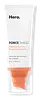
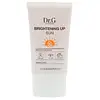
Hero Cosmetics Force Shield Superbeam Sunscreen Apricot SPF 30 Versus Dr.G Brightening up Sun+ SPF50+PA+++
This hybrid sunscreen covers the full UV range and blocks ~97% of UVB at SPF 30.
This hybrid sunscreen covers the full UV range and blocks ~98% of UVB at SPF 50.


What's inside
What's inside
 Key Ingredients
Benefits
Concerns
Ingredients Side-by-side
Zinc Oxide
Cosmetic Colorant


Water
Skin ConditioningCaprylic/Capric Triglyceride
Masking


Propanediol
Solvent
C13-15 Alkane
SolventC15-19 Alkane
SolventButyloctyl Salicylate
Skin Conditioning
Bis-Diglyceryl Polyacyladipate-2
Emollient

Octyldodecanol
Emollient
Cetearyl Alcohol
Emollient


Polyacrylate Crosspolymer-6
Emulsion StabilisingHippophae Rhamnoides Oil
Emollient

Betaine
Humectant
Mica
Cosmetic ColorantMusa Sapientum Leaf/Trunk Extract
Silica
Abrasive

Coco-Glucoside
Cleansing
Arachidyl Alcohol
Emollient
Xanthan Gum
EmulsifyingPolyhydroxystearic Acid
Emulsifying
Polyglyceryl-3 Polyricinoleate
Emulsifying
Isostearic Acid
Cleansing
Lecithin
Emollient
Polyglyceryl-3 Lactate/Laurate
CleansingPolyglycerin-3
Humectant
Bisabolol
Antioxidant

Tocopherol
Antioxidant



Behenyl Alcohol
Emollient
Caprylhydroxamic Acid
Sodium Dilauramidoglutamide Lysine
HumectantCitric Acid
Buffering
Arachidyl Glucoside
EmulsifyingEctoin
Skin Conditioning
Niacinamide
Smoothing


Maltodextrin
Absorbent
Sodium Citrate
BufferingSodium Phytate
Terminalia Ferdinandiana Fruit Extract
Antioxidant
Lactobacillus Ferment
Skin Conditioning
Tin Oxide
Abrasive
Glucose
Humectant
Leuconostoc/Radish Root Ferment Filtrate
Antimicrobial
CI 77492
Cosmetic ColorantCI 77491
Cosmetic ColorantTitanium Dioxide
Cosmetic Colorant
Zinc Oxide, Water, Caprylic/Capric Triglyceride, Propanediol, C13-15 Alkane, C15-19 Alkane, Butyloctyl Salicylate, Bis-Diglyceryl Polyacyladipate-2, Octyldodecanol, Cetearyl Alcohol, Polyacrylate Crosspolymer-6, Hippophae Rhamnoides Oil, Betaine, Mica, Musa Sapientum Leaf/Trunk Extract, Silica, Coco-Glucoside, Arachidyl Alcohol, Xanthan Gum, Polyhydroxystearic Acid, Polyglyceryl-3 Polyricinoleate, Isostearic Acid, Lecithin, Polyglyceryl-3 Lactate/Laurate, Polyglycerin-3, Bisabolol, Tocopherol, Behenyl Alcohol, Caprylhydroxamic Acid, Sodium Dilauramidoglutamide Lysine, Citric Acid, Arachidyl Glucoside, Ectoin, Niacinamide, Maltodextrin, Sodium Citrate, Sodium Phytate, Terminalia Ferdinandiana Fruit Extract, Lactobacillus Ferment, Tin Oxide, Glucose, Leuconostoc/Radish Root Ferment Filtrate, CI 77492, CI 77491, Titanium Dioxide
Water
Skin ConditioningCyclopentasiloxane
Emollient
Ethylhexyl Methoxycinnamate
UV Absorber
Cyclohexasiloxane
Emollient
Zinc Oxide
Cosmetic Colorant
Ethylhexyl Salicylate
UV Absorber
Butylene Glycol
Humectant
Methyl Methacrylate Crosspolymer
Titanium Dioxide
Cosmetic Colorant
Lauryl PEG-9 Polydimethylsiloxyethyl Dimethicone
Skin Conditioning
Dipropylene Glycol
HumectantEthylhexyl Palmitate
Emollient
Dimethicone/Vinyl Dimethicone Crosspolymer
Skin Conditioning
Caprylyl Methicone
Skin Conditioning
Nymphaea Alba Flower Extract
Skin ConditioningVitis Vinifera Seed Oil
Emollient
Calendula Officinalis Flower Extract
Masking
Diospyros Kaki Leaf Extract
Skin Protecting
Butyrospermum Parkii Seedcake Extract
Skin Protecting
Pinus Pumilio Bark Extract
Perfuming
Thermus Thermophillus Ferment
Skin ConditioningCentella Asiatica Extract
Cleansing
Camellia Sinensis Leaf Extract
Antimicrobial
Portulaca Oleracea Extract
Skin Conditioning
Aloe Barbadensis Leaf Extract
Emollient
Glycerin
Humectant
Cetyl PEG/PPG-10/1 Dimethicone
Emulsifying
Dimethicone
Emollient
Polymethylsilsesquioxane
Magnesium Sulfate
Disteardimonium Hectorite
StabilisingVinyl Dimethicone/Methicone Silsesquioxane Crosspolymer
C30-45 Alkyl Cetearyl Dimethicone Crosspolymer
Emollient
Aluminum Hydroxide
EmollientStearic Acid
Cleansing
Caprylyl Glycol
Emollient
Glyceryl Caprylate
EmollientCaprylic/Capric Triglyceride
Masking
Biosaccharide Gum-4
Skin Conditioning
Sodium Palmitoyl Proline
Skin ConditioningPanthenol
Skin Conditioning
Triethoxycaprylylsilane
Hydrogenated Phosphatidylcholine
Emulsifying
Propylene Glycol
Humectant
Ceramide NP
Skin Conditioning
Tocopherol
Antioxidant
Cholesterol
Emollient
Sodium Hyaluronate
Humectant
Maltodextrin
Absorbent
Disodium EDTA
Alcohol
Antimicrobial

CI 77492
Cosmetic ColorantCI 77491
Cosmetic ColorantParfum
Masking
Water, Cyclopentasiloxane, Ethylhexyl Methoxycinnamate, Cyclohexasiloxane, Zinc Oxide, Ethylhexyl Salicylate, Butylene Glycol, Methyl Methacrylate Crosspolymer, Titanium Dioxide, Lauryl PEG-9 Polydimethylsiloxyethyl Dimethicone, Dipropylene Glycol, Ethylhexyl Palmitate, Dimethicone/Vinyl Dimethicone Crosspolymer, Caprylyl Methicone, Nymphaea Alba Flower Extract, Vitis Vinifera Seed Oil, Calendula Officinalis Flower Extract, Diospyros Kaki Leaf Extract, Butyrospermum Parkii Seedcake Extract, Pinus Pumilio Bark Extract, Thermus Thermophillus Ferment, Centella Asiatica Extract, Camellia Sinensis Leaf Extract, Portulaca Oleracea Extract, Aloe Barbadensis Leaf Extract, Glycerin, Cetyl PEG/PPG-10/1 Dimethicone, Dimethicone, Polymethylsilsesquioxane, Magnesium Sulfate, Disteardimonium Hectorite, Vinyl Dimethicone/Methicone Silsesquioxane Crosspolymer, C30-45 Alkyl Cetearyl Dimethicone Crosspolymer, Aluminum Hydroxide, Stearic Acid, Caprylyl Glycol, Glyceryl Caprylate, Caprylic/Capric Triglyceride, Biosaccharide Gum-4, Sodium Palmitoyl Proline, Panthenol, Triethoxycaprylylsilane, Hydrogenated Phosphatidylcholine, Propylene Glycol, Ceramide NP, Tocopherol, Cholesterol, Sodium Hyaluronate, Maltodextrin, Disodium EDTA, Alcohol, CI 77492, CI 77491, Parfum
Reviews
Ingredients Explained
These ingredients are found in both products.
Ingredients higher up in an ingredient list are typically present in a larger amount.
Caprylic/Capric Triglyceride (aka MCT Oil) is a lightweight emollient, solvent, and texture enhancer. It is considered a skin-softener by helping to prevent moisture loss.
Though it behaves like an oil, it is not technically one due to its chemical composition. One perk of this ingredient is that it is very stable, resistant to oxidation, and unlikely to go rancid.
In practice, that translates to a long shelf life and a consistently elegant skin feel.
While there is an assumption Caprylic Triglyceride can clog pores due to it being derived from coconut oil, there is no research supporting this. Just patch test if you have concerns.
Fractionated coconut oil and MCT Oil are both listed as Caprylic/Capric Triglyceride according to INCI. This is because INCI names are based on the ingredient’s final chemical composition and not its marketing name or source.
This ingredient is treated as the gold standard fungal acne safe oil. Even though it is coconut derived, the problematic lauric acid is stripped out.
This leaves just caprylic (C8) and capric (C10) acid. These chain lengths actually trend antifungal; a 2020 study found caprylic acid was enough to disrupt Malassezia furfur cell membrane, with a caprylic acid derivative damaging membrane structures at concentrations as low as 0.2%.
Learn more about Caprylic/Capric TriglycerideCi 77491 is also hydrated iron III oxide. It's sole purpose is to give a red/pink hue to products.
Iron III oxides are classified as inorganic chemicals for coloring.
Synthetically created Ci 77491 is considered safer than those naturally found. This is because the synthetically created version may contain less impurities. Iron oxides are generally non-toxic and non-allergenic.
Learn more about CI 77491CI 77492 is also hydrated iron III oxide. It's sole purpose is to give a yellow hue to products.
Iron III oxides are classified as inorganic chemicals for coloring.
Synthetically created CI 77492 is considered safer than those naturally found. This is because the synthetically created version may contain less impurities. Iron oxides are generally non-toxic and non-allergenic.
Learn more about CI 77492Maltodextrin is a plant-derived carbohydrate made by breaking down starch (usually from corn, potato, or rice). In cosmetic formulas, it's a multitasking absorbent, emulsion stabilizer, and skin conditioner.
This ingredient is mostly used to stabilize emulsions and improve the powdery, non-greasy feel of products (like dry shampoos).
Safety-wise, this ingredient is pretty solid; it's even recognized as a food additive. Both animal and clinical studies found no adverse effects at the levels used in cosmetics.
Industry data shows this ingredient is used up to 45.7% in spray products and up to 33% in powder products.
Learn more about MaltodextrinTitanium Dioxide (TD) is a mineral UV filter widely used in sunscreens and cosmetics.
It's one of only two UV filters officially classified as "mineral" by regulatory agencies (the other being Zinc Oxide).
A really common myth is that mineral filters work by reflecting UV light off your skin like tiny mirrors.
They don't only do that; modern research shows TD protects mostly by absorbing UV radiation, the same way chemical filters do.
When researchers measured this, reflection accounted for only about 4-5% of the protection (and less than SPF 2 on its own). The other ~95% comes from absorption: the UV photons hit the particle and their energy gets soaked up by its semiconductor band gap rather than bouncing off.
So "reflects vs. absorbs" was never really the right way to split mineral from chemical filters.
TD gives broad-spectrum protection that's strongest in the UVB and UVA-2 range and weaker in the UVA-1 range. Its UVA protection isn't quite as strong as Zinc Oxide's which is why you'll often see the two paired together.
Together, they make a solid broad-spectrum system.
TD is a great pick for sensitive, acne-prone, or redness-prone skin because it's non-irritating and chemically inert. Regulatory reviews classify it as a non-sensitizer and mild-to-non-irritant.
It's also unlikely to cause the "eye sting" some chemical filters are known for.
The main trade-off is cosmetic; TD can leave a white cast and has a thicker texture. This is why mineral sunscreens are often less cosmetically elegant than chemical or hybrid formulas (and harder to shade-match on deeper skin tones).
Formulators often use micronized or nano-sized TD to cut down on white case and improve spreadability. Smaller particles scatter less visible light so the formula looks less chalky while still filtering UV.
TD is almost always bundled with coatings like Alumina, Silica, Stearic Acid, or Dimethicone. These coatings do two important jobs:
TD can be used at up to 25% in a finished sunscreen; this is the regulatory ceiling in both the US and the EU.
In practice, the amount in any given product varies a lot depending on the target SPF and whether it's paired with other UV filters.
TD is one of the most heavily vetted sunscreen ingredients out there. It is approved as a UV filter in all major markets worldwide, including the US, EU, UK, Japan, Korea, China, Australia, and Canada.
The safety evidence is solid. There was an old worry that nano particles might absorb through skin into the body but multiple studies (including on damaged, sunburned, and UV-irradiated skin) have shown that TD stays on the surface and the layer of dead skin cells on top of everything else.
There's also no evidence of carcinogenicity, mutagenicity, or reproductive toxicity from dermal exposure of this ingredient.
For those who have seen the headline about a 2022 EU ban on TD, that was on TD as a food additive (a complete separate use from topical sunscreen).
There are ongoing questions about how nano-TD might affect marine ecosystems. As of now, there has been no conclusive evidence that any form of TD (or any other sunscreen filter) harms coral reefs or marine life.
The science is still developing and it's a space worth watching rather than packing over.
However, several destinations have reef-safety sunscreen rules that restrict certain chemical filters and steer visitors toward mineral, non-nano options. If you're traveling somewhere with these rules, a non-nano mineral sunscreen is the safe bet.
Learn more about Titanium DioxideTocopherol is a fat-soluble antioxidant known as Vitamin E.
You'll find this ingredient in the vast majority of skincare (for good reason). It works to neutralize free radicals, or unstable molecules generated by UV exposure, pollution, and other environmental stressors, before they can cause oxidative damage to your skin cells.
Topically applied tocopherol has been shown to protect against UV damage by ramping up the skin's own natural defense enzymes.
It also acts as a skin conditioning agent; some studies show that regular topical use can improve the skin's water-binding capacity over 2-4 weeks.
This ingredient is especially loved for being a team player. When combined with Vitamin C, the photoprotective effect of both ingredients roughly doubles and the combo also helps reduce UV-induced DNA damage.
This ingredient has some brightening potential but it's more of a prevention ingredient than spot-fader. Cell studies show it can slow down melanin production but it's worth noting that it's not the most powerful brightener out there.
In formulations, it also serves as a stabilizer that helps protect other oxidation-prone ingredients from degrading.
Concentrations usually range from 0.1-1% in most leave-on products.
Learn more about TocopherolWater. It's the most common cosmetic ingredient of all. You'll usually see it at the top of ingredient lists, meaning that it makes up the largest part of the product.
So why is it so popular? Water most often acts as a solvent - this means that it helps dissolve other ingredients into the formulation.
You'll also recognize water as that liquid we all need to stay alive. If you see this, drink a glass of water. Remember to stay hydrated!
Learn more about WaterZinc Oxide (ZO) is a mineral broad-spectrum UV filter and the broadest-spectrum filter recognized by the FDA. It covers everything from UVB through to long-wave UVA.
On top of sun protection, it has skin protectant and skin-soothing properties too.
Here's a myth worth busting: mineral filters are usually described as working by "reflecting" or "bouncing" UV off your skin.
That's mostly not true: when researchers actually measured it, ZO and Titanium Dioxide reflect only about 4-5% of UV (less than SPF 2 worth of protection).
The vast majority of the work (~95%) is done by absorption, similar to chemical UV filters. ZO is a semiconductor that absorbs UV photos through its energy band gap.
So the old "physical blocker vs. chemical absorber" framing is really an oversimplification.
Zinc Oxide is one of the most effective broad-spectrum UV filters out there. It protects across UVB, UVA2, and UVA1 with a flat, even absorption curve across the whole UVA-UVB range.
That uniform UVA coverage is its standout feature; titanium dioxide skews more toward UVB as its particle size drops so ZO gives more consistent and extended UVA protection.
It's also very photostable. As an inorganic oxide, ZO doesn't break down in sunlight the way some organic filters can, so it holds up over a day of wear.
This ingredient is gentle and soothing, making it go-to for sunscreens aimed at sensitive skin, rosacea, or ecezma-prone skin, babies, and children.
It's also unlikely to cause the "eye sting" that some sunscreen ingredients are known for, and regulatory agencies broadly consider it non-toxic and safe for topical use.
Beyond sun protection, ZO is also a recognized OTC skin protectant. It forms a breathable barrier that shields skin from moisture and irritation while supporting healing. This is why you'll see it as a classic active in diaper rash creams.
The only downside to ZO is that it can leave a visible white cast, especially on deeper skin tones. This is the main reason mineral sunscreens have historically felt less cosmetically elegant than chemical or hybrid formulas.
Zinc Oxide comes in both non-nano and nano forms. The dividing line is 100nm and anything under is classified as a nanomaterial by the EU.
The nano version scatters less visible light which cuts down white case and gives a lighter, more wearable texture.
Another thing worth understanding about formulation:
Uncoated ZO has some inherent photocatalytic activity. This just means it can generate reactive oxygen species under UV. It's exactly why cosmetic-grade ZO is almost always surface-coated; this coating suppresses that reactivity and improves how the powder disperses and feels.
A well-formulated coated ZO largely sidesteps this issue.
Zinc Oxide is commonly used anywhere from 10% up to the regulatory maximum in sunscreens (25%).
Mineral-only broad-spectrum products often land in the 15-25% range to hit higher SPF and UVA values. Keep in mind SPF performance depends heavily on particle size, dispersion, and the rest of the formula, and not just the percentage.
As an OTC skin protectant like diaper creams, ZO typically runs higher at roughly 10-40%.
This ingredient is generally easy to work with and doesn't photodegrade.
The only thing to know is that uncoated ZO can be a bit reactive in a formula.
Under UV, it can break down sensitive ingredients like other actives or UV filters. This is another reason coated versions are standard. ZO can also react with very acidic ingredients or throw off stability of some creams. A good formula will get around this with the right coatings and dispersion.
The EU's Scientific Committee on Consumer Safety has concluded that ZO nanoparticles "can be considered to not pose any risk of adverse effects in humans after application on healthy, intact or sunburnt skin".
You might hear that ZO is "toxic"; this is because an in-vitro (test tube) study suggested micronized ZO had potential phototoxicity. In vivo (human) investigations have disputed this and the results have come back reassuring.
So does ZO penetrate skin? The short answer is no, not in any way that matters.
The most relevant evidence comes from real-world human studies: in one, volunteers applied ZO nanoparticle sunscreen hourly for six hours and daily for five days. The advanced imaging showed the particles stayed on the surface and never reached the living epidermis, and no cellular toxicity was found.
Other in-vivo and ex-vivo work agree; ZO nanoparticles don't cross the stratum corneum, even on flexed, massaged, or barrier-impaired skin.
A small amount of solubilized zinc ions can dissolve off the particles and enter the upper skin. But the quantities are tiny compared to the zinc already naturally present in your body, and studies haven't found this to cause local toxicity.
The sunscreen bans you've heard of (like Hawaii's) are aimed at two chemical filters, Oxybenzone and Octinoxate. ZO itself it not banned and is often recommended instead.
So far, there's no solid evidence that any form of ZO harms reefs. It is an ongoing and active area of study, and worth keeping an eye on.
If you're traveling somewhere with these rules, a non-nano mineral sunscreen is the safe bet.
Learn more about Zinc Oxide

