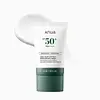
This chemical sunscreen covers the full UV range and blocks ~98% of UVB at SPF 50.
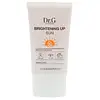
This hybrid sunscreen covers the full UV range and blocks ~98% of UVB at SPF 50.

What's inside
What's inside
 Key Ingredients
Benefits
Concerns
Ingredients Side-by-side
Water
Skin ConditioningDibutyl Adipate
EmollientPropanediol
Solvent

Ethylhexyl Triazone
UV Absorber
Terephthalylidene Dicamphor Sulfonic Acid
UV Absorber
Glycerin
Humectant
Niacinamide
Smoothing









Caprylyl Methicone
Skin Conditioning
Polymethylsilsesquioxane
Tromethamine
Buffering1,2-Hexanediol
Skin Conditioning
Polyglyceryl-3 Distearate
Emulsifying

Cetearyl Alcohol
Emollient




Pentylene Glycol
Skin Conditioning
Butylene Glycol
Humectant
Diethylamino Hydroxybenzoyl Hexyl Benzoate
UV Filter
Polysilicone-15
UV Filter
Houttuynia Cordata Extract
Skin Conditioning
Diospyros Kaki Leaf Extract
Skin Protecting
Vitis Vinifera Fruit Extract
Skin ConditioningCarthamus Tinctorius Flower Extract
Skin ConditioningCoffea Arabica Seed Extract
Masking
Polygonum Cuspidatum Root Extract
Antioxidant
Camellia Sinensis Leaf Extract
Antimicrobial
Castanea Crenata Shell Extract
Skin ConditioningZanthoxylum Piperitum Fruit Extract
Skin ConditioningAnastatica Hierochuntica Extract
AstringentPanthenol
Skin Conditioning
Glyceryl Stearate
Emollient
Bis-Ethylhexyloxyphenol Methoxyphenyl Triazine
UV Absorber
Potassium Cetyl Phosphate
EmulsifyingMethylpropanediol
SolventCarbomer
Emulsion StabilisingGlyceryl Stearate Citrate
Emollient
Acrylates/C10-30 Alkyl Acrylate Crosspolymer
Emulsion StabilisingAmmonium Acryloyldimethyltaurate/Vp Copolymer
Adenosine
Skin Conditioning
Polyether-1
Biosaccharide Gum-1
Humectant
Tocopherol
Antioxidant
Ethylhexylglycerin
Skin ConditioningWater, Dibutyl Adipate, Propanediol, Ethylhexyl Triazone, Terephthalylidene Dicamphor Sulfonic Acid, Glycerin, Niacinamide, Caprylyl Methicone, Polymethylsilsesquioxane, Tromethamine, 1,2-Hexanediol, Polyglyceryl-3 Distearate, Cetearyl Alcohol, Pentylene Glycol, Butylene Glycol, Diethylamino Hydroxybenzoyl Hexyl Benzoate, Polysilicone-15, Houttuynia Cordata Extract, Diospyros Kaki Leaf Extract, Vitis Vinifera Fruit Extract, Carthamus Tinctorius Flower Extract, Coffea Arabica Seed Extract, Polygonum Cuspidatum Root Extract, Camellia Sinensis Leaf Extract, Castanea Crenata Shell Extract, Zanthoxylum Piperitum Fruit Extract, Anastatica Hierochuntica Extract, Panthenol, Glyceryl Stearate, Bis-Ethylhexyloxyphenol Methoxyphenyl Triazine, Potassium Cetyl Phosphate, Methylpropanediol, Carbomer, Glyceryl Stearate Citrate, Acrylates/C10-30 Alkyl Acrylate Crosspolymer, Ammonium Acryloyldimethyltaurate/Vp Copolymer, Adenosine, Polyether-1, Biosaccharide Gum-1, Tocopherol, Ethylhexylglycerin
Water
Skin ConditioningCyclopentasiloxane
Emollient
Ethylhexyl Methoxycinnamate
UV Absorber

Cyclohexasiloxane
Emollient
Zinc Oxide
Cosmetic Colorant
Ethylhexyl Salicylate
UV Absorber
Butylene Glycol
Humectant
Methyl Methacrylate Crosspolymer
Titanium Dioxide
Cosmetic Colorant
Lauryl PEG-9 Polydimethylsiloxyethyl Dimethicone
Skin Conditioning
Dipropylene Glycol
HumectantEthylhexyl Palmitate
Emollient
Dimethicone/Vinyl Dimethicone Crosspolymer
Skin Conditioning
Caprylyl Methicone
Skin Conditioning
Nymphaea Alba Flower Extract
Skin ConditioningVitis Vinifera Seed Oil
Emollient
Calendula Officinalis Flower Extract
Masking
Diospyros Kaki Leaf Extract
Skin Protecting
Butyrospermum Parkii Seedcake Extract
Skin Protecting
Pinus Pumilio Bark Extract
Perfuming
Thermus Thermophillus Ferment
Skin ConditioningCentella Asiatica Extract
Cleansing
Camellia Sinensis Leaf Extract
Antimicrobial
Portulaca Oleracea Extract
Skin Conditioning
Aloe Barbadensis Leaf Extract
Emollient
Glycerin
Humectant
Cetyl PEG/PPG-10/1 Dimethicone
Emulsifying
Dimethicone
Emollient
Polymethylsilsesquioxane
Magnesium Sulfate
Disteardimonium Hectorite
StabilisingVinyl Dimethicone/Methicone Silsesquioxane Crosspolymer
C30-45 Alkyl Cetearyl Dimethicone Crosspolymer
Emollient
Aluminum Hydroxide
EmollientStearic Acid
Cleansing
Caprylyl Glycol
Emollient
Glyceryl Caprylate
EmollientCaprylic/Capric Triglyceride
Masking
Biosaccharide Gum-4
Skin Conditioning
Sodium Palmitoyl Proline
Skin ConditioningPanthenol
Skin Conditioning
Triethoxycaprylylsilane
Hydrogenated Phosphatidylcholine
Emulsifying
Propylene Glycol
Humectant
Ceramide NP
Skin Conditioning
Tocopherol
Antioxidant
Cholesterol
Emollient
Sodium Hyaluronate
Humectant
Maltodextrin
Absorbent
Disodium EDTA
Alcohol
Antimicrobial

CI 77492
Cosmetic ColorantCI 77491
Cosmetic ColorantParfum
Masking
Water, Cyclopentasiloxane, Ethylhexyl Methoxycinnamate, Cyclohexasiloxane, Zinc Oxide, Ethylhexyl Salicylate, Butylene Glycol, Methyl Methacrylate Crosspolymer, Titanium Dioxide, Lauryl PEG-9 Polydimethylsiloxyethyl Dimethicone, Dipropylene Glycol, Ethylhexyl Palmitate, Dimethicone/Vinyl Dimethicone Crosspolymer, Caprylyl Methicone, Nymphaea Alba Flower Extract, Vitis Vinifera Seed Oil, Calendula Officinalis Flower Extract, Diospyros Kaki Leaf Extract, Butyrospermum Parkii Seedcake Extract, Pinus Pumilio Bark Extract, Thermus Thermophillus Ferment, Centella Asiatica Extract, Camellia Sinensis Leaf Extract, Portulaca Oleracea Extract, Aloe Barbadensis Leaf Extract, Glycerin, Cetyl PEG/PPG-10/1 Dimethicone, Dimethicone, Polymethylsilsesquioxane, Magnesium Sulfate, Disteardimonium Hectorite, Vinyl Dimethicone/Methicone Silsesquioxane Crosspolymer, C30-45 Alkyl Cetearyl Dimethicone Crosspolymer, Aluminum Hydroxide, Stearic Acid, Caprylyl Glycol, Glyceryl Caprylate, Caprylic/Capric Triglyceride, Biosaccharide Gum-4, Sodium Palmitoyl Proline, Panthenol, Triethoxycaprylylsilane, Hydrogenated Phosphatidylcholine, Propylene Glycol, Ceramide NP, Tocopherol, Cholesterol, Sodium Hyaluronate, Maltodextrin, Disodium EDTA, Alcohol, CI 77492, CI 77491, Parfum
Reviews
Ingredients Explained
These ingredients are found in both products.
Ingredients higher up in an ingredient list are typically present in a larger amount.
Butylene Glycol (or BG) is used within cosmetic products for a few different reasons:
Overall, Butylene Glycol is a safe and well-rounded ingredient that works well with other ingredients.
Though this ingredient works well with most skin types, some people with sensitive skin may experience a reaction such as allergic rashes, closed comedones, or itchiness.
Learn more about Butylene GlycolCamellia Sinensis Leaf Extract (tea extract) is one of the most well-researched plant extracts in skincare with an impressive resume.
Black tea, green tea, and oolong tea are all harvested from the Camellia Sinensis plant.
Studies show green tea extract and its catechins (like epigallocatechin gallate (EGCG)) help your skin cells product energy more efficiently and reducing the number of free-radicals that can damage your skin from the inside.
In lab-grown skin models, this translated to younger, healthier, and stronger skin.
There's also good sun protection data; researchers saw less DNA damage and redness on human skin when green tea was applied before UVB exposure. And the more they applied, the better the protection.
Needless to say, this ingredient shouldn't replace your sunscreen. But it is a great supportive ingredient that you can already find in many sunscreens and antioxidant serums.
A 2009 study found a 2% green tea lotion was effective for mild-to-moderate acne thanks to its anti-inflammatory and mild antimicrobial activity.
The quality of the extract matters a lot here:
Good extracts contain 50-90% catechins while lower quality ones are mostly there for marketing. We recommend reaching out to the brand if you have questions about the quality or source of their ingredients.
Human Repeated Insult Patch Testing showed no irritation or sensitization at use concentrations (0.86% in leave-on products and up to 30% as leaf water).
Learn more about Camellia Sinensis Leaf ExtractCaprylyl Methicone is a synthetic and lightweight silicone fluid. It gives products a silky, dry-touch finish without the heaviness of pure oils.
Though the EU CosIng Database lists this ingredient as a skin conditioner, it is also used for sensory reasons. It spreads easily, cuts greasiness, and reduces tackiness.
This ingredient is volatile which means it will mostly evaporate (but it evaporates slower than older cyclomethicones, like Cyclotetrasiloxane).
Typical concentration ranges from 1-30% depending on if it's being used to tweak the feel of a product or acting as the main emollient.
Learn more about Caprylyl MethiconeDiospyros Kaki Leaf Extract comes from the leaves of the Persimmon. It is native to China, India, and Korea. Persimmon leaves have anti-inflammatory and antioxidant properties.
The leaves of the persimmon tree contain triterpenoids, tannins, and ursolic acids. These components are help sooth the skin due to their antioxidant activity.
Glycerin (or glycerol) is a compound naturally found in your skin. It's a powerhouse humectant that pulls water into the stratum corneum.
Topically, glycerin does several things at once:
Your skin makes glycerin on its own (mostly from sebaceous oil breakdown) and shuttles it to your outermost layer of skin, or your epidermis, via aquaporin-3.
Aquaporin-3 is a transporter that is essential for normal skin hydration, elasticity, and repair. Interestingly, mice lacking in AQP3 have dry and less elastic skin that can be fully corrected with glycerin.
This ingredient is non-irritating, plays well with almost every ingredient, and works across all skin types. Typical use is anywhere between 3-10% but can go up to 79% in some leave-on products.
Just know very high concentrations (>40%) can feel tacky in low humidity.
Glycerin is the name for this ingredient in American English. British English uses Glycerol/Glycerine.
Learn more about GlycerinPanthenol is a common ingredient that helps hydrate and soothe the skin. It is found naturally in our skin and hair.
There are two forms of panthenol: D and L.
D-panthenol is also known as dexpanthenol. Most cosmetics use dexpanthenol or a mixture of D and L-panthenol.
Panthenol is famous due to its ability to go deeper into the skin's layers. Using this ingredient has numerous pros (and no cons):
Like hyaluronic acid, panthenol is a humectant. Humectants are able to bind and hold large amounts of water to keep skin hydrated.
This ingredient works well for wound healing. It works by increasing tissue in the wound and helps close open wounds.
Once oxidized, panthenol converts to pantothenic acid. Panthothenic acid is found in all living cells.
This ingredient is also referred to as pro-vitamin B5.
Learn more about PanthenolPolymethylsilsesquioxane is a silicone used as a film forming agent.
When applied to the skin, this ingredient creates an invisible film on the surface. This film still allows oxygen to pass through, but prevents moisture from escaping. This can help condition and hydrate the skin. It also leaves a silky feel when applied.
Polymethylsilsesquioxane has not been shown to clog pores. It has been deemed safe to use up to 55%, but most cosmetics use much less.
If you have concerns about using this ingredient, we recommend speaking with a professional.
Learn more about PolymethylsilsesquioxaneTocopherol is a fat-soluble antioxidant known as Vitamin E.
You'll find this ingredient in the vast majority of skincare (for good reason). It works to neutralize free radicals, or unstable molecules generated by UV exposure, pollution, and other environmental stressors, before they can cause oxidative damage to your skin cells.
Topically applied tocopherol has been shown to protect against UV damage by ramping up the skin's own natural defense enzymes.
It also acts as a skin conditioning agent; some studies show that regular topical use can improve the skin's water-binding capacity over 2-4 weeks.
This ingredient is especially loved for being a team player. When combined with Vitamin C, the photoprotective effect of both ingredients roughly doubles and the combo also helps reduce UV-induced DNA damage.
This ingredient has some brightening potential but it's more of a prevention ingredient than spot-fader. Cell studies show it can slow down melanin production but it's worth noting that it's not the most powerful brightener out there.
In formulations, it also serves as a stabilizer that helps protect other oxidation-prone ingredients from degrading.
Concentrations usually range from 0.1-1% in most leave-on products.
Learn more about TocopherolWater. It's the most common cosmetic ingredient of all. You'll usually see it at the top of ingredient lists, meaning that it makes up the largest part of the product.
So why is it so popular? Water most often acts as a solvent - this means that it helps dissolve other ingredients into the formulation.
You'll also recognize water as that liquid we all need to stay alive. If you see this, drink a glass of water. Remember to stay hydrated!
Learn more about Water

