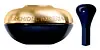
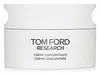
Guerlain Orchidee Imperiale The Molecular Concentrate Eye Cream Versus Tom Ford Research Creme Concentrate
This anti-aging eye moisturizer is formulated around Ectoin and Acetyl Hexapeptide-8 to soften the look of wrinkles and hydrate skin.
This barrier-repair moisturizer is formulated around Cholesterol and Caffeine to strengthen the skin barrier and hydrate skin.


What's inside
What's inside
 Key Ingredients
Benefits
Concerns
Ingredients Side-by-side
Water
Skin ConditioningGlycerin
Humectant


Limnanthes Alba Seed Oil
Skin Conditioning


Butylene Glycol
Humectant
Propanediol
Solvent
Butyrospermum Parkii Butter
Skin Conditioning


Pentylene Glycol
Skin Conditioning
Ethylhexyl Palmitate
Emollient
Lauroyl Lysine
Skin Conditioning
Gastrodia Elata Root Extract
Skin ConditioningPhytosteryl/Octyldodecyl Lauroyl Glutamate
Skin ConditioningHydrogenated Lecithin
Emulsifying
Sodium Polyacrylate
Absorbent
Ectoin
Skin Conditioning



Avena Sativa Kernel Extract
Abrasive

Hydroxyacetophenone
Antioxidant
Cellulose
Absorbent
Chlorphenesin
Antimicrobial
Parfum
Masking


1,2-Hexanediol
Skin Conditioning
Caprylyl Glycol
Emollient
Synthetic Fluorphlogopite
Silica
Abrasive
Acrylates/C10-30 Alkyl Acrylate Crosspolymer
Emulsion StabilisingSodium Stearoyl Glutamate
CleansingTocopheryl Acetate
Antioxidant

CI 77891
Cosmetic ColorantPhytosterols
Skin Conditioning
Dendrobium Nobile Extract
Skin ConditioningAdenosine
Skin Conditioning
Trihydroxystearin
Skin Conditioning
Sodium Benzoate
Masking
Xanthan Gum
EmulsifyingBacillus Ferment
Skin Conditioning
Glyceryl Caprylate
EmollientTin Oxide
Abrasive
Tropaeolum Majus Flower/Leaf/Stem Extract
Skin ConditioningSodium Hyaluronate
Humectant
Glycine Soja Oil
Emollient
Tocopherol
Antioxidant
Acetyl Hexapeptide-8
Humectant
Diamond Powder
Abrasive
Pentaerythrityl Tetra-Di-T-Butyl Hydroxyhydrocinnamate
Antioxidant
Glucomannan
Skin ConditioningWater, Glycerin, Limnanthes Alba Seed Oil, Butylene Glycol, Propanediol, Butyrospermum Parkii Butter, Pentylene Glycol, Ethylhexyl Palmitate, Lauroyl Lysine, Gastrodia Elata Root Extract, Phytosteryl/Octyldodecyl Lauroyl Glutamate, Hydrogenated Lecithin, Sodium Polyacrylate, Ectoin, Avena Sativa Kernel Extract, Hydroxyacetophenone, Cellulose, Chlorphenesin, Parfum, 1,2-Hexanediol, Caprylyl Glycol, Synthetic Fluorphlogopite, Silica, Acrylates/C10-30 Alkyl Acrylate Crosspolymer, Sodium Stearoyl Glutamate, Tocopheryl Acetate, CI 77891, Phytosterols, Dendrobium Nobile Extract, Adenosine, Trihydroxystearin, Sodium Benzoate, Xanthan Gum, Bacillus Ferment, Glyceryl Caprylate, Tin Oxide, Tropaeolum Majus Flower/Leaf/Stem Extract, Sodium Hyaluronate, Glycine Soja Oil, Tocopherol, Acetyl Hexapeptide-8, Diamond Powder, Pentaerythrityl Tetra-Di-T-Butyl Hydroxyhydrocinnamate, Glucomannan
Water
Skin ConditioningDimethicone
Emollient
Petrolatum
Emollient
Butylene Glycol
Humectant
Glyceryl Distearate
Emollient
Hydrogenated Vegetable Oil
Emollient
Cholesterol
Emollient
Steareth-10
Emulsifying
Polysilicone-11
Glyceryl Stearate Se
Emulsifying
Glycerin
Humectant
Sodium Polyaspartate
HumectantCaffeine
Skin Conditioning
Isocetyl Stearoyl Stearate
Emollient
Diethylhexyl Succinate
EmollientAcetyl Glucosamine
Skin Conditioning
Theobroma Cacao Seed Extract
Antioxidant
Theobroma Cacao Seed Butter
Emollient
Butyrospermum Parkii Butter
Skin Conditioning
Astrocaryum Murumuru Seed Butter
Emollient
Chlorella Vulgaris Extract
Skin ConditioningCamellia Sinensis Leaf Extract
Antimicrobial
Resveratrol
Antioxidant
Salicylic Acid
Masking



Salicornia Herbacea Extract
Skin ConditioningMaris Sal
Skin ConditioningAlgae Extract
Emollient
Crithmum Maritimum Extract
Skin ConditioningWhey Protein
Skin ConditioningDipotassium Glycyrrhizate
Humectant
Dipalmitoyl Hydroxyproline
Skin Conditioning
Lactobacillus Ferment
Skin Conditioning
Laminaria Digitata Extract
Skin Protecting
Lactoperoxidase
StabilisingGlucose Oxidase
StabilisingUrea
Buffering
Bisabolol
Antioxidant
Alcaligenes Polysaccharides
EmollientDistearyldimonium Chloride
Retinyl Palmitate
Skin Conditioning
Trisiloxane
Skin Conditioning
Cetyl Alcohol
Emollient
Acetyl Hexapeptide-8
Humectant
Polyacrylamide
Sodium Hyaluronate
Humectant
Sucrose
Humectant
C13-14 Isoparaffin
Emollient
Hydrolyzed Algin
Glucose
Humectant
Trehalose
Humectant
Caprylic/Capric Triglyceride
Masking
Faex Extract
Skin ConditioningTocopheryl Acetate
Antioxidant
Tetrahexyldecyl Ascorbate
Antioxidant
Glycine Soja Seed Extract
Skin Conditioning
Propylene Glycol Caprylate
Skin ConditioningSodium PCA
Humectant
Citric Acid
Buffering
Polysorbate 40
Emulsifying
Laureth-7
EmulsifyingPolyquaternium-51
Skin Conditioning
Disodium EDTA
ChelatingBHT
Antioxidant
Potassium Sorbate
Preservative
Phenoxyethanol
Preservative
CI 14700
Cosmetic ColorantCI 77891
Cosmetic ColorantWater, Dimethicone, Petrolatum, Butylene Glycol, Glyceryl Distearate, Hydrogenated Vegetable Oil, Cholesterol, Steareth-10, Polysilicone-11, Glyceryl Stearate Se, Glycerin, Sodium Polyaspartate, Caffeine, Isocetyl Stearoyl Stearate, Diethylhexyl Succinate, Acetyl Glucosamine, Theobroma Cacao Seed Extract, Theobroma Cacao Seed Butter, Butyrospermum Parkii Butter, Astrocaryum Murumuru Seed Butter, Chlorella Vulgaris Extract, Camellia Sinensis Leaf Extract, Resveratrol, Salicylic Acid, Salicornia Herbacea Extract, Maris Sal, Algae Extract, Crithmum Maritimum Extract, Whey Protein, Dipotassium Glycyrrhizate, Dipalmitoyl Hydroxyproline, Lactobacillus Ferment, Laminaria Digitata Extract, Lactoperoxidase, Glucose Oxidase, Urea, Bisabolol, Alcaligenes Polysaccharides, Distearyldimonium Chloride, Retinyl Palmitate, Trisiloxane, Cetyl Alcohol, Acetyl Hexapeptide-8, Polyacrylamide, Sodium Hyaluronate, Sucrose, C13-14 Isoparaffin, Hydrolyzed Algin, Glucose, Trehalose, Caprylic/Capric Triglyceride, Faex Extract, Tocopheryl Acetate, Tetrahexyldecyl Ascorbate, Glycine Soja Seed Extract, Propylene Glycol Caprylate, Sodium PCA, Citric Acid, Polysorbate 40, Laureth-7, Polyquaternium-51, Disodium EDTA, BHT, Potassium Sorbate, Phenoxyethanol, CI 14700, CI 77891
Ingredients Explained
These ingredients are found in both products.
Ingredients higher up in an ingredient list are typically present in a larger amount.
Acetyl Hexapeptide-8 (also known as Argireline) is a synthetic hexapeptide that is often called a "topical Botox alternative".
It works by mimicking how Botox relaxes muscles; it interferes with the signaling process that tells your facial muscles to contract. This can help soften expression lines like forehead wrinkles or crow's feet over time.
The comparison to Botox does have limits because the molecule is water-loving and relatively large.
Acetyl Hexapeptide-8 has a hard time absorbing deeply enough through the skin's outer barrier to actually reach the muscles.
So whether it truly works the way Botox does at a biological level is still up for debate, but early clinical outcomes are fairly encouraging.
A 12 week human study of a multi-ingredient regimen containing this ingredient saw:
While some studies have observed improvements in wrinkle appearance, it is important to note that more consistent results are seen in multi-ingredient formulations (vs just Acetyl Hexapeptide-8 alone).
Some research studies also used higher concentrations (up to 10%) while this ingredient is usually found in concentrations up to 0.005% in leave-on formulations.
Learn more about Acetyl Hexapeptide-8Butylene Glycol (or BG) is used within cosmetic products for a few different reasons:
Overall, Butylene Glycol is a safe and well-rounded ingredient that works well with other ingredients.
Though this ingredient works well with most skin types, some people with sensitive skin may experience a reaction such as allergic rashes, closed comedones, or itchiness.
Learn more about Butylene GlycolThis ingredient is also known as shea butter. It is a plant-derived extract from the nuts of the Africa shea tree and one of the most well-studied emollients.
Because it has a high concentration of fatty acids (primarily oleic, stearic, and linoleic) it is able to form a protective barrier on the skin's surface. This helps seal in moisture and prevents transepidermal water loss (TEWL).
In vitro research found an increase in skin hydration by 58% and a decrease in TEWL by 37.8% after 24 hours of applying this ingredient (pretty impressive for a single ingredient!).
Besides hydration, shea butter also contains triterpenes that have anti-inflammatory potential. In particule, lupeol cinnamate has shown the highest anti-inflammatory activity in vivo.
Shea butter also contains vitamins A and E which may contribute to antioxidant activity.
While Shea Butter has an SPF rating of about 3-4, it is not a sunscreen replacement.
This ingredient may not be fungal acne safe because its fatty acids fall within the C11-C24 range that the Malassezia yeast can metabolize.
This ingredient shows up on a lot of "pore-clogging" lists but there's no real evidence behind that. It doesn't even have a comedogenic rating from an actual study; the numbers you'll find online come from blogs citing other blogs.
Ratings for other ingredients mostly come from a 1980s rabbit ear test. This test doesn't translate well to human skin or to real products because the ingredient sits at a much lower percentage.
Some people still find it breaks them out. So if that's you, definitely trust your skin. Just know this one's based on experience and not evidence.
Learn more about Butyrospermum Parkii ButterCi 77891 is a white pigment from Titanium dioxide. It is naturally found in minerals such as rutile and ilmenite.
It's main function is to add a white color to cosmetics. It can also be mixed with other colors to create different shades.
Ci 77891 is commonly found in sunscreens due to its ability to block UV rays.
Learn more about CI 77891Glycerin (or glycerol) is a compound naturally found in your skin. It's a powerhouse humectant that pulls water into the stratum corneum.
Topically, glycerin does several things at once:
Your skin makes glycerin on its own (mostly from sebaceous oil breakdown) and shuttles it to your outermost layer of skin, or your epidermis, via aquaporin-3.
Aquaporin-3 is a transporter that is essential for normal skin hydration, elasticity, and repair. Interestingly, mice lacking in AQP3 have dry and less elastic skin that can be fully corrected with glycerin.
This ingredient is non-irritating, plays well with almost every ingredient, and works across all skin types. Typical use is anywhere between 3-10% but can go up to 79% in some leave-on products.
Just know very high concentrations (>40%) can feel tacky in low humidity.
Glycerin is the name for this ingredient in American English. British English uses Glycerol/Glycerine.
Learn more about GlycerinSodium Hyaluronate is the salt form of hyaluronic acid. It is a long sugar chain that is naturally found in your skin, joints, and connective tissue that maintains hydration and elasticity.
In skincare, it works as a humectant. It pulls water from the environment and deeper layers of skin and binds it to the surface.
Interestingly, the size of the molecule affects its behavior:
Some clinical evidence links low molecular weight versions to improved wrinkle depth, elasticity, anti-inflammatory effects, and barrier repair.
Many serums use a blend of both weights so you can get surface hydration plus longer-lasting and deeper effects.
You'll typically see concentrations between 0.1-2% for this ingredient.
Learn more about Sodium HyaluronateTocopheryl Acetate is a stable, shelf-friendly form of vitamin E.
Formulators love it because plain vitamin E oxidizes quickly once it hits air. This acetate version stays stable and resists going off, helping to extend a product's shelf life.
It's actually inactive on its own and works like a slow-release "storage" form; the enzymes in your skin called esterases gradually convert it into active vitamin E over time.
One in vivo study showed 5% of the acetate in the living layer of the epidermis converted to vitamin E after 5 days of application. This study also found the skin gained protection against UV damage even though the conversion was slow and small.
Once converted, vitamin E acts as a skin's main fat-soluble antioxidant that fights free radicals to protect skin from damage.
Topical vitamin E generally boosts the skin's photoprotection, and it reduced UV-damage in animal models.
This ingredient has some brightening potential but it's more of a prevention ingredient than spot-fader. Cell studies show it can slow down melanin production but it's worth noting that it's not the most powerful brightener out there.
Overall, it has a pretty solid safety profile and has been found to be non-irritating and non-comedogenic. Allergic reactions may happen but stay rare due to how widely the ingredient gets used.
The concentration will vary depending on the formula; industry data shows 0.1% in baby lotions, 3% in lipsticks, and 5% in foot powders. You can also find this ingredient at 100% in a pure vitamin E oil.
Most leave-on skincare keeps it at the lower end, often between 0.5-1%.
Learn more about Tocopheryl AcetateWater. It's the most common cosmetic ingredient of all. You'll usually see it at the top of ingredient lists, meaning that it makes up the largest part of the product.
So why is it so popular? Water most often acts as a solvent - this means that it helps dissolve other ingredients into the formulation.
You'll also recognize water as that liquid we all need to stay alive. If you see this, drink a glass of water. Remember to stay hydrated!
Learn more about Water

