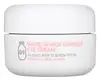
This brightening eye moisturizer is formulated around Niacinamide and Adenosine to brighten dull-looking skin and soften the look of wrinkles.
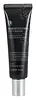
This anti-aging eye moisturizer is formulated around Galactomyces Ferment Filtrate and Lactobacillus/Collagen Ferment Filtrate to soften the look of wrinkles and hydrate skin.

What's inside
What's inside
 Key Ingredients
Benefits
Concerns
Ingredients Side-by-side
Milk Protein Extract
Pentaerythrityl Tetraethylhexanoate
Emollient
Glycerin
Humectant

Water
Skin ConditioningNiacinamide
Smoothing









Behenyl Alcohol
Emollient
Sodium Acrylate/Sodium Acryloyldimethyl Taurate Copolymer
Emulsion StabilisingIsohexadecane
EmollientZanthoxylum Piperitum Fruit Extract
Skin ConditioningPulsatilla Koreana Extract
Skin ConditioningUsnea Barbata Extract
Polysorbate 80
Emulsifying

Acrylates/C10-30 Alkyl Acrylate Crosspolymer
Emulsion StabilisingSorbitan Oleate
Emulsifying

Adenosine
Skin Conditioning
Potassium Hydroxide
BufferingDisodium EDTA
ChelatingParfum
Masking


Linum Usitatissimum Seed Extract
Perfuming
Nelumbo Nucifera Flower Water
TonicOriganum Vulgare Leaf Extract
Skin ConditioningEucalyptus Globulus Leaf Extract
Perfuming
Hibiscus Sabdariffa Flower Extract
Skin ConditioningCamellia Sinensis Leaf Extract
Antimicrobial
Salvia Hispanica Seed Extract
Emollient
Hedera Helix Leaf Extract
Skin ConditioningPinus Sylvestris Leaf Extract
Tonic1,2-Hexanediol
Skin Conditioning
Butylene Glycol
Humectant
Prunus Amygdalus Dulcis Oil
Skin Conditioning
Ceramide NP
Skin Conditioning
Bacillus/Soybean Ferment Extract
Skin ConditioningBrassica Oleracea Italica Extract
AstringentSodium Hyaluronate
Humectant
Hamamelis Virginiana Bark/Leaf/Twig Extract
Skin Conditioning
Panthenol
Skin Conditioning
Galactomyces Ferment Filtrate
Humectant
Rice Ferment Filtrate
Skin Conditioning
Macadamia Ternifolia Seed Oil
Emollient
Biotin
AntiseborrhoeicAscorbyl Tetraisopalmitate
Antioxidant
Tocopheryl Acetate
Antioxidant
PEG-40 Hydrogenated Castor Oil
Emulsifying
Vitis Vinifera Fruit Extract
Skin ConditioningRetinyl Palmitate
Skin Conditioning
Lavandula Angustifolia Extract
Skin Conditioning
Royal Jelly Extract
Skin Conditioning
Thymus Vulgaris Extract
Perfuming
Rosmarinus Officinalis Extract
AntimicrobialOriganum Vulgare Flower/Leaf/Stem Extract
Skin ConditioningPropylene Glycol
Humectant
Chamomilla Recutita Flower Extract
Masking
Citric Acid
Buffering
Phenoxyethanol
Preservative
Tocopherol
Antioxidant
Hydroxypropyl Cyclodextrin
MaskingGlutathione
Acetyl Hexapeptide-8
Humectant
Copper Tripeptide-1
Skin Conditioning
Palmitoyl Pentapeptide-4
Skin Conditioning
Hydroxycitronellal
Perfuming
Milk Protein Extract, Pentaerythrityl Tetraethylhexanoate, Glycerin, Water, Niacinamide, Behenyl Alcohol, Sodium Acrylate/Sodium Acryloyldimethyl Taurate Copolymer, Isohexadecane, Zanthoxylum Piperitum Fruit Extract, Pulsatilla Koreana Extract, Usnea Barbata Extract, Polysorbate 80, Acrylates/C10-30 Alkyl Acrylate Crosspolymer, Sorbitan Oleate, Adenosine, Potassium Hydroxide, Disodium EDTA, Parfum, Linum Usitatissimum Seed Extract, Nelumbo Nucifera Flower Water, Origanum Vulgare Leaf Extract, Eucalyptus Globulus Leaf Extract, Hibiscus Sabdariffa Flower Extract, Camellia Sinensis Leaf Extract, Salvia Hispanica Seed Extract, Hedera Helix Leaf Extract, Pinus Sylvestris Leaf Extract, 1,2-Hexanediol, Butylene Glycol, Prunus Amygdalus Dulcis Oil, Ceramide NP, Bacillus/Soybean Ferment Extract, Brassica Oleracea Italica Extract, Sodium Hyaluronate, Hamamelis Virginiana Bark/Leaf/Twig Extract, Panthenol, Galactomyces Ferment Filtrate, Rice Ferment Filtrate, Macadamia Ternifolia Seed Oil, Biotin, Ascorbyl Tetraisopalmitate, Tocopheryl Acetate, PEG-40 Hydrogenated Castor Oil, Vitis Vinifera Fruit Extract, Retinyl Palmitate, Lavandula Angustifolia Extract, Royal Jelly Extract, Thymus Vulgaris Extract, Rosmarinus Officinalis Extract, Origanum Vulgare Flower/Leaf/Stem Extract, Propylene Glycol, Chamomilla Recutita Flower Extract, Citric Acid, Phenoxyethanol, Tocopherol, Hydroxypropyl Cyclodextrin, Glutathione, Acetyl Hexapeptide-8, Copper Tripeptide-1, Palmitoyl Pentapeptide-4, Hydroxycitronellal
Galactomyces Ferment Filtrate
Humectant
Lactobacillus/Collagen Ferment Filtrate
Humectant
Butylene Glycol
Humectant
Caprylic/Capric Triglyceride
Masking
Glycerin
Humectant
Cetearyl Alcohol
Emollient
Cetyl Ethylhexanoate
EmollientMacadamia Integrifolia Seed Oil
Skin Conditioning
Water
Skin Conditioning1,2-Hexanediol
Skin Conditioning
Cetearyl Olivate
Pentylene Glycol
Skin Conditioning
Bifida Ferment Lysate
Skin Conditioning
Ceramide NP
Skin Conditioning
Sorbitan Olivate
Emulsifying
Sorbitan Stearate
Emulsifying
Propanediol
Solvent
Betaine
Humectant
Panthenol
Skin Conditioning
Sodium Hyaluronate
Humectant
Aloe Barbadensis Leaf Extract
Emollient
Althaea Rosea Root Extract
HumectantBeta-Glucan
Skin Conditioning
Copper Tripeptide-1
Skin Conditioning
Palmitoyl Pentapeptide-4
Skin Conditioning
Palmitoyl Tripeptide-1
Skin Conditioning
Hexapeptide-11
Skin Conditioning
Hexapeptide-9
Skin Conditioning
Tripeptide-1
Skin Conditioning
Allantoin
Skin Conditioning
Acrylates/C10-30 Alkyl Acrylate Crosspolymer
Emulsion StabilisingIsopentyldiol
Humectant
Arginine
Masking
Sucrose Palmitate
EmollientSodium Surfactin
CleansingAdenosine
Skin Conditioning
Caprylyl Glycol
Emollient
Citrus Paradisi Fruit Extract
Skin ConditioningTocopherol
Antioxidant
Schisandra Chinensis Fruit Extract
Skin Conditioning
Perilla Ocymoides Leaf Extract
TonicAcorus Calamus Root Extract
Perfuming
Polyglyceryl-10 Laurate
Skin Conditioning
Galactomyces Ferment Filtrate, Lactobacillus/Collagen Ferment Filtrate, Butylene Glycol, Caprylic/Capric Triglyceride, Glycerin, Cetearyl Alcohol, Cetyl Ethylhexanoate, Macadamia Integrifolia Seed Oil, Water, 1,2-Hexanediol, Cetearyl Olivate, Pentylene Glycol, Bifida Ferment Lysate, Ceramide NP, Sorbitan Olivate, Sorbitan Stearate, Propanediol, Betaine, Panthenol, Sodium Hyaluronate, Aloe Barbadensis Leaf Extract, Althaea Rosea Root Extract, Beta-Glucan, Copper Tripeptide-1, Palmitoyl Pentapeptide-4, Palmitoyl Tripeptide-1, Hexapeptide-11, Hexapeptide-9, Tripeptide-1, Allantoin, Acrylates/C10-30 Alkyl Acrylate Crosspolymer, Isopentyldiol, Arginine, Sucrose Palmitate, Sodium Surfactin, Adenosine, Caprylyl Glycol, Citrus Paradisi Fruit Extract, Tocopherol, Schisandra Chinensis Fruit Extract, Perilla Ocymoides Leaf Extract, Acorus Calamus Root Extract, Polyglyceryl-10 Laurate
Reviews
Ingredients Explained
These ingredients are found in both products.
Ingredients higher up in an ingredient list are typically present in a larger amount.
1,2-Hexanediol is a synthetic liquid and another multi-functional powerhouse.
It is a:
- Humectant, drawing moisture into the skin
- Emollient, helping to soften skin
- Solvent, dispersing and stabilizing formulas
- Preservative booster, enhancing the antimicrobial activity of other preservatives
Acrylates/C10-30 Alkyl Acrylate Crosspolymer is a synthetic polymer. It is used to thicken, emulsify, and improve the texture of products.
As an emulsifier, it helps stabilize oil-in-water emulsions to give products an elegant feel when applied.
It can also form a thin protective film on skin. One study found that a formula using this polymer helped slow down how quickly other ingredients (like DEET) were absorbed through skin.
A 2024 study of over 1,300 patients confirmed that sensitization to this ingredient is rare. It is also non-mutagenic and has a clean track record.
Learn more about Acrylates/C10-30 Alkyl Acrylate CrosspolymerAdenosine is a purine nucleoside that your body already makes in every cell. In skincare, it acts mainly as a skin conditioning and anti-aging agent.
The way it works is fairly well mapped out:
Your skin has cells called fibroblasts that build collagen (the stuff that keeps skin firm and smooth). Adenosine basically flips a switch on these cells that tells them to get to work making more collagen and other proteins. These cells slow down on their own as skin ages, so Adenosine helps give them a little nudge to keep going.
The clinical backing is pretty solid too.
A blind, randomized, placebo-controlled trial of 126 women aged 45-65 tested a 0.1% cream twice daily and found real improvements in crow's feet and frown lines using a precise 3D skin-mapping technique; these changes showed up by week 3 and held at 2 months.
A later study using Adenosine-loaded dissolving microneedle patches reported gains in wrinkle depth, dermal density, elasticity, and hydration.
On concentrations, South Korea's Ministry of Food and Drug Safety has set 0.04% as the approved functional anti-wrinkle level. You'll typically see this ingredient used somewhere in the 0.04-0.1% range since it works at low doses.
This ingredient has been found safe for cosmetics with the data showing no irritation or sensitization.
Overall, this is a great ingredient for any anti-aging routine and has no photosensitizing effect, so it suits both AM and PM use.
Learn more about AdenosineButylene Glycol (or BG) is used within cosmetic products for a few different reasons:
Overall, Butylene Glycol is a safe and well-rounded ingredient that works well with other ingredients.
Though this ingredient works well with most skin types, some people with sensitive skin may experience a reaction such as allergic rashes, closed comedones, or itchiness.
Learn more about Butylene GlycolCeramide NP (formerly known as Ceramide 3) is one of the skin's naturally occurring lipids.
Since ceramides are the major lipid components of the skin, they are crucial for maintaining skin barrier and hydration. Ceramide NP most closely mirrors the dominant kind in human skin amongst ceramide subtypes.
This ceramide works by slotting into gaps within the stratum corneum's lipid matrix to limit trans-epidermal water loss (TEWL) and shield the skin against external irritants.
A study with 312 patients found that using a ceramide-containing routine for 4 weeks reduced the severity of atopic dermatitis by over 61%.
Another clinical study in subjects aged 60 and older found that a ceramide body wash and moisturizer improved skin dryness and itchy skin in 15 days.
Overall, ceramides are considered non-irritating and safety tests have found little to no observable adverse effects from using this ingredient.
Ceramide NP is usually sourced from plants (like soybean or rice bran), or produced synthetically.
Learn more about Ceramide NPCopper Tripeptide-1 (GHK-Cu) is a skin repairing ingredient said to boost collagen, improve firmness, and support skin regeneration.
It is a complex made up of a naturally occurring peptide (glycine-histidine-lysine) and copper, an essential trace element.
While studying wound healing, researchers noticed GHK-Cu stimulated hair follicle enlargement and growth by keeping hair in its active growth phase longer. This has made it a promising ingredient for hair regrowth treatments.
Some people have reported increased facial hair. While GHK-Cu can make your hair follicles bigger, it usually doesn’t turn soft, barely-visible facial hairs into thick, dark ones.
Anecdotal reports suggest that overusing copper peptides might lead to premature aging due to excess free copper or enzyme imbalances. This claim isn’t backed by large-scale studies.
Unfortunately, there are limited human studies for this ingredient. While early results are promising, many studies are either small, in-vitro, or not rigorously controlled.
For example, there is a 1998 study that explored the effects of copper tripeptide, vitamin C, tretinoin, and melatonin on skin repair and collagen synthesis.
After one month, increased procollagen production was seen in 7 out of 10 participants using copper tripeptide (more than those using vitamin C, melatonin, or tretinoin.
While the study was exploratory, it offers early evidence that copper tripeptide may support collagen production. Larger, well-designed trials are still needed to confirm its potential and understand individual responses.
Read more about other common types of peptides here:
Learn more about Copper Tripeptide-1Galactomyces Ferment Filtrate (GFF) is a byproduct of fermenting Galactomyces yeast (the same yeast traditionally used to brew sake, Japan's beloved rice wine).
Sake brewers have long been known for their remarkably youthful hands. This is what actually first sparked scientific interest in GFF's skin benefits.
GFF works by stimulating filaggrin production in the skin. Filaggrin is a protein that binds structural proteins in the outer skin layer together to form a tight barrier that shields against allergens, bacteria, and moisture loss.
It's also a key building block of our natural moisturizing factors (NMF), or the network of compounds that keep skin plump and hydrated.
By boosting filaggrin, GFF helps strengthen both our barrier and our skin's ability to retain moisture.
Beyond hydration, GFF has notable antioxidant properties that help protect against oxidative stress and UV-induced inflammation.
Research also suggests it may help regulate sebum and keratin production. This could be an interesting option for those concerned about oiliness or skin texture.
Fungal acne:
This ingredient doesn't contain fatty acids or oils that could feed Malassezia, and the yeast used to make it (Galactomyces) is a different genera of fungi from Malassezia. The presence of one doesn't stimulate the other.
However, there is a concern raised by some communities that this ingredient could trigger a reaction in people who are broadly sensitive to yeast/fungal-derived ingredients.
Learn more about Galactomyces Ferment FiltrateGlycerin (or glycerol) is a compound naturally found in your skin. It's a powerhouse humectant that pulls water into the stratum corneum.
Topically, glycerin does several things at once:
Your skin makes glycerin on its own (mostly from sebaceous oil breakdown) and shuttles it to your outermost layer of skin, or your epidermis, via aquaporin-3.
Aquaporin-3 is a transporter that is essential for normal skin hydration, elasticity, and repair. Interestingly, mice lacking in AQP3 have dry and less elastic skin that can be fully corrected with glycerin.
This ingredient is non-irritating, plays well with almost every ingredient, and works across all skin types. Typical use is anywhere between 3-10% but can go up to 79% in some leave-on products.
Just know very high concentrations (>40%) can feel tacky in low humidity.
Glycerin is the name for this ingredient in American English. British English uses Glycerol/Glycerine.
Learn more about GlycerinYou might know this ingredient as Matrixyl. It is a synthetic peptide made up of five amino acids attached to a palmitic acid, a fatty acid that helps it absorb into skin more easily.
As a signal peptide, Matrixyl acts like a little messenger. Once it reaches your skin cells, it tells them to ramp up production of collagen, elastin, and other proteins that keep skin looking firm and smooth.
A 12 week clinical study found that a moisturizer containing just 3 ppm of Matrixyl led to a significant improvement in fine-lines and wrinkles. Another study showed an 18% reduction in wrinkle depth, 37% reduction in wrinkle thickness, and a 21% improvement in skin firmness after just 28 days of twice-daily use.
The coolest part is that it works at incredibly low concentrations (like 0.0003%) and it plays well with other actives.
The CIR (Cosmetic Ingredient Review) panel found it to be non-sensitizing across multiple tests and human patch tests also showed no irritation or sensitization.
Fun fact: Matrixyl was originally developed by French company Sederma and Procter & Gamble.
Read more about other common types of peptides here:
Learn more about Palmitoyl Pentapeptide-4Panthenol is a common ingredient that helps hydrate and soothe the skin. It is found naturally in our skin and hair.
There are two forms of panthenol: D and L.
D-panthenol is also known as dexpanthenol. Most cosmetics use dexpanthenol or a mixture of D and L-panthenol.
Panthenol is famous due to its ability to go deeper into the skin's layers. Using this ingredient has numerous pros (and no cons):
Like hyaluronic acid, panthenol is a humectant. Humectants are able to bind and hold large amounts of water to keep skin hydrated.
This ingredient works well for wound healing. It works by increasing tissue in the wound and helps close open wounds.
Once oxidized, panthenol converts to pantothenic acid. Panthothenic acid is found in all living cells.
This ingredient is also referred to as pro-vitamin B5.
Learn more about PanthenolSodium Hyaluronate is the salt form of hyaluronic acid. It is a long sugar chain that is naturally found in your skin, joints, and connective tissue that maintains hydration and elasticity.
In skincare, it works as a humectant. It pulls water from the environment and deeper layers of skin and binds it to the surface.
Interestingly, the size of the molecule affects its behavior:
Some clinical evidence links low molecular weight versions to improved wrinkle depth, elasticity, anti-inflammatory effects, and barrier repair.
Many serums use a blend of both weights so you can get surface hydration plus longer-lasting and deeper effects.
You'll typically see concentrations between 0.1-2% for this ingredient.
Learn more about Sodium HyaluronateTocopherol is a fat-soluble antioxidant known as Vitamin E.
You'll find this ingredient in the vast majority of skincare (for good reason). It works to neutralize free radicals, or unstable molecules generated by UV exposure, pollution, and other environmental stressors, before they can cause oxidative damage to your skin cells.
Topically applied tocopherol has been shown to protect against UV damage by ramping up the skin's own natural defense enzymes.
It also acts as a skin conditioning agent; some studies show that regular topical use can improve the skin's water-binding capacity over 2-4 weeks.
This ingredient is especially loved for being a team player. When combined with Vitamin C, the photoprotective effect of both ingredients roughly doubles and the combo also helps reduce UV-induced DNA damage.
This ingredient has some brightening potential but it's more of a prevention ingredient than spot-fader. Cell studies show it can slow down melanin production but it's worth noting that it's not the most powerful brightener out there.
In formulations, it also serves as a stabilizer that helps protect other oxidation-prone ingredients from degrading.
Concentrations usually range from 0.1-1% in most leave-on products.
Learn more about TocopherolWater. It's the most common cosmetic ingredient of all. You'll usually see it at the top of ingredient lists, meaning that it makes up the largest part of the product.
So why is it so popular? Water most often acts as a solvent - this means that it helps dissolve other ingredients into the formulation.
You'll also recognize water as that liquid we all need to stay alive. If you see this, drink a glass of water. Remember to stay hydrated!
Learn more about Water

