
What's inside
What's inside
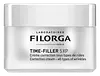 Key Ingredients
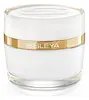
Benefits
Concerns
Ingredients Side-by-side
Water
Skin ConditioningGlycerin
Humectant


Propylheptyl Caprylate
EmollientButylene Glycol
Humectant
Dicaprylyl Carbonate
EmollientHydroxyethyl Acrylate/Sodium Acryloyldimethyl Taurate Copolymer
Emulsion StabilisingSqualane
Emollient
Cetearyl Isononanoate
Emollient
Imperata Cylindrica Root Extract
Skin ConditioningSilica
Abrasive


Sucrose Palmitate
EmollientPhenoxyethanol
Preservative
Parfum
Masking



Stearalkonium Hectorite
Gel Forming1,2-Hexanediol
Skin Conditioning
Lauroyl Lysine
Skin Conditioning
Sodium Stearoyl Glutamate
CleansingGlyceryl Linoleate
Emollient
Cetyl Alcohol
Emollient

Caprylic/Capric Triglyceride
Masking
Tocopheryl Acetate
Antioxidant


Propylene Carbonate
SolventPolysorbate 60
Emulsifying
Sorbitan Isostearate
Emulsifying
Citric Acid
Buffering
Prunus Amygdalus Dulcis Oil
Skin Conditioning
Sodium Chloride
MaskingBiosaccharide Gum-1
Humectant
Carbomer
Emulsion StabilisingHydrogenated Vegetable Oil
Emollient
Adenosine
Skin Conditioning
Anigozanthos Flavidus Extract
Skin ConditioningBenzyl Alcohol
Perfuming


Sodium Lactate
Buffering
Caprylyl Glycol
Emollient
Sodium Hyaluronate
Humectant

Levulinic Acid
Perfuming
Glyceryl Caprylate
EmollientPotassium Sorbate
Preservative
Polysorbate 20
Emulsifying
Sodium Citrate
BufferingDipeptide Diaminobutyroyl Benzylamide Diacetate
Skin Conditioning
Sodium Hydroxide
BufferingCrithmum Maritimum Extract
Skin ConditioningGlucose
Humectant
Tocopherol
Antioxidant
P-Anisic Acid
Masking
Potassium Chloride
Calcium Chloride
AstringentAcrylates/C10-30 Alkyl Acrylate Crosspolymer
Emulsion StabilisingMagnesium Sulfate
Glutamine
Skin ConditioningSodium Phosphate
BufferingAscorbic Acid
Antioxidant

Sodium Acetate
BufferingLysine Hcl
Skin Conditioning
Arginine Hcl
Skin ConditioningPalmitoyl Tripeptide-1
Skin Conditioning
Alanine
Masking
Histidine Hcl
Skin ConditioningValine
MaskingLeucine
Skin ConditioningThreonine
Isoleucine
Skin ConditioningPalmitoyl Tetrapeptide-7
Skin Conditioning
Tryptophan
MaskingPhenylalanine
Masking
Tyrosine
MaskingGlycine
Buffering
Polysorbate 80
Emulsifying
Serine
Masking
Cystine
MaskingCyanocobalamin
Skin ConditioningGlutathione
Asparagine
MaskingAspartic Acid
Masking
Ornithine Hcl
Skin ConditioningGlutamic Acid
Humectant
Nicotinamide Adenine Dinucleotide
Skin ConditioningBiotin
AntiseborrhoeicProline
Skin Conditioning
Methionine
Skin ConditioningTaurine
BufferingHydroxyproline
Skin ConditioningGlucosamine Hcl
Coenzyme A
Skin ConditioningSodium Glucuronate
HumectantThiamine Diphosphate
Skin ConditioningRetinyl Acetate
Skin Conditioning
Inositol
Humectant
Niacin
SmoothingNiacinamide
Smoothing

Pyridoxine Hcl
Skin ConditioningCalcium Pantothenate
Riboflavin
Cosmetic ColorantSodium Tocopheryl Phosphate
Antioxidant
Thiamine Hcl
MaskingFolic Acid
Skin ConditioningWater, Glycerin, Propylheptyl Caprylate, Butylene Glycol, Dicaprylyl Carbonate, Hydroxyethyl Acrylate/Sodium Acryloyldimethyl Taurate Copolymer, Squalane, Cetearyl Isononanoate, Imperata Cylindrica Root Extract, Silica, Sucrose Palmitate, Phenoxyethanol, Parfum, Stearalkonium Hectorite, 1,2-Hexanediol, Lauroyl Lysine, Sodium Stearoyl Glutamate, Glyceryl Linoleate, Cetyl Alcohol, Caprylic/Capric Triglyceride, Tocopheryl Acetate, Propylene Carbonate, Polysorbate 60, Sorbitan Isostearate, Citric Acid, Prunus Amygdalus Dulcis Oil, Sodium Chloride, Biosaccharide Gum-1, Carbomer, Hydrogenated Vegetable Oil, Adenosine, Anigozanthos Flavidus Extract, Benzyl Alcohol, Sodium Lactate, Caprylyl Glycol, Sodium Hyaluronate, Levulinic Acid, Glyceryl Caprylate, Potassium Sorbate, Polysorbate 20, Sodium Citrate, Dipeptide Diaminobutyroyl Benzylamide Diacetate, Sodium Hydroxide, Crithmum Maritimum Extract, Glucose, Tocopherol, P-Anisic Acid, Potassium Chloride, Calcium Chloride, Acrylates/C10-30 Alkyl Acrylate Crosspolymer, Magnesium Sulfate, Glutamine, Sodium Phosphate, Ascorbic Acid, Sodium Acetate, Lysine Hcl, Arginine Hcl, Palmitoyl Tripeptide-1, Alanine, Histidine Hcl, Valine, Leucine, Threonine, Isoleucine, Palmitoyl Tetrapeptide-7, Tryptophan, Phenylalanine, Tyrosine, Glycine, Polysorbate 80, Serine, Cystine, Cyanocobalamin, Glutathione, Asparagine, Aspartic Acid, Ornithine Hcl, Glutamic Acid, Nicotinamide Adenine Dinucleotide, Biotin, Proline, Methionine, Taurine, Hydroxyproline, Glucosamine Hcl, Coenzyme A, Sodium Glucuronate, Thiamine Diphosphate, Retinyl Acetate, Inositol, Niacin, Niacinamide, Pyridoxine Hcl, Calcium Pantothenate, Riboflavin, Sodium Tocopheryl Phosphate, Thiamine Hcl, Folic Acid
Water
Skin ConditioningSqualane
Emollient
Butyrospermum Parkii Butter
Skin Conditioning
Corylus Avellana Seed Oil
Emollient
Glycerin
Humectant
Helianthus Annuus Seed Oil
Emollient
Isostearyl Isostearate
Emollient
Glyceryl Stearate
Emollient
PEG-100 Stearate
Surfactant
Dimethicone/Vinyl Dimethicone Crosspolymer
Skin Conditioning
Gossypium Herbaceum Seed Oil
Skin Conditioning
Mangifera Indica Seed Butter
Skin Conditioning
Pentylene Glycol
Skin Conditioning
Butylene Glycol
Humectant
Hydroxyethyl Acrylate/Sodium Acryloyldimethyl Taurate Copolymer
Emulsion StabilisingCamelina Sativa Seed Oil
Skin Conditioning
Panthenol
Skin Conditioning
Tocopheryl Acetate
Antioxidant
Hydrolyzed Soy Protein
Humectant
Saccharide Hydrolysate
HumectantAdenosine
Skin Conditioning
Alchemilla Vulgaris Extract
AstringentSalix Alba Leaf Extract
Skin ConditioningAlbizia Julibrissin Bark Extract
MaskingChlorella Vulgaris Extract
Skin ConditioningEquisetum Arvense Extract
AstringentPyrus Malus Seed Extract
Skin ConditioningKrameria Triandra Root Extract
Skin ConditioningHydrolyzed Yeast Protein
Skin ConditioningHexyldecanol
Emollient
Cetearyl Alcohol
Emollient
Ceteareth-20
CleansingPolysorbate 60
Emulsifying
Sorbitan Isostearate
Emulsifying
Disodium EDTA
Xanthan Gum
EmulsifyingGlycine Soja Oil
Emollient
Sodium Hydroxide
BufferingBrassica Campestris Sterols
EmollientEthylhexylglycerin
Skin ConditioningCitric Acid
Buffering
Lavandula Angustifolia Oil
Masking
Thymus Mastichina Flower Oil
Skin Conditioning
Phenoxyethanol
Preservative
Sorbic Acid
Preservative
Sodium Benzoate
Masking
Potassium Sorbate
Preservative
Tocopherol
Antioxidant
Linalool
Perfuming
Limonene
Perfuming
Geraniol
Perfuming
Water, Squalane, Butyrospermum Parkii Butter, Corylus Avellana Seed Oil, Glycerin, Helianthus Annuus Seed Oil, Isostearyl Isostearate, Glyceryl Stearate, PEG-100 Stearate, Dimethicone/Vinyl Dimethicone Crosspolymer, Gossypium Herbaceum Seed Oil, Mangifera Indica Seed Butter, Pentylene Glycol, Butylene Glycol, Hydroxyethyl Acrylate/Sodium Acryloyldimethyl Taurate Copolymer, Camelina Sativa Seed Oil, Panthenol, Tocopheryl Acetate, Hydrolyzed Soy Protein, Saccharide Hydrolysate, Adenosine, Alchemilla Vulgaris Extract, Salix Alba Leaf Extract, Albizia Julibrissin Bark Extract, Chlorella Vulgaris Extract, Equisetum Arvense Extract, Pyrus Malus Seed Extract, Krameria Triandra Root Extract, Hydrolyzed Yeast Protein, Hexyldecanol, Cetearyl Alcohol, Ceteareth-20, Polysorbate 60, Sorbitan Isostearate, Disodium EDTA, Xanthan Gum, Glycine Soja Oil, Sodium Hydroxide, Brassica Campestris Sterols, Ethylhexylglycerin, Citric Acid, Lavandula Angustifolia Oil, Thymus Mastichina Flower Oil, Phenoxyethanol, Sorbic Acid, Sodium Benzoate, Potassium Sorbate, Tocopherol, Linalool, Limonene, Geraniol
Reviews
Ingredients Explained
These ingredients are found in both products.
Ingredients higher up in an ingredient list are typically present in a larger amount.
Adenosine is in every living organism. It is one of four components in nucleic acids that helps store our DNA.
Adenosine has many benefits when used. These benefits include hydrating the skin, smoothing skin, and reducing wrinkles. Once applied, adenosine increases collagen production. It also helps with improving firmness and tissue repair.
Studies have found adenosine may also help with wound healing.
In skincare products, Adenosine is usually derived from yeast.
Learn more about AdenosineButylene Glycol (or BG) is used within cosmetic products for a few different reasons:
Overall, Butylene Glycol is a safe and well-rounded ingredient that works well with other ingredients.
Though this ingredient works well with most skin types, some people with sensitive skin may experience a reaction such as allergic rashes, closed comedones, or itchiness.
Learn more about Butylene GlycolCitric Acid is an alpha hydroxy acid (AHA) naturally found in citrus fruits like oranges, lemons, and limes.
Like other AHAs, citric acid can exfoliate skin by breaking down the bonds that hold dead skin cells together. This helps reveal smoother and brighter skin underneath.
However, this exfoliating effect only happens at high concentrations (20%) which can be hard to find in cosmetic products.
Due to this, citric acid is usually included in small amounts as a pH adjuster. This helps keep products slightly more acidic and compatible with skin's natural pH.
In skincare formulas, citric acid can:
While it can provide some skin benefits, research shows lactic acid and glycolic acid are generally more effective and less irritating exfoliants.
Most citric acid used in skincare today is made by fermenting sugars (usually from molasses). This synthetic version is identical to the natural citrus form but easier to stabilize and use in formulations.
Read more about some other popular AHA's here:
Learn more about Citric AcidGlycerin (or glycerol) is a compound naturally found in your skin. It's a powerhouse humectant that pulls water into the stratum corneum.
Topically, glycerin does several things at once:
Your skin makes glycerin on its own (mostly from sebaceous oil breakdown) and shuttles it to your outermost layer of skin, or your epidermis, via aquaporin-3.
Aquaporin-3 is a transporter that is essential for normal skin hydration, elasticity, and repair. Interestingly, mice lacking in AQP3 have dry and less elastic skin that can be fully corrected with glycerin.
This ingredient is non-irritating, plays well with almost every ingredient, and works across all skin types. Typical use is anywhere between 3-10% but can go up to 79% in some leave-on products.
Just know very high concentrations (>40%) can feel tacky in low humidity.
Glycerin is the name for this ingredient in American English. British English uses Glycerol/Glycerine.
Learn more about GlycerinThis is a synthetic polymer. It helps improve the texture of products by adding thickness and gel-like feel.
It is also an emulsifer, meaning it prevents ingredients such as oil and water from separating. It also helps evenly disperse other ingredients.
Phenoxyethanol is a preservative that has germicide, antimicrobial, and aromatic properties. Studies show that phenoxyethanol can prevent microbial growth. By itself, it has a scent that is similar to that of a rose.
It's often used in formulations along with Caprylyl Glycol to preserve the shelf life of products.
Polysorbate 60 is used to help stabilize products. It is a surfactant and emulsifier. These properties help keep ingredients together in a product. Surfactants help reduce surface tension between ingredients with different states, such as liquids and solids. Emulsifiers help prevent oils and waters from separating.
Polysorbate 60 is sorbitol-based and created from the ethoxylation of sorbitan. Ethoxylation is a chemical reaction used to add ethylene oxide. Sorbitan is a the dehydrated version of sorbitol, a sugar found in fruits.
In this case, the 60 comes from reacting 60 units of ethylene oxide with sorbitan.
Polysorbates are commonly used in medicine and foods.
Learn more about Polysorbate 60Potassium Sorbate is a preservative used to prevent yeast and mold in products. It is commonly found in both cosmetic and food products.
This ingredient comes from potassium salt derived from sorbic acid. Sorbic acid is a natural antibiotic and effective against fungus.
Both potassium sorbate and sorbic acid can be found in baked goods, cheeses, dried meats, dried fruit, ice cream, pickles, wine, yogurt, and more.
You'll often find this ingredient used with other preservatives.
Learn more about Potassium SorbateSodium Hydroxide is also known as lye or caustic soda. It is used to adjust the pH of products; many ingredients require a specific pH to be effective.
In small amounts, sodium hydroxide is considered safe to use. However, large amounts may cause chemical burns due to its high alkaline.
Your skin has a natural pH and acid mantle. This acid mantle helps prevent harmful bacteria from breaking through. The acid mantle also helps keep your skin hydrated.
"Alkaline" refers to a high pH level. A low pH level would be considered acidic.
Learn more about Sodium HydroxideSorbitan Isostearate is an emulsifer. It is created from isostearic acid and sorbitol.
As an emulsifier, it keeps the water and oil ingredients from separating. This keeps formulas stable and smooth.
In a 24 hour occlusive patch test on 56 subjects, 10% sorbitan isostearate was completely non-irritating. Most formulas use less than 10%.
Because it's a fatty acid ester, it may not be fungal acne safe since the Malassezia yeast can utilize it as a nutrient source.
Learn more about Sorbitan IsostearateSqualane is the hydrogenated and shelf-stable form of squalene (a lipid that naturally occurs in human sebum).
It is an emollient and skin conditioning agent that is able to integrate seamlessly into the skin's lipid barrier without clogging pores.
This is due to how structurally similar it is to what your skin already produces.
Though it is mostly an emollient that helps soften and hydrate skin, it also has some humectant and occlusive action. Humectants help the skin retain moisture while occlusives seal it in, making squalane a triple-threat moisturizer.
Research shows it has antioxidant capabilities that help protect against stressors like UV exposure, specifically UVA induced oxidative stress. This study also found that it supports collagen biosynthesis in human dermal fibroblasts.
No clinical study has reported significant adverse effects and irritation reactions are very rare from this ingredient (even at 100% concentration).
Overall, it's a fantastic ingredient for hydration and is suitable for all skin types.
This depends on the source. Squalane can be derived from both plants and animals. Most squalane used in skincare comes from plants.
Please note: the source of squalane is only known if disclosed by the brand. We recommend reaching out to the brand if you have any questions about their squalane.
Read more about squalene with an "e".
Though squalane is often called an oil, it’s technically not one. It is a hydrocarbon, meaning it is only made of carbon and hydrogen. True oils are triglycerides and made of fatty acids and glycerol.
The term “oil-free” isn’t regulated so companies can define it however they want. Some exclude all oils, while others just avoid mineral oil or comedogenic oils.
Squalane has a comedogenic rating of 1 from the original 1972 study that tested raw ingredients under occlusion on rabbit ears. This system is not standardized or peer-reviewed, and using the raw ingredients is very different from how diluted cosmetic formulations are used on human skin.
A comedogenic rating of 1 means it is "unlikely to clog pores" according to the original rating system.
The overall formula of a product matters more than the individual ingredients on whether or not it will cause clogged pores.
Learn more about SqualaneTocopherol is a fat-soluble antioxidant known as Vitamin E.
You'll find this ingredient in the vast majority of skincare (for good reason). It works to neutralize free radicals, or unstable molecules generated by UV exposure, pollution, and other environmental stressors, before they can cause oxidative damage to your skin cells.
Topically applied tocopherol has been shown to protect against UV damage by ramping up the skin's own natural defense enzymes.
It also acts as a skin conditioning agent; some studies show that regular topical use can improve the skin's water-binding capacity over 2-4 weeks.
This ingredient is especially loved for being a team player. When combined with Vitamin C, the photoprotective effect of both ingredients roughly doubles and the combo also helps reduce UV-induced DNA damage.
This ingredient has some brightening potential but it's more of a prevention ingredient than spot-fader. Cell studies show it can slow down melanin production but it's worth noting that it's not the most powerful brightener out there.
In formulations, it also serves as a stabilizer that helps protect other oxidation-prone ingredients from degrading.
Concentrations usually range from 0.1-1% in most leave-on products.
Learn more about TocopherolTocopheryl Acetate is AKA Vitamin E. It is an antioxidant and protects your skin from free radicals. Free radicals damage the skin by breaking down collagen.
One study found using Tocopheryl Acetate with Vitamin C decreased the number of sunburned cells.
Tocopheryl Acetate is commonly found in both skincare and dietary supplements.
Learn more about Tocopheryl AcetateWater. It's the most common cosmetic ingredient of all. You'll usually see it at the top of ingredient lists, meaning that it makes up the largest part of the product.
So why is it so popular? Water most often acts as a solvent - this means that it helps dissolve other ingredients into the formulation.
You'll also recognize water as that liquid we all need to stay alive. If you see this, drink a glass of water. Remember to stay hydrated!
Learn more about Water
