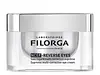
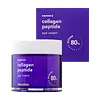
Filorga NCEF-Reverse Eyes Supreme Multi-Correction Eye Cream Versus Hanskin Collagen Peptide Eye Cream
This anti-aging eye moisturizer is formulated around Squalane and Caffeine to soften the look of wrinkles.
This anti-aging eye moisturizer is formulated around Collagen Extract and Niacinamide to soften the look of wrinkles and hydrate skin.


What's inside
What's inside
 Key Ingredients
Benefits
Concerns
Ingredients Side-by-side
Water
Skin ConditioningGlycerin
Humectant


Propylene Glycol Dicaprylate/Dicaprate
EmollientButylene Glycol
Humectant
Sodium Polyacrylate
Absorbent
Sucrose Palmitate
Emollient1,2-Hexanediol
Skin Conditioning
Squalane
Emollient
Synthetic Fluorphlogopite
Albizia Julibrissin Bark Extract
MaskingSodium Chloride
MaskingGlyceryl Linoleate
Emollient

Carbomer
Emulsion StabilisingLecithin
Emollient
Sodium Polyacrylate Starch
AbsorbentTocopheryl Acetate
Antioxidant


Prunus Amygdalus Dulcis Oil
Skin Conditioning


Parfum
Masking


Escin
TonicSalicylic Acid
Masking






Hydroxyethyl Acrylate/Sodium Acryloyldimethyl Taurate Copolymer
Emulsion StabilisingEthylhexylglycerin
Skin ConditioningPentaerythrityl Tetraisostearate
Emollient
Sodium Hydroxide
BufferingCaffeine
Skin Conditioning
Isohexadecane
EmollientBeta-Sitosterol
Emulsion Stabilising
Glucose
Humectant
O-Cymen-5-Ol
Antimicrobial
Glycyrrhiza Glabra Root Extract
Bleaching

Magnesium Ascorbyl Phosphate
Antioxidant
Disodium EDTA
ChelatingPotassium Chloride
Polysorbate 60
Emulsifying
Benzyl Alcohol
Perfuming

Sodium Lactate
Buffering
Calcium Chloride
AstringentSodium Hyaluronate
Humectant
Citric Acid
Buffering
Potassium Sorbate
Preservative
Phenoxyethanol
Preservative
Polysorbate 20
Emulsifying
Magnesium Sulfate
Glutamine
Skin ConditioningSorbitan Isostearate
Emulsifying
Sodium Phosphate
BufferingAcacia Senegal Gum
MaskingPropylene Glycol Alginate
Ascorbic Acid
Antioxidant
Sodium Acetate
BufferingSodium Benzoate
Masking
Lysine Hcl
Skin Conditioning
Arginine Hcl
Skin ConditioningAlanine
Masking
Trihydroxystearin
Skin Conditioning
Histidine Hcl
Skin ConditioningValine
MaskingLeucine
Skin ConditioningThreonine
Undaria Pinnatifida Extract
Skin ConditioningIsoleucine
Skin ConditioningTryptophan
MaskingPhenylalanine
Masking
Tyrosine
MaskingSigesbeckia Orientalis Extract
Skin ConditioningGlycine
Buffering
Polysorbate 80
Emulsifying
Sodium Chondroitin Sulfate
Skin ConditioningSerine
Masking
Cystine
MaskingCyanocobalamin
Skin ConditioningGlutathione
Asparagine
MaskingAspartic Acid
Masking
Ornithine Hcl
Skin ConditioningAcetyl Tetrapeptide-5
Humectant
Glutamic Acid
Humectant
Nicotinamide Adenine Dinucleotide
Skin ConditioningAtelocollagen
Skin Conditioning
Proline
Skin Conditioning
Methionine
Skin ConditioningTaurine
BufferingHydroxyproline
Skin ConditioningGlucosamine Hcl
Tocopherol
Antioxidant
Coenzyme A
Skin ConditioningPalmitoyl Tripeptide-1
Skin Conditioning
Sodium Glucuronate
HumectantPalmitoyl Tetrapeptide-7
Skin Conditioning
Thiamine Diphosphate
Skin ConditioningRetinyl Acetate
Skin Conditioning
Inositol
Humectant
Niacin
SmoothingNiacinamide
Smoothing
Pyridoxine Hcl
Skin ConditioningBiotin
AntiseborrhoeicCalcium Pantothenate
Riboflavin
Cosmetic ColorantSodium Tocopheryl Phosphate
Antioxidant
Thiamine Hcl
MaskingFolic Acid
Skin ConditioningWater, Glycerin, Propylene Glycol Dicaprylate/Dicaprate, Butylene Glycol, Sodium Polyacrylate, Sucrose Palmitate, 1,2-Hexanediol, Squalane, Synthetic Fluorphlogopite, Albizia Julibrissin Bark Extract, Sodium Chloride, Glyceryl Linoleate, Carbomer, Lecithin, Sodium Polyacrylate Starch, Tocopheryl Acetate, Prunus Amygdalus Dulcis Oil, Parfum, Escin, Salicylic Acid, Hydroxyethyl Acrylate/Sodium Acryloyldimethyl Taurate Copolymer, Ethylhexylglycerin, Pentaerythrityl Tetraisostearate, Sodium Hydroxide, Caffeine, Isohexadecane, Beta-Sitosterol, Glucose, O-Cymen-5-Ol, Glycyrrhiza Glabra Root Extract, Magnesium Ascorbyl Phosphate, Disodium EDTA, Potassium Chloride, Polysorbate 60, Benzyl Alcohol, Sodium Lactate, Calcium Chloride, Sodium Hyaluronate, Citric Acid, Potassium Sorbate, Phenoxyethanol, Polysorbate 20, Magnesium Sulfate, Glutamine, Sorbitan Isostearate, Sodium Phosphate, Acacia Senegal Gum, Propylene Glycol Alginate, Ascorbic Acid, Sodium Acetate, Sodium Benzoate, Lysine Hcl, Arginine Hcl, Alanine, Trihydroxystearin, Histidine Hcl, Valine, Leucine, Threonine, Undaria Pinnatifida Extract, Isoleucine, Tryptophan, Phenylalanine, Tyrosine, Sigesbeckia Orientalis Extract, Glycine, Polysorbate 80, Sodium Chondroitin Sulfate, Serine, Cystine, Cyanocobalamin, Glutathione, Asparagine, Aspartic Acid, Ornithine Hcl, Acetyl Tetrapeptide-5, Glutamic Acid, Nicotinamide Adenine Dinucleotide, Atelocollagen, Proline, Methionine, Taurine, Hydroxyproline, Glucosamine Hcl, Tocopherol, Coenzyme A, Palmitoyl Tripeptide-1, Sodium Glucuronate, Palmitoyl Tetrapeptide-7, Thiamine Diphosphate, Retinyl Acetate, Inositol, Niacin, Niacinamide, Pyridoxine Hcl, Biotin, Calcium Pantothenate, Riboflavin, Sodium Tocopheryl Phosphate, Thiamine Hcl, Folic Acid
Collagen Extract
Skin Conditioning
Vinyldimethicone

Glyceryl Stearate
Emollient
Niacinamide
Smoothing
Pentaerythrityl Tetraethylhexanoate
Emollient
Butylene Glycol
Humectant
Glycerin
Humectant
Butyrospermum Parkii Butter
Skin Conditioning
Cetearyl Alcohol
Emollient

Dipentaerythrityl Hexa C5-9 Acid Esters
Skin ConditioningAdenosine
Skin Conditioning
Sodium Hyaluronate
Humectant
Sodium Acetylated Hyaluronate
Humectant
Hydrolyzed Hyaluronic Acid
Humectant
Hydroxypropyltrimonium Hyaluronate
Sodium Hyaluronate Crosspolymer
Humectant
Hyaluronic Acid
Humectant
Potassium Hyaluronate
Skin ConditioningHydrolyzed Elastin
EmollientHydrolyzed Collagen
Emollient
Acetyl Hexapeptide-8
Humectant
Copper Tripeptide-1
Skin Conditioning
Oligopeptide-29
Antioxidant
Oligopeptide-32
Antiseborrhoeic
Palmitoyl Pentapeptide-4
Skin Conditioning
Palmitoyl Tripeptide-1
Skin Conditioning
Palmitoyl Tetrapeptide-7
Skin Conditioning
Palmitoyl Tripeptide-5
Skin Conditioning
C14-22 Alcohols
Emulsion Stabilising
C12-20 Alkyl Glucoside
EmulsifyingOctapeptide-7
Skin Protecting
Sh-Decapeptide-7
Antioxidant
Sh-Octapeptide-4
Antioxidant
Sh-Oligopeptide-9
Humectant
Sh-Pentapeptide-19
Skin Conditioning
Pentapeptide-18
Skin Conditioning
Acetyl Tetrapeptide-5
Humectant
Sh-Oligopeptide-1
Skin Conditioning
Sh-Oligopeptide-2
Skin Conditioning
Sh-Polypeptide-1
Skin Conditioning
Sh-Polypeptide-22
Skin Conditioning
Dipeptide Diaminobutyroyl Benzylamide Diacetate
Skin Conditioning
Polyglyceryl-2 Stearate
Emulsifying
Stearyl Alcohol
Emollient
Hydroxyethyl Acrylate/Sodium Acryloyldimethyl Taurate Copolymer
Emulsion StabilisingSqualane
Emollient
Sodium Polyacrylate
Absorbent
Pentylene Glycol
Skin Conditioning
Cocos Nucifera Fruit Extract
Emollient
Pinus Sylvestris Leaf Extract
TonicPanthenol
Skin Conditioning
Water
Skin ConditioningOctyldodecanol
Emollient
Caprylic/Capric Triglyceride
Masking
Hydrogenated Lecithin
Emulsifying
Phytosteryl/Octyldodecyl Lauroyl Glutamate
Skin Conditioning1,2-Hexanediol
Skin Conditioning
Ceramide NP
Skin Conditioning
Ethylhexylglycerin
Skin ConditioningArginine
Masking
Phytosteryl/Behenyl/Octyldodecyl Lauroyl Glutamate
Skin ConditioningAllantoin
Skin Conditioning
Acrylates/C10-30 Alkyl Acrylate Crosspolymer
Emulsion StabilisingPropanediol
Solvent
Caprylyl Glycol
Emollient
Chlorphenesin
Antimicrobial
Disodium EDTA
ChelatingCollagen Extract, Vinyldimethicone, Glyceryl Stearate, Niacinamide, Pentaerythrityl Tetraethylhexanoate, Butylene Glycol, Glycerin, Butyrospermum Parkii Butter, Cetearyl Alcohol, Dipentaerythrityl Hexa C5-9 Acid Esters, Adenosine, Sodium Hyaluronate, Sodium Acetylated Hyaluronate, Hydrolyzed Hyaluronic Acid, Hydroxypropyltrimonium Hyaluronate, Sodium Hyaluronate Crosspolymer, Hyaluronic Acid, Potassium Hyaluronate, Hydrolyzed Elastin, Hydrolyzed Collagen, Acetyl Hexapeptide-8, Copper Tripeptide-1, Oligopeptide-29, Oligopeptide-32, Palmitoyl Pentapeptide-4, Palmitoyl Tripeptide-1, Palmitoyl Tetrapeptide-7, Palmitoyl Tripeptide-5, C14-22 Alcohols, C12-20 Alkyl Glucoside, Octapeptide-7, Sh-Decapeptide-7, Sh-Octapeptide-4, Sh-Oligopeptide-9, Sh-Pentapeptide-19, Pentapeptide-18, Acetyl Tetrapeptide-5, Sh-Oligopeptide-1, Sh-Oligopeptide-2, Sh-Polypeptide-1, Sh-Polypeptide-22, Dipeptide Diaminobutyroyl Benzylamide Diacetate, Polyglyceryl-2 Stearate, Stearyl Alcohol, Hydroxyethyl Acrylate/Sodium Acryloyldimethyl Taurate Copolymer, Squalane, Sodium Polyacrylate, Pentylene Glycol, Cocos Nucifera Fruit Extract, Pinus Sylvestris Leaf Extract, Panthenol, Water, Octyldodecanol, Caprylic/Capric Triglyceride, Hydrogenated Lecithin, Phytosteryl/Octyldodecyl Lauroyl Glutamate, 1,2-Hexanediol, Ceramide NP, Ethylhexylglycerin, Arginine, Phytosteryl/Behenyl/Octyldodecyl Lauroyl Glutamate, Allantoin, Acrylates/C10-30 Alkyl Acrylate Crosspolymer, Propanediol, Caprylyl Glycol, Chlorphenesin, Disodium EDTA
Ingredients Explained
These ingredients are found in both products.
Ingredients higher up in an ingredient list are typically present in a larger amount.
1,2-Hexanediol is a synthetic liquid and another multi-functional powerhouse.
It is a:
- Humectant, drawing moisture into the skin
- Emollient, helping to soften skin
- Solvent, dispersing and stabilizing formulas
- Preservative booster, enhancing the antimicrobial activity of other preservatives
Acetyl Tetrapeptide-5 is a peptide that goes by another name, eyeseryl, due to claims that it can help reduce eye puffiness.
The manufacturer claims this ingredient reduces eye puffiness by:
An in-vivo study from the manufacturer found 95% of volunteers saw eye bag improvement by the end of the study.
Eye puffiness is caused by two major factors: fluid retention and fat.
Those with fluid retention may see improvement from using this ingredient. However, those with eye fat will need surgical intervention in order to get rid of puffiness.
Learn more about Acetyl Tetrapeptide-5Butylene Glycol (or BG) is used within cosmetic products for a few different reasons:
Overall, Butylene Glycol is a safe and well-rounded ingredient that works well with other ingredients.
Though this ingredient works well with most skin types, some people with sensitive skin may experience a reaction such as allergic rashes, closed comedones, or itchiness.
Learn more about Butylene GlycolDisodium EDTA is a chelating agent. It grabs onto and deactivates metal ions that sneak into your products from water, packaging, or air.
This ingredient mainly works behind the scenes and helps with:
On top of that, this ingredient can counteract the effects of hard water by binding to the minerals in it.
One thing worth knowing is that Disodium EDTA has been shown to be a mild penetration enhancer. It can help other ingredients absorb into skin more effectively which can be a double-edged sword (great for actives, but can also make the active too strong if you have sensitive skin).
Clinical patch testing showed no significant skin irritation at typical use concentrations and minimal dermal absorption.
You'll most likely see this ingredient near the end of an ingredient list. It's typically found in concentrations less than 1%.
Learn more about Disodium EDTAEthylhexylglycerin is created from glycerin. It is a multitasker ingredient that:
The CIR Expert Panel found minimal skin absorption or sensitization of any kind in a safety assessment. Though this ingredient is considered well-tolerated, a small number of cases of allergic dermatitis have been published since 2002. Just be sure to patch test if you are unsure.
Industry-reported use ranges from 8% in rinse-off products and 2% in leave-on formulations.
Learn more about EthylhexylglycerinGlycerin (or glycerol) is a compound naturally found in your skin. It's a powerhouse humectant that pulls water into the stratum corneum.
Topically, glycerin does several things at once:
Your skin makes glycerin on its own (mostly from sebaceous oil breakdown) and shuttles it to your outermost layer of skin, or your epidermis, via aquaporin-3.
Aquaporin-3 is a transporter that is essential for normal skin hydration, elasticity, and repair. Interestingly, mice lacking in AQP3 have dry and less elastic skin that can be fully corrected with glycerin.
This ingredient is non-irritating, plays well with almost every ingredient, and works across all skin types. Typical use is anywhere between 3-10% but can go up to 79% in some leave-on products.
Just know very high concentrations (>40%) can feel tacky in low humidity.
Glycerin is the name for this ingredient in American English. British English uses Glycerol/Glycerine.
Learn more about GlycerinThis is a synthetic polymer. It helps improve the texture of products by adding thickness and gel-like feel.
It is also an emulsifer, meaning it prevents ingredients such as oil and water from separating. It also helps evenly disperse other ingredients.
Niacinamide is a multitasking form of vitamin B3 that strengthens the skin barrier, reduces pores and dark spots, regulates oil, and improves signs of aging.
And the best part? It's gentle and well-tolerated by most skin types, including sensitive and reactive skin.
You might have heard of "niacin flush", or the reddening of skin that causes itchiness. Niacinamide has not been found to cause this.
In very rare cases, some individuals may not be able to tolerate niacinamide at all or experience an allergic reaction to it.
If you are experiencing flaking, irritation, and dryness with this ingredient, be sure to double check all your products as this ingredient can be found in all categories of skincare.
When incorporating niacinamide into your routine, look out for concentration amounts. Typically, 5% niacinamide provides benefits such as fading dark spots. However, if you have sensitive skin, it is better to begin with a smaller concentration.
When you apply niacinamide to your skin, your body converts it into nicotinamide adenine dinucleotide (NAD). NAD is an essential coenzyme that is already found in your cells as "fuel" and powers countless biological processes.
In your skin, NAD helps repair cell damage, produce new healthy cells, support collagen production, strengthen the skin barrier, and fight environmental stressors (like UV and pollution).
Our natural NAD levels start to decline with age, leading to slower skin repair, visible aging, and a weaker skin barrier. By providing your skin niacinamide, you're recharging your skin's NAD levels. This leads to stronger, healthier, and younger looking skin.
Another name for vitamin B3 is nicotinamide. This vitamin is water-soluble and our bodies don't store it. We obtain Vitamin B3 from either food or skincare. Meat, fish, wheat, yeast, and leafy greens contain vitamin B3.
The type of niacinamide used in skincare is synthetically created.
Learn more about NiacinamidePalmitoyl Tetrapeptide-7 (formerly Palmitoyl Tetrapeptide-3) is a synthetic peptide. Its main job is to fight what researchers call "inflammaging".
"Inflammaging" is the slow, low-grade chronic inflammation that quietly breaks down collagen as we age.
This ingredient calms down a specific inflammation signal in your skin cells (called IL-6). When left unchecked, this signal triggers enzymes that break down collagen and elastin.
Clinical testing showed statistically significant improvements in:
Studies also found the more of this ingredient used, the more your skin produces Collagen I, fibronectin, and hyaluronic acid.
You'll likely see this ingredient paired with Palmitoyl Tripeptide-1 in the well-known Matrixyl 3000 complex for enhanced anti-aging effects.
A 3% concentration applied twice daily for two months showed meaningful skin rejuvenation results in clinical panels.
Fungal acne note:
Usually a palmitic acid component can feed Malassezia in unbound form, but here is is covalently bonded to the peptide. This means it is very difficult for Malassezia to access, and therefore very unlikely to cause fungal acne.
Palmitoyl Tripeptide-1 (aka Pal-GHK) is a synthetic signal peptide made of three amino acids attached to palmitic acid.
That fatty acid attachment is the key: it boosts the peptide's ability to penetrate the skin barrier. This puts it closer to the dermal cells where it can actually make a difference.
Once there, it acts as a matrikine, a signaling peptide that prompts fibroblasts to produce more collagen, fibronectin, and hyaluronic acid.
In vitro studies show it can boost collagen production in skin cells even when UV-damaged skin samples were treated with it at a tiny concentration (it almost fully restored dermal collagen at 5ppm). It achieved this at 100x lower concentration than retinoic acid, which needed 500 ppm to do the same thing.
Human clinical data is promising, but modest:
A study of 23 female volunteers found a small but statistically significant increase (~4%) in skin thickness after treatment at 4 ppm.
A separate small trial of 15 women showed statistically significant reductions in wrinkle length, depth, and skin roughness after applying it twice daily for four weeks.
You'll likely see Pal-GHK paired with Palmitoyl Tetrapeptide-7 as part of the Matrixyl 3000 complex.
Fungal acne note:
Usually a palmitic acid component can feed Malassezia in unbound form, but here is is covalently bonded to the peptide. This means it is very difficult for Malassezia to access, and therefore very unlikely to cause fungal acne.
Sodium Hyaluronate is the salt form of hyaluronic acid. It is a long sugar chain that is naturally found in your skin, joints, and connective tissue that maintains hydration and elasticity.
In skincare, it works as a humectant. It pulls water from the environment and deeper layers of skin and binds it to the surface.
Interestingly, the size of the molecule affects its behavior:
Some clinical evidence links low molecular weight versions to improved wrinkle depth, elasticity, anti-inflammatory effects, and barrier repair.
Many serums use a blend of both weights so you can get surface hydration plus longer-lasting and deeper effects.
You'll typically see concentrations between 0.1-2% for this ingredient.
Learn more about Sodium HyaluronateSodium Polyacrylate is the sodium salt of polyacrylic acid. It is used as an absorber, emollient, and stabilizer.
This ingredient is a super-absorbent polymer - meaning it can absorb 100 to 1000 times its mass in water. As an emollient, Sodium Polyacrylate helps soften and soothe skin. Emollients work by creating a barrier to trap moisture in. This helps keep your skin hydrated.
Squalane is the hydrogenated and shelf-stable form of squalene (a lipid that naturally occurs in human sebum).
It is an emollient and skin conditioning agent that is able to integrate seamlessly into the skin's lipid barrier without clogging pores.
This is due to how structurally similar it is to what your skin already produces.
Though it is mostly an emollient that helps soften and hydrate skin, it also has some humectant and occlusive action. Humectants help the skin retain moisture while occlusives seal it in, making squalane a triple-threat moisturizer.
Research shows it has antioxidant capabilities that help protect against stressors like UV exposure, specifically UVA induced oxidative stress. This study also found that it supports collagen biosynthesis in human dermal fibroblasts.
No clinical study has reported significant adverse effects and irritation reactions are very rare from this ingredient (even at 100% concentration).
Overall, it's a fantastic ingredient for hydration and is suitable for all skin types.
This depends on the source. Squalane can be derived from both plants and animals. Most squalane used in skincare comes from plants.
Please note: the source of squalane is only known if disclosed by the brand. We recommend reaching out to the brand if you have any questions about their squalane.
Read more about squalene with an "e".
Though squalane is often called an oil, it’s technically not one. It is a hydrocarbon, meaning it is only made of carbon and hydrogen. True oils are triglycerides and made of fatty acids and glycerol.
The term “oil-free” isn’t regulated so companies can define it however they want. Some exclude all oils, while others just avoid mineral oil or comedogenic oils.
Squalane has a comedogenic rating of 1 from the original 1972 study that tested raw ingredients under occlusion on rabbit ears. This system is not standardized or peer-reviewed, and using the raw ingredients is very different from how diluted cosmetic formulations are used on human skin.
A comedogenic rating of 1 means it is "unlikely to clog pores" according to the original rating system.
The overall formula of a product matters more than the individual ingredients on whether or not it will cause clogged pores.
Learn more about SqualaneWater. It's the most common cosmetic ingredient of all. You'll usually see it at the top of ingredient lists, meaning that it makes up the largest part of the product.
So why is it so popular? Water most often acts as a solvent - this means that it helps dissolve other ingredients into the formulation.
You'll also recognize water as that liquid we all need to stay alive. If you see this, drink a glass of water. Remember to stay hydrated!
Learn more about Water

