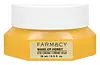
This anti-aging eye moisturizer is formulated around Tetrahexyldecyl Ascorbate and Caffeine to soften the look of wrinkles and brighten dull-looking skin.
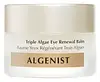
This anti-aging eye moisturizer is formulated around Palmitoyl Tetrapeptide-7 to soften the look of wrinkles.

What's inside
What's inside
 Key Ingredients
Benefits
Concerns
Ingredients Side-by-side
Water
Skin ConditioningGlycerin
Humectant


Coco-Caprylate/Caprate
Emollient
Pentaerythrityl Tetraisostearate
Emollient

Diisostearyl Malate
EmollientButyrospermum Parkii Butter
Skin Conditioning


Cetearyl Alcohol
Emollient
Tetrahexyldecyl Ascorbate
Antioxidant





Cetearyl Olivate
Pentylene Glycol
Skin Conditioning
Helianthus Annuus Seed Oil Unsaponifiables
Emollient
Sorbitan Olivate
Emulsifying
Boron Nitride
Absorbent
Caffeine
Skin Conditioning

Hyaluronic Acid
Humectant
Ceramide NP
Skin Conditioning
Vaccinium Macrocarpon Fruit Extract
AstringentCoffea Arabica Seed Extract
Masking
Honey Extract
Humectant
Propolis Extract
Skin Conditioning

Royal Jelly Extract
Skin Conditioning
Citrus Aurantium Amara Fruit Extract
Skin ConditioningCitrus Aurantium Sinensis Peel Extract
Skin ConditioningCitrus Reticulata Fruit Extract
Skin ProtectingAscorbic Acid
Antioxidant
Tridecapeptide-1
Skin Conditioning
Betaine
Humectant
Triolein
Skin Conditioning
Hydroxyacetophenone
Antioxidant
Tocopheryl Acetate
Antioxidant
Astaxanthin
Skin Conditioning
Allantoin
Skin Conditioning
Hippophae Rhamnoides Oil
Emollient
Tocopherol
Antioxidant
Ubiquinone
Antioxidant
Lecithin
Emollient
Haematococcus Pluvialis Extract
Antioxidant
Glyceryl Dioleate
Emollient
Water, Glycerin, Coco-Caprylate/Caprate, Pentaerythrityl Tetraisostearate, Diisostearyl Malate, Butyrospermum Parkii Butter, Cetearyl Alcohol, Tetrahexyldecyl Ascorbate, Cetearyl Olivate, Pentylene Glycol, Helianthus Annuus Seed Oil Unsaponifiables, Sorbitan Olivate, Boron Nitride, Caffeine, Hyaluronic Acid, Ceramide NP, Vaccinium Macrocarpon Fruit Extract, Coffea Arabica Seed Extract, Honey Extract, Propolis Extract, Royal Jelly Extract, Citrus Aurantium Amara Fruit Extract, Citrus Aurantium Sinensis Peel Extract, Citrus Reticulata Fruit Extract, Ascorbic Acid, Tridecapeptide-1, Betaine, Triolein, Hydroxyacetophenone, Tocopheryl Acetate, Astaxanthin, Allantoin, Hippophae Rhamnoides Oil, Tocopherol, Ubiquinone, Lecithin, Haematococcus Pluvialis Extract, Glyceryl Dioleate
Water
Skin ConditioningStearic Acid
Cleansing
Isopropyl Isostearate
Emollient
Dimethicone
Emollient
Glycerin
Humectant
Pentylene Glycol
Skin Conditioning
Glyceryl Stearate Se
Emulsifying
Cetearyl Alcohol
Emollient
Butyrospermum Parkii Butter
Skin Conditioning
C12-15 Alkyl Benzoate
AntimicrobialLimnanthes Alba Seed Oil
Skin Conditioning
Parachlorella Beijerinckii Exopolysaccharides
Skin ProtectingCorallina Officinalis Extract
Skin Conditioning
Dunaliella Salina Extract
Skin ConditioningUndaria Pinnatifida Extract
Skin ConditioningDipeptide-2
Skin Conditioning
Palmitoyl Tetrapeptide-7
Skin Conditioning
Palmitoyl Hexapeptide-12
Skin Conditioning
Palmitoyl Tripeptide-5
Skin Conditioning
Sodium Hyaluronate
Humectant
Caffeine
Skin Conditioning
Coffea Arabica Seed Oil
Masking
Tribehenin
Emollient
Ceramide Ng
Skin Conditioning
PEG-10 Phytosterol
EmulsifyingTetrahexyldecyl Ascorbate
Antioxidant
Aloe Barbadensis Leaf Juice
Skin Conditioning
Tocopheryl Acetate
Antioxidant
Bambusa Vulgaris Leaf/Stem Extract
HumectantPisum Sativum Extract
Skin ConditioningGlucosamine Hcl
Leuconostoc/Radish Root Ferment Filtrate
Antimicrobial
Camellia Sinensis Leaf Extract
Antimicrobial
Cucumis Sativus Fruit Extract
Emollient
Dimethicone Crosspolymer
Emulsion Stabilising
Panthenol
Skin Conditioning
Pantolactone
Humectant
Caprylyl/Capryl Glucoside
CleansingPfaffia Paniculata Root Extract
SoothingPtychopetalum Olacoides Bark/Stem Extract
Skin ConditioningLilium Candidum Flower Extract
Skin ConditioningRubus Idaeus Leaf Extract
Skin ConditioningAloe Barbadensis Leaf Juice Powder
Skin Conditioning
Vinyl Dimethicone/Methicone Silsesquioxane Crosspolymer
Phospholipids
Skin Conditioning
Ceteareth-20
Cleansing
Acrylates/C10-30 Alkyl Acrylate Crosspolymer
Emulsion StabilisingDisodium EDTA
ChelatingAminomethyl Propanol
BufferingCaprylyl Glycol
Emollient
Lactic Acid
Buffering

Ethylhexylglycerin
Skin ConditioningHexylene Glycol
EmulsifyingHesperidin Methyl Chalcone
Antioxidant
Steareth-20
CleansingCitric Acid
Buffering
Sodium Citrate
BufferingChlorhexidine Digluconate
Antimicrobial
Phenoxyethanol
Preservative
Potassium Sorbate
Preservative
Benzyl Alcohol
Perfuming



Sodium Benzoate
Masking
Water, Stearic Acid, Isopropyl Isostearate, Dimethicone, Glycerin, Pentylene Glycol, Glyceryl Stearate Se, Cetearyl Alcohol, Butyrospermum Parkii Butter, C12-15 Alkyl Benzoate, Limnanthes Alba Seed Oil, Parachlorella Beijerinckii Exopolysaccharides, Corallina Officinalis Extract, Dunaliella Salina Extract, Undaria Pinnatifida Extract, Dipeptide-2, Palmitoyl Tetrapeptide-7, Palmitoyl Hexapeptide-12, Palmitoyl Tripeptide-5, Sodium Hyaluronate, Caffeine, Coffea Arabica Seed Oil, Tribehenin, Ceramide Ng, PEG-10 Phytosterol, Tetrahexyldecyl Ascorbate, Aloe Barbadensis Leaf Juice, Tocopheryl Acetate, Bambusa Vulgaris Leaf/Stem Extract, Pisum Sativum Extract, Glucosamine Hcl, Leuconostoc/Radish Root Ferment Filtrate, Camellia Sinensis Leaf Extract, Cucumis Sativus Fruit Extract, Dimethicone Crosspolymer, Panthenol, Pantolactone, Caprylyl/Capryl Glucoside, Pfaffia Paniculata Root Extract, Ptychopetalum Olacoides Bark/Stem Extract, Lilium Candidum Flower Extract, Rubus Idaeus Leaf Extract, Aloe Barbadensis Leaf Juice Powder, Vinyl Dimethicone/Methicone Silsesquioxane Crosspolymer, Phospholipids, Ceteareth-20, Acrylates/C10-30 Alkyl Acrylate Crosspolymer, Disodium EDTA, Aminomethyl Propanol, Caprylyl Glycol, Lactic Acid, Ethylhexylglycerin, Hexylene Glycol, Hesperidin Methyl Chalcone, Steareth-20, Citric Acid, Sodium Citrate, Chlorhexidine Digluconate, Phenoxyethanol, Potassium Sorbate, Benzyl Alcohol, Sodium Benzoate
Reviews
Ingredients Explained
These ingredients are found in both products.
Ingredients higher up in an ingredient list are typically present in a larger amount.
This ingredient is also known as shea butter. It is a plant-derived extract from the nuts of the Africa shea tree and one of the most well-studied emollients.
Because it has a high concentration of fatty acids (primarily oleic, stearic, and linoleic) it is able to form a protective barrier on the skin's surface. This helps seal in moisture and prevents transepidermal water loss (TEWL).
In vitro research found an increase in skin hydration by 58% and a decrease in TEWL by 37.8% after 24 hours of applying this ingredient (pretty impressive for a single ingredient!).
Besides hydration, shea butter also contains triterpenes that have anti-inflammatory potential. In particule, lupeol cinnamate has shown the highest anti-inflammatory activity in vivo.
Shea butter also contains vitamins A and E which may contribute to antioxidant activity.
While Shea Butter has an SPF rating of about 3-4, it is not a sunscreen replacement.
This ingredient may not be fungal acne safe because its fatty acids fall within the C11-C24 range that the Malassezia yeast can metabolize.
This ingredient shows up on a lot of "pore-clogging" lists but there's no real evidence behind that. It doesn't even have a comedogenic rating from an actual study; the numbers you'll find online come from blogs citing other blogs.
Ratings for other ingredients mostly come from a 1980s rabbit ear test. This test doesn't translate well to human skin or to real products because the ingredient sits at a much lower percentage.
Some people still find it breaks them out. So if that's you, definitely trust your skin. Just know this one's based on experience and not evidence.
Learn more about Butyrospermum Parkii ButterCaffeine is a naturally occurring plant compound found in coffee beans, tea leaves, cocoa pods, and guarana.
As an antioxidant, caffeine protects your skin from free radical damage caused by UV exposure and envionrmnetal stressors.
Early research also shows that caffeine can help calm redness, soothe irritated skin, and support hair growth by stimulating microcirculation in the scalp.
You might have seen eye creams marketing caffeine as a depuffing ingredient. This is because it is a vasoconstrictor meaning it can temporarily constrict blood vessels, though clinical evidence for this specific use is still limited.
Most skincare products contain this ingredient at concentrations between 1-6%. It is able to penetrate skin easily regardless of skin type or thickness.
Just so you know, a very small number of case reports describe caffeine-induced allergy. This ingredient is generally well-tolerated, non-irritating, and non-sensitizing for the majority of people.
Learn more about CaffeineCetearyl alcohol is a waxy mixture of two fatty alcohols: cetyl alcohol and stearyl alcohol. It is an emollient and emulsifier.
Despite having "alcohol" in its name, it has nothing to do with drying solvent alcohols; the FDA also allows "alcohol-free" products to contain fatty alcohols like this ingredient.
It plays several roles in a formula:
Typical use levels for this ingredient sit around 1-10% and the Cosmetic Ingredient Review Expert Panel has affirmed safety at concentrations up to 25% in leave-on products.
Multiple assessments have found it to be non-irritating and non-sensitizing to most people.
However, there have been some cases of allergic contact dermatitis in patients with chronically compromised skin barriers.
Cetearyl alcohol has a comedogenic rating of 2 and irritancy rating of 1. Both of these numbers come from the 1989 study that used rabbit ears; a "2" means mildly comedogenic and a "1" means low irritancy.
Here's the catch: rabbit skin is more sensitive than human skin and throws a lot of false positives. A 1996 reappraisal found that ingredients rated 1-2 in the rabbit ear tests are generally safe for humans.
Remember comedogenic ratings are unable to assess the entire formula of a product or how it will react on your skin. Just be sure to patch test if you are unsure about certain ingredients.
This ingredient is not fungal acne safe. Cetearyl alcohol is a fatty alcohol with chain lengths that fall within the range that Malassezia can metabolize.
A 2019 study has also observed Malassezia growth in the presence of this ingredient, confirming it to be not-fungal acne safe.
Learn more about Cetearyl AlcoholGlycerin (or glycerol) is a compound naturally found in your skin. It's a powerhouse humectant that pulls water into the stratum corneum.
Topically, glycerin does several things at once:
Your skin makes glycerin on its own (mostly from sebaceous oil breakdown) and shuttles it to your outermost layer of skin, or your epidermis, via aquaporin-3.
Aquaporin-3 is a transporter that is essential for normal skin hydration, elasticity, and repair. Interestingly, mice lacking in AQP3 have dry and less elastic skin that can be fully corrected with glycerin.
This ingredient is non-irritating, plays well with almost every ingredient, and works across all skin types. Typical use is anywhere between 3-10% but can go up to 79% in some leave-on products.
Just know very high concentrations (>40%) can feel tacky in low humidity.
Glycerin is the name for this ingredient in American English. British English uses Glycerol/Glycerine.
Learn more about GlycerinPentylene Glycol (1,2-pentanediol) is a multitasking little diol with three main roles in a formula:
Research on alkanediols (the family pentylene glycol belongs to) show they work by disrupting microbial cell membranes. This disruption helps the primary preservative system in a product work more effectively at lower doses.
On the safety side, the Cosmetic Ingredient Review Expert Panel has concluded this ingredient to be safe as used in current cosmetic practices + concentrations.
Typical use levels in a formula run about 1-5%.
Learn more about Pentylene GlycolTetrahexyldecyl Ascorbate (THD) is a stable and oil-soluble form of Vitamin C.
THD is special in that it has the ability to travel deeper into skin than traditional ascorbic acid while maintaining the same skin benefits (double win!).
Because it’s oil-soluble, THD dives deep into your skin’s fatty layers (think ceramides and cholesterol) to fight off the kind of free radicals that mess with your skin barrier. This makes it a great pair with water-based vitamin C (ascorbic acid) that mainly works on the surface.
Even at just 0.1%, THD is already showing great antioxidant activity. When used up to 2%, it helps keep your skin happy and calm, especially when it’s stressed from pollution or sun.
Want to fade dark spots or tackle hyperpigmentation? You’ll want 5% or more. Pairing it with brightening buddies like niacinamide or licorice root gives even better results. One study even used 30% THD with other brighteners and saw real results on stubborn discoloration, even in melasma-prone skin.
A note on THD: It’s has a slightly silky, oily texture and usually shows up colorless or pale yellow (though the exact shade can vary by supplier).
While you can sneak it into water-based formulas, it really shines when paired with silicones or oils, which help your skin soak it up better.
THD is pretty stable, but it’s still vulnerable to degradation like ascorbic acid. Too much light or heat (above 113°F / 45°C) can break it down over time. Go for dark and opaque packaging that keeps it safe and shady!
Read more about other types of Vitamin C:
Learn more about Tetrahexyldecyl AscorbateTocopheryl Acetate is a stable, shelf-friendly form of vitamin E.
Formulators love it because plain vitamin E oxidizes quickly once it hits air. This acetate version stays stable and resists going off, helping to extend a product's shelf life.
It's actually inactive on its own and works like a slow-release "storage" form; the enzymes in your skin called esterases gradually convert it into active vitamin E over time.
One in vivo study showed 5% of the acetate in the living layer of the epidermis converted to vitamin E after 5 days of application. This study also found the skin gained protection against UV damage even though the conversion was slow and small.
Once converted, vitamin E acts as a skin's main fat-soluble antioxidant that fights free radicals to protect skin from damage.
Topical vitamin E generally boosts the skin's photoprotection, and it reduced UV-damage in animal models.
This ingredient has some brightening potential but it's more of a prevention ingredient than spot-fader. Cell studies show it can slow down melanin production but it's worth noting that it's not the most powerful brightener out there.
Overall, it has a pretty solid safety profile and has been found to be non-irritating and non-comedogenic. Allergic reactions may happen but stay rare due to how widely the ingredient gets used.
The concentration will vary depending on the formula; industry data shows 0.1% in baby lotions, 3% in lipsticks, and 5% in foot powders. You can also find this ingredient at 100% in a pure vitamin E oil.
Most leave-on skincare keeps it at the lower end, often between 0.5-1%.
Learn more about Tocopheryl AcetateWater. It's the most common cosmetic ingredient of all. You'll usually see it at the top of ingredient lists, meaning that it makes up the largest part of the product.
So why is it so popular? Water most often acts as a solvent - this means that it helps dissolve other ingredients into the formulation.
You'll also recognize water as that liquid we all need to stay alive. If you see this, drink a glass of water. Remember to stay hydrated!
Learn more about Water

