

What's inside
What's inside
 Key Ingredients
Benefits
Concerns
Ingredients Side-by-side
Water
Skin ConditioningDimethicone
Emollient

Glycerin
Humectant

Isohexadecane
EmollientButylene Glycol
Humectant
Bis-PEG-18 Methyl Ether Dimethyl Silane
EmollientPEG-10 Dimethicone
Skin Conditioning
Disteardimonium Hectorite
StabilisingMoringa Oleifera Seed Extract
Skin Conditioning
Hibiscus Sinensis Flower Extract
Skin ConditioningSodium Hyaluronate
Humectant


Acetyl Hexapeptide-8
Humectant
Laminaria Digitata Extract
Skin Protecting
Whey Protein
Skin ConditioningOpuntia Tuna Fruit Extract
Skin ConditioningAcetyl Glucosamine
Skin Conditioning

Tocopheryl Acetate
Antioxidant

Narcissus Tazetta Bulb Extract
Astringent

Squalane
Emollient
Algae Extract
EmollientHypnea Musciformis Extract
Skin ProtectingPyrus Malus Fruit Extract
Skin Conditioning
Cucumis Sativus Fruit Extract
Emollient
Lens Esculenta Fruit Extract
Skin ConditioningCitrullus Lanatus Fruit Extract
Skin Conditioning
Silybum Marianum Extract
Skin Conditioning
Gelidiella Acerosa Extract
Skin ProtectingHelianthus Annuus Seed Extract
Skin Conditioning
Sigesbeckia Orientalis Extract
Skin ConditioningCaffeine
Skin Conditioning
Hordeum Vulgare Extract
EmollientSodium Lactate
Buffering
Triticum Vulgare Germ Extract
Skin ConditioningSorbitol
Humectant
Propylene Glycol Dicaprate
EmollientSucrose
Humectant
Sodium PCA
Humectant
Aminopropyl Ascorbyl Phosphate
Antioxidant


Pentylene Glycol
Skin Conditioning
Caprylyl Glycol
Emollient
Propylene Carbonate
SolventPolyethylene
Abrasive
Polysilicone-11

PEG-32
HumectantPEG-6
HumectantDisodium EDTA
Isoceteth-20
EmulsifyingIsododecane
EmollientCitric Acid
Buffering

Parfum
Masking


BHT
Antioxidant
Sodium Citrate
BufferingPotassium Sorbate
Preservative
Sodium Dehydroacetate
Preservative
Sodium Benzoate
Masking
Phenoxyethanol
Preservative
CI 77491
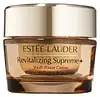
Cosmetic ColorantWater, Dimethicone, Glycerin, Isohexadecane, Butylene Glycol, Bis-PEG-18 Methyl Ether Dimethyl Silane, PEG-10 Dimethicone, Disteardimonium Hectorite, Moringa Oleifera Seed Extract, Hibiscus Sinensis Flower Extract, Sodium Hyaluronate, Acetyl Hexapeptide-8, Laminaria Digitata Extract, Whey Protein, Opuntia Tuna Fruit Extract, Acetyl Glucosamine, Tocopheryl Acetate, Narcissus Tazetta Bulb Extract, Squalane, Algae Extract, Hypnea Musciformis Extract, Pyrus Malus Fruit Extract, Cucumis Sativus Fruit Extract, Lens Esculenta Fruit Extract, Citrullus Lanatus Fruit Extract, Silybum Marianum Extract, Gelidiella Acerosa Extract, Helianthus Annuus Seed Extract, Sigesbeckia Orientalis Extract, Caffeine, Hordeum Vulgare Extract, Sodium Lactate, Triticum Vulgare Germ Extract, Sorbitol, Propylene Glycol Dicaprate, Sucrose, Sodium PCA, Aminopropyl Ascorbyl Phosphate, Pentylene Glycol, Caprylyl Glycol, Propylene Carbonate, Polyethylene, Polysilicone-11, PEG-32, PEG-6, Disodium EDTA, Isoceteth-20, Isododecane, Citric Acid, Parfum, BHT, Sodium Citrate, Potassium Sorbate, Sodium Dehydroacetate, Sodium Benzoate, Phenoxyethanol, CI 77491
Water
Skin ConditioningC12-15 Alkyl Benzoate
AntimicrobialGlycerin
Humectant
Octocrylene
UV Absorber

Ethylhexyl Salicylate
UV Absorber
Butyl Methoxydibenzoylmethane
UV Absorber
Dibutyl Adipate
EmollientBis-Ethylhexyloxyphenol Methoxyphenyl Triazine
Skin Conditioning
Methylene Bis-Benzotriazolyl Tetramethylbutylphenol
UV Filter
Polyglyceryl-6 Stearate
Emollient
Propanediol
Solvent
Ethylhexyl Triazone
UV Absorber
Tribehenin
Emollient
Niacinamide
Smoothing

Aluminum Starch Octenylsuccinate
Absorbent
Ammonium Acryloyldimethyltaurate/Vp Copolymer
Phenoxyethanol
Preservative
Butyrospermum Parkii Butter
Skin Conditioning

Cetearyl Alcohol
Emollient
Tocopheryl Acetate
Antioxidant
Potassium Cetyl Phosphate
EmulsifyingDecyl Glucoside
Cleansing
Panthenol
Skin Conditioning
Polysorbate 20
Emulsifying
Caprylyl Glycol
Emollient
Caprylhydroxamic Acid
Parfum
Masking
Xanthan Gum
EmulsifyingSodium Hyaluronate
Humectant
Ethylhexylglycerin
Skin ConditioningHydrolyzed Rice Protein
Skin ConditioningPropylene Glycol
Humectant
Dipropylene Glycol
HumectantAscorbyl Glucoside
Antioxidant
Polyglyceryl-6 Behenate
Emulsion Stabilising
Tetrasodium EDTA
Potassium Hydroxide
BufferingT-Butyl Alcohol
Perfuming

Pentylene Glycol
Skin Conditioning
Sodium Benzoate
Masking
Morus Alba Leaf Extract
Skin ConditioningPalmitoyl Tetrapeptide-94
Palmitoyl Tetrapeptide-95
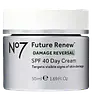
Water, C12-15 Alkyl Benzoate, Glycerin, Octocrylene, Ethylhexyl Salicylate, Butyl Methoxydibenzoylmethane, Dibutyl Adipate, Bis-Ethylhexyloxyphenol Methoxyphenyl Triazine, Methylene Bis-Benzotriazolyl Tetramethylbutylphenol, Polyglyceryl-6 Stearate, Propanediol, Ethylhexyl Triazone, Tribehenin, Niacinamide, Aluminum Starch Octenylsuccinate, Ammonium Acryloyldimethyltaurate/Vp Copolymer, Phenoxyethanol, Butyrospermum Parkii Butter, Cetearyl Alcohol, Tocopheryl Acetate, Potassium Cetyl Phosphate, Decyl Glucoside, Panthenol, Polysorbate 20, Caprylyl Glycol, Caprylhydroxamic Acid, Parfum, Xanthan Gum, Sodium Hyaluronate, Ethylhexylglycerin, Hydrolyzed Rice Protein, Propylene Glycol, Dipropylene Glycol, Ascorbyl Glucoside, Polyglyceryl-6 Behenate, Tetrasodium EDTA, Potassium Hydroxide, T-Butyl Alcohol, Pentylene Glycol, Sodium Benzoate, Morus Alba Leaf Extract, Palmitoyl Tetrapeptide-94, Palmitoyl Tetrapeptide-95
Reviews
Ingredients Explained
These ingredients are found in both products.
Ingredients higher up in an ingredient list are typically present in a larger amount.
Caprylyl Glycol is a humectant, skin conditioner, emollient, and preservative booster derived from either caprylic acid or synthetically created.
Typical use levels vary from 0.3-1% as a preservative booster and go up to 2% to condition skin.
Because it is not a free-fatty acid or alcohol, this ingredient is fungal acne safe (there's nothing for Malassezia to feed on).
Learn more about Caprylyl GlycolGlycerin (or glycerol) is a compound naturally found in your skin. It's a powerhouse humectant that pulls water into the stratum corneum.
Topically, glycerin does several things at once:
Your skin makes glycerin on its own (mostly from sebaceous oil breakdown) and shuttles it to your outermost layer of skin, or your epidermis, via aquaporin-3.
Aquaporin-3 is a transporter that is essential for normal skin hydration, elasticity, and repair. Interestingly, mice lacking in AQP3 have dry and less elastic skin that can be fully corrected with glycerin.
This ingredient is non-irritating, plays well with almost every ingredient, and works across all skin types. Typical use is anywhere between 3-10% but can go up to 79% in some leave-on products.
Just know very high concentrations (>40%) can feel tacky in low humidity.
Glycerin is the name for this ingredient in American English. British English uses Glycerol/Glycerine.
Learn more about GlycerinParfum is a catch-all term for an ingredient or more that is used to give a scent to products.
Also called "fragrance", this ingredient can be a blend of hundreds of chemicals or plant oils. This means every product with "fragrance" or "parfum" in the ingredients list is a different mixture.
For instance, Habanolide is a proprietary trade name for a specific aroma chemical. When used as a fragrance ingredient in cosmetics, most aroma chemicals fall under the broad labeling category of “FRAGRANCE” or “PARFUM” according to EU and US regulations.
The term 'parfum' or 'fragrance' is not regulated in many countries. In many cases, it is up to the brand to define this term.
For instance, many brands choose to label themselves as "fragrance-free" because they are not using synthetic fragrances. However, their products may still contain ingredients such as essential oils that are considered a fragrance by INCI standards.
One example is Calendula flower extract. Calendula is an essential oil that still imparts a scent or 'fragrance'.
Depending on the blend, the ingredients in the mixture can cause allergies and sensitivities on the skin. Some ingredients that are known EU allergens include linalool and citronellol.
Parfum can also be used to mask or cover an unpleasant scent.
The bottom line is: not all fragrances/parfum/ingredients are created equally. If you are worried about fragrances, we recommend taking a closer look at an ingredient. And of course, we always recommend speaking with a professional.
Learn more about ParfumPentylene glycol is typically used within a product to thicken it. It also adds a smooth, soft, and moisturizing feel to the product. It is naturally found in plants such as sugar beets.
The hydrophilic trait of Pentylene Glycol makes it a humectant. As a humectant, Pentylene Glycol helps draw moisture from the air to your skin. This can help keep your skin hydrated.
This property also makes Pentylene Glycol a great texture enhancer. It can also help thicken or stabilize a product.
Pentylene Glycol also acts as a mild preservative and helps to keep a product microbe-free.
Some people may experience mild eye and skin irritation from Pentylene Glycol. We always recommend speaking with a professional about using this ingredient in your routine.
Pentylene Glycol has a low molecular weight and is part of the 1,2-glycol family.
Learn more about Pentylene GlycolPhenoxyethanol is a preservative that has germicide, antimicrobial, and aromatic properties. Studies show that phenoxyethanol can prevent microbial growth. By itself, it has a scent that is similar to that of a rose.
It's often used in formulations along with Caprylyl Glycol to preserve the shelf life of products.
Sodium Benzoate is a preservative. It's used in both cosmetic and food products to inhibit the growth of mold and bacteria. It is typically produced synthetically.
Both the US FDA and EU Health Committee have approved the use of sodium benzoate. In the US, levels of 0.1% (of the total product) are allowed.
Sodium benzoate works as a preservative by inhibiting the growth of bacteria inside of cells. It prevents the cell from fermenting a type of sugar using an enzyme called phosphofructokinase.
It is the salt of benzoic acid. Foods containing sodium benzoate include soda, salad dressings, condiments, fruit juices, wines, and snack foods.
Studies for using ascorbic acid and sodium benzoate in cosmetics are lacking, especially in skincare routines with multiple steps.
We always recommend speaking with a professional, such as a dermatologist, if you have any concerns.
Learn more about Sodium BenzoateSodium Hyaluronate is the salt form of hyaluronic acid. It is a long sugar chain that is naturally found in your skin, joints, and connective tissue that maintains hydration and elasticity.
In skincare, it works as a humectant. It pulls water from the environment and deeper layers of skin and binds it to the surface.
Interestingly, the size of the molecule affects its behavior:
Some clinical evidence links low molecular weight versions to improved wrinkle depth, elasticity, anti-inflammatory effects, and barrier repair.
Many serums use a blend of both weights so you can get surface hydration plus longer-lasting and deeper effects.
You'll typically see concentrations between 0.1-2% for this ingredient.
Learn more about Sodium HyaluronateTocopheryl Acetate is AKA Vitamin E. It is an antioxidant and protects your skin from free radicals. Free radicals damage the skin by breaking down collagen.
One study found using Tocopheryl Acetate with Vitamin C decreased the number of sunburned cells.
Tocopheryl Acetate is commonly found in both skincare and dietary supplements.
Learn more about Tocopheryl AcetateWater. It's the most common cosmetic ingredient of all. You'll usually see it at the top of ingredient lists, meaning that it makes up the largest part of the product.
So why is it so popular? Water most often acts as a solvent - this means that it helps dissolve other ingredients into the formulation.
You'll also recognize water as that liquid we all need to stay alive. If you see this, drink a glass of water. Remember to stay hydrated!
Learn more about Water
