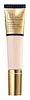
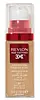
Estée Lauder Futurist Hydra Rescue Moisturizing Foundation SPF 45 Versus Revlon Age Defying 3X Foundation SPF 20


What's inside
What's inside
 Key Ingredients
Benefits
Concerns
Ingredients Side-by-side
Phenylbenzimidazole Sulfonic Acid 2.7%
UV Absorber
Ethylhexyl Methoxycinnamate 6.7%
UV Absorber

Ethylhexyl Salicylate 4.5%
UV Absorber
Zinc Oxide 3.8%
Cosmetic Colorant
Water
Skin ConditioningDimethicone
Emollient

Phenyl Trimethicone
Skin Conditioning
Butylene Glycol
Humectant

Glycerin
Humectant
Polymethylsilsesquioxane
Lauryl PEG-9 Polydimethylsiloxyethyl Dimethicone
Skin Conditioning
Hdi/PPG/Polycaprolactone Crosspolymer
Trimethylsiloxysilicate/Dimethiconol Crosspolymer
Tromethamine
BufferingPolysilicone-11
Hexyl Laurate
Emollient

Cetyl PEG/PPG-10/1 Dimethicone
Emulsifying
Lactobacillus Ferment
Skin Conditioning
Cucumis Sativus Fruit Extract
Emollient
Sodium Hyaluronate
Humectant

Salvia Hispanica Seed Extract
Emollient
Hylocereus Undatus Fruit Extract
Skin ConditioningHelianthus Annuus Seedcake
Abrasive
Algae Extract
Emollient

Euterpe Oleracea Fruit Oil
Skin Conditioning
Carapa Guaianensis Seed Oil
Skin Conditioning
Caffeine
Skin Conditioning
Jojoba Esters
Emollient
Tremella Fuciformis Sporocarp Extract
Antioxidant
Camelina Sativa Seed Oil
Skin Conditioning
Sapindus Mukorossi Fruit Extract
Skin ConditioningCaesalpinia Spinosa Gum
Skin ConditioningCopaifera Officinalis Resin
MaskingCaprylic/Capric Triglyceride
Masking
Propylene Glycol Dicaprate
EmollientAcetyl Glucosamine
Skin Conditioning

Tocopheryl Acetate
Antioxidant
Acetyl Hexapeptide-8
Humectant
Lecithin
Emollient
Trehalose
Humectant
Disteardimonium Hectorite
StabilisingHydroxyethyl Urea
Humectant
Neopentyl Glycol Diheptanoate
EmollientHydrogenated Coco-Glycerides
Emollient
Phospholipids
Skin Conditioning
Trimethylsiloxysilicate
Emollient
Polyhydroxystearic Acid
Emulsifying
Polyglyceryl-4 Isostearate
Emulsifying
Glyceryl Stearate
Emollient
Triethoxycaprylylsilane
Triethyl Citrate
Masking

Laureth-7
EmulsifyingLinoleic Acid
Cleansing
Methicone
Emollient
Stearyl Alcohol
Emollient
Cetearyl Alcohol
Emollient
Ammonium Polyacryloyldimethyl Taurate
Emulsion StabilisingSilica
Abrasive
Hordeum Vulgare Extract
EmollientTocopherol
Antioxidant
Palmitic Acid
Emollient
Phytosteryl Canola Glycerides
Skin Conditioning
Stearic Acid
Cleansing
Oleic Acid
Emollient
Sodium Chloride
MaskingPolysorbate 80
Emulsifying
Polysorbate 20
Emulsifying
Behenyl Alcohol
Emollient
Triolein
Skin Conditioning
Betaine
Humectant
Parfum
Masking
Disodium EDTA
ChelatingBHT
Antioxidant
Phenoxyethanol
Preservative
Sodium Dehydroacetate
Preservative
Potassium Sorbate
Preservative
Mica
Cosmetic ColorantCI 77491
Cosmetic ColorantCI 77492
Cosmetic ColorantCI 77499
Cosmetic ColorantCI 77891
Cosmetic ColorantPhenylbenzimidazole Sulfonic Acid 2.7%, Ethylhexyl Methoxycinnamate 6.7%, Ethylhexyl Salicylate 4.5%, Zinc Oxide 3.8%, Water, Dimethicone, Phenyl Trimethicone, Butylene Glycol, Glycerin, Polymethylsilsesquioxane, Lauryl PEG-9 Polydimethylsiloxyethyl Dimethicone, Hdi/PPG/Polycaprolactone Crosspolymer, Trimethylsiloxysilicate/Dimethiconol Crosspolymer, Tromethamine, Polysilicone-11, Hexyl Laurate, Cetyl PEG/PPG-10/1 Dimethicone, Lactobacillus Ferment, Cucumis Sativus Fruit Extract, Sodium Hyaluronate, Salvia Hispanica Seed Extract, Hylocereus Undatus Fruit Extract, Helianthus Annuus Seedcake, Algae Extract, Euterpe Oleracea Fruit Oil, Carapa Guaianensis Seed Oil, Caffeine, Jojoba Esters, Tremella Fuciformis Sporocarp Extract, Camelina Sativa Seed Oil, Sapindus Mukorossi Fruit Extract, Caesalpinia Spinosa Gum, Copaifera Officinalis Resin, Caprylic/Capric Triglyceride, Propylene Glycol Dicaprate, Acetyl Glucosamine, Tocopheryl Acetate, Acetyl Hexapeptide-8, Lecithin, Trehalose, Disteardimonium Hectorite, Hydroxyethyl Urea, Neopentyl Glycol Diheptanoate, Hydrogenated Coco-Glycerides, Phospholipids, Trimethylsiloxysilicate, Polyhydroxystearic Acid, Polyglyceryl-4 Isostearate, Glyceryl Stearate, Triethoxycaprylylsilane, Triethyl Citrate, Laureth-7, Linoleic Acid, Methicone, Stearyl Alcohol, Cetearyl Alcohol, Ammonium Polyacryloyldimethyl Taurate, Silica, Hordeum Vulgare Extract, Tocopherol, Palmitic Acid, Phytosteryl Canola Glycerides, Stearic Acid, Oleic Acid, Sodium Chloride, Polysorbate 80, Polysorbate 20, Behenyl Alcohol, Triolein, Betaine, Parfum, Disodium EDTA, BHT, Phenoxyethanol, Sodium Dehydroacetate, Potassium Sorbate, Mica, CI 77491, CI 77492, CI 77499, CI 77891
Water
Skin ConditioningCyclopentasiloxane
Emollient
Dimethicone
Emollient
Titanium Dioxide
Cosmetic Colorant
Ethylhexyl Methoxycinnamate
UV Absorber
Phenyl Trimethicone
Skin Conditioning
Glycerin
Humectant
PEG-9 Polydimethylsiloxyethyl Dimethicone
Emulsifying
Boron Nitride
Absorbent
Trimethylsiloxysilicate
Emollient
Disteardimonium Hectorite
StabilisingDimethicone/PEG-10/15 Crosspolymer
Palmitoyl Tripeptide-5
Skin Conditioning
Acetyl Hexapeptide-8
Humectant
Niacinamide
Smoothing

Triolein
Skin Conditioning
Sodium Hyaluronate
Humectant
Lecithin
Emollient
Methyl Acetylglycyrrhetinoyl Hydroxyprolinate
Skin ConditioningPhytosteryl Canola Glycerides
Skin Conditioning
Hydrolyzed Glycosaminoglycans
HumectantAcetyl Hydroxyproline
EmollientGlycyrrhetinic Acid
Skin Conditioning
Tocopherol
Antioxidant
Sodium Ascorbyl Phosphate
Antioxidant
Tocopheryl Acetate
Antioxidant
Linoleic Acid
Cleansing
Pullulan
Sorbitol
Humectant
Trehalose
Humectant
Alumina
Abrasive
Silica
Abrasive
Laureth-7
EmulsifyingAcacia Senegal Gum
MaskingSodium Chloride
MaskingPolyglyceryl-3 Diisostearate
Emulsifying
Dimethicone Crosspolymer
Emulsion Stabilising
Methicone
Emollient
Xanthan Gum
EmulsifyingTriethoxycaprylylsilane
Calcium Aluminum Borosilicate
C12-15 Alkyl Benzoate
AntimicrobialSodium Citrate
BufferingDipropylene Glycol
HumectantStearic Acid
Cleansing
Palmitic Acid
Emollient
Oleic Acid
Emollient
Tetrasodium EDTA
ChelatingPotassium Sorbate
Preservative
Phenoxyethanol
Preservative
Caprylyl Glycol
Emollient
Mica
Cosmetic ColorantCI 77891
Cosmetic ColorantWater, Cyclopentasiloxane, Dimethicone, Titanium Dioxide, Ethylhexyl Methoxycinnamate, Phenyl Trimethicone, Glycerin, PEG-9 Polydimethylsiloxyethyl Dimethicone, Boron Nitride, Trimethylsiloxysilicate, Disteardimonium Hectorite, Dimethicone/PEG-10/15 Crosspolymer, Palmitoyl Tripeptide-5, Acetyl Hexapeptide-8, Niacinamide, Triolein, Sodium Hyaluronate, Lecithin, Methyl Acetylglycyrrhetinoyl Hydroxyprolinate, Phytosteryl Canola Glycerides, Hydrolyzed Glycosaminoglycans, Acetyl Hydroxyproline, Glycyrrhetinic Acid, Tocopherol, Sodium Ascorbyl Phosphate, Tocopheryl Acetate, Linoleic Acid, Pullulan, Sorbitol, Trehalose, Alumina, Silica, Laureth-7, Acacia Senegal Gum, Sodium Chloride, Polyglyceryl-3 Diisostearate, Dimethicone Crosspolymer, Methicone, Xanthan Gum, Triethoxycaprylylsilane, Calcium Aluminum Borosilicate, C12-15 Alkyl Benzoate, Sodium Citrate, Dipropylene Glycol, Stearic Acid, Palmitic Acid, Oleic Acid, Tetrasodium EDTA, Potassium Sorbate, Phenoxyethanol, Caprylyl Glycol, Mica, CI 77891
Reviews
Ingredients Explained
These ingredients are found in both products.
Ingredients higher up in an ingredient list are typically present in a larger amount.
Acetyl Hexapeptide-8 (also known as Argireline) is a synthetic hexapeptide that is often called a "topical Botox alternative".
It works by mimicking how Botox relaxes muscles; it interferes with the signaling process that tells your facial muscles to contract. This can help soften expression lines like forehead wrinkles or crow's feet over time.
The comparison to Botox does have limits because the molecule is water-loving and relatively large.
Acetyl Hexapeptide-8 has a hard time absorbing deeply enough through the skin's outer barrier to actually reach the muscles.
So whether it truly works the way Botox does at a biological level is still up for debate, but early clinical outcomes are fairly encouraging.
A 12 week human study of a multi-ingredient regimen containing this ingredient saw:
While some studies have observed improvements in wrinkle appearance, it is important to note that more consistent results are seen in multi-ingredient formulations (vs just Acetyl Hexapeptide-8 alone).
Some research studies also used higher concentrations (up to 10%) while this ingredient is usually found in concentrations up to 0.005% in leave-on formulations.
Learn more about Acetyl Hexapeptide-8Ci 77891 is a white pigment from Titanium dioxide. It is naturally found in minerals such as rutile and ilmenite.
It's main function is to add a white color to cosmetics. It can also be mixed with other colors to create different shades.
Ci 77891 is commonly found in sunscreens due to its ability to block UV rays.
Learn more about CI 77891Dimethicone is a type of synthetic silicone created from natural materials such as quartz. It is also known as polydimethylsiloxane.
What it does:
Dimethicone comes in different viscosities:
Depending on the viscosity, dimethicone has different properties.
Ingredients lists don't always show which type is used, so we recommend reaching out to the brand if you have questions about the viscosity.
This ingredient is unlikely to cause irritation because it does not get absorbed into skin. However, people with silicone allergies should be careful about using this ingredient.
Note: Dimethicone may contribute to pilling. This is because it is not oil or water soluble, so pilling may occur when layered with products. When mixed with heavy oils in a formula, the outcome is also quite greasy.
Learn more about DimethiconeDisteardimonium Hectorite comes from the clay mineral named hectorite. It is used to add thickness to a product.
It can also help stabilize a product by helping to disperse other ingredients.
Hectorite is a rare, white clay mineral.
Learn more about Disteardimonium HectoriteThis ingredient is also known as Octinoxate and is one of the oldest and most widely used chemical UV filters in skincare.
It has a simple job: soap up UVB radiation (290-320 nm), the wavelengths responsible for sunburn and a big chunk of long-term sun damage.
In formulas, it's always paired with a separate UVA filter because octinoxate solely protects skin from UVB.
Because it's an oil-soluble liquid, it's easy to blend into the oil phase of lotions/creams and gives a cosmetically elegant feel.
The one quirk about formulating this ingredient is photostability; the molecule slowly changes shape into a less effective version when sunlight hits it. So the longer you're in the sun, the weaker its protection gets. The drop can be more than 30% in some formulas.
It also doesn't play nice with Avobenzone (the common UVA filter) since avobenzone destabilizes octinoxate and the two degrade each other. But don't worry: brands have solved this issue by adding photostabilizers like Tinosorb S to prevent degradation and keep SPF stable under heavy UV exposure.
The maximum allowed level is 10% in the EU and Australia, 7.5% in the US and Canada, and 20% in Japan.
The Cosmetic Ingredient Review Panel has concluded this ingredient to be safe in cosmetics up to 10%.
One last thing worth knowing for context:
Octinoxate has been the subject of ongoing review in Europe where the Scientific Committee on Consumer Safety's (SCCS) 2025 final opinion is that this ingredient is an endocrine-active substance.
Lab and animal studies suggest it can act a bit like a hormone in the body (mildly mimicking estrogen and slightly blocking male hormones). It's important to know this hasn't really been shown to happen in everyday human use.
This ingredient is also banned in Hawaii over coral reef concerns.
Learn more about Ethylhexyl MethoxycinnamateGlycerin (or glycerol) is a compound naturally found in your skin. It's a powerhouse humectant that pulls water into the stratum corneum.
Topically, glycerin does several things at once:
Your skin makes glycerin on its own (mostly from sebaceous oil breakdown) and shuttles it to your outermost layer of skin, or your epidermis, via aquaporin-3.
Aquaporin-3 is a transporter that is essential for normal skin hydration, elasticity, and repair. Interestingly, mice lacking in AQP3 have dry and less elastic skin that can be fully corrected with glycerin.
This ingredient is non-irritating, plays well with almost every ingredient, and works across all skin types. Typical use is anywhere between 3-10% but can go up to 79% in some leave-on products.
Just know very high concentrations (>40%) can feel tacky in low humidity.
Glycerin is the name for this ingredient in American English. British English uses Glycerol/Glycerine.
Learn more about GlycerinLaureth-7 is created by the ethoxylation of lauryl alcohol using ethylene oxide. Lauryl alcohol is a fatty alcohol with hydrating properties.
This ingredient is an emulsifier and cleansing ingredient. As an emulsifier, it is used to prevent ingredients from separating. It also helps cleanse the skin by gathering dirt, oil, and pollutants to be rinsed away.
Lecithin is a term for a group of substances found in the cell membranes of plants, animals, and humans. They are made up of phospholipids.
Thanks to its amphiphilic structure (water-loving head and oil-loving tail), it is a true multitasker:
It plays well with most ingredients and is typically used at 0.1-1%. However, concentrations up to 50% have been reported in moisturizers.
Learn more about LecithinLinoleic Acid is also known as Vitamin F. It is a fatty acid with emollient and skin conditioning properties.
Our top layer of skin, or epidermis, naturally contains high amounts of linoleic acid.
Your body uses linoleic acid to build ceramides and prostaglandins. Ceramides keep your skin's barrier hydrated and strong while prosaglandins help control inflammation and healing.
Needless to say, linoleic acid is crucial for having a strong skin barrier.
One study found applying linoleic acid rich sunflower oil to be more effective at repairing the skin barrier than olive oil.
This ingredient can also help treat acne by softening sebum to prevent clogged pores. Another study found using 2.5% linoleic acid gel for 4 weeks showed a 25% reduction in small comedones.
Studies show it can also help lighten hyperpigmentation or sun spots by disrupting the melanin production process. It also helps your skin shed melanin pigment from your skin caused by UV exposure.
Due to its role in the production of the fatty acid prostaglandin, linoleic acid can also help reduce inflammation and support wound healing.
Fun fact: Linoleic acid is an essential fatty acid. This means our bodies cannot create it on its own and we need to get it through foods such as nuts and vegetable oils.
Just know this ingredient is not always fungal-acne safe because it is a long-chain fatty acid (with 18 carbon atoms) that directly feeds the Malassezia yeast responsible for fungal acne.
Learn more about Linoleic AcidMethicone is a type of silicone and is a simpler form of dimethicone.
Silicones are used to enhance the texture of products and have emollient properties. Methicone is used to give products a silky texture and improves spreadability.
Mica is a naturally occurring mineral used to add shimmer and color in cosmetics. It can also help improve the texture of a product or give it an opaque, white/silver color.
Serecite is the name for very fine but ragged grains of mica.
This ingredient is often coated with metal oxides like titanium dioxide. Trace amounts of heavy metals may be found in mica, but these metals are not harmful in our personal products.
Mica has been used since prehistoric times throughout the world. Ancient Egyptian, Indian, Greek, Roman, Aztec, and Chinese civilizations have used mica.
Learn more about MicaOleic Acid is an Omega-9 fatty acid that can be found naturally in your skin's sebum and in many plant oils such as avocado and olive oil.
It is an emollient that helps soften skin and prevent moisture loss.
Research shows:
A 1998 study did find that applying oleic acid at higher concentrations may cause irritation and disrupt the skin barrier. Modern formulations typically use low levels that is well-tolerated.
The culprit behind fungal acne, the Malassezia yeast, feeds on fatty acids with carbon chain lengths between C11-C24. Oleic Acid, at C18, falls right into that sweet spot.
In vitro studies have shown that Oleic Acid is one of the fatty acids that induce rapid Malassezia growth in lab settings.
Oleic Acid is widely listed with a comedogenic rating but no published study has ever actually assigned it one.
The 0 to 5 scale everyone quotes comes from Fulton's 1989 survey in the Journal of the Society of Cosmetic Chemists and Oleic Acid does not appear in his fatty acid tables at all; what he did test were related ingredients built from it, like Decyl Oleate and Oleyl Alcohol (which did get ratings).
Somewhere along the way people seem to have borrowed those numbers for Oleic Acid itself.
So why is it considered comedogenic? Oleic Acid has been studied. Researchers in 1971 and 1983 applied it to rabbit ears (the standard test back then) and it did clog pores. The 1983 study also found something useful: oxidized Oleic Acid, meaning the kind that's gone rancid, clogged pores noticeably more than fresh Oleic Acid did.
It's just worth keeping in mind that these tests used rabbit skin which reacts more easily than ours. They also used much higher concentrations than you'd ever find in a real product.
A 2006 study on actual people found finished products made with comedogenic ingredients often turn out not to be comedogenic at all. As always, listen to your skin.
Learn more about Oleic AcidPalmitic Acid is a fatty acid naturally found in our skin and in many plant and animal sources.
In cosmetics, it is usually derived from palm oil. It serves many purposes in skincare, acting as a cleanser, emollient, and emulsifier.
Interestingly, topically applied Palmitic Acid can be elongated into longer chain fatty acids and ceramides. A 2019 study found low levels of Palmitic Acid lead to slower development of cells, suggesting it plays a role in keeping your skin's renewal process on track.
The CIR (Cosmetic Ingredient Review) panel determined it safe as used in cosmetics at concentrations up to 13%. It is non-irritating and non-sensitizing in clinical studies.
The culprit behind fungal acne, the Malassezia yeast, feeds on fatty acids with carbon chain lengths between C11-C24. Palmitic Acid, at C16, falls right into that sweet spot.
In vitro studies have shown that Palmitic Acid is one of the fatty acids that induce rapid Malassezia growth in lab settings.
It's worth noting that what feeds yeast in a lab doesn't necessarily feed it on your face since formulation and your skin's chemistry play a bigger role.
This ingredient does have a comedogenic rating of 2, but this doesn't mean a formula with this ingredient will clog pores.
Human testing has proved that any finished product with a comedogenic ingredient won't automatically make you break out; it really comes down to concentration, formula, and your skin.
Learn more about Palmitic AcidPhenoxyethanol is one of the most widely used preservatives in skincare (and for good reason!).
It has a large spectrum of antimicrobial activity and especially effective bacteria, yeast, and mold while only having a weak effect on your skin's natural microbiome.
On a cellular level, it disrupts the cell membranes of microbes by poking holes that make the cell leak. This shuts down the chemical reactions the microbe needs to make energy so it can no longer survive.
Another perk of this ingredient is that it stays functional across a wide pH range (3-10).
You'll often see it paired with boosters like Ethylhexylglycerin; one study showed that a 1:9 ratio of Ethylhexylglycerin to Phenoxyethanol damages bacterial membranes as effectively as doubling the Phenoxyethanol concentration on its own.
Typical use concentrations range from 0.3-1% depending on the formula, and this ingredient is capped at 1% int the EU.
Safety-wise, the fear mongering does not hold up to the evidence. The EU's Scientific Committee on Consumer Safety and FDA consider it safe as a preservative at up to 1%, including for children of all ages.
Adverse systemic effects only showed up in animal studies at exposures roughly 200x higher than what people get from cosmetics. And despite its very widespread use, this ingredient is a rare sensitizer and allergic reactions are uncommon.
Learn more about PhenoxyethanolPhenyl Trimethicone is a silicon-based polymer. It is derived from silica.
Phenyl Trimethicone is used as an emollient and prevents products from foaming.
As an emollient, it helps trap moisture in the skin. It is considered an occlusive.
Learn more about Phenyl TrimethiconePhytosteryl Canola Glycerides isn't fungal acne safe.
Potassium Sorbate is a preservative used to prevent yeast and mold in products. It is commonly found in both cosmetic and food products.
This ingredient comes from potassium salt derived from sorbic acid. Sorbic acid is a natural antibiotic and effective against fungus.
Both potassium sorbate and sorbic acid can be found in baked goods, cheeses, dried meats, dried fruit, ice cream, pickles, wine, yogurt, and more.
You'll often find this ingredient used with other preservatives.
Learn more about Potassium SorbateSilica, also known as silicon dioxide, is a naturally occurring mineral. It is used as a fine, spherical, and porous powder in cosmetics.
Though it has exfoliant properties, the function of silica varies depending on the product.
The unique structure of silica enhances the spreadability and adds smoothness, making it a great texture enhancer.
It is also used as an active carrier, emulsifier, and mattifier due to its ability to absorb excess oil.
In some products, tiny microneedles called spicules are made from silica or hydrolyzed sponge. When you rub them in, they lightly polish away dead skin layers and enhance the penetration of active ingredients.
Learn more about SilicaChances are, you eat sodium chloride every day. Sodium Chloride is also known as table salt. This ingredient has many purposes in skincare: thickener, emulsifier, and exfoliator.
You'll most likely find this ingredient in cleansers where it is used to create a gel-like texture. As an emulsifier, it also prevents ingredients from separating.
You might see people debate whether Sodium Chloride is comedogenic, but there actually haven't been any comedogenic tests done on it. Either way, the overall formulation of a product matters a lot more than any single ingredient.
You might see this ingredient used in scrubs as a primary exfoliating ingredient.
Learn more about Sodium ChlorideSodium Hyaluronate is the salt form of hyaluronic acid. It is a long sugar chain that is naturally found in your skin, joints, and connective tissue that maintains hydration and elasticity.
In skincare, it works as a humectant. It pulls water from the environment and deeper layers of skin and binds it to the surface.
Interestingly, the size of the molecule affects its behavior:
Some clinical evidence links low molecular weight versions to improved wrinkle depth, elasticity, anti-inflammatory effects, and barrier repair.
Many serums use a blend of both weights so you can get surface hydration plus longer-lasting and deeper effects.
You'll typically see concentrations between 0.1-2% for this ingredient.
Learn more about Sodium HyaluronateStearic Acid is a fatty acid that is already found in your skin. It's one of the free fatty acids that works alongside ceramides and cholesterols to maintain your barrier.
In cosmetics, it is a multitasker:
Safety-wise, the CIR Expert Panel has concluded it to be safe in cosmetics when formulated to be non-irritating and non-sensitizing.
Free stearic acid is a C18 fatty acid that the Malassezia yeast can substrate, so this ingredient may not be fungal acne safe.
This ingredient does have a comedogenic rating of 2-3, but this doesn't mean a formula with this ingredient will clog pores.
Human testing has proved that any finished product with this ingredient won't automatically make you break out; it really comes down to concentration, formula, and your skin.
Learn more about Stearic AcidTocopherol is a fat-soluble antioxidant known as Vitamin E.
You'll find this ingredient in the vast majority of skincare (for good reason). It works to neutralize free radicals, or unstable molecules generated by UV exposure, pollution, and other environmental stressors, before they can cause oxidative damage to your skin cells.
Topically applied tocopherol has been shown to protect against UV damage by ramping up the skin's own natural defense enzymes.
It also acts as a skin conditioning agent; some studies show that regular topical use can improve the skin's water-binding capacity over 2-4 weeks.
This ingredient is especially loved for being a team player. When combined with Vitamin C, the photoprotective effect of both ingredients roughly doubles and the combo also helps reduce UV-induced DNA damage.
This ingredient has some brightening potential but it's more of a prevention ingredient than spot-fader. Cell studies show it can slow down melanin production but it's worth noting that it's not the most powerful brightener out there.
In formulations, it also serves as a stabilizer that helps protect other oxidation-prone ingredients from degrading.
Concentrations usually range from 0.1-1% in most leave-on products.
Learn more about TocopherolTocopheryl Acetate is a stable, shelf-friendly form of vitamin E.
Formulators love it because plain vitamin E oxidizes quickly once it hits air. This acetate version stays stable and resists going off, helping to extend a product's shelf life.
It's actually inactive on its own and works like a slow-release "storage" form; the enzymes in your skin called esterases gradually convert it into active vitamin E over time.
One in vivo study showed 5% of the acetate in the living layer of the epidermis converted to vitamin E after 5 days of application. This study also found the skin gained protection against UV damage even though the conversion was slow and small.
Once converted, vitamin E acts as a skin's main fat-soluble antioxidant that fights free radicals to protect skin from damage.
Topical vitamin E generally boosts the skin's photoprotection, and it reduced UV-damage in animal models.
This ingredient has some brightening potential but it's more of a prevention ingredient than spot-fader. Cell studies show it can slow down melanin production but it's worth noting that it's not the most powerful brightener out there.
Overall, it has a pretty solid safety profile and has been found to be non-irritating and non-comedogenic. Allergic reactions may happen but stay rare due to how widely the ingredient gets used.
The concentration will vary depending on the formula; industry data shows 0.1% in baby lotions, 3% in lipsticks, and 5% in foot powders. You can also find this ingredient at 100% in a pure vitamin E oil.
Most leave-on skincare keeps it at the lower end, often between 0.5-1%.
Learn more about Tocopheryl AcetateTrehalose is a disaccharide made of two glucose molecules (glucose is sugar!). Trehalose is used to help moisturize skin. It also has antioxidant properties.
As a humectant, trehalose helps draw moisture from the air to your skin. This helps keep your skin hydrated.
Due to its antioxidant properties, trehalose may help with signs of aging. Antioxidants help fight free-radical molecules, unstable molecules that may damage your skin.
In medicine, trehalose and hyaluronic acid are used to help treat dry eyes.
Some animals, plants, and bacteria create trehalose as a source of energy to survive freeze or lack of water.
Learn more about TrehaloseTriethoxycaprylylsilane is a silicon-based surface modifier that makes sunscreens feel silky and makeup stay put.
Its main job is to coat mineral particles like titanium dioxide, zinc oxide, and color pigments in a thin, oily layer so they spread smoothly, don't clump, and stick to skin better.
This ingredient is typically used at low levels (up to 2.5% in eyeshadow and 1% in lipstick).
Learn more about TriethoxycaprylylsilaneThis silicone is an emollient. Emollients create a thin film on the skin to prevent moisture from escaping.
It is not soluble in water and helps increase water-resistance in products.
According to a manufacturer, it can blend seamlessly with silicone oils, such as Cyclopentasiloxane.
Learn more about TrimethylsiloxysilicateTriolein isn't fungal acne safe.
Water. It's the most common cosmetic ingredient of all. You'll usually see it at the top of ingredient lists, meaning that it makes up the largest part of the product.
So why is it so popular? Water most often acts as a solvent - this means that it helps dissolve other ingredients into the formulation.
You'll also recognize water as that liquid we all need to stay alive. If you see this, drink a glass of water. Remember to stay hydrated!
Learn more about Water

