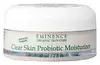
This acne moisturizer is formulated around Salix Alba Bark Extract and Melaleuca Alternifolia Leaf Oil to clear breakouts and balance excess oil.
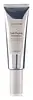
This anti-aging moisturizer is formulated around Palmitoyl Tripeptide-5 and Palmitoyl Tripeptide-1 to soften the look of wrinkles.


What's inside
What's inside
 Key Ingredients
Benefits
Concerns
Ingredients Side-by-side
Cucumis Melo Juice
SoothingSalix Alba Bark Extract
Astringent


Rosa Canina Fruit Extract
Astringent

Hydrolyzed Grape Fruit Extract
HumectantSymphytum Officinale Leaf Extract
Skin ConditioningLavandula Angustifolia Flower Extract
Cleansing

Equisetum Arvense Extract
AstringentMentha Piperita Leaf Extract
Skin ConditioningCalendula Officinalis Flower Extract
Masking

Glycine Max Root Extract
Skin ConditioningCetearyl Alcohol
Emollient






Cetearyl Glucoside
Emulsifying
Propanediol
Solvent
Undecane
EmollientTridecane
Perfuming
Panthenol
Skin Conditioning
Yogurt
Skin ProtectingGlycerin
Humectant
Caesalpinia Spinosa Gum
Skin ConditioningLactic Acid
Buffering




Glyceryl Stearate
Emollient
Cetyl Palmitate
Emollient
Cocoglycerides
Emollient
Sodium Cetearyl Sulfate
Cleansing
Calendula Officinalis Flower Oil
Masking

Cellulose
Absorbent
Cyclodextrin
AbsorbentMelaleuca Alternifolia Leaf Oil
Antioxidant

Stearic Acid
Cleansing
Benzyl Alcohol
Perfuming

Dehydroacetic Acid
Preservative
Tocopherol
Antioxidant
Algin
MaskingSalicylic Acid
Masking

Sodium Benzoate
Masking
Potassium Sorbate
Preservative
Cucumis Sativus Fruit Extract
Emollient
Menthol
Masking
Calcium Ascorbate
Antioxidant
Lecithin
Emollient
Citrus Limon Fruit Extract
Masking
Malpighia Emarginata Fruit Extract
Skin ConditioningPhyllanthus Emblica Fruit Extract
HumectantAdansonia Digitata Seed Oil
Emollient
Camphor
Masking
Daucus Carota Sativa Root Extract
Skin Conditioning
Cocos Nucifera Water
Masking
Lycium Barbarum Fruit Extract
Astringent
Tapioca Starch
Thioctic Acid
Antioxidant
Cucumis Melo Juice, Salix Alba Bark Extract, Rosa Canina Fruit Extract, Hydrolyzed Grape Fruit Extract, Symphytum Officinale Leaf Extract, Lavandula Angustifolia Flower Extract, Equisetum Arvense Extract, Mentha Piperita Leaf Extract, Calendula Officinalis Flower Extract, Glycine Max Root Extract, Cetearyl Alcohol, Cetearyl Glucoside, Propanediol, Undecane, Tridecane, Panthenol, Yogurt, Glycerin, Caesalpinia Spinosa Gum, Lactic Acid, Glyceryl Stearate, Cetyl Palmitate, Cocoglycerides, Sodium Cetearyl Sulfate, Calendula Officinalis Flower Oil, Cellulose, Cyclodextrin, Melaleuca Alternifolia Leaf Oil, Stearic Acid, Benzyl Alcohol, Dehydroacetic Acid, Tocopherol, Algin, Salicylic Acid, Sodium Benzoate, Potassium Sorbate, Cucumis Sativus Fruit Extract, Menthol, Calcium Ascorbate, Lecithin, Citrus Limon Fruit Extract, Malpighia Emarginata Fruit Extract, Phyllanthus Emblica Fruit Extract, Adansonia Digitata Seed Oil, Camphor, Daucus Carota Sativa Root Extract, Cocos Nucifera Water, Lycium Barbarum Fruit Extract, Tapioca Starch, Thioctic Acid
Water
Skin ConditioningGlycerin
Humectant
Dimethicone
Emollient
Simmondsia Chinensis Seed Oil
Emollient
Squalane
Emollient
Glyceryl Stearate
Emollient
Cetyl Alcohol
Emollient
Niacinamide
Smoothing
Stearyl Alcohol
Emollient
Palmitoyl Tripeptide-5
Skin Conditioning
Pantolactone
Humectant
Palmitoyl Tripeptide-1
Skin Conditioning
Palmitoyl Tetrapeptide-7
Skin Conditioning
Hydrolyzed Plukenetia Volubilis Seed Extract
Emulsion StabilisingDunaliella Salina Extract
Skin ConditioningSodium Hyaluronate
Humectant
3-O-Ethyl Ascorbic Acid
Skin Conditioning
Panthenol
Skin Conditioning
Caryodendron Orinocense Seed Oil
Emollient
Honokiol
Antioxidant
Magnolol
Antioxidant
Palmitic Acid
Emollient
Sorbitan Oleate
Emulsifying
Aluminum Starch Octenylsuccinate
Absorbent
Hydroxyacetophenone
Antioxidant
Stearic Acid
Cleansing
Acrylamide/Sodium Acryloyldimethyltaurate Copolymer
Emulsion StabilisingPolyglyceryl-6 Laurate
Emulsifying
1,2-Hexanediol
Skin Conditioning
Boron Nitride
Absorbent
Caprylyl Glycol
Emollient
Polyglyceryl-10 Oleate
Skin Conditioning
Isohexadecane
EmollientButylene Glycol
Humectant
Chlorphenesin
Antimicrobial
Acrylates/C10-30 Alkyl Acrylate Crosspolymer
Emulsion StabilisingTocopheryl Acetate
Antioxidant
Polysorbate 80
Emulsifying
Sorbitan Palmitate
Emulsifying
Sodium Hydroxide
BufferingSodium Benzoate
Masking
Carbomer
Emulsion StabilisingSodium Lactate
Buffering
Phenoxyethanol
Preservative
Polysorbate 20
Emulsifying
Citric Acid
Buffering
Ethylhexylglycerin
Skin ConditioningPotassium Sorbate
Preservative
Water, Glycerin, Dimethicone, Simmondsia Chinensis Seed Oil, Squalane, Glyceryl Stearate, Cetyl Alcohol, Niacinamide, Stearyl Alcohol, Palmitoyl Tripeptide-5, Pantolactone, Palmitoyl Tripeptide-1, Palmitoyl Tetrapeptide-7, Hydrolyzed Plukenetia Volubilis Seed Extract, Dunaliella Salina Extract, Sodium Hyaluronate, 3-O-Ethyl Ascorbic Acid, Panthenol, Caryodendron Orinocense Seed Oil, Honokiol, Magnolol, Palmitic Acid, Sorbitan Oleate, Aluminum Starch Octenylsuccinate, Hydroxyacetophenone, Stearic Acid, Acrylamide/Sodium Acryloyldimethyltaurate Copolymer, Polyglyceryl-6 Laurate, 1,2-Hexanediol, Boron Nitride, Caprylyl Glycol, Polyglyceryl-10 Oleate, Isohexadecane, Butylene Glycol, Chlorphenesin, Acrylates/C10-30 Alkyl Acrylate Crosspolymer, Tocopheryl Acetate, Polysorbate 80, Sorbitan Palmitate, Sodium Hydroxide, Sodium Benzoate, Carbomer, Sodium Lactate, Phenoxyethanol, Polysorbate 20, Citric Acid, Ethylhexylglycerin, Potassium Sorbate
Reviews
Alternatives
Ingredients Explained
These ingredients are found in both products.
Ingredients higher up in an ingredient list are typically present in a larger amount.
Glycerin (or glycerol) is a compound naturally found in your skin. It's a powerhouse humectant that pulls water into the stratum corneum.
Topically, glycerin does several things at once:
Your skin makes glycerin on its own (mostly from sebaceous oil breakdown) and shuttles it to your outermost layer of skin, or your epidermis, via aquaporin-3.
Aquaporin-3 is a transporter that is essential for normal skin hydration, elasticity, and repair. Interestingly, mice lacking in AQP3 have dry and less elastic skin that can be fully corrected with glycerin.
This ingredient is non-irritating, plays well with almost every ingredient, and works across all skin types. Typical use is anywhere between 3-10% but can go up to 79% in some leave-on products.
Just know very high concentrations (>40%) can feel tacky in low humidity.
Glycerin is the name for this ingredient in American English. British English uses Glycerol/Glycerine.
Learn more about GlycerinGlyceryl Stearate is made by reacting glycerin with stearic acid (typically sourced from plant oils like palm or coconut). It's an emulsifier, emollient, and mild occlusive.
Emulsifiers help ingredients like oil and water stay mixed so your formula stays nicely blended and uniform in texture.
This ingredient is typically used in concentrations between 1-10%. Studies have found it to be non-sensitizing, non-phototoxic, and non-photoallergenic.
A close cousin of this ingredient is Glyceryl Stearate SE ("self-emulsifying"). This just has a small amount of sodium or potassium stearate added so it can emulsify without a co-emulsifier.
Since this ingredient is an ester of a C18 fatty acid, it may not be fungal acne safe. The Malassezia yeast can potentially metabolize within the C11-C24 range.
Fun fact: The human body also creates Glyceryl Stearate naturally.
Learn more about Glyceryl StearatePanthenol is a common ingredient that helps hydrate and soothe the skin. It is found naturally in our skin and hair.
There are two forms of panthenol: D and L.
D-panthenol is also known as dexpanthenol. Most cosmetics use dexpanthenol or a mixture of D and L-panthenol.
Panthenol is famous due to its ability to go deeper into the skin's layers. Using this ingredient has numerous pros (and no cons):
Like hyaluronic acid, panthenol is a humectant. Humectants are able to bind and hold large amounts of water to keep skin hydrated.
This ingredient works well for wound healing. It works by increasing tissue in the wound and helps close open wounds.
Once oxidized, panthenol converts to pantothenic acid. Panthothenic acid is found in all living cells.
This ingredient is also referred to as pro-vitamin B5.
Learn more about PanthenolPotassium Sorbate is a preservative used to prevent yeast and mold in products. It is commonly found in both cosmetic and food products.
This ingredient comes from potassium salt derived from sorbic acid. Sorbic acid is a natural antibiotic and effective against fungus.
Both potassium sorbate and sorbic acid can be found in baked goods, cheeses, dried meats, dried fruit, ice cream, pickles, wine, yogurt, and more.
You'll often find this ingredient used with other preservatives.
Learn more about Potassium SorbateSodium Benzoate is a preservative. It's used in both cosmetic and food products to inhibit the growth of mold and bacteria. It is typically produced synthetically.
Both the US FDA and EU Health Committee have approved the use of sodium benzoate. In the US, levels of 0.1% (of the total product) are allowed.
Sodium benzoate works as a preservative by inhibiting the growth of bacteria inside of cells. It prevents the cell from fermenting a type of sugar using an enzyme called phosphofructokinase.
It is the salt of benzoic acid. Foods containing sodium benzoate include soda, salad dressings, condiments, fruit juices, wines, and snack foods.
Studies for using ascorbic acid and sodium benzoate in cosmetics are lacking, especially in skincare routines with multiple steps.
We always recommend speaking with a professional, such as a dermatologist, if you have any concerns.
Learn more about Sodium BenzoateStearic Acid is a fatty acid that is already found in your skin. It's one of the free fatty acids that works alongside ceramides and cholesterols to maintain your barrier.
In cosmetics, it is a multitasker:
Safety-wise, the CIR Expert Panel has concluded it to be safe in cosmetics when formulated to be non-irritating and non-sensitizing.
Free stearic acid is a C18 fatty acid that the Malassezia yeast can substrate, so this ingredient may not be fungal acne safe.
Learn more about Stearic Acid

